
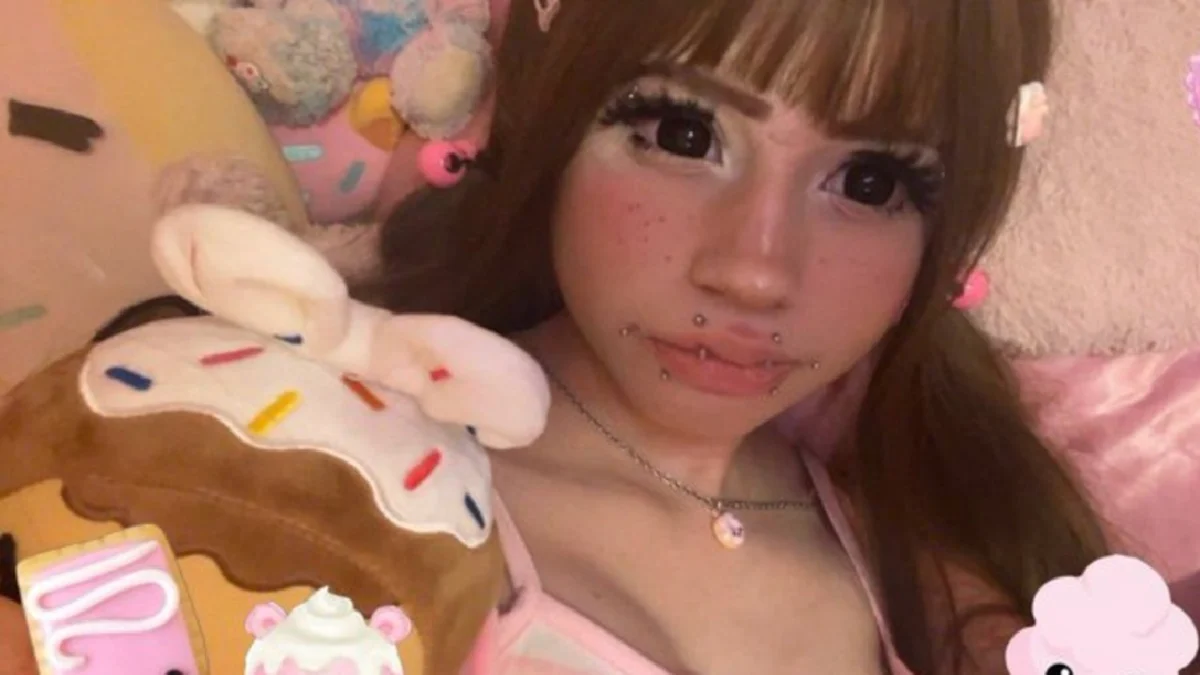
The digital landscape of mid-2026 has been significantly shaped by the emergence of the Misery Girl meme, a viral phenomenon that blends subcultural aesthetics with satirical commentary on modern internet archetypes. Emerging primarily on TikTok and X (formerly Twitter) in August 2026, the term "Misery Girl" serves as a slang descriptor for young women who adhere to specific alternative, emo, or goth aesthetics. These individuals are typically characterized by heavy makeup, extensive facial piercings—particularly lip and bridge piercings—and dark, stylized fashion. The trend derives its name from the song "Misery" by the artist Pupsies, which has become the de facto anthem for the meme, often portrayed as the favorite track of these "Misery Girls." While the trend began as a niche observation of a specific fashion subculture, it quickly evolved into a complex social dialogue involving themes of ageplay, digital harassment, and the defense of subcultural authenticity.
Defining the Misery Girl Archetype
The "Misery Girl" is not merely a fashion choice but a digital caricature that has been codified through thousands of short-form videos and image macros. The visual hallmarks of the archetype include what critics and meme-makers call "excessive" piercings, often centered around the mouth and nose, paired with thick, dark eyeliner and occasionally "cutecore" or "scenecore" elements. The meme often utilizes the image of X user @himonkeyhamie, whose specific look has been adopted by the internet as the "ultimate representation" of the aesthetic.
Central to the meme’s identity is its intersection with the song "Misery" by Pupsies. In many viral iterations, the "Misery Girl" is depicted as being obsessed with this track, specifically its "phonk" or slowed-and-reverb remixes. This musical association serves as a shorthand for a specific type of online persona: one that is perceived as being deeply entrenched in "chronically online" subcultures, such as those found on Discord or niche corners of TikTok.
Chronology of the Trend: August 2026
The Misery Girl phenomenon did not emerge in a vacuum but followed a rapid trajectory of escalation throughout the second week of August 2026. While the exact moment of inception is difficult to pinpoint, the trend’s surge into the mainstream can be traced through several key digital milestones.
On August 12, 2026, the TikTok user @the.scarred.one published a video featuring an alternative-style girl with numerous lip piercings. The caption, "How did you know my fav song is Misery?" directly linked the aesthetic to the Pupsies track for one of the first times in a high-engagement setting. The video garnered over 12,000 views within a week, signaling the beginning of a broader pattern of stereotyping.
By August 15, 2026, the meme took a more controversial turn. TikToker @doelilll shared an AI-edited video featuring a "Misery Girl" character using the term "dada" to request a volume increase for "Misery phonk." This specific video, which accumulated over 800,000 views in less than a week, introduced the "ageplay" or "Daddy/Daughter" dynamic into the meme. This evolution suggested that "Misery Girls" were synonymous with "Discord Kittens"—a term used to describe young women who seek attention or financial support from older men in digital spaces.
Simultaneously, the trend migrated to X. On the same day, user @bledgun posted a meme depicting an individual purchasing a fictional "Misery" album featuring @himonkeyhamie on the cover. The caption, "Buying da Misery album for Dada," solidified the link between the aesthetic, the music, and the controversial "Dada" terminology. This post received over 11,000 likes, demonstrating the meme’s cross-platform appeal.
The trend reached its quantitative peak on August 17, 2026, when TikToker @t.pearr posted a compilation of images featuring various alternative women, including @himonkeyhamie. The video, captioned "Dada turn on dat misery," exploded in popularity, reaching 2.3 million views in just four days. This video also utilized the "Dream Girl Wallahi" format—a phrase often used ironically to describe a person who is the speaker’s "dream girl," frequently used in a mocking or fetishistic context.
The "Dada" Controversy and Ageplay Implications
One of the most polarizing aspects of the Misery Girl meme is its frequent reference to "ageplay" through the use of the word "Dada." In the context of these memes, the "Misery Girl" is often portrayed as infantile or submissive, asking a "Dada" figure to play her favorite music. This has led to a significant amount of criticism from both the alternative community and social commentators.
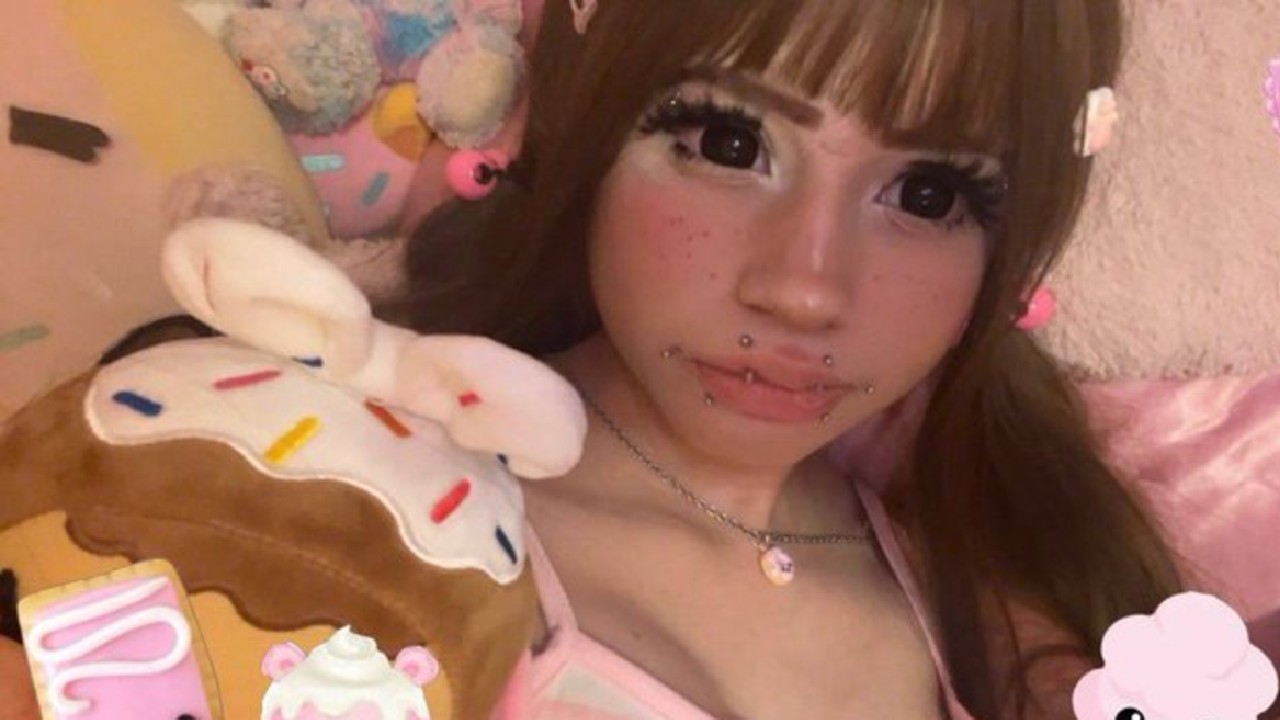
The inclusion of "Dada" and references to "Discord Kittens" has been interpreted by many as a way to delegitimize the fashion choices of alternative women by associating them with niche sexual fetishes or transactional digital relationships. This aspect of the meme suggests a deeper "incel" influence, where female subcultures are mocked and reduced to stereotypes of instability or attention-seeking behavior. The crossover with the "Dream Girl Wallahi" meme further complicates this, as it oscillates between genuine admiration of the aesthetic and ironic, derogatory humor.
Subcultural Pushback and the Defense of Authenticity
As the Misery Girl meme moved from a niche joke to a viral sensation, a counter-movement emerged within the TikTok and X communities. By August 20, 2026, the "defense" phase of the meme cycle was in full swing. Users began posting content that criticized the creators of Misery Girl memes for being "inauthentic" and for bullying individuals based on their appearance.
A notable example occurred on August 20, when TikToker @hotuniv posted a video featuring an original drawing of a Misery Girl. The creator defended the aesthetic, stating, "She’s kind of cute and pretty to me, it’s just a makeup style." This video gained 400,000 views in 24 hours, signaling a shift in the narrative toward body positivity and the normalization of alternative fashion.
Other users, such as @i_wanna.die01 and @missingeidos, took a more direct approach, calling out the harassment faced by women who happen to look like the "Misery Girl" archetype. These creators argued that the meme was being used as a tool for "incels" on Twitter and Reddit to harass women who did not conform to traditional beauty standards. The critique often focused on the idea that these women "didn’t do anything to you," highlighting the unprovoked nature of the trend’s mockery.
Furthermore, some members of the "old school" alternative community used the trend to criticize "trend hoppers." TikToker @ilovetealgreen expressed relief that being alternative was "considered weird again," suggesting that the Misery Girl meme was a natural byproduct of the subculture’s mainstreaming and subsequent rejection by the general public.
Broader Implications and Sociological Analysis
The Misery Girl meme is a salient example of how digital subcultures are formed, commodified, and eventually ridiculed in the age of algorithmic virality. Sociologically, the trend reflects the ongoing tension between "e-girl" culture and traditional "goth/emo" identities. By labeling a specific look as a "Misery Girl," the internet creates a box that simplifies complex individual identities into a digestible, and often mockable, package.
The use of AI-edited videos and specific musical cues (like the Pupsies track) demonstrates the "multi-media" nature of modern memes. It is no longer enough to have an image; a meme now requires a soundtrack, a specific vernacular ("Dada," "Wallahi"), and a set of behavioral expectations.
Moreover, the trend highlights the "parasocial" risks faced by internet personalities like @himonkeyhamie. Without her consent, her image became the face of a movement that many find derogatory. This raises questions about digital privacy and the ethics of using real people as templates for fictionalized, often negative, archetypes.
Conclusion
As of late August 2026, the Misery Girl meme remains a dominant force in digital discourse, though it has entered a phase of heavy deconstruction. What began as a series of videos mocking an aesthetic has transformed into a battleground over the boundaries of internet humor, the ethics of subcultural representation, and the influence of "incel" rhetoric on mainstream platforms. Whether the term "Misery Girl" will persist as a lasting descriptor for alternative fashion or fade away as a fleeting August trend remains to be seen. However, the dialogue it has sparked regarding the infantilization of women and the policing of subcultural "authenticity" reflects the deep-seated cultural anxieties of the 2020s. For now, the "Misery Girl" stands as a complex symbol of the internet’s power to both create and destroy identity through the lens of a single viral song and a specific style of eyeliner.

