
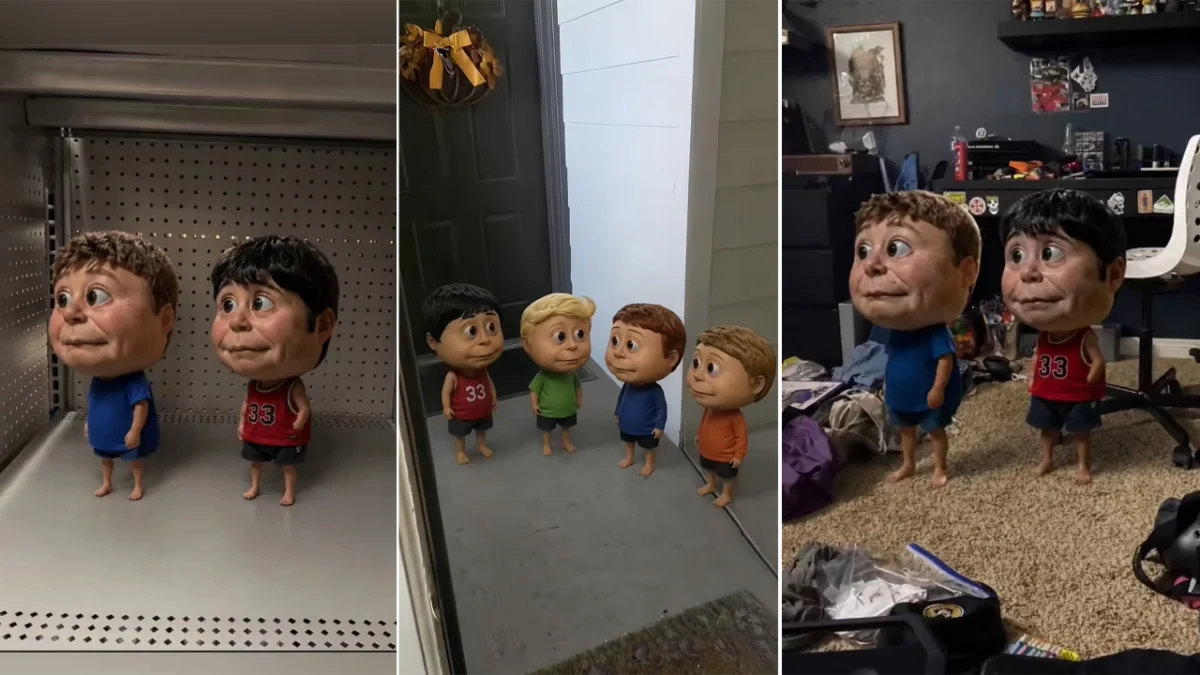
Realistic Brewstew, a digital phenomenon also referred to as Brewstew IRL, has emerged as a significant milestone in the intersection of artificial intelligence and internet subculture, specifically within the "brainrot" meme ecosystem. This trend involves the utilization of sophisticated AI-image generation tools to transform the crude, two-dimensional characters of the popular YouTube animation channel Brewstew Films into hyper-realistic, three-dimensional entities. Characterized by a jarring anatomical disproportion—specifically oversized heads situated atop diminutive bodies—these images have proliferated across TikTok, X (formerly Twitter), and Reddit, sparking a broader conversation regarding the uncanny valley, the democratization of AI art, and the evolving relationship between content creators and their audiences.
Historical Context: The Legacy of Brewstew Films
To understand the impact of the "Realistic Brewstew" trend, one must first examine the source material. Brewstew Films, established in February 2013 by a creator known primarily as Tyler, has garnered a massive following through a unique brand of adult comedy and autobiographical storytelling. The channel’s aesthetic is intentionally primitive, featuring stick-figure-adjacent characters with large, circular heads and minimalist facial features. This visual simplicity serves as a backdrop for complex, often nostalgia-driven narratives about growing up in the late 20th and early 21st centuries.
Over the course of thirteen years, Brewstew Films has built a library of content that resonates with millions, centered on recurring characters such as Tyler, Michael, and various family members and childhood friends. The contrast between the channel’s crude animation style and the high-fidelity AI-generated versions is the primary driver of the current meme’s viral success. By taking a character designed to be a caricature and rendering it with realistic skin textures, hair, and clothing, creators tap into a specific form of digital surrealism that has come to define mid-2020s internet humor.
Chronology of the Realistic Brewstew Phenomenon
The "Realistic Brewstew" trend did not emerge in a vacuum but followed a distinct timeline of escalation beginning in late July 2026. While AI-generated fan art is common, the specific "hyper-realistic" iteration of Tyler’s characters followed a trajectory that moved rapidly from niche communities to mainstream social media visibility.
The Initial Spark: July 26, 2026
The trend’s origin is traced to the TikTok platform. On July 26, 2026, an account operating under the handle @auggie9004 uploaded a video featuring two hyper-realistic interpretations of Brewstew characters. These figures were edited into various real-world environments, accompanied by the song "Life Goes On" by Oliver Tree—a track frequently associated with surreal or absurdist meme content. Within 96 hours, the video surpassed 170,000 views and 23,000 likes, signaling a high level of engagement with the aesthetic.
Cross-Platform Migration: July 26 – July 28, 2026
Later the same day, the imagery transitioned to Reddit. A user in the /r/Brewstew subreddit shared a post titled "realistic tyler and michael," which gained immediate traction before being removed by moderators for reasons likely pertaining to subreddit-specific guidelines regarding low-effort or AI-generated content. However, the removal did not stifle the trend; instead, the image was migrated to X by user @CobsonsTopGuy_7. This post served as a catalyst for the Twitter community, amassing over 88,200 views and 7,000 likes in four days.
By July 28, the trend had diversified. Users began creating their own versions using AI prompts, focusing on specific iconic thumbnails from the Brewstew Films catalog. Notable examples included the "Riding Bikes," "Mini Scooters," and "First Fight" videos. User @slav4335 on X posted a compilation of these images, describing them as "fugly," a colloquialism that captured the community’s mix of repulsion and fascination.
Technical Proliferation: July 29, 2026
As the demand for these images grew, the trend shifted toward "how-to" content. On July 29, 2026, TikToker @rachelodonnell65 published a tutorial detailing the process of generating these specific AI characters. This lowered the barrier to entry, allowing users without technical expertise in prompt engineering to contribute to the growing library of "Realistic Brewstew" content. This phase marked the transition from a single viral image to a sustainable content trend.
Aesthetic and Psychological Analysis: The Uncanny Valley
The appeal of Realistic Brewstew lies in its mastery of the "uncanny valley"—a psychological concept where a humanoid object appearing almost, but not exactly, like a real human elicits feelings of eeriness or revulsion. By maintaining the cartoonish proportions of the original Brewstew characters (the "bobblehead" effect) while applying high-resolution textures—such as pores, realistic eyes, and denim fabric—the images create a cognitive dissonance.
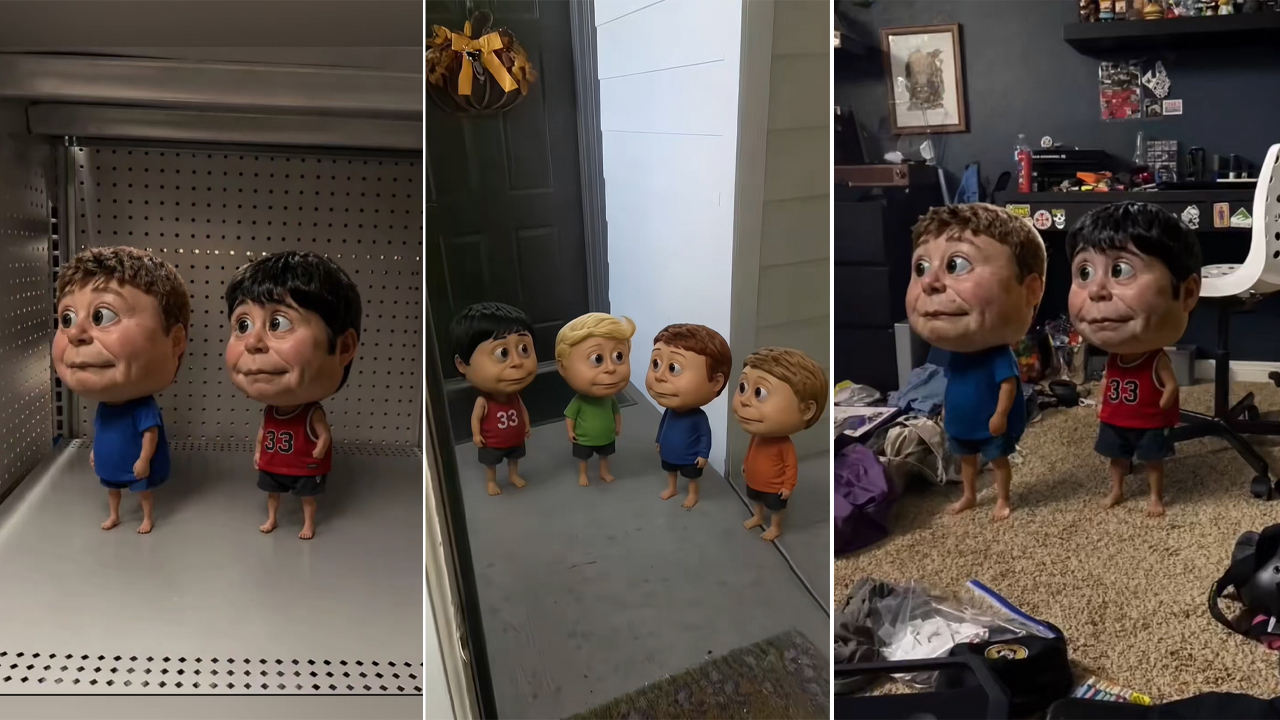
In the context of "brainrot" culture—a term used by Gen Z and Gen Alpha to describe nonsensical, high-stimulation, and often absurd digital content—this dissonance is the desired outcome. The Realistic Brewstew memes function as a form of visual "shitposting," where the humor is derived from the sheer absurdity of the characters’ existence in a "real" space. It represents a move away from traditional fan art, which usually seeks to honor the original style, toward a transformative parody that utilizes technology to subvert the creator’s intent.
Official Response: Brewstew Films Weighs In
The rapid growth of the trend inevitably reached Tyler, the creator of Brewstew Films. His response provided an additional layer of engagement for the community, as fans often look for creator validation or reaction to viral memes.
On July 27, 2026, Tyler responded to a post on X featuring the realistic Tyler and Michael characters with a terse, "Knock it off." While seemingly dismissive, the comment was widely interpreted by the community as a humorous acknowledgement of the trend’s "cursed" nature. This single response garnered over 156,000 views, demonstrating the high level of interest in the creator’s perspective.
The following day, July 28, Tyler offered a more nuanced take when tagged in a realistic version of the "Riding Bikes" thumbnail. He stated, "I don’t know if I love it or hate it." This ambivalence mirrors the general public’s reaction: a combination of admiration for the technical execution of the AI and a visceral reaction to the unsettling imagery. By engaging with the trend, Tyler inadvertently fueled its longevity, as creators sought further reactions through increasingly bizarre AI renders.
Broader Implications for Digital Content and AI Art
The Realistic Brewstew trend serves as a case study for several emerging issues in the digital landscape:
1. The Democratization of Parody
Previously, creating a high-quality 3D render of a 2D character required significant skill in modeling and texturing software like Blender or Maya. AI tools have democratized this process, allowing fans to generate complex visual parodies in seconds. This has led to a surge in "realistic" versions of various animated properties, from The Simpsons to Family Guy, though Brewstew’s unique proportions make its version particularly striking.
2. Intellectual Property and "Fan-AI"
The trend raises questions about the boundaries of intellectual property. While the AI is generating new images, they are clearly based on Tyler’s original character designs. In the current legal climate, these fall under fair use as transformative parodies, but the ease with which AI can replicate a creator’s "brand" in a new medium is a point of contention for many artists.
3. The Lifecycle of a "Brainrot" Meme
The term "brainrot" suggests a short-lived, high-intensity interest. However, the Realistic Brewstew trend has shown more staying power than typical brainrot memes due to its connection to a long-standing YouTube community. It bridges the gap between the newer, AI-focused "Gen Alpha" humor and the "Millennial/Gen Z" nostalgia associated with Brewstew’s storytelling.
Conclusion
The Realistic Brewstew AI trend is more than a fleeting internet joke; it is a manifestation of how modern technology can breathe new—and often unsettling—life into established digital intellectual properties. Through a combination of AI-driven creativity, cross-platform virality, and direct creator engagement, the trend has solidified its place in the annals of 2026 internet culture. As AI tools become more sophisticated, the line between the animated and the realistic will continue to blur, likely leading to more "IRL" iterations of beloved digital characters. For now, Realistic Brewstew remains a pinnacle of the "uncanny" aesthetic, a digital artifact that is as technically impressive as it is psychologically disturbing.

