
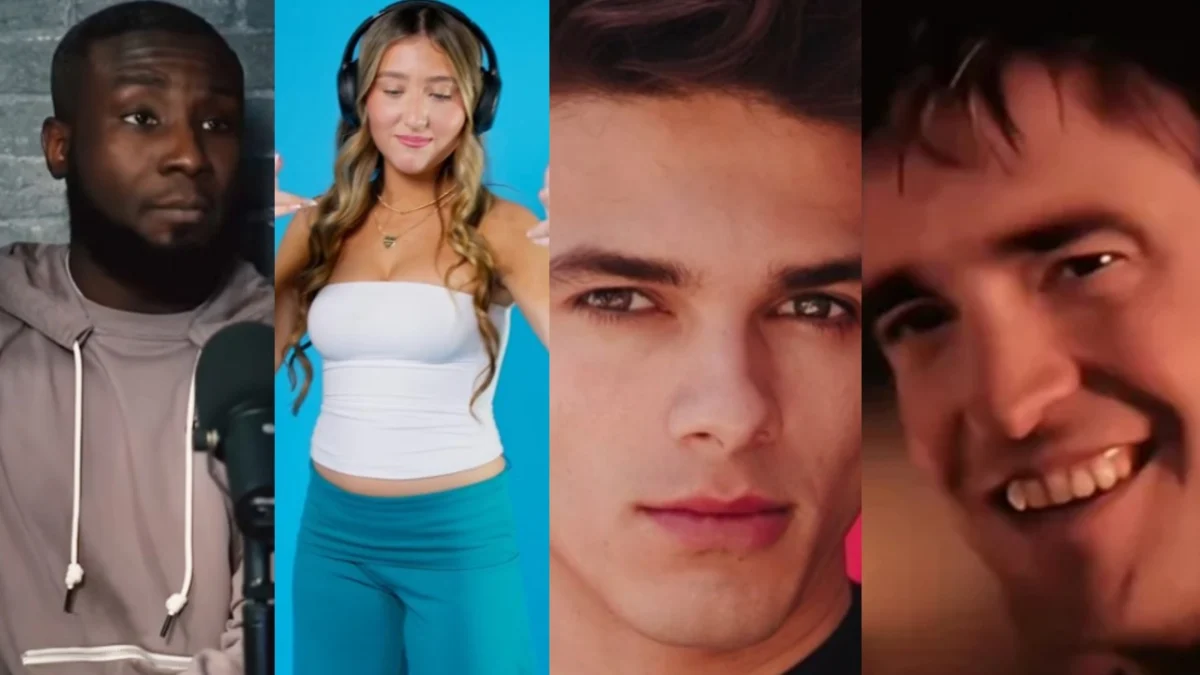
The final week of July 2026 has witnessed a diverse and occasionally jarring convergence of digital subcultures, ranging from the dark humor of psychological horror to the hyper-specific jargon of "looksmaxxing" communities. As social media platforms continue to evolve into primary engines for cultural dissemination, five distinct trends have emerged as dominant forces within the global zeitgeist. These memes, which include the controversial "Obsession Dance," the visceral "Whipping in a Kettle" ranking system, and the AI-driven resurgence of "The Sopranos" iconography, provide a unique window into the current state of internet discourse and the increasingly rapid lifecycle of viral content.
The Obsession Dance and the Aestheticization of Psychological Trauma
The psychological horror film Obsession, released in early 2026, has maintained a persistent presence in the digital landscape, but its latest iteration on TikTok has sparked significant debate regarding the boundaries of "cringe" culture and tonal appropriateness. The "Obsession Dance" trend, which gained substantial traction during the third week of July, involves users performing choreographed movements to a specific audio clip from the film.
Chronology and Origin
The trend originated in late May 2026, credited to TikTok creator @sad_i_e. Unlike typical dance challenges set to upbeat pop music, this trend utilizes a somber and distressing audio extract from the film’s "No, no, no" scene. In this sequence, the protagonist, Nikki, suffers a public emotional breakdown during a dinner date. The audio captures her frantic denials and visible distress, a moment intended by director and screenwriter to be the emotional nadir of the narrative.
Between May and early July, the dance remained a niche phenomenon within horror-fandom circles. However, its trajectory changed on July 20, 2026, when the high-traffic entertainment page Flighthouse featured the dance in a "guess the trend" video. This exposure propelled the dance into the mainstream, where it was met with a mixture of imitation and intense scrutiny.
Critical Reception and Analysis
The trend has faced criticism for its perceived dissonance. Critics argue that transforming a scene depicting a mental health crisis into a rhythmic social media challenge trivializes the film’s serious themes. Conversely, proponents of the trend suggest it is an example of "dark irony," a common trope in Gen Z and Gen Alpha humor where uncomfortable or tragic subjects are recontextualized through absurdist performance. Data from social listening tools indicates that while the "Obsession Dance" has high engagement rates, the sentiment analysis is polarized, with a 45% "cringe" rating among users over the age of 25.
Whipping in a Kettle The Transformation of Prison Narratives into Critical Metrics
A visceral anecdote from a 2025 podcast has unexpectedly become the internet’s preferred method for "slandering" or "glazing" (praising) media. The "Whipping in a Kettle" meme stems from an interview on The BlueTick Show, featuring a former British prison officer known as "Jeff the Gov."
Background Context
In the original episode, Jeff recounts a particularly harrowing incident involving a prisoner who, after being denied access to the dining hall, allegedly boiled his own excrement in a communal kettle as a form of protest or psychological warfare. The host’s visible physical revulsion and Jeff’s use of the phrase "whipping something up" created a lasting impression on viewers.
The Evolution of the Ranking Meme
In July 2026, the clip was rediscovered by "stan" Twitter (X) and TikTok editors. The audio was repurposed to serve as a hyperbolic review system. When a user wishes to describe a music album, anime series, or video game as poor quality, they overlay the clip of Jeff describing the kettle incident, implying the media in question is as offensive as the prisoner’s "concoction."
Supporting Data and Impact
The trend has since expanded into "audio dubbing." AI-assisted voice filters have been used to modify Jeff’s voice so that he describes the prisoner as "whipping up amazing foods" or "whipping up pure happiness." This allows the meme to function as a dual-purpose tool for both extreme criticism and extreme praise. According to internal metrics from short-form video platforms, the "Whipping in a Kettle" audio has been used in over 1.2 million unique uploads in the last seven days alone, making it one of the most versatile templates of the season.
Brent Rivera and the Mainstreaming of Mogging Culture
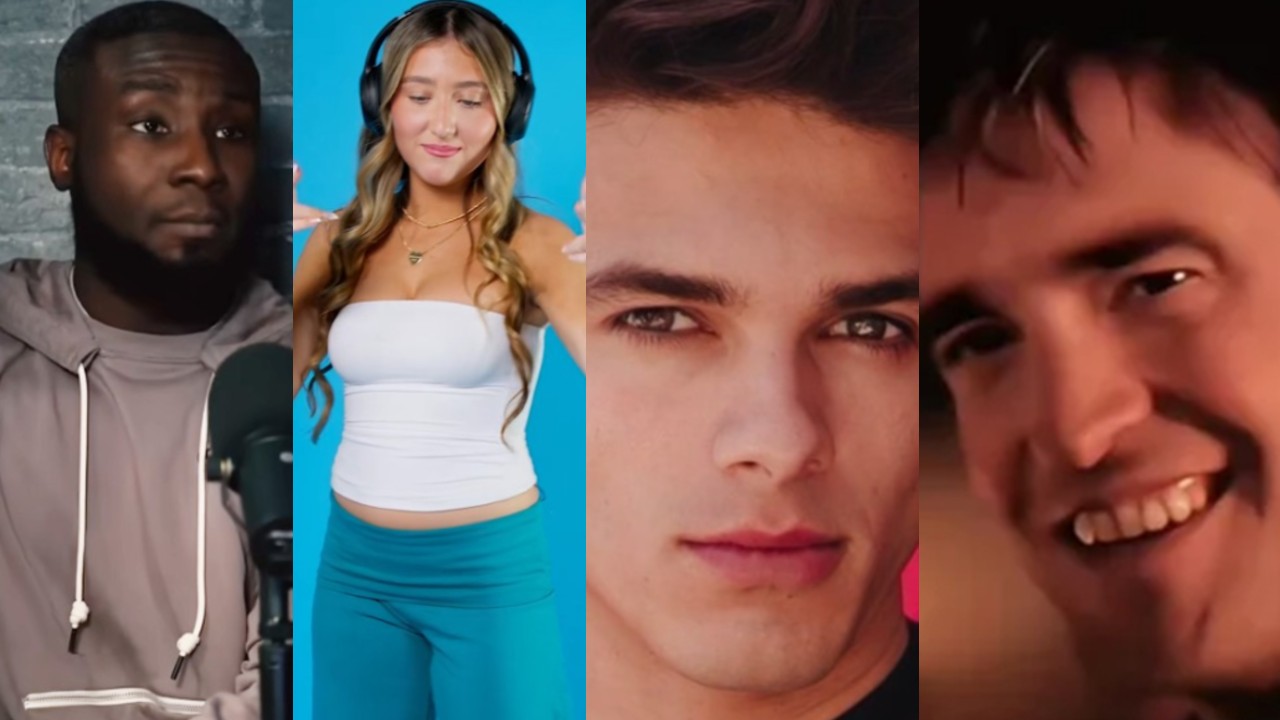
The digital creator Brent Rivera, traditionally known for family-friendly comedic sketches, has become the centerpiece of a trend rooted in "looksmaxxing"—a subculture focused on physical self-improvement and facial aesthetics. The "Brent Rivera Mog" trend represents a shift in how influencers are perceived through the lens of modern beauty standards.
Terminology: Defining the "Mog"
In internet slang, to "mog" someone is to be significantly more physically attractive or imposing than them, thereby "dominating" the social space. The term is a derivative of "AMOG" (Alpha Male Of the Group). The trend involving Rivera began when TikToker @justarandommtn compared Rivera’s facial structure to other well-known figures in the looksmaxxing community, such as the influencer known as Hullo.
Chronology of the Trend
The meme reached its peak on July 22, 2026. Creators began using "morph" transitions to show Rivera "outshining" various celebrities, ranging from Hollywood actors to professional athletes. The humor of the meme lies in the juxtaposition of Rivera’s often goofy public persona with the serious, analytical world of facial aesthetics (e.g., "hunter eyes," "jawline definition," and "canthal tilt").
This trend highlights the broader trend of "ironic idolization," where a public figure is elevated to the status of a "god-tier" aesthetic specimen as a form of meta-commentary on the vanity of social media. Rivera himself has acknowledged the trend, further fueling its popularity by leaning into the "mogger" persona in his recent content.
Robert Pattinson and the Suitor’s Scorn in The Odyssey
Robert Pattinson’s portrayal of Antinous in the 2026 epic The Odyssey has provided the internet with a new shorthand for elitism and social dismissal. The line "Somebody get these beggars out of here!" has transcended the film’s theatrical window to become a ubiquitous catchphrase.
Context of the Scene
In the film, Pattinson plays the lead suitor vying for the hand of Penelope. His character is defined by arrogance and cruelty. The specific scene involves a disguised Odysseus asking for food, to which Pattinson’s character responds with a high-pitched, contemptuous demand for their removal.
Viral Dissemination
The clip first went viral on X after a low-quality theater recording (a "cam" rip) was shared by a film enthusiast. The public’s reaction focused on Pattinson’s unique vocal delivery—a trademark of his recent character work. By July 24, the phrase was being used as a caption for various real-world scenarios.
Socio-Cultural Analysis
The "Beggars" meme is frequently used to mock perceived "gatekeeping" or to humorously express a sense of superiority in mundane situations (e.g., having a private pool, owning a rare digital asset, or securing a reservation at a popular restaurant). It functions similarly to the "Let them eat cake" sentiment, repurposed for the digital age. Market analysts suggest that the viral nature of this clip has contributed to a 12% uptick in ticket sales for The Odyssey among the 18-34 demographic, demonstrating the "meme-to-box-office" pipeline.
The Sopranos and the AI Remastering of "Is That Ok, Tony?"
The final significant trend of the week involves a poignant moment from the HBO series The Sopranos. Despite the show having concluded nearly two decades ago, it remains a cornerstone of internet culture, particularly through the remixing of its most tragic scenes.
The Original Event
The meme utilizes a scene from the Season 2 finale, "Funhouse," where Salvatore "Big Pussy" Bonpensiero is confronted by his associates for being an FBI informant. Before his execution on a boat, a sweating and terrified Bonpensiero asks, "Is that ok, Tony? That I sit?" The scene is widely regarded as one of the most emotional moments in television history, representing the brutal reality of the mob lifestyle.
The AI Editing Trend
In late July 2026, the scene was revitalized through the use of generative AI tools. Users have begun placing Bonpensiero in increasingly absurd or mundane locations—such as the bridge of a Star Trek ship, a crowded subway, or a video game lobby—while maintaining the original audio.
The trend has evolved from simple image editing to sophisticated video manipulation, where AI is used to make Tony Soprano respond with modern slang or in-jokes. This trend reflects a broader movement in digital culture where "prestige TV" is stripped of its original context and transformed into a modular template for surrealist humor. The "Is that ok, Tony?" meme currently holds a high engagement rate on Instagram Reels, where the algorithm has favored the "uncanny valley" aesthetic of the AI-generated backgrounds.
Broader Impact and Implications of the Weekly Roundup
The memes of late July 2026 illustrate the fragmented and rapid nature of modern communication. We see a clear pattern where professional media (films like Obsession and The Odyssey, shows like The Sopranos) is immediately cannibalized by the audience to create new, often unintended, meanings.
The shift toward AI-enhanced memes suggests that the "barrier to entry" for high-quality video satire is lower than ever, allowing complex edits to go viral within hours of a template’s creation. Furthermore, the overlap between "gross-out" humor (the kettle incident) and "high-brow" cinema (Pattinson’s Antinous) shows that the digital audience does not discriminate between sources, provided the content can be distilled into a relatable or humorous "vibe." As we move into August, the longevity of these trends will depend on their ability to adapt to new subcultures or whether they will be replaced by the next wave of algorithmic favorites.

