
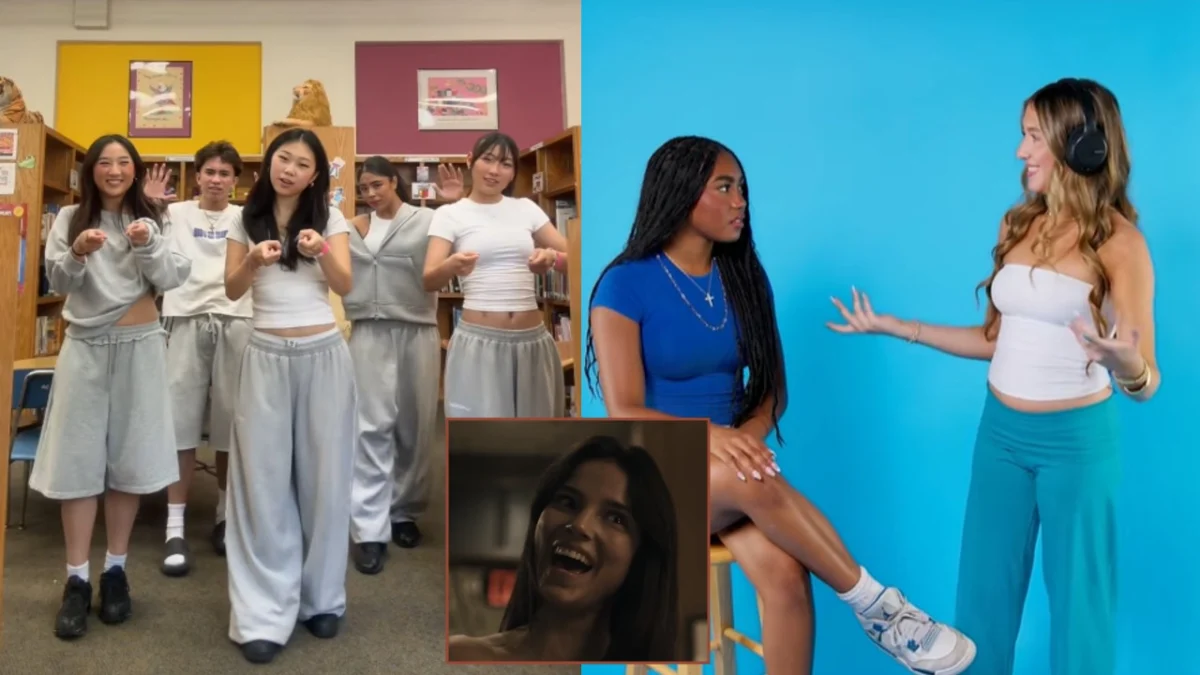
The digital landscape of mid-2026 has been significantly shaped by the intersection of cinema and social media, a phenomenon most recently exemplified by the meteoric rise and subsequent scrutiny of the "Obsession Dance" on TikTok. What began as a synchronized choreography challenge in late May has transformed into a polarized cultural debate regarding the boundaries of artistic interpretation and the perceived trivialization of sensitive cinematic themes. The trend, which utilizes an emotionally charged audio clip from the 2026 psychological horror film Obsession, has garnered hundreds of millions of views while simultaneously drawing sharp criticism from film enthusiasts and mental health advocates who argue the dance is tonally dissonant with the movie’s harrowing subject matter.
The Genesis of a Viral Phenomenon
The "Obsession Dance" first appeared on TikTok on May 28, 2026, when a creator known as @sad_i_e posted a choreographed routine to a specific audio snippet from the Universal Pictures film Obsession. The film, which premiered earlier that year, is a stark exploration of toxic relationships, stalking, and psychological unraveling. The audio chosen for the trend features a pivotal scene set in a crowded restaurant where the protagonist, Nikki, suffers a public breakdown. In the clip, Nikki’s voice oscillates between desperation and hysteria as she yells at her partner, Bear: "No… no… no… DON’T DO THAT! I thought we were having a nice date! You’re ruining it!"
Unlike the source material’s atmosphere of dread and emotional volatility, the dance created by @sad_i_e is characterized by high-energy, rhythmic movements, including sharp hand gestures and upbeat footwork. This stark juxtaposition—high-tempo pop-style choreography set to the sounds of a domestic crisis—initially served as the primary hook for the trend. Within forty-eight hours of the original post, the video had surpassed five million views, and the "Obsession Dance" was officially born.
Chronology of the Trend: From Adoption to Backlash
The trajectory of the Obsession Dance followed a classic viral pattern before hitting a wall of public discourse in July 2026.
Phase 1: Rapid Proliferation (Late May – Mid-June 2026)
Following @sad_i_e’s original post, the dance was quickly adopted by high-profile TikTok influencers. Creators like @lina.sunmee and @kelsiidaviess were among the first to participate, often performing the routine in groups. During this period, the trend was largely viewed as a standard "dance challenge," similar to those seen for films like M3GAN or Wednesday in previous years. The hashtag #ObsessionDance saw an average daily growth rate of 150%, according to social media analytics.
Phase 2: Mainstream Saturation (Late June 2026)
By late June, the dance had transcended the horror film community and entered the broader TikTok zeitgeist. Professional dance studios and corporate social media accounts began posting their versions of the routine. At this stage, the audio’s origin was becoming secondary to the choreography itself, with many younger users participating in the trend without having seen the film or understanding the context of Nikki’s dialogue.
Phase 3: The Catalyst for Criticism (July 2026)
The shift in public sentiment began in early July, largely triggered by a video posted by the prominent media account Flighthouse. In the video, a popular creator performed the Obsession Dance as part of a "guess the trend" segment. The casual nature of the video, paired with the upbeat execution of a scene depicting a mental health crisis, prompted a wave of "stitch" and "duet" videos from users expressing discomfort. Critics began pointing out that the scene in Obsession isn’t just a "nice date" gone wrong; it is the climax of a film dealing with coercive control and trauma.
Supporting Data and Engagement Metrics
As of late July 2026, the data surrounding the Obsession Dance illustrates the sheer scale of the trend.
- Total Video Creations: Over 850,000 unique videos have been posted using the "Universal Pictures – Obsession" official audio.
- Hashtag Reach: #ObsessionDance has accumulated 2.4 billion views, while #ObsessionMovie has seen a 400% increase in traffic directly correlated with the dance trend.
- Demographic Split: Analytics suggest that 68% of participants are between the ages of 13 and 24, a demographic that may be more inclined to engage with "memetic" content regardless of the source material’s gravity.
- Sentiment Shift: While initial comments were 90% positive or neutral, July data shows that nearly 35% of top-liked comments on new Obsession Dance videos now express some form of criticism or "cringe" regarding the trend’s appropriateness.
The Core of the Controversy: Context vs. Content
The primary criticism of the Obsession Dance lies in the perceived erasure of the film’s narrative intent. Obsession is not a lighthearted thriller; it is a film that has been praised by critics for its "unflinching look at the mechanics of emotional abuse." The restaurant scene, in particular, is a moment where the character Nikki feels her reality slipping away as Bear gaslights her in public.
Opponents of the trend argue that turning this specific moment into a "fun" dance trivializes the experiences of those who have faced similar domestic situations. "There is a fundamental disconnect when you see a group of teenagers smiling and doing a synchronized shuffle to the sound of a woman pleading for her emotional safety," noted digital culture analyst Dr. Aris Thorne. "It speaks to a broader trend of ‘context collapse’ on social media, where the aesthetic of a soundbite outweighs its meaning."
Conversely, defenders of the dance argue that TikTok is a platform built on subverting and remixing media. They suggest that the dance is an homage to the film’s popularity and that the "uncomfortable" nature of the audio is exactly what makes the trend memorable. Some creators have even argued that the dance brings more attention to the film, potentially leading more people to engage with its important themes.
Responses from Related Parties
Universal Pictures, the studio behind Obsession, has maintained a neutral but observant stance. While the studio’s official TikTok account has interacted with some of the more "cinematic" fan edits of the film, it has notably refrained from officially endorsing or reposting the dance challenge. Industry insiders suggest this is a strategic move to avoid alienating the film’s director, who is known for his serious approach to horror, while still reaping the benefits of the free marketing provided by the viral trend.
Several actors from the film have been asked about the trend during press junkets. While most have offered diplomatic responses—acknowledging the "creativity" of the TikTok community—some have hinted at the strangeness of the phenomenon. In a recent interview, an actor associated with the production remarked, "It’s certainly a unique way to process the trauma of the characters. I don’t think we expected people to find a four-on-the-floor beat in Nikki’s breakdown."
Broader Impact and Implications for Digital Culture
The controversy surrounding the Obsession Dance is indicative of a larger tension in the age of algorithmic content. As films and television shows increasingly rely on "viral moments" for marketing success, the line between artistic expression and social media fodder becomes blurred.
The "Obsession Dance" follows in the footsteps of previous trends where dark or violent content was sanitized for social media consumption. However, the intensity of the backlash in this instance suggests a growing "viewer fatigue" regarding the aestheticization of trauma. This event may signal a shift in how studios approach social media marketing, perhaps leaning toward more curated "official" challenges to prevent the narrative of a film from being overshadowed by controversial fan-made trends.
Furthermore, the "cringe" factor cited by many users in July 2026 highlights a maturing audience on TikTok. As the platform’s user base grows older, there is an increasing demand for "tonal literacy"—an understanding that not every soundbite is appropriate for a dance routine. Whether the Obsession Dance will fade away as a summer fad or leave a lasting mark on how we consume horror media remains to be seen. For now, it stands as a case study in the power and the pitfalls of the digital zeitgeist, where a "nice date" can become a global debate in the span of a few seconds of choreography.

