
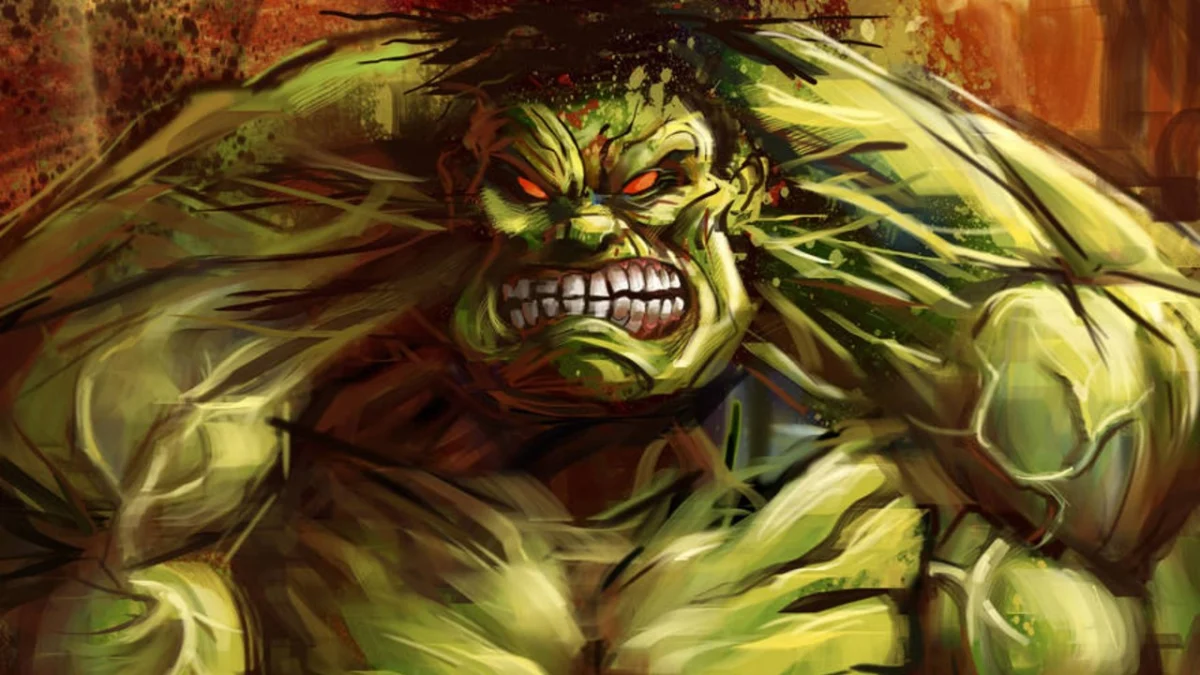
The digital landscape is frequently defined by the rapid transformation of static media into dynamic tools for social communication. Among the most recent and prominent examples of this phenomenon is the "Hulk Angry" or "Angry Hulk" meme, a reaction image that has transitioned from a niche piece of fan art to a cornerstone of online expressive culture. Centered on a hyper-stylized depiction of the Marvel Comics character The Incredible Hulk, the image captures a moment of peak physical exertion and raw emotion, characterized by bulging veins, red eyes, and a visceral grimace. While the artwork dates back over a decade, its resurgence as a low-resolution image macro in the mid-2020s highlights the cyclical nature of internet trends and the specific visual language that resonates within gaming and anime subcultures.
Origins and the Artistic Genesis of Always Angry
The visual foundation of the meme was laid on July 28, 2012, when the digital artist known as Grimbro uploaded a piece titled "Always Angry" to the portfolio site DeviantArt. The title itself serves as a direct homage to the 2012 film The Avengers, specifically the iconic line spoken by Bruce Banner: "That’s my secret, Cap: I’m always angry." Grimbro’s rendition of the character sought to capture the "Worldbreaker" or "Savage" iterations of the Hulk found in the comic books, emphasizing a level of intensity that exceeded mainstream cinematic portrayals.
For over a decade, the image remained a respected piece of fan-generated content within the Marvel community, accumulating nearly 9,000 views on DeviantArt. However, its transition from art to meme required a shift in context—a move from the high-fidelity appreciation of the artist’s skill to the utilitarian, often absurdist application of the image to convey human frustration.
The 2023 Pivot: From High-Res Art to Low-Res Macro
The metamorphosis of "Always Angry" into a viral meme began in earnest on April 17, 2023. An Instagram user operating under the handle @grandmas.booty.cheeks posted a significantly degraded, low-resolution version of the image. The post was accompanied by the caption: "THIS SHIT LACED IM TWEAKKINN AAAAHHHHHH."
This specific iteration utilized "laced" and "tweaking"—slang terms associated with the unintended ingestion of substances—to create a surreal and hyperbolic joke about losing control. The choice of a low-quality, "deep-fried" visual aesthetic was intentional, aligning with modern meme trends where visual degradation signifies authenticity, urgency, or a chaotic mental state. This post served as the catalyst, generating over 6,600 likes and establishing the image as a shorthand for extreme physical or psychological distress.
Chronology of Global Proliferation
Following the initial 2023 spark, the image’s usage patterns underwent a period of steady growth before exploding into the mainstream in early 2026. The timeline of this spread illustrates how different digital communities adopt and adapt visual assets to suit their specific internal narratives.
Early 2026: The Anime and Gaming Integration
By March 2026, the "Angry Hulk" image had moved beyond its original "laced" context to become a versatile reaction image. On March 9, 2026, the X (formerly Twitter) user @operaling applied the meme to the Uma Musume: Pretty Derby fandom. The caption referenced Haru Urara, a character known for her upbeat personality and historical losing streak, imagining her exploding in rage when told not to enter a specific race. This usage demonstrated the meme’s "cross-over" appeal, where the hyper-masculine, aggressive Hulk was used to represent the internal feelings of a vastly different character archetype.
Mid-March 2026: The Marvel Rivals Connection
A significant spike in the meme’s relevance occurred within the competitive gaming community, particularly among players of Marvel Rivals. On March 13, 2026, user @imsharkingit posted the image alongside a screenshot of their ranking progress, complaining about "chuds who can’t aim" causing a drop in their competitive tier.
This specific application resonated with the "Hulk Mains" community on platforms like Reddit (specifically the r/HulkMainsMR subreddit). Players used the image to protest character balance issues, such as the perceived over-abundance of cosmetic skins for characters like Invisible Woman and Jeff the Land Shark, while the Hulk character remained neglected in terms of gameplay updates.
Visual Aesthetics and the Psychology of the "Rage" Meme
The success of the "Angry Hulk" meme can be attributed to several key visual factors that align with the psychology of online communication.
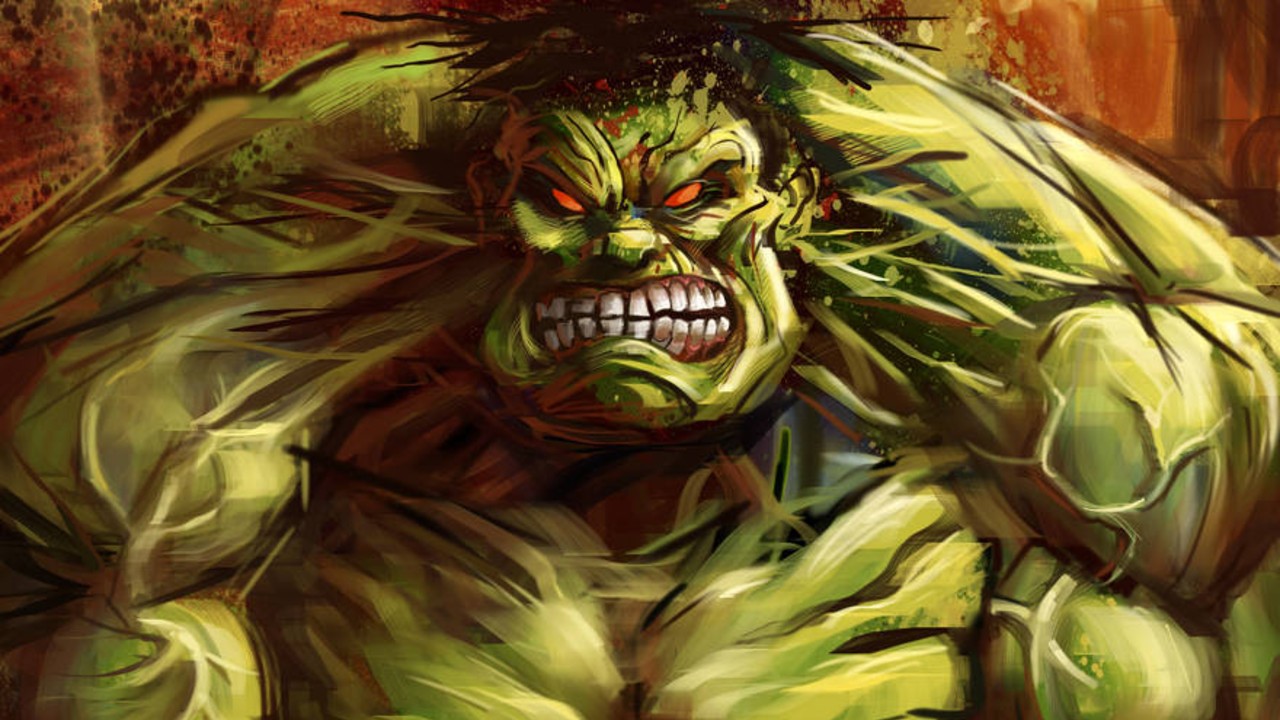
- Vascularity and Tension: The exaggerated anatomy in Grimbro’s original art—specifically the bulging neck and forehead veins—provides a clear visual metaphor for "blood boiling" or "reaching a breaking point."
- Redacted Eyes: The red eyes remove the character’s humanity, signaling a state of pure, unadulterated instinct. In a digital environment where nuances are often lost, this level of clarity in emotion is highly valued.
- Low Fidelity as a Stylistic Choice: The shift to low resolution (low-res) is a hallmark of "Gen Z" and "Gen Alpha" humor. It strips away the polished, corporate feel of Marvel’s official branding, making the image feel more like "community property" and less like a marketing asset.
From a psychological perspective, these images serve as "emotive proxies." Users deploy the Hulk not because they are literally transforming into a green giant, but because the image provides a socially acceptable, humorous outlet for the genuine frustrations of modern life—be it a losing streak in a video game or the daily grind of social interactions.
Broader Impact and Industry Implications
The trajectory of the "Angry Hulk" meme offers insights into the broader relationship between intellectual property (IP) holders, fan artists, and the general public. While Marvel Comics (subsidiary of Disney) owns the character of the Hulk, the specific artwork belongs to the artist Grimbro. The meme’s viral nature puts such artists in a complex position: while their work reaches millions, it is often detached from their name and used in ways they never intended.
Furthermore, the meme’s popularity within the Marvel Rivals community demonstrates a unique feedback loop. Game developers are increasingly forced to monitor meme trends to gauge player sentiment. When the "Angry Hulk" is used to criticize game balance or cosmetic distribution, it becomes a form of "visual feedback" that carries more weight and visibility than a standard text-based forum post.
Supporting Data and Digital Footprint
Search interest data indicates that "Hulk Angry Meme" and "Always Angry Hulk" saw a 400% increase in search volume between February and March 2026. This surge coincided with several high-profile "solo queue" complaints in the gaming world, where players used the image to signify the "tilt" (a gaming term for frustration leading to poor performance).
On TikTok, the image has been utilized in "slide-show" format videos, often set to aggressive "Phonk" music or distorted audio clips. These videos frequently reach hundreds of thousands of views, further cementing the image’s status as a symbol of "crash-out" culture—a slang term for reaching a point of total loss of composure.
Conclusion and Future Outlook
The "Angry Hulk" meme is more than a fleeting internet joke; it is a testament to the enduring power of the Hulk as a cultural archetype of repressed and released emotion. By taking a piece of 2012 fan art and re-contextualizing it for the digital frustrations of the 2020s, the internet has created a versatile tool for communication that bridges the gap between different fandoms and subcultures.
As digital communication continues to favor visual over textual information, images like the "Angry Hulk" will likely persist. They provide a universal language for the one emotion that is perhaps most prevalent in the high-stakes, high-speed world of the internet: rage. Whether used to complain about a video game rank or to mock one’s own overreaction to a minor inconvenience, the Hulk remains the ultimate avatar for the modern human condition of being "always angry."
Looking forward, the "Angry Hulk" meme is expected to undergo further iterations, potentially through AI-generated variations or integration into official social media interactions by gaming companies seeking to capitalize on "meme-centric" marketing. Regardless of its future forms, the 2012 artwork by Grimbro has secured its place in the digital hall of fame, proving that in the world of memes, some things truly are "Incredible."

