
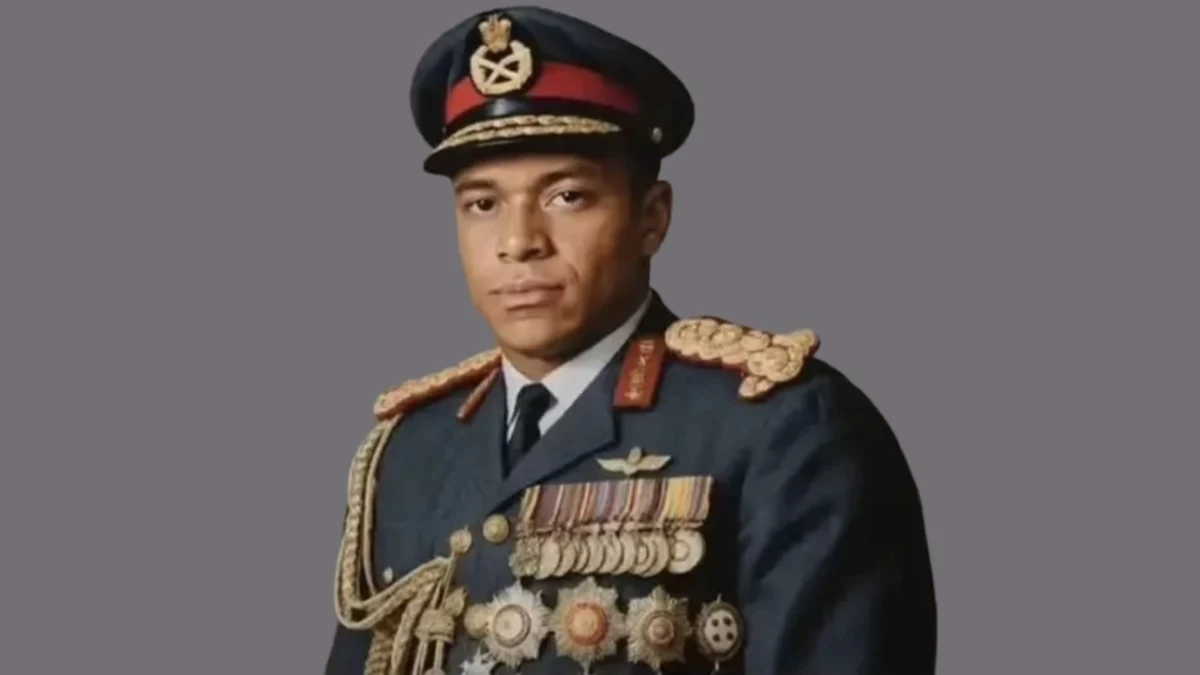
The digital phenomenon known as Dictator Mbappé, a multifaceted meme cycle centering on French football superstar Kylian Mbappé, has evolved from a localized internet joke into a significant international diplomatic and commercial crisis. What began as a satirical response to a legal dispute between an athlete and a social media influencer eventually culminated in the termination of multimillion-dollar endorsement contracts and the suspension of major sports broadcasts in the People’s Republic of China. This evolution highlights the volatile intersection of global celebrity culture, artificial intelligence-generated content, and the complexities of navigating international political sensitivities in the 21st century.
The Genesis of a Moniker: The Kebab Dispute of 2024
The origins of the "Dictator" nickname can be traced back to March 2024, involving a seemingly minor legal confrontation in France. Kylian Mbappé’s legal team issued a formal notice to Mohamed Henni, a well-known French influencer and kebab shop owner. The grievance concerned a specific menu item described as being served on "bakery bread, as round as Mbappé’s head."
Henni, outraged by the legal pressure over a culinary description, took to social media to vent his frustrations. In a viral video, Henni accused the footballer of "turning his name into a dictatorship," claiming that Mbappé was more aggressive in the courtroom than on the pitch. This specific phrasing—linking Mbappé’s brand protection strategies to authoritarian control—provided the linguistic foundation for the meme. Shortly thereafter, the first visual iterations of the meme appeared on digital forums such as Reddit. On November 17, 2024, a user on the popular "soccercirclejerk" subreddit posted a Photoshopped image of Mbappé superimposed onto the visage of former Chinese leader Mao Zedong. While initially a niche piece of internet satire, this image would later serve as the catalyst for a major international incident.
2026: From Niche Satire to Viral Phenomenon
The meme saw a massive resurgence in early 2026, driven by shifts in Mbappé’s professional career and the rapid advancement of AI-generated video tools. Following rumors surrounding the departure of manager Xabi Alonso from Real Madrid, speculation began to circulate—though largely unverified—that Mbappé had exerted undue influence over the club’s management. This narrative of a "player-king" or "shadow director" aligned perfectly with the existing "Dictator" meme.
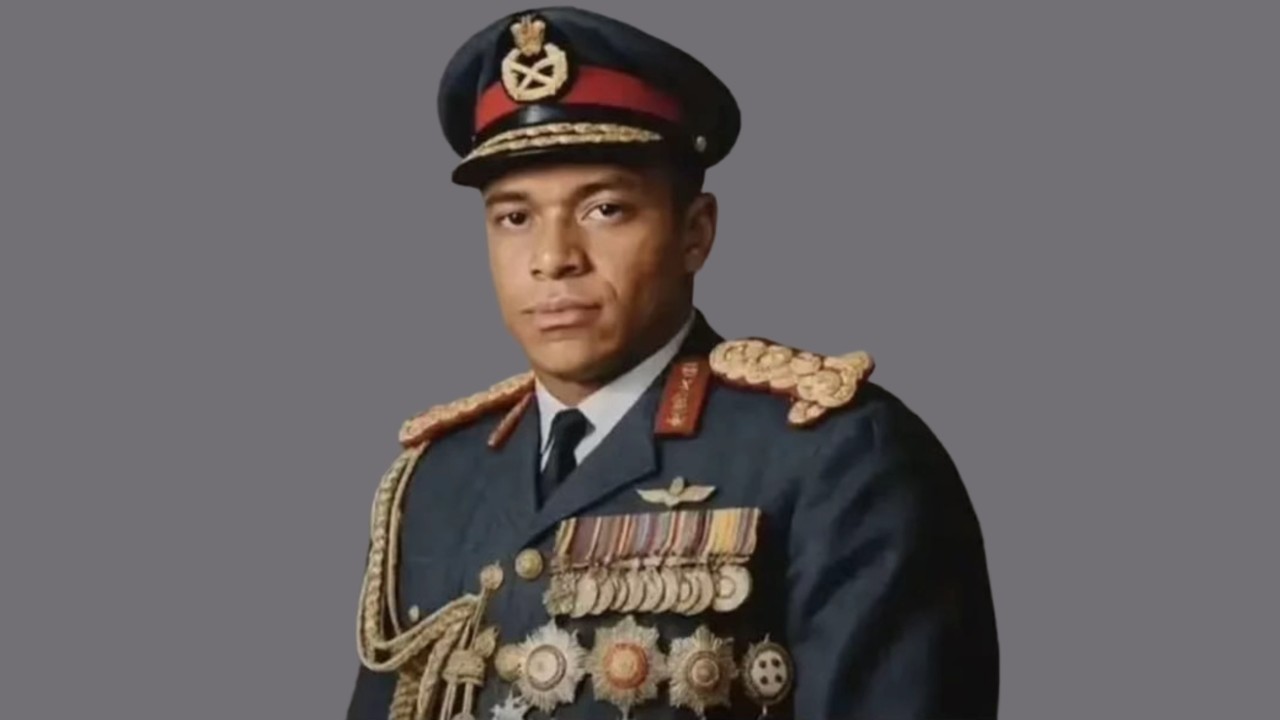
By March 2026, the trend had migrated to TikTok, where AI video editing tools allowed users to create highly stylized, cinematic "edits" of Mbappé. These videos frequently depicted him in military regalia, inspecting troops (often represented by other football players), or standing before authoritarian backdrops. One notable video posted by TikToker @life_of_marvel_shocker on March 23, 2026, garnered over 13.2 million views within a fortnight. This content characterized Mbappé as a ruthless leader who "sold" or "traded" teammates at will, further cementing the "Dictator" persona in the public consciousness.
The phenomenon reached a tipping point in April 2026 when rumors surfaced on social media platform X (formerly Twitter) suggesting that Mbappé was so distressed by the memes that he had petitioned FIFA to take legal action. The reports even suggested he might consider retiring from the sport if the trend continued. While these claims lacked official confirmation, they triggered a classic example of the Streisand Effect: the attempt to suppress information only serves to increase its visibility. The perceived sensitivity of the player led to a flood of new content, as internet users sought to test the boundaries of his influence.
The Bridge Interview and the Chinese Diplomatic Crisis
The most significant escalation occurred in late October 2026. During an appearance on the French talk show The Bridge, Mbappé was asked about his relationship with internet culture and which memes he found most humorous. In a candid moment that would prove catastrophic for his commercial interests in Asia, Mbappé referenced the dictator edits. Specifically, he stated that a video depicting him as a "Chinese dictator" was among the funniest he had seen.
While the comment was likely intended as a lighthearted acknowledgement of the internet’s creativity, it failed to account for the political reality of the People’s Republic of China. The "Chinese dictator" in question was Mao Zedong, the founding father of the PRC. In China, Mao remains a figure of immense historical and political gravity, protected by strict cultural norms and "heroic figure" protection laws.
The reaction from Chinese social media was instantaneous and overwhelmingly negative. On platforms such as Weibo and Douyin, users accused Mbappé of "insulting China" and showing a lack of respect for the nation’s history. The backlash was not limited to individual netizens; it quickly moved into the corporate and state sectors.
Commercial Fallout and State Sanctions
The economic consequences of the The Bridge interview were severe. Within 48 hours of the comments circulating on Chinese social media, several major domestic brands announced they were severing ties with the French athlete.
- Mengniu Dairy: One of China’s largest dairy producers and a frequent sponsor of global football events, Mengniu terminated its endorsement partnership with Mbappé, citing a violation of the "respect" expected from brand ambassadors.
- Dongpeng Beverage: The energy drink giant followed suit, removing all promotional materials featuring the player.
- CCTV and Media Blackouts: Reports emerged from Chinese media outlets indicating that the state broadcaster, CCTV, would cease airing any content featuring Mbappé. More drastically, the broadcaster reportedly threatened to stop showing Spanish La Liga matches entirely, a move that placed immense pressure on the league and Real Madrid.
The state-backed Global Times published an editorial reflecting the official stance, stating that respect for Chinese consumers and history is "not optional." The editorial emphasized that international celebrities cannot expect to profit from the Chinese market while simultaneously "disrespecting" its core political and historical symbols.
Damage Control: Apologies and Official Responses
Facing a potential total lockout from one of the world’s largest consumer markets, Mbappé and his representatives moved into an immediate damage-control phase. On October 27, 2026, Mbappé issued a formal apology via his official X account. The statement, published in both French and Chinese, described his previous comments as "ill-judged" and "maladroit."
"I have deep respect for the Chinese people and their history, and I am sincerely sorry," the statement read. Mbappé emphasized that he had not intended to cause offense and that the comments were a result of a misunderstanding of the meme’s cultural weight.
La Liga also issued an official communique, expressing deep regret for the offense caused to Chinese fans. The league’s statement underscored the importance of the Chinese market to Spanish football and reaffirmed its commitment to maintaining a respectful relationship with its international audience.
Analysis of Implications: The New Risks of Global Stardom
The Dictator Mbappé incident serves as a landmark case study in the risks of the modern digital era for high-profile athletes. Several key implications can be drawn from this timeline:
- The Power of AI in Brand Destabilization: The "Dictator" meme was not merely a text-based joke; it was a visual narrative built through sophisticated AI tools. The ability of anonymous internet users to create high-quality, politically charged imagery of celebrities means that a brand can be redefined by the public faster than traditional PR can respond.
- The Global-Local Paradox: A joke that is perceived as harmless or "edgy" in a Western European context (like a Mao Zedong "shitpost") can be a career-ending offense in another jurisdiction. As athletes become global brands, their margin for error in cross-cultural communication shrinks to near zero.
- The Sovereignty of the Consumer: The rapid withdrawal of Chinese brands highlights a growing trend where consumer nationalism dictates the terms of international endorsements. In the current geopolitical climate, Western celebrities are increasingly held to the domestic standards of the markets they enter.
As of late 2026, the long-term impact on Kylian Mbappé’s legacy remains to be seen. While his apology may have softened the immediate blow, the "Dictator Mbappé" meme has transitioned from a humorous internet trope into a cautionary tale regarding the fragility of global influence in a hyper-connected, politically sensitive world. The incident remains a stark reminder that in the age of the viral edit, even the world’s most powerful athletes are subject to the unpredictable whims of the digital masses.

