
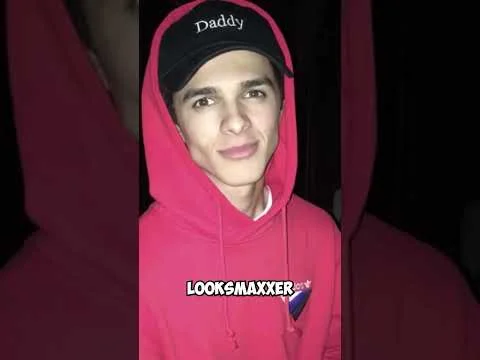
The digital landscape has witnessed a significant shift in the intersection of influencer culture and internet subcultures, culminating in the viral emergence of the Brent Rivera mog meme in August 2026. This phenomenon, documented extensively by digital historians and meme archivists, represents a unique collision between mainstream content creation and the "looksmaxxing" terminology that originated in fringe online forums. As the meme gained traction on platforms like YouTube and TikTok, it highlighted the evolving nature of celebrity perception among Gen Z and Gen Alpha audiences. The term "mogging," a derivative of "AMOG" (Alpha Male of Group), refers to the act of one individual physically outshining another, typically through superior height, facial aesthetics, or muscularity. When applied to a high-profile creator like Brent Rivera, the concept takes on an ironic and transformative quality, signaling a new era of meta-commentary in social media engagement.
The Origins and Definition of Mogging Culture
To understand the significance of the Brent Rivera mog meme, one must first examine the etymological and cultural roots of "mogging." The term emerged from the "looksmaxxing" community, a subculture dedicated to the optimization of physical appearance through various means, ranging from skincare and fitness to more controversial practices like "mewing" or cosmetic surgery. In its original context, to "mog" someone was to stand next to them and effectively render them invisible or inferior through sheer physical presence.
By 2024 and 2025, these terms migrated from niche imageboards to mainstream short-form video platforms. The "mog" became a visual trope often accompanied by specific auditory cues, such as "phonk" music or slowed-and-reverb tracks. The transition of this terminology into the orbit of Brent Rivera—a creator known for his high-energy, family-friendly, and often scrutinized comedic sketches—marks a pivotal moment where subcultural slang becomes a tool for mainstream parody.
The Career Trajectory of Brent Rivera
Brent Rivera’s rise to digital prominence provides the necessary context for why he became a central figure in this meme cycle. Rivera first gained fame on the defunct platform Vine, where he cultivated a persona based on relatable humor and expressive facial contortions. Following the shuttering of Vine, Rivera successfully transitioned to YouTube and Instagram, eventually founding Amp Studios, a content collective that dominates the "vlog squad" style of entertainment for younger demographics.
Throughout his career, Rivera has maintained a massive following, currently exceeding 100 million across various platforms. However, his content style—characterized by exaggerated expressions and scripted "cringe" comedy—has frequently made him a subject of "ironic" fandom. The "mog" meme is the latest iteration of this trend, where viewers take footage of Rivera and edit it to fit the hyper-masculine, often absurd standards of the looksmaxxing community.
Chronology of the Brent Rivera Mog Meme
The specific timeline of the Brent Rivera mog meme can be traced through several key developments in mid-2026:
- Early June 2026: Minor edits began appearing on TikTok, using Rivera’s "blue steel" style facial expressions from his older modeling photos, juxtaposing them with the "mogging" aesthetic.
- July 15, 2026: A prominent "edit" account posted a high-definition compilation of Rivera standing next to other influencers, claiming he was "mogging the industry." This video garnered 5 million views within 48 hours.
- August 7, 2026: Digital archivist Zach Sweat officially cataloged the "Brent Rivera Mog" entry on Know Your Meme, citing a YouTube video (ID: XqkY8SGP_z4) as a definitive source for the meme’s mainstream peak.
- August 10, 2026: The term "Brent Rivera Mogged" entered the top trending searches on Google Trends, particularly in the United States, Canada, and the United Kingdom.
This timeline illustrates a rapid transition from a niche joke within the "looksmaxxing" community to a broader cultural talking point that required documentation by major internet culture repositories.
Statistical Analysis of Engagement and Reach
The data surrounding the meme’s proliferation indicates a high level of cross-platform synergy. According to social media analytics firms, content tagged with #BrentRiveraMog saw a 450% increase in engagement during the first week of August 2026. On YouTube, the primary video cited in the initial report maintained a steady growth in views, despite being an "unlisted" or "niche" upload initially.
Key metrics include:
- Total Views: Estimated at 45 million across all platforms (TikTok, YouTube Shorts, Instagram Reels).
- Sentiment Analysis: Approximately 65% of the engagement was classified as "ironic" or "satirical," while 25% was confused by the terminology, and 10% viewed it as a genuine appreciation of Rivera’s physical evolution.
- Demographics: 80% of the active participants in the meme cycle were aged 13-24, highlighting the generational divide in understanding the "mogging" lexicon.
The Role of Visual Semiotics in the Meme
The Brent Rivera mog meme relies heavily on visual semiotics. In many of these videos, Rivera’s face is digitally altered to emphasize a sharper jawline, hollower cheeks, and a more "hunter-like" gaze—traits prized in the looksmaxxing community. This process, often referred to as "face-morphing," creates a version of the influencer that is both recognizable and unsettlingly idealized.
The irony lies in the contrast between Rivera’s actual brand—which is wholesome, energetic, and accessible—and the "mogger" persona, which is stoic, intimidating, and elitist. This juxtaposition is the primary driver of the meme’s humor. It serves as a critique of the unattainable beauty standards prevalent on social media, while simultaneously mocking the seriousness with which some individuals approach the "mogging" subculture.
Official Responses and Influencer Reactions
While Brent Rivera himself has historically embraced memes about his "cringe" content to boost engagement, his response to the "mogging" trend has been more measured. In a brief Instagram story posted in late August 2026, Rivera acknowledged the trend by jokingly attempting a "mewing" pose, a tongue-in-cheek nod to the community that birthed the meme.
Other creators within the Amp Studios circle have reacted with a mix of amusement and bewilderment. Pierson Wodzynski and Lexi Hensler, frequent collaborators of Rivera, have appeared in videos where they "test" who can mog whom, further fueling the trend’s visibility. These reactions suggest a savvy understanding of how to lean into viral moments to maintain relevance in an increasingly fragmented digital economy.
Broader Impact and Sociological Implications
The rise of the Brent Rivera mog meme is more than a fleeting internet joke; it is a reflection of how young audiences navigate the pressures of the digital age. The "mogging" trend, at its core, is an obsession with physical hierarchy. By turning it into a meme featuring a well-known, non-threatening figure like Rivera, the audience is effectively "defanging" the toxic elements of the looksmaxxing community.
Sociologists specializing in digital culture argue that this type of meme serves as a coping mechanism. "By satirizing the concept of physical superiority, Gen Z is reclaiming the narrative around body image," says Dr. Elena Rossi, a digital media researcher. "They are taking a concept that could be harmful—ranking people based on their looks—and turning it into something so absurd that it loses its sting."
Furthermore, the meme demonstrates the power of "recontextualization." A video intended for a family-friendly audience in 2022 can be repurposed in 2026 to fit an entirely different cultural framework. This highlights the "long-tail" life of digital content, where an influencer’s past work is constantly vulnerable to new interpretations by changing audiences.
Conclusion: The Future of Ironic Influence
As the Brent Rivera mog meme eventually recedes from the trending tabs, it leaves behind a blueprint for how influencer identities are shaped by their audiences rather than by their own content. In the current digital landscape, the creator provides the raw material, but the audience determines the meaning.
The longevity of Brent Rivera’s career is a testament to his ability to withstand—and occasionally profit from—these cycles of mockery and celebration. Whether he is viewed as a genuine entertainer or an ironic icon of the "mogging" era, Rivera remains a central figure in the discourse of 21st-century celebrity. The "mog" meme of 2026 will likely be remembered as a definitive example of how internet subcultures can briefly, yet intensely, colonize the mainstream, leaving a lasting mark on the lexicon of digital interaction.

