
The landscape of personal finance is continually evolving, with technology playing an increasingly significant role in empowering consumers to maximize their savings and earn passive income. One such innovative platform gaining traction is Fetch, a mobile application designed to reward users simply for the act of shopping. By leveraging a straightforward receipt-scanning mechanism, Fetch offers a unique opportunity for individuals to convert their everyday purchases into tangible rewards, such as gift cards for popular retailers. This article delves into the operational mechanics of Fetch, its accessibility, earning potential, and its growing impact on consumer spending habits, drawing upon user experiences and market trends.
The Fetch Phenomenon: Rewarding the Everyday Shopper
At its core, Fetch operates on a deceptively simple premise: users are rewarded with points for uploading photographs of their shopping receipts. This process is designed to be seamless and integrated into existing shopping routines, requiring no fundamental changes in purchasing behavior. The app, available on both the iOS App Store and the Google Play Store, is entirely free to download and utilize, eliminating any financial barrier to entry for interested consumers.
The underlying principle of Fetch’s business model involves partnerships with various brands and retailers. These companies pay Fetch to promote their products and services within the app, offering enhanced point rewards for purchases of featured items. In essence, Fetch acts as a sophisticated loyalty program and a marketing channel, connecting brands directly with consumers who have demonstrated purchasing intent. By providing a platform for brands to gather valuable consumer data and drive sales, Fetch generates revenue that is then distributed back to users in the form of rewards.
Operational Mechanics and Earning Potential
The process of earning with Fetch is designed for maximum user convenience. Upon downloading the app and creating a free account, users are encouraged to scan their physical receipts. The app utilizes optical character recognition (OCR) technology to process the information on the receipt, identifying the retailer, date of purchase, and individual items purchased. For each eligible receipt uploaded, users are awarded a base number of points. The app allows users to upload up to 35 receipts within a seven-day period, providing a consistent avenue for accumulating points.
A critical aspect of the receipt-scanning process is the time sensitivity. Physical receipts must be uploaded within 14 days of the purchase date to be eligible for processing. This timeframe encourages regular engagement with the app and ensures that the data captured remains relevant.
Beyond the general receipt scanning, Fetch incorporates a "Special Offers" section. This feature highlights specific brands and products that are offering bonus points. These offers function similarly to digital coupons, incentivizing users to purchase particular items or shop at designated retailers. By strategically utilizing these special offers, users can significantly accelerate their point accumulation and reach reward thresholds more quickly. Personal testimonials from users, such as the early redemption observed within three weeks, often highlight the impact of these targeted promotions.
Expanding Reach: Online Shopping and EReceipts
Recognizing the increasing prevalence of online shopping, Fetch has integrated an "eReceipts" feature. This functionality allows users to link their email accounts, Amazon accounts, or even specific retailer accounts (like Walmart) directly to the Fetch app. Once connected, Fetch automatically scans these linked accounts for eligible digital receipts. This eliminates the need for manual scanning or printing, offering a truly passive earning experience for online purchases. The eReceipts feature has been particularly lauded for its convenience, further solidifying Fetch’s appeal in a digitally-driven consumer market.
Redemption Pathways: Turning Points into Value
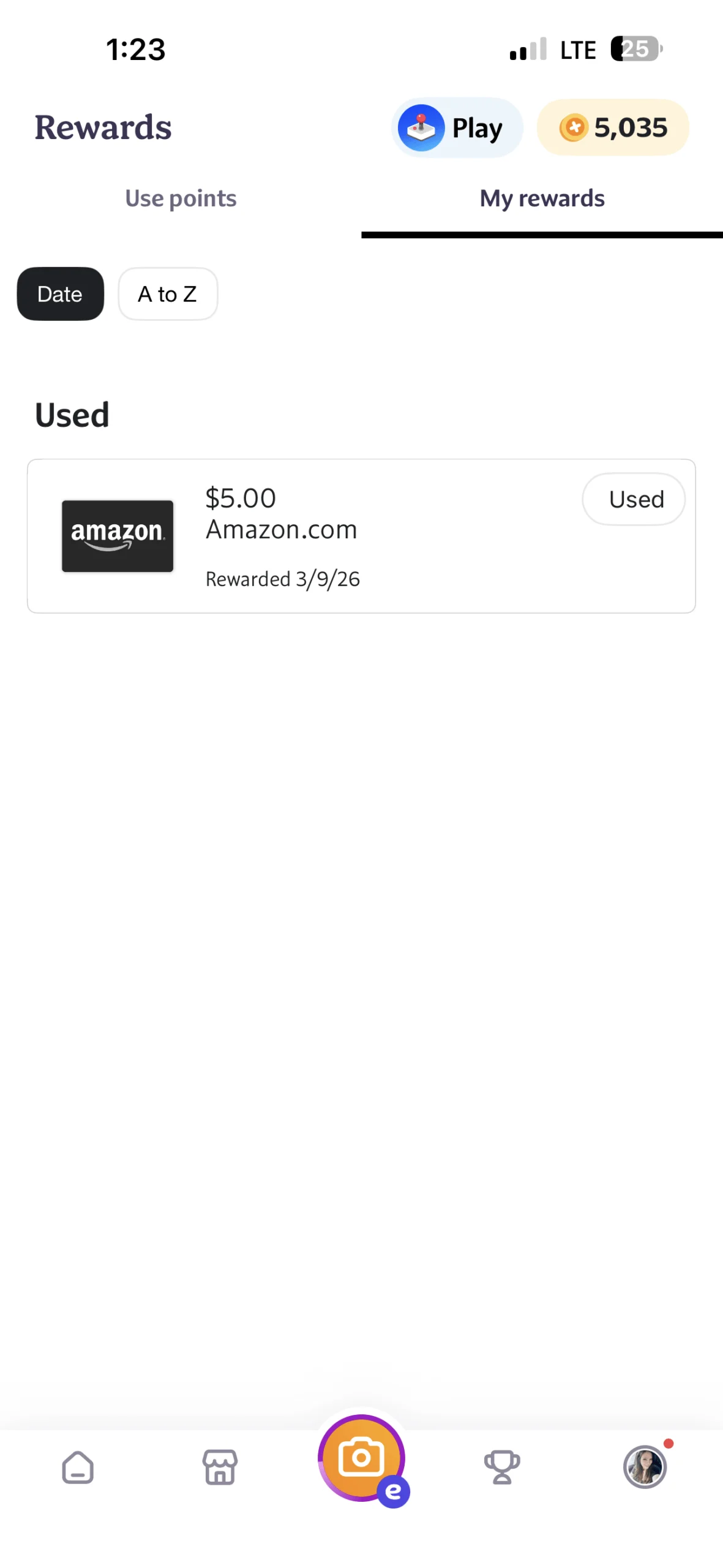
The ultimate goal for Fetch users is to redeem their accumulated points for valuable rewards. The app features a dedicated "Rewards" tab where users can browse a wide array of redemption options. The most popular redemption choices typically include gift cards for major retailers such as Amazon, Walmart, and Target. Other options may encompass prepaid debit cards, donations to charitable organizations, or specific brand-related rewards.
A minimum of 3,000 points is generally required to redeem most rewards, though this threshold can vary depending on the chosen reward. The conversion rate of points to dollar value is transparently displayed within the app, allowing users to track their progress towards their desired reward.
The Redemption Process: Speed and Efficiency
The speed at which users can access their earned rewards is a key factor in Fetch’s user satisfaction. While the platform states that rewards can take up to 72 hours (three days) to process, user experiences often indicate a faster turnaround. For instance, a redemption initiated on a Friday might result in the reward code being available by the following Monday, as reported in early user tests. This relatively swift processing time contributes to a positive user experience and reinforces the app’s credibility. The delivery of rewards is typically digital, with gift card codes being accessible within the app’s rewards section, ready for immediate use.
Referral Programs: Amplifying Growth and Rewards
Fetch actively encourages user growth through a robust referral program. Existing users can easily share their unique referral code or link with friends and family. When a new user signs up using a referral code or link, both the referrer and the new user often receive bonus points. This symbiotic relationship incentivizes existing users to become brand advocates, effectively expanding Fetch’s user base through word-of-mouth marketing. The in-app tools for sharing referral codes simplify the process, allowing users to send pre-written messages via text, email, or other preferred communication platforms.

Eligibility and Exclusions: Understanding the Scope
While Fetch aims for broad applicability, certain types of receipts are not eligible for point accumulation. These typically include:
- Return receipts: As these represent a reversal of a purchase, they do not qualify for earning.
- Utility and medical bills: These are service-based transactions rather than retail purchases.
- Prescription slips: Similar to medical bills, these are not considered retail shopping.
- Movie or concert tickets: These are entertainment-specific and often have unique validation processes.
- Airline tickets: Travel purchases are generally excluded from typical retail reward programs.
- ATM receipts: These are financial transaction records, not shopping receipts.
- Takeout slips without clear vendor identification: The app needs to identify the retailer for processing.
This clear delineation of eligible and ineligible receipts helps manage user expectations and ensures the integrity of the platform’s data processing.
Broader Impact and Market Analysis
The success of Fetch can be attributed to several converging factors. In an era of increasing economic scrutiny, consumers are actively seeking ways to optimize their spending and extract maximum value from their purchases. Apps like Fetch tap into this desire by offering a low-effort, high-reward system for activities individuals already engage in. The rise of the gig economy and side hustles has also fostered an environment where individuals are more receptive to micro-earning opportunities, and Fetch fits perfectly into this trend.
From a marketing perspective, Fetch provides brands with a powerful tool for targeted promotions and customer engagement. The data gathered through receipt analysis offers valuable insights into consumer purchasing patterns, brand preferences, and shopping habits. This information can inform product development, marketing strategies, and inventory management for participating brands.
The implications of platforms like Fetch extend beyond individual savings. They contribute to a broader shift in how consumers interact with brands and perceive value. By gamifying the shopping experience and offering tangible rewards, Fetch fosters a sense of engagement and loyalty that traditional loyalty programs might struggle to achieve. The ease of use and accessibility through mobile devices further democratizes access to these reward systems, making them available to a wider demographic.
Conclusion: A Rewarding Proposition
Fetch has demonstrably positioned itself as a valuable tool for consumers looking to save money and earn rewards on their everyday shopping. Its free, user-friendly interface, combined with a broad range of eligible purchases and efficient redemption processes, makes it an attractive proposition. The app’s ability to adapt to evolving consumer habits, particularly with the integration of eReceipts, ensures its continued relevance in the digital age. For individuals who find themselves routinely discarding shopping receipts, Fetch offers a simple yet effective method to transform those pieces of paper into tangible benefits, proving that even the most mundane transactions can yield rewarding outcomes. The ongoing success of Fetch underscores a growing trend: technology’s capacity to empower consumers and redefine the relationship between shopping, saving, and earning.

