

The landscape of oncology has reached a significant milestone as Moderna and Merck & Co. announced that their investigational personalized messenger RNA (mRNA) cancer treatment, intismeran autogene, has successfully met its primary endpoints in a pivotal Phase 3 clinical trial. This development represents the first time a personalized mRNA-based therapy has demonstrated efficacy in a Phase 3 study, potentially ushering in a new era of individualized medicine for cancer patients. The trial, known as INTerpath-001, focused on patients with Stage IIB-IV melanoma who had undergone complete surgical resection. By combining the mRNA treatment with Merck’s blockbuster immunotherapy, Keytruda (pembrolizumab), the companies achieved a statistically significant and clinically meaningful improvement in how long patients lived without their cancer returning.
While the companies have withheld specific data points pending presentation at an upcoming medical conference, the interim analysis conducted by an independent Data Monitoring Committee confirmed that the combination therapy significantly outperformed Keytruda monotherapy. The success of this trial not only validates the potential of mRNA technology beyond infectious diseases but also provides a robust foundation for regulatory submissions to health authorities worldwide.
Understanding Individualized Neoantigen Therapy (INT)
The treatment, technically known as mRNA-4157 (V940) or intismeran autogene, belongs to a class of treatments called Individualized Neoantigen Therapies (INTs). Unlike traditional vaccines or generic chemotherapies, intismeran is a bespoke treatment manufactured specifically for each individual patient. The process begins with a biopsy of the patient’s tumor and a sample of their blood. Through high-throughput genomic sequencing and advanced computational algorithms, scientists identify "neoantigens"—unique mutations present in the patient’s cancer cells but absent from their healthy tissue.
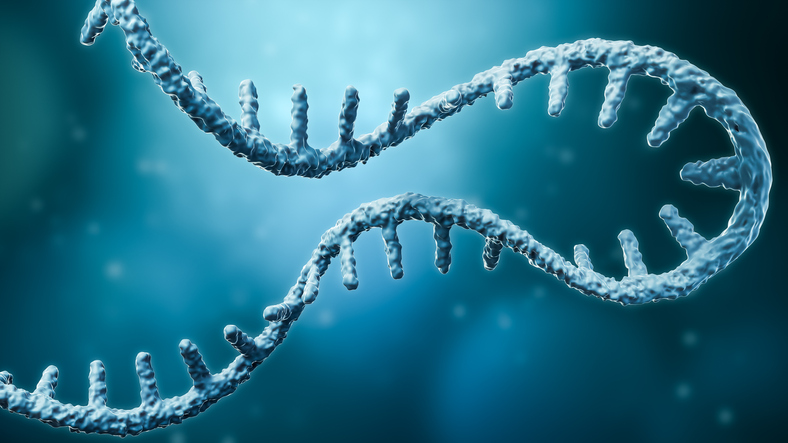
The mRNA-4157 platform is designed to encode up to 34 of these unique neoantigens. Once the genetic sequence for these proteins is identified, it is transcribed into mRNA and encapsulated within lipid nanoparticles (LNPs). When injected into the patient, the mRNA instructs the body’s own cells to produce the specific neoantigens. This process effectively "trains" the patient’s immune system, specifically T-cells, to recognize and destroy any remaining cancer cells that carry those specific mutational signatures. By targeting up to 34 different mutations, the therapy aims to minimize the risk of the cancer "escaping" the immune response through further mutation.
The INTerpath-001 Trial Design and Objectives
The Phase 3 INTerpath-001 trial is a global, randomized, double-blind study that enrolled 1,137 patients. The study population consisted of individuals whose melanoma had been surgically removed but who remained at high risk of recurrence. In this "adjuvant" setting, the goal of treatment is to eliminate micrometastatic disease—microscopic clusters of cancer cells that may have spread prior to surgery and could eventually lead to a relapse.
Participants were randomized to receive either the combination of intismeran and Keytruda or Keytruda alone. Keytruda, an anti-PD-1 therapy, works by "releasing the brakes" on the immune system, allowing it to detect and fight tumor cells. The hypothesis behind the combination is synergistic: Keytruda prepares the immune environment by inhibiting the pathways cancer cells use to hide, while intismeran provides the specific "target list" the immune system needs to find the cancer.
The primary endpoint of the trial was recurrence-free survival (RFS), defined as the time from the start of treatment until the first evidence of cancer recurrence, a new primary melanoma, or death from any cause. A key secondary endpoint was distant metastasis-free survival (DMFS), which measures the time until the cancer spreads to distant organs, a stage of the disease that is significantly harder to treat and often fatal. According to the companies, the combination therapy met both of these critical benchmarks with high statistical significance.
A Chronology of the Merck-Moderna Partnership
The success of the Phase 3 trial is the culmination of a nearly decade-long collaboration between Merck and Moderna. The partnership began in 2016, long before mRNA technology became a household name during the COVID-19 pandemic. At the time, Merck paid Moderna an initial $200 million to explore the potential of mRNA-based "cancer vaccines."
The collaboration gained significant momentum in October 2022, when Merck exercised its option to co-develop and co-commercialize mRNA-4157. This decision followed promising preliminary data and involved a $250 million payment to Moderna. Under the terms of their agreement, the two companies share costs and potential profits equally.
The Phase 3 results build upon a strong foundation of earlier data. In early 2024, the companies released five-year follow-up data from a Phase 2b trial (KEYNOTE-942/mRNA-4157-P201). That study showed that the combination of intismeran and Keytruda reduced the risk of recurrence or death by 49% compared to Keytruda alone. The consistency between the Phase 2b and Phase 3 results suggests that the benefit of personalized mRNA therapy is both durable and reproducible in larger patient populations.
Clinical Perspectives and Official Reactions
Professor Georgina Long, Co-Medical Director of Melanoma Institute Australia and a principal investigator of the study, described the results as a "landmark moment" for the field of oncology. She noted that the ability to tailor a treatment to the specific genetic makeup of a patient’s tumor represents a fundamental shift in how adjuvant melanoma is treated. "Intismeran in combination with pembrolizumab has the potential to establish a new treatment paradigm," Long stated, emphasizing that the primary goal is to help patients remain cancer-free for significantly longer periods.
Industry analysts have also reacted with optimism. Daina Graybosch, an analyst at Leerink Partners, characterized the readout as a "historic cancer vaccine success." The sentiment was echoed by analysts at William Blair, who noted that the positive data provides Moderna with a "clear line of sight to revenue diversification." For Moderna, which has been heavily reliant on its COVID-19 vaccines (Spikevax and mNexspike), the expansion into oncology is a critical strategic move for long-term financial stability.
Broader Implications for Oncology and the mRNA Platform
The implications of the INTerpath-001 trial extend far beyond melanoma. The success of this personalized approach suggests that the same technology could be applied to other "hot" tumors—cancers that are traditionally responsive to immunotherapy due to high mutational burdens. Merck and Moderna have already initiated a broad clinical development program to test intismeran in several other indications.
Currently, there are eight ongoing Phase 2 and Phase 3 studies evaluating the INT platform. These include trials for non-small cell lung cancer (NSCLC), which remains the leading cause of cancer death globally, as well as bladder cancer (urothelial carcinoma) and renal cell carcinoma (kidney cancer). If the personalized mRNA approach proves successful in these diverse tumor types, it could redefine the standard of care across the oncology spectrum.
Furthermore, this success validates the scalability of mRNA manufacturing. Producing a unique drug for every individual patient within a clinically relevant timeframe is a massive logistical challenge. The fact that Moderna and Merck successfully executed a Phase 3 trial of this scale suggests that the infrastructure for personalized medicine is maturing.
Regulatory Outlook and Future Steps
With the Phase 3 primary endpoints met, the focus now shifts to the regulatory arena. Merck and Moderna have stated they intend to begin discussions with global health authorities, including the U.S. Food and Drug Administration (FDA) and the European Medicines Agency (EMA), regarding the submission of data for marketing authorization.
The FDA has previously granted Breakthrough Therapy Designation and the EMA has granted Priority Medicines (PRIME) scheme designation to the intismeran and Keytruda combination for the adjuvant treatment of high-risk melanoma. These designations are intended to expedite the development and review of drugs that demonstrate the potential for significant improvement over existing therapies.
As the medical community awaits the full data presentation at an upcoming conference, the focus remains on the safety profile and the specific magnitude of the survival benefit. In previous trials, the side effects of the combination were generally manageable and consistent with the known safety profiles of the individual components, with the most common adverse events being fatigue, injection site pain, and chills.
The success of the INTerpath-001 trial marks a definitive turning point. It moves personalized mRNA therapy from a theoretical possibility to a proven clinical reality, offering a new source of hope for melanoma patients and setting a high bar for the future of precision oncology.

