
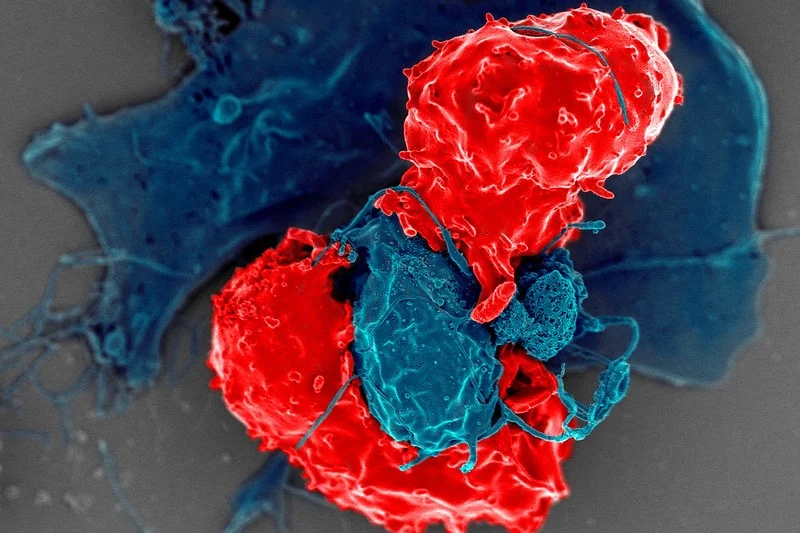
The biotechnology sector witnessed a significant expansion of its clinical-stage roster this week as two distinct therapeutic developers, TRexBio and Retension Pharmaceuticals, successfully priced their initial public offerings (IPOs) to fund advanced human trials. South San Francisco-based TRexBio, which is pioneering a novel method of modulating the immune system through tissue-resident regulatory T cells, raised $116.7 million, while Virginia-based Retension Pharmaceuticals secured $45 million to advance a redesigned phosphodiesterase-5 (PDE-5) inhibitor for the treatment of uncontrolled hypertension. Both companies began trading on the Nasdaq Global Market on Friday under the ticker symbols TRXB and RTSN, respectively, signaling a continued investor appetite for companies with clear clinical catalysts and differentiated biological approaches.
TRexBio: A Paradigm Shift in Immunological Homeostasis
TRexBio represents a departure from traditional immunology strategies that typically focus on the broad suppression of the immune system. While conventional treatments for autoimmune and inflammatory diseases often rely on biologics or small molecules that inhibit specific pro-inflammatory cytokines—such as TNF-alpha or IL-17—these approaches can sometimes lead to systemic immunosuppression and an increased risk of infection. TRexBio’s platform instead seeks to leverage the body’s innate balancing mechanism: regulatory T cells, or Tregs.
Tregs are a specialized subpopulation of T cells that act as the "peacekeepers" of the immune system. Their primary role is to suppress immune responses, thereby maintaining self-tolerance and preventing the immune system from attacking the body’s own healthy tissues. In many chronic inflammatory conditions, the balance between pro-inflammatory effector T cells and anti-inflammatory Tregs is disrupted. TRexBio’s therapeutic strategy involves the use of tissue-targeted fusion proteins designed to selectively activate and expand Tregs directly within inflamed tissues, restoring homeostasis without compromising the systemic immune response.
Overcoming the Hurdles of Treg Cell Therapy
The emergence of TRexBio comes at a time when the broader biotech industry is exploring various ways to harness Tregs. Several competitors, such as Sonoma Biotherapeutics and GentiBio, are developing cell-based therapies that involve harvesting a patient’s own Tregs, engineering them ex vivo, and re-infusing them into the body. While these "living medicines" have shown promise, they face significant commercial and logistical obstacles, including high manufacturing costs, complex supply chains, and the need for lymphodepletion in some cases.
The only FDA-approved Treg-related therapy to date is Orca Bio’s treatment for blood cancers, which utilizes a highly controlled manufacturing process to isolate specific cell populations. In its SEC filings, TRexBio noted that the complexity and time required for such manufacturing likely limit the scalability of cell therapies for large-scale autoimmune populations, such as those suffering from atopic dermatitis or inflammatory bowel disease (IBD). By developing "off-the-shelf" fusion proteins that act on the patient’s existing Tregs in situ, TRexBio aims to provide a more accessible and scalable alternative to cell-based interventions.
Clinical Pipeline and the Eli Lilly Alliance
TRexBio’s transition to a public company is underpinned by a robust pipeline and a strategic partnership with pharmaceutical giant Eli Lilly & Co. The collaboration, which began in 2021 and was expanded in 2023 with a $55 million upfront payment, has already yielded TRB-051. This partnered asset is an immune effector modulator that Eli Lilly intends to advance into Phase 2a clinical trials for patients with cutaneous lupus erythematosus. Under the terms of the agreement, TRexBio remains eligible for up to $577.5 million in additional milestone payments, providing a significant non-dilutive capital stream.
The company’s wholly owned lead candidate, TRB-061, is a TNFR2 (tumor necrosis factor receptor 2) agonist. Unlike TNFR1, which is associated with pro-inflammatory signaling, TNFR2 is highly expressed on Tregs and plays a critical role in their activation and survival. In August 2024, TRexBio reported positive topline results from a Phase 1a study involving healthy volunteers. The data demonstrated that TRB-061 was well-tolerated and successfully induced the expansion of Tregs in skin tissue. These results have paved the way for an ongoing Phase 1b trial in patients with moderate-to-severe atopic dermatitis, with preliminary data expected in mid-2027. Furthermore, the company has identified alopecia areata as a priority indication for TRB-061, citing the known role of Tregs in facilitating hair follicle regeneration.
The second internal candidate, TRB-071, targets CD30, a protein member of the tumor necrosis factor receptor superfamily. By activating CD30, TRB-071 is intended to augment tissue-resident Tregs while simultaneously blocking inflammatory signaling. TRexBio plans to initiate a Phase 1 clinical trial for TRB-071 in the first half of 2025, with a primary focus on inflammatory bowel disease, supported by genetic data linking the CD30 pathway to IBD pathogenesis.
Retension Pharmaceuticals: Reimagining Cardiovascular Medicine
While TRexBio focuses on the complexities of the immune system, Retension Pharmaceuticals is tackling one of the most prevalent and persistent challenges in global health: uncontrolled hypertension. Despite the availability of numerous antihypertensive classes, such as ACE inhibitors and beta-blockers, a significant portion of the patient population fails to achieve target blood pressure levels, leaving them at high risk for stroke, heart attack, and kidney failure.
Retension’s lead asset, RTN-001, is a small molecule PDE-5 inhibitor. The mechanism of PDE-5 inhibition is well-understood, most famously utilized in the treatment of erectile dysfunction (Viagra) and pulmonary arterial hypertension (Revatio). However, early attempts to use first-generation PDE-5 inhibitors for systemic hypertension were largely unsuccessful. According to Retension’s IPO filings, these early molecules suffered from poor bioavailability and insufficient distribution into cardiac and vascular tissues, such as the aorta, preventing them from exerting a meaningful effect on systemic blood pressure.
The Evolution of RTN-001
RTN-001 was engineered to overcome these historical limitations. Originally developed by Surface Logix and later licensed from Redux Therapeutics, the molecule is designed for improved tissue penetration and a more favorable pharmacokinetic profile. Retension believes that by effectively targeting the PDE-5 enzyme in the vasculature, RTN-001 can promote vasodilation and reduce systemic vascular resistance more effectively than its predecessors.
The company’s clinical data to date includes two Phase 2 pilot trials. These studies indicated that a once-daily oral dose of RTN-001 resulted in clinically meaningful, placebo-adjusted reductions in blood pressure. With the $45 million raised in its IPO, Retension plans to allocate approximately $18 million to complete an ongoing Phase 2b trial in patients with uncontrolled hypertension. Topline data from this study is anticipated in the first half of 2027. If successful, the company has budgeted an additional $10 million to begin preparations for a pivotal Phase 3 program.
Financial Foundations and Market Outlook
The timing of these IPOs reflects a broader trend in the 2024 biotech market, where investors are gravitating toward clinical-stage companies with validated targets and clear paths to Phase 2 readouts. TRexBio’s IPO pricing at $14 per share—the low end of its range—suggests a disciplined market environment, yet the total capital raised provides the company with a substantial runway. As of mid-2024, TRexBio held $90.9 million in cash, which, when combined with the IPO proceeds, is expected to fund operations into the second half of 2029.
The ownership structure of TRexBio also highlights strong institutional backing. Eli Lilly remains the largest shareholder with a 16.8% stake and has expressed interest in increasing its holding to nearly 20%. Other significant investors include SV Health Investors (14.1%) and Johnson & Johnson Innovation (4.6%), the latter of which maintained its stake despite the termination of a previous research collaboration agreement in 2023.
Retension Pharmaceuticals, while raising a smaller sum, enters the public market with a lean structure and a singular focus. Its IPO price of $12 per share sat at the midpoint of its expected range. The company’s success will depend heavily on the Phase 2b results of RTN-001, as it currently lacks a broader pipeline to hedge against clinical risk.
Timeline of Key Milestones
- 2018: TRexBio is founded in South San Francisco.
- 2021: Eli Lilly participates in TRexBio’s Series A; RTN-001 development continues under Redux Therapeutics.
- 2023: Eli Lilly pays $55 million for TRexBio collaboration; Retension licenses RTN-001.
- January 2024: TRexBio closes a $50 million private financing round.
- August 2024: TRexBio announces positive Phase 1a results for TRB-061.
- October 2024: Both TRexBio and Retension Pharmaceuticals price their IPOs and begin trading on the Nasdaq.
- First Half 2025: Expected start of TRB-071 Phase 1 trial.
- First Half 2027: Expected Phase 2b data for Retension’s RTN-001.
- Mid-2027: Expected Phase 1b/2a data for TRexBio’s TRB-061.
Analysis of Implications
The successful public debuts of TRexBio and Retension Pharmaceuticals underscore two different but equally vital themes in current drug development. TRexBio’s "tissue-homeostasis" approach represents the next frontier of immunology, moving away from broad-spectrum suppression toward a more surgical, biology-led restoration of balance. If TRB-061 proves successful in atopic dermatitis, it could validate a new class of "Treg-tuning" medicines that offer better safety profiles than existing JAK inhibitors or systemic biologics.
For Retension, the mission is one of refinement and optimization. By revisiting a validated biological pathway with a superior chemical entity, the company aims to solve a public health crisis that has reached a plateau with current standard-of-care treatments. The "next-generation" approach to PDE-5 inhibition could potentially offer a new pillar of therapy for millions of hypertensive patients who remain "uncontrolled" despite multi-drug regimens.
As both companies move deeper into clinical development, the biotech industry will be watching closely to see if TRexBio’s tissue-specific insights and Retension’s optimized delivery can translate into the durable clinical benefits promised in their respective filings. For now, the influx of over $160 million in fresh capital ensures that both narratives will have the resources necessary to reach their next major inflection points.

