
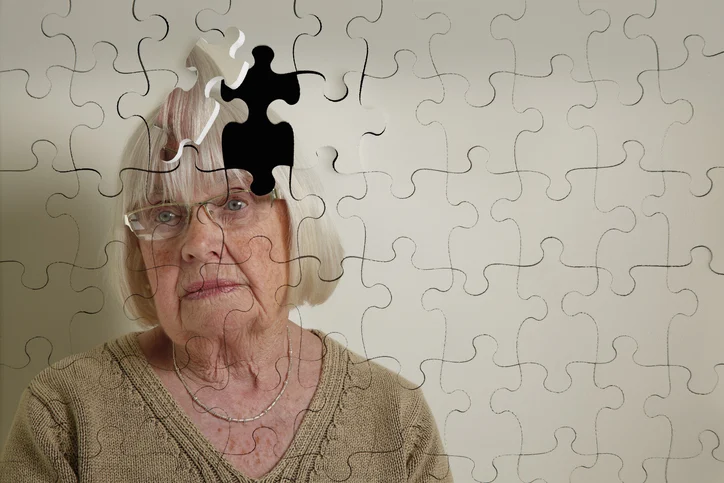
The landscape of modern neurology is shifting from reactive treatment to proactive detection, fueled by a surge in artificial intelligence (AI) and novel blood-based biomarkers. However, as these technologies integrate into routine primary care, they expose a critical infrastructure gap in the American healthcare system. When a patient completes a brief cognitive assessment during a routine primary care visit and the results indicate a pattern associated with possible impairment, a chain of events is triggered that the current medical system is often ill-equipped to handle. The AI may detect subtle changes in timing, speech, attention, and task performance that would have been invisible to a clinician a decade ago, yet the immediate result is often clinical gridlock. With neurologist schedules frequently booked months in advance and primary care teams uncertain of their role in interpreting "risk signals" versus "diagnoses," the patient is often left in a state of high-anxiety limbo.
The Evolution of Cognitive Assessment: A Chronology of Detection
To understand the current tension in cognitive care, one must look at the evolution of screening tools. For decades, the standard of care relied on pen-and-paper tests such as the Mini-Mental State Examination (MMSE), developed in 1975, or the Montreal Cognitive Assessment (MoCA), introduced in 1996. While effective for identifying established dementia, these tools were often insensitive to the earliest stages of Mild Cognitive Impairment (MCI).
The 2010s saw the introduction of more sophisticated neuroimaging and cerebrospinal fluid (CSF) testing, which allowed for the detection of amyloid-beta and tau proteins. However, these methods were invasive, expensive, and largely restricted to specialized research settings. By the early 2020s, the emergence of AI-driven digital assessments began to change the paradigm. These tools leverage machine learning to analyze "digital biomarkers"—the subtle hesitation before a word, the micro-tremors in a hand drawing a clock, or the specific syntax of a spoken sentence.
By 2024, the introduction of high-accuracy blood-based biomarkers, specifically tests measuring p-tau217, moved the field closer to routine clinical application. These tests offer a 90% accuracy rate in identifying Alzheimer’s pathology, a significant leap from the 50-60% accuracy often seen in primary care clinical observations alone. This technological timeline has accelerated faster than the administrative protocols required to manage the resulting data, leading to the current "implementation gap."
The Diagnostic Dilemma: When a Signal is Not a Diagnosis
A screening result occupies a unique and often uncomfortable space in medicine. Unlike a high cholesterol reading, which has a standardized treatment protocol (statins, diet, and exercise), a "possible cognitive impairment" signal touches on the core of a person’s identity, judgment, and independence. Medical experts emphasize that the distinction between a risk signal and a definitive diagnosis must be preserved to prevent "diagnostic overshadowing."
Cognitive performance is not a static metric; it is highly susceptible to external variables. Depression, obstructive sleep apnea, vitamin B12 deficiencies, polypharmacy, and even untreated hearing or vision loss can mimic the early stages of neurodegeneration. A digital assessment may identify a pattern of "elevated risk," but it cannot discern if that risk is driven by a proteinopathy like Alzheimer’s or a reversible condition like chronic sleep deprivation.
The terminology used in medical records and patient portals is therefore a matter of significant clinical weight. Health systems are currently grappling with the standardization of language. Terms such as “possible impairment,” “consistent with pathology,” and “cognitive decline” are not interchangeable. Without a rigorous definition for each, a patient might view a "risk signal" as a terminal sentence, while a clinician might view it as a mere data point to be addressed at the next annual check-up.
Supporting Data: The Looming Specialist Shortage
The push for earlier detection is happening against a backdrop of severe resource scarcity. According to the Alzheimer’s Association, there are currently more than 6.7 million Americans living with Alzheimer’s, a number projected to rise to nearly 13 million by 2050. Conversely, the supply of specialists is failing to keep pace.
Data from the Association of American Medical Colleges (AAMC) suggests that the U.S. will face a shortage of up to 12,200 neurologists by 2034. In many rural areas, the ratio of neurologists to patients with cognitive impairment is already at a breaking point. When AI tools increase the sensitivity of screening, they naturally increase the volume of referrals. Without a "clinically accountable pathway," this influx threatens to overwhelm specialty clinics, extending wait times from months to years and effectively neutralizing the benefits of early detection.
Furthermore, a MedCity analysis of Medicare Annual Wellness Visits found that while cognitive screening is mandated, many primary care physicians (PCPs) feel they lack the tools or time to act confidently on the results. This lack of confidence often leads to "defensive referrals"—sending every patient with a borderline score to a neurologist—further clogging the system.
Assigning Responsibility: The Need for Accountable Pathways
The primary challenge for health systems is not the technology itself, but the ownership of the result. For a screening program to be ethically and clinically viable, an accountable person must be designated before the first screen is administered. This "owner" may be the ordering clinician, a trained nurse practitioner, a cognitive care coordinator, or a specialized memory clinic team.
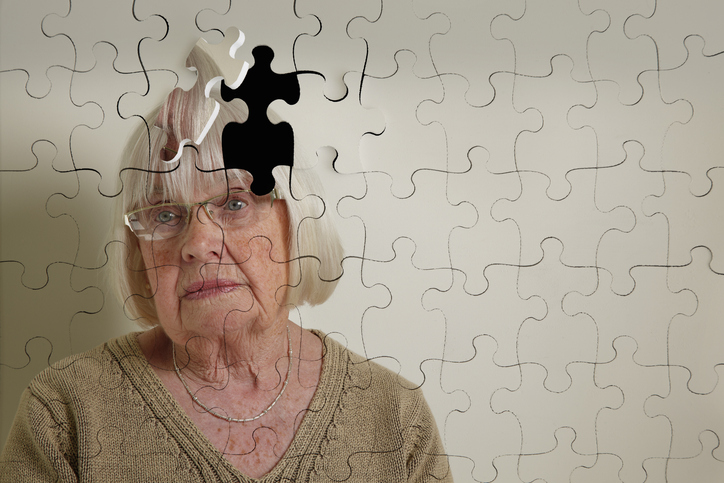
An effective pathway must answer several operational questions:
- Triage: Who reviews the AI-generated report, and what is the mandatory turnaround time for that review?
- Verification: Which findings require an immediate repeat assessment versus a specialist referral?
- Reversibility: Who is responsible for the "workup" of reversible causes (e.g., blood work for thyroid function or B12 levels)?
- Communication: Who delivers the news to the patient, and what is the protocol if a patient misses a follow-up appointment?
Without these answers, screening simply shifts the burden of uncertainty from the clinician to the patient. A useful system does not merely flag risk; it routes the result to a professional with the authority and the protocol to act.
Communication and the Psychological Impact on Patients
The delivery of a cognitive risk signal is a high-stakes clinical interaction. Patients should never receive a score through a patient portal without a concurrent explanatory message or a scheduled follow-up. Learning about possible cognitive decline via a computer screen, through unfamiliar and often frightening clinical jargon, can create avoidable trauma.
Clinical experts suggest that conversations regarding early signals should cover three essential pillars:
- Observation: What the specific assessment observed (e.g., "Your score on the memory task was lower than expected for your age group").
- Limitation: What the result cannot determine (e.g., "This does not mean you have Alzheimer’s; it means we need to look closer").
- Action: A concrete next step (e.g., "We have scheduled a follow-up blood test and a consultation for next Tuesday").
Family involvement is also a critical, albeit complex, component. Caregivers are often the first to notice changes, yet they are frequently treated as an informal extension of the care team rather than partners in the diagnostic process. Providing caregivers with clear information and defined support structures is essential for maintaining the patient’s quality of life during the diagnostic journey.
Innovative Care Models and the Future of Continuity
To address the capacity crisis, some health systems are turning to virtual and hybrid care models. For example, NYU Langone’s virtual dementia care partnership aims to shorten wait times by providing initial consultations and counseling via telehealth, while reserving in-person slots for complex diagnostics and physical exams.
However, the principle of continuity remains paramount. Whether a patient is seen via a virtual visit, a memory clinic, or a primary care protocol, they should not be responsible for "assembling" their own care pathway. The system must act as a navigator.
Furthermore, health systems must ensure that these technological advances do not exacerbate existing health disparities. If AI-driven screening is widely available but the follow-up "accountable pathway" is only accessible to those with the resources to navigate complex referral networks, the technology will identify disparities without reducing them. Access must be tested across language, culture, disability, and digital literacy.
Measuring Success: Moving Beyond Accuracy
The success of an early detection program should not be measured by the accuracy of its AI model or the number of screens completed. These are "output" metrics, not "outcome" metrics. To truly evaluate the impact of early cognitive screening, health systems must track:
- Time to Review: The duration between a flagged alert and a clinician’s review.
- Diagnostic Completion: The percentage of patients who receive a confirmatory evaluation after a positive screen.
- Patient Understanding: The proportion of patients and families who report a clear understanding of their results and the next steps.
- Unresolved Alerts: The number of "risk signals" that remain in the electronic health record without a documented follow-up.
These measures reveal whether early detection is functioning as a clinical service or merely as an information generator. They highlight where responsibility is being lost in the "no-man’s-land" between primary care and specialty neurology.
Conclusion: The Mandate for Health Systems
AI and biomarkers have brought cognitive risk into view earlier than ever before, potentially granting patients years of additional time to plan, seek treatment, and access support. However, the value of this "extra time" is entirely dependent on the infrastructure built around the moment of detection.
A mature cognitive health program is not defined by its ability to produce alerts; it is defined by its ability to ensure that every clinically significant alert reaches an accountable professional and results in a timely, understandable conversation with the patient. Early detection creates a window of opportunity, but it is the responsibility of the health system to ensure that this window leads to a clear and supported path forward. As the "silver tsunami" of aging populations approaches, the shift from "screening for the sake of screening" to "screening for the sake of care" is no longer optional—it is a clinical and ethical necessity.

