
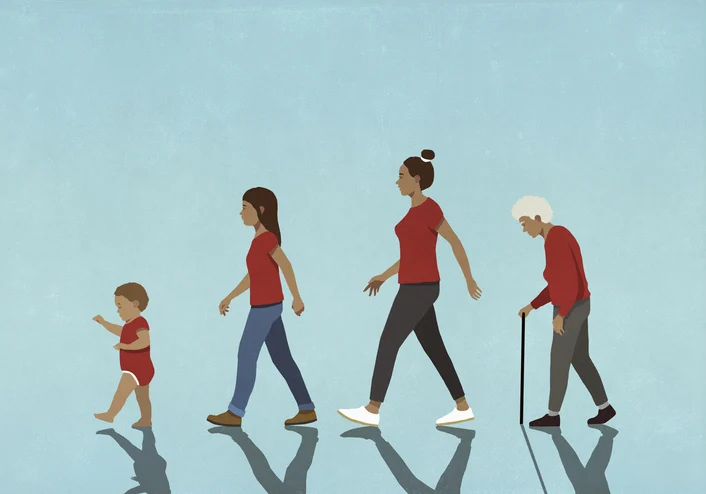
Imagine reaching the age of 85 with a robust cardiovascular system, normal cholesterol levels, stable blood sugar, and excellent sleep hygiene, yet suddenly losing your independence due to a single hip fracture. For decades, the primary objective of preventive healthcare has been focused on extending the human lifespan. However, as the global population ages, the medical community is shifting its focus toward a new frontier: ensuring that those extra years are defined by mobility, independence, and physical strength. Bone health, long relegated to the periphery of routine checkups, is now emerging as a fundamental pillar of lifelong health, following in the footsteps of cardiovascular and metabolic medicine.
The Evolution of Preventive Health Categories
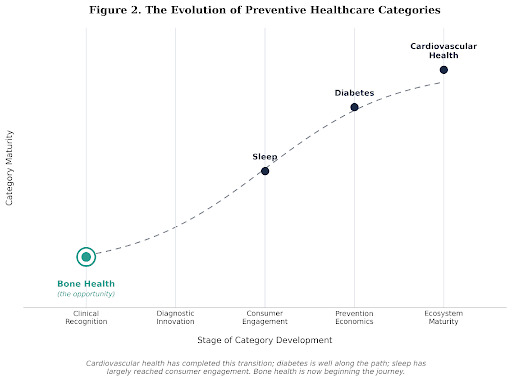
The history of modern healthcare can be traced through the defining categories of each generation. Forty years ago, the medical community and the public alike became hyper-focused on cardiovascular health. This era saw the rise of statins, the popularization of aerobic exercise, and a massive push to monitor blood pressure and cholesterol. Two decades later, the focus shifted toward metabolic health, driven by an explosion in Type 2 diabetes and obesity. This period introduced the widespread tracking of insulin sensitivity, glycemic index, and the integration of metabolic markers into routine blood work.
Most recently, the conversation has centered on longevity and biohacking. Consumers are now accustomed to optimizing hormones, tracking REM sleep through wearables, and utilizing advanced diagnostics to maximize their "healthspan." Throughout these shifts, a consistent pattern emerges: a condition once viewed as a narrow medical specialty becomes recognized as a critical pillar of health. As technology makes measurement easier and healthcare economics shift toward prevention, entire ecosystems of innovation follow.
Bone health is currently undergoing this exact transformation. This shift is not occurring because diseases like osteoporosis or osteopenia are suddenly more prevalent—they have been widespread for decades—but because the infrastructure to diagnose and treat them is finally catching up to the scale of the problem.
The Staggering Scale of the Global Bone Health Crisis
Bone health represents one of the largest unmet needs in modern medicine. In the United States alone, more than 60 million adults over the age of 50 are living with either osteoporosis or osteopenia, significantly increasing their risk of debilitating fractures. Despite these numbers, the condition remains dramatically underdiagnosed and undertreated, often referred to by clinicians as a "silent thief" because bone loss occurs without symptoms until a break happens.
On a global scale, the statistics are even more alarming. Fragility fractures occur at a rate of approximately 37 million each year, which translates to one fracture every second. Epidemiological data suggests that half of all women and one in four men over the age of 50 will suffer an osteoporotic fracture during their lifetime. For many elderly patients, a hip fracture is a life-altering event; statistics show that nearly 20% to 24% of patients die within one year of a hip fracture, and many of those who survive never regain their previous level of mobility.
The economic burden is equally significant. In the U.S., the cost of treating osteoporotic fractures is projected to reach over $95 billion annually by 2040. Despite this, bone health has historically lacked the preventive "stack" of routine testing and early intervention that characterizes heart health or diabetes management.
AI and the Democratization of Diagnostics
One of the primary reasons bone health has lagged behind other sectors is the difficulty of diagnosis. Historically, healthcare has relied on Dual-Energy X-ray Absorptiometry (DEXA) scans, which must be specifically ordered by a physician after a patient is already deemed at high risk. This reactive approach means many patients only learn they have low bone density after they have already experienced a fracture.
The integration of Artificial Intelligence (AI) is fundamentally changing this landscape. AI is now being used to extract clinically meaningful data from existing medical records and routine imaging. Millions of CT scans are performed annually for unrelated reasons, such as investigating abdominal pain, trauma, or kidney stones. These scans contain a wealth of bone density data that has traditionally gone ignored. AI algorithms can now mine these "opportunistic" scans to identify patients with low bone density without the need for additional testing or radiation exposure.
This democratization of diagnosis extends to other forms of imaging as well. Researchers are developing AI tools to analyze dental X-rays and routine chest X-rays for signs of bone loss. By turning every routine scan into a potential screening tool, AI is shifting bone health from a reactive diagnostic category to a longitudinal one. This allows clinicians to predict fracture risk years in advance and tailor interventions before the skeletal structure is critically compromised.
The Preventive Health Stack: Why Bones Were Left Behind
While society has embraced preventive measures for the heart, brain, and metabolism, bone health has remained a missing piece of the preventive health "stack." Several factors contributed to this delay:
- The Asymptomatic Nature of Bone Loss: Unlike high blood pressure, which can be measured with a simple cuff, or diabetes, which shows up in routine blood sugar tests, bone loss is invisible. There is no "feeling" of thinning bones.
- Access Barriers: DEXA scans are often not part of standard annual physicals, and in many regions, access to these specialized machines is limited.
- The Menopause Gap: For women, the rapid decline in estrogen during menopause is a primary driver of bone loss, yet the medical community has only recently begun to treat menopause management as a core component of long-term preventive care.
- The GLP-1 Wave: The recent surge in the use of GLP-1 receptor agonists for weight loss has introduced a new at-risk population. Rapid weight loss, while beneficial for metabolic health, can lead to significant loss of muscle mass and bone density if not managed with specific nutritional and resistance-training protocols.
These barriers are now dissolving. The rise of the longevity movement has made consumers more proactive about their skeletal health, and the urgency of managing bone density in the context of modern weight-loss drugs has forced the issue into the mainstream medical conversation.
Shifting the Focus from Osteoporosis to Total Mobility
The future of bone health is being redefined by the concept of mobility. A skeletal system is only as useful as the muscles that move it and the balance that protects it. Consequently, the medical community is moving toward a multimodal approach to bone health that integrates three key shifts:
1. Earlier Intervention: By identifying bone loss in the "osteopenia" stage rather than waiting for an "osteoporosis" diagnosis, clinicians can implement lifestyle changes and non-pharmacological interventions when they are most effective.
2. Multimodal Treatment: The focus is shifting away from a "pills-only" approach. New treatment protocols combine nutrition (calcium and Vitamin D optimization), specialized resistance training, and emerging technologies such as mechanical stimulation wearables.
3. Optimized Lifetime Management: Instead of a single prescription cycle, bone health is being managed as a lifelong journey. This involves regular monitoring of bone turnover markers and adjusting therapies as the patient ages to ensure long-term efficacy.
None of these shifts depend on a single "miracle drug." Instead, they rely on the data infrastructure and clinical care models that make bone health as measurable and manageable as blood pressure or cholesterol.
Market Response and Emerging Technologies
The private sector and regulatory bodies are beginning to respond to this shift. In May 2025, the healthcare market saw the nationwide launch of the first FDA-cleared, non-drug wearable device designed specifically for low bone density. This technology uses mechanical stimulation to encourage bone remodeling, providing an alternative or adjunct to traditional pharmaceuticals.
Investment in the space is also accelerating. Companies focused on bone health have secured tens of millions in NIH grants and private capital over the last few years. The integration of digital health platforms allows patients to track their bone-loading exercises and nutritional intake, creating a comprehensive ecosystem for skeletal maintenance.
Public health advocates are also calling for a "Bone Health National Action Plan." Logically, if the healthcare system can reduce the incidence of hip fractures by even 10%, the savings to Medicare and private insurers would be in the billions. This economic imperative is perhaps the strongest driver of the current transformation.
Analysis of Implications for the Future of Aging
The implications of this shift are profound. As bone health becomes a standard metric of preventive care, we can expect to see a decrease in the "frailty" often associated with old age. When people maintain their skeletal integrity, they are more likely to remain physically active, which in turn supports cardiovascular and cognitive health.
Furthermore, the rise of "opportunistic screening" via AI sets a precedent for other areas of medicine. It suggests a future where healthcare is no longer something you "go to get" but something that is constantly monitored through the data we already generate.
The question is no longer whether bone health will become a major category in preventive healthcare, but how quickly the global medical infrastructure can adapt. The vision is a future where a fracture is viewed as a preventable failure of the healthcare system rather than an inevitable consequence of getting older. As the tools for diagnosis become more accessible and the treatments more diverse, the goal of maintaining a mobile, strong, and independent population well into their 80s and 90s is becoming a reality. The transition from focusing on "how long we live" to "how well we move" has officially begun.

