
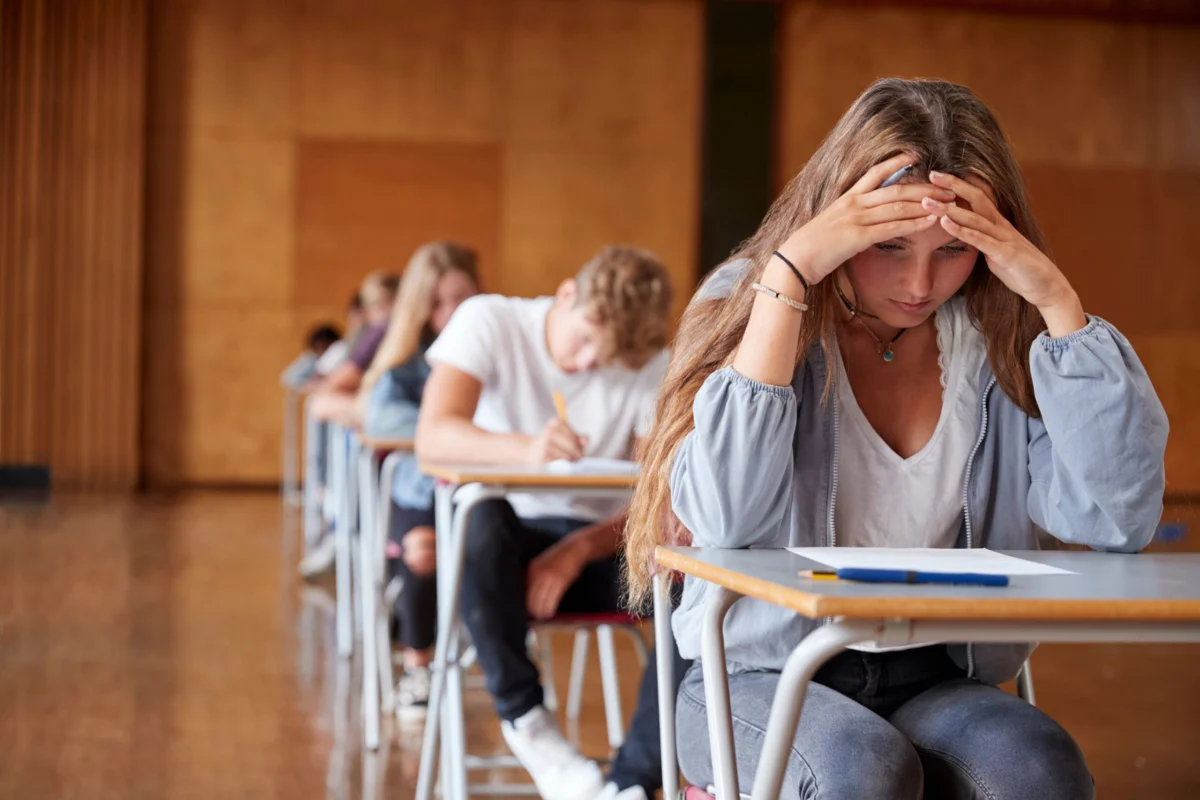
The landscape of adolescent mental health has seen a significant shift, with school-related anxiety emerging as a pervasive challenge affecting a substantial portion of the student population. This growing concern extends beyond typical academic jitters, manifesting in distinct forms that impact students’ well-being, academic performance, and social development. Understanding the various facets of school anxiety – academic, social, and performance-based – along with effective intervention strategies, is crucial for parents, educators, and mental health professionals alike in fostering a supportive environment for young people.
Rising Concerns and Background Context
Over the past decade, there has been a noticeable escalation in mental health issues among adolescents, with anxiety disorders being particularly prominent. Data from the Centers for Disease Control and Prevention (CDC) Youth Risk Behavior Survey (YRBS) consistently indicates a concerning trend of increasing feelings of sadness, hopelessness, and anxiety among high school students nationwide. For instance, recent reports highlight that a significant percentage of high school students, often exceeding 40%, report persistent feelings of sadness or hopelessness, a substantial increase from previous generations. A considerable portion of this anxiety is directly linked to the school environment, encompassing academic pressures, social dynamics, and performance expectations.
This rise can be attributed to a confluence of factors. Academically, students face unprecedented pressure to excel, driven by competitive college admissions, an emphasis on standardized testing, and an often-perceived "toxic achievement culture" that prioritizes grades and extracurriculars over holistic well-being. Socially, the ubiquitous presence of social media platforms has introduced new layers of complexity, fostering environments of constant comparison, cyberbullying, and a fear of missing out (FOMO). The COVID-19 pandemic further exacerbated these issues, disrupting routines, increasing isolation, and contributing to a general sense of uncertainty and anxiety that continues to ripple through schools.
Mental health organizations, such as the American Psychological Association (APA), have frequently released reports underscoring the severity of this youth mental health crisis, urging for integrated mental health support within educational systems. Educators and school counselors often report a marked increase in students presenting with anxiety-related symptoms compared to previous years, necessitating a more comprehensive approach to student support.
Identifying the Manifestations of School Stress
Recognizing school-related anxiety in adolescents requires careful observation, as its signs can often be subtle or misattributed to typical teenage behavior. Behavioral changes are frequently the most visible indicators, including increased irritability, withdrawal from social activities, defiance, procrastination on schoolwork, or an unusual lack of motivation. Emotionally, teens might express feelings of overwhelming stress, sadness, hopelessness, or excessive worry. Physically, anxiety can manifest as frequent headaches, stomachaches, fatigue, sleep disturbances, changes in appetite, or muscle tension, particularly before school or significant academic events. In some cases, anxiety might even present as panic attacks, characterized by a sudden onset of intense fear, rapid heart rate, shortness of breath, and dizziness. Parents and caregivers might hear direct admissions of feeling "stressed" or "overwhelmed," but equally often, anxiety can be masked by apparent laziness or oppositional behavior. Early recognition of these signs is paramount for timely intervention and support.
Three Principal Types of School-Related Anxiety
School anxiety is not monolithic; it typically categorizes into three main types, each requiring tailored understanding and intervention strategies.
1. Academic School Stress
Academic school stress is a pervasive issue, often fueled by the intense pressure to achieve high grades, keep pace with peers, and meet demanding expectations from parents, teachers, and themselves. According to the Pew Research Center, a substantial 68 percent of teenagers report feeling significant pressure to attain good grades, highlighting the widespread nature of this concern. This form of anxiety can manifest as perfectionism, where students feel an overwhelming need to be flawless, leading to excessive study hours and fear of making mistakes. Conversely, it can also lead to procrastination, as the fear of not meeting high standards can paralyze students, causing them to delay tasks. Physical symptoms like headaches or stomach upset, particularly before tests or major assignments, are common indicators. This anxiety stems from a belief that one’s self-worth is intrinsically linked to academic outcomes, transforming the pursuit of knowledge into a source of dread rather than discovery.
Expert-Recommended Strategies for Academic Stress:
Educational psychologists emphasize shifting the focus from outcomes to effort and process. Instead of simply urging students to "do their best," parents and educators can acknowledge the effort already invested, for example, by stating, "You’ve dedicated significant time to studying, and your preparation is evident." This approach validates their hard work and reduces the pressure for a perfect result.
Cognitive behavioral therapy (CBT) techniques, widely utilized by therapists, encourage reality-checking fears by asking questions like, "What is the worst possible outcome, and how might you address it?" This exercise helps students confront and contextualize their anxieties, often revealing that their fears are exaggerated or manageable. Fostering a relaxed mindset is also critical; reminding students that they "know more than they think" and encouraging them to start with familiar concepts can alleviate test-day jitters.
Coping Skills for Academic Anxiety:
- Task Breakdown and Prioritization: Breaking large assignments into smaller, manageable steps makes daunting tasks less overwhelming. This strategy, often taught by academic coaches, helps students build momentum and reduces procrastination.
- Modeling Resilience: Parents and teachers can model healthy responses to setbacks, demonstrating that mistakes are opportunities for learning rather than failures. This encourages a growth mindset, where challenges are viewed as integral to development.
- Structured Study Habits: Helping teens establish consistent study routines and prioritize tasks effectively reduces last-minute stress. This includes teaching time management techniques, such as the Pomodoro Technique, to maintain focus and prevent burnout.
- Mindfulness and Relaxation Techniques: Incorporating brief mindfulness exercises or deep breathing before studying or tests can help calm the nervous system and improve concentration.
2. Social Anxiety School Stress
Social anxiety in the school environment often presents as an intense fear of being judged, rejected, or embarrassed by peers. This can lead to avoidance of group activities, excessive worry about social interactions, and obsessive checking of social media for validation or to monitor peer activities. For socially anxious teens, the daily effort required to appear "normal" or "okay" at school can be emotionally exhausting, leading to significant fatigue and withdrawal upon returning home. The fear of negative evaluation can cripple their ability to form meaningful connections and participate in classroom discussions.
Addressing Social Stress Related to Friendships:
Mental health professionals advocate starting with empathy and validating the teen’s feelings. Phrases like, "It sounds like that conversation really impacted you," acknowledge their emotional experience without minimizing it. Offering choices, such as "Would you prefer to discuss it now or take some space first?" empowers the teen and fosters a sense of control over their emotional processing.
It is crucial to avoid dismissive statements that invalidate their current feelings, such as "You won’t even remember this in a few years." While true in the long run, such statements can make teens feel unheard and misunderstood in the present moment. Instead, guiding questions like, "What steps could improve this situation next time?" or "How would you ideally like to handle this?" promote problem-solving and self-efficacy. This combination of validation and empowerment helps teens navigate complex social landscapes effectively.
Building Social Confidence:
- Low-Stakes Social Engagement: Encouraging participation in activities with minimal social pressure, such as joining a club related to a hobby, initiating a study group, or inviting a single friend for an informal outing, can help build confidence gradually. These small steps provide opportunities for positive social experiences without overwhelming the teen.
- Managing Online Spaces: Research consistently demonstrates a correlation between passive social media scrolling, online comparison, and increased anxiety among adolescents. Experts advise guiding teens to curate their online feeds by critically evaluating which accounts negatively impact their self-esteem. Encouraging digital detoxes or temporary unfollowing of certain accounts can significantly improve mood and self-perception. Educational initiatives in schools can also teach digital literacy and responsible online behavior.
- Developing Communication Skills: Role-playing social scenarios or practicing conversational starters can equip teens with the tools to navigate interactions more confidently.
- Seeking Peer Support: Connecting with peer support groups or mentorship programs can provide a sense of belonging and shared experience, reducing feelings of isolation.
3. Performance Anxiety School Stress
Performance anxiety manifests when the fear of being evaluated or judged takes over in situations requiring public display of skills or talents, such as giving a presentation, competing in sports, or performing in a play. Signs often include a sudden desire to quit activities they once loved, obsessive practicing to the point of burnout, or experiencing panic attacks before or during performances. This type of anxiety is particularly challenging as it can stifle talent and prevent teens from pursuing passions due to the overwhelming fear of failure or criticism.
Easing Performance Pressure:
A balanced approach combining encouragement with realistic expectations is vital. Instead of generic assurances like "You’ll do great," which can create pressure for perfection, a more reassuring statement might be, "You’ve prepared thoroughly, and you are ready. If any unexpected challenges arise, you possess the skills to adapt." This acknowledges their effort while normalizing the possibility of imperfections. Reminding teens that "even seasoned professionals experience pre-performance jitters" can also normalize their feelings and reduce self-criticism. Coaches and performance psychologists often use this technique to validate feelings without letting them overwhelm.
Effective Coping Skills for Performance Anxiety:
- Visualization Techniques: Encouraging teens to mentally rehearse successful outcomes, vividly imagining themselves performing confidently and achieving their goals, can prime the brain for success and reduce anticipatory anxiety. This is a common strategy used by athletes and public speakers.
- Strategic Practice: While practice is essential, over-practicing to the point of exhaustion can be counterproductive. Guiding teens to engage in strategic, focused practice sessions, incorporating breaks and self-care, ensures readiness without burnout.
- Breathing and Relaxation Exercises: Deep breathing techniques, such as diaphragmatic breathing, can immediately activate the parasympathetic nervous system, counteracting the "fight or flight" response associated with anxiety. Simple exercises like the "4-7-8" breathing method (inhale for 4, hold for 7, exhale for 8) can be taught and practiced regularly.
- Mindfulness and Body Scan: Teaching teens to tune into their physical sensations without judgment can help them identify and manage anxiety symptoms as they arise, preventing them from escalating.
When to Seek Professional Help for Teen Anxiety
While parental and school support are invaluable, there are instances when professional intervention becomes necessary. It is crucial to seek help if a teen’s anxiety significantly interferes with their daily functioning—impacting school attendance, academic performance, social relationships, or family life. Persistent physical symptoms without a clear medical cause, despite home remedies, also warrant professional evaluation. Any mention or indication of self-harm, suicidal thoughts, or extreme hopelessness is an immediate red flag requiring urgent professional attention. Furthermore, if anxiety symptoms do not improve or worsen despite consistent parental and school support, it suggests the need for specialized intervention from a mental health professional, such as a therapist, counselor, or child psychiatrist. Recognizing the limits of one’s own support is a vital component of knowing how to help a child with anxiety about school, ensuring they receive the comprehensive care they need.
Broader Implications and Policy Considerations
The growing prevalence of school-related anxiety has significant broader implications for public health, educational policy, and societal well-being. Untreated anxiety in adolescence can lead to chronic mental health issues in adulthood, including depression, substance abuse, and other anxiety disorders. It can also impede academic attainment, limit career opportunities, and hinder healthy social and emotional development.
Educational institutions are increasingly being called upon to integrate robust mental health services, including on-site counselors, school psychologists, and programs promoting emotional literacy. Training for teachers and school staff in mental health first aid is becoming critical, enabling them to identify early warning signs and provide initial support. Policy reforms are also needed to address systemic pressures, such as reconsidering the emphasis on high-stakes testing and fostering a school culture that values well-being alongside academic achievement. Community mental health initiatives, public awareness campaigns, and accessible mental health resources are also vital components of a comprehensive societal response. The digital landscape also requires attention, with calls for greater regulation of social media platforms and educational programs on responsible digital citizenship.
In conclusion, adolescent school-related anxiety is a complex and escalating public health concern that demands a multi-faceted approach. By understanding its various manifestations, implementing evidence-based coping strategies, and knowing when to seek professional help, parents, educators, and policymakers can collaboratively create a more supportive and resilient environment for young people to thrive both academically and emotionally. Addressing this crisis is not merely about managing symptoms; it is about safeguarding the mental health and future potential of an entire generation.

