
The narrative of Yoto, a burgeoning force in children’s entertainment, stands as a compelling testament to the power of community-driven growth and a profound understanding of parental needs. Reaching an impressive valuation or annual revenue figure of $127 million, Yoto has carved out a significant niche by offering a screen-free audio experience for children, strategically leveraging authentic parent advocacy as its primary growth engine. This achievement underscores a successful pivot away from traditional advertising models, favoring a grassroots approach that prioritizes product quality, content curation, and genuine user endorsement.
Addressing a Modern Challenge: The Rise of Screen-Free Entertainment
In an era dominated by digital screens and omnipresent visual stimuli, parents globally are increasingly concerned about the effects of excessive screen time on their children’s development, attention spans, and overall well-being. Research from organizations like the American Academy of Pediatrics consistently highlights the potential drawbacks, ranging from sleep disturbances to cognitive and social development challenges. This growing apprehension has fueled a significant market demand for healthier, screen-free alternatives that can still provide engaging and educational entertainment.
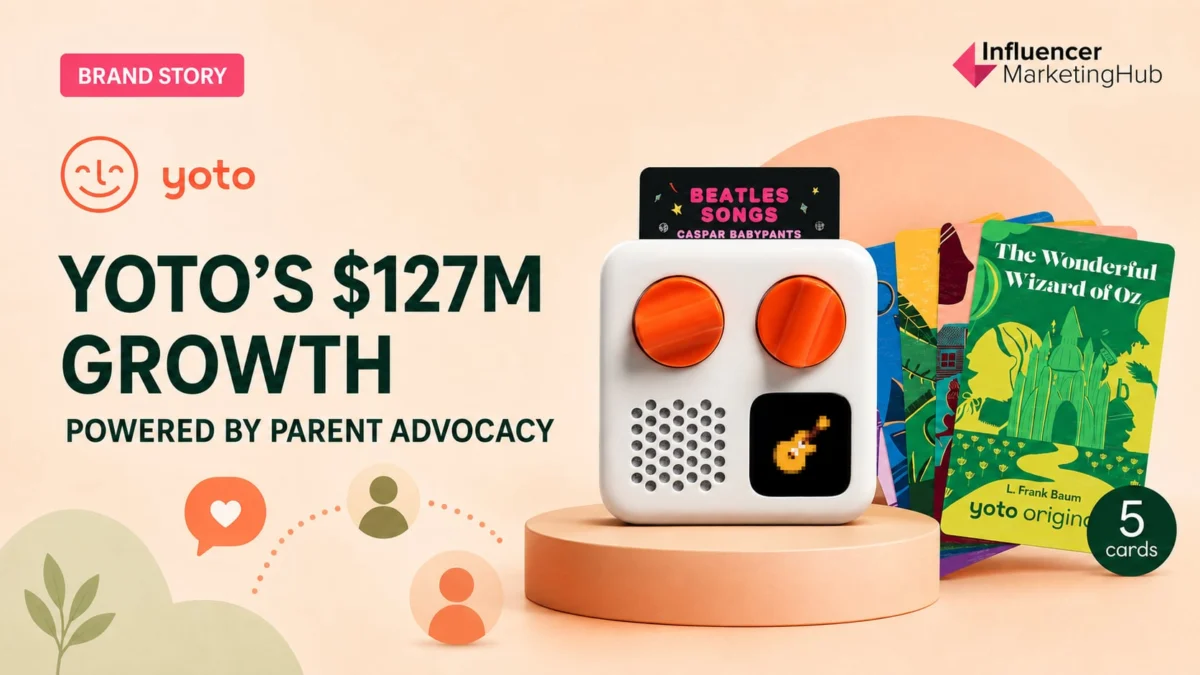
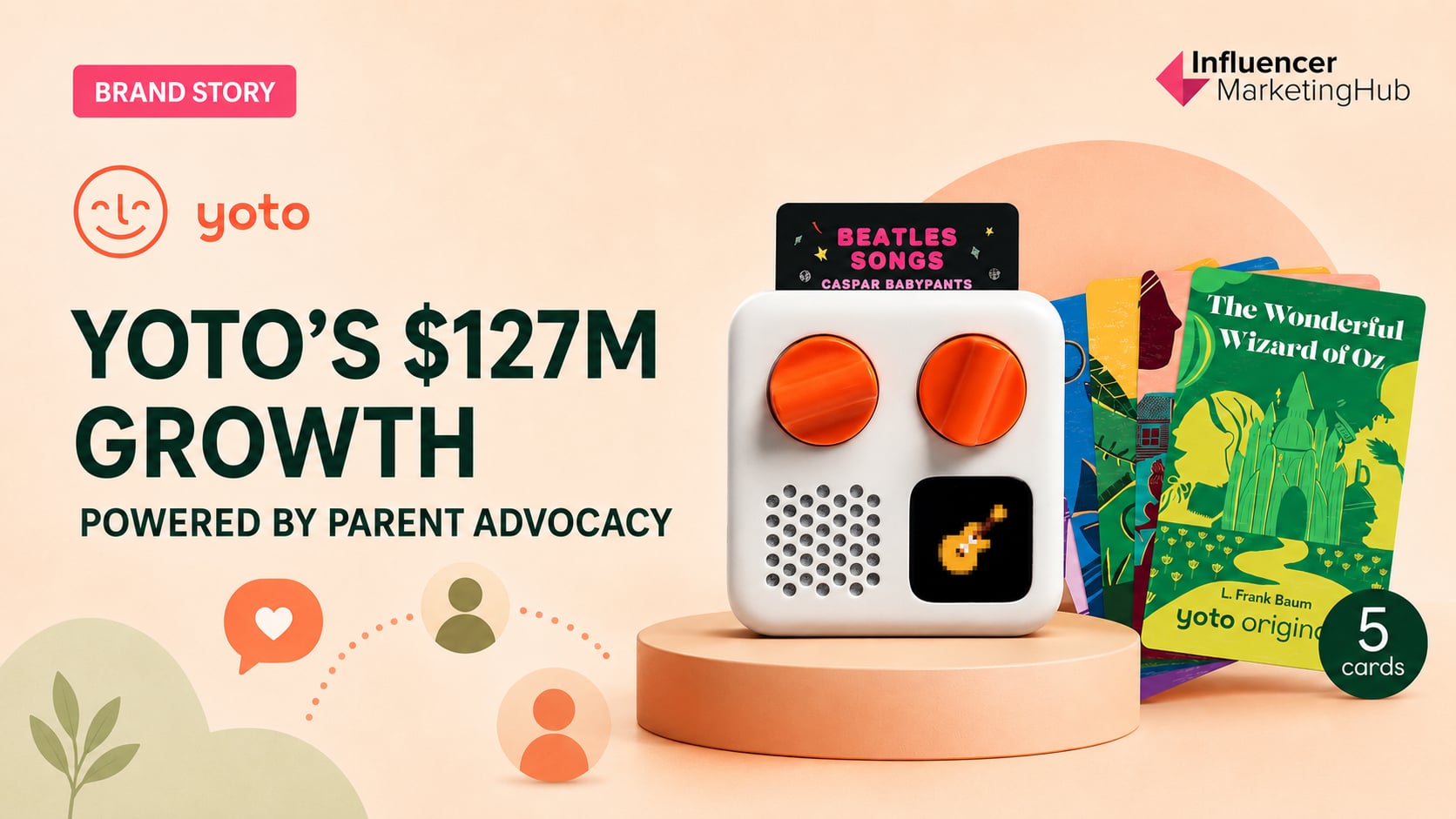
Yoto emerged precisely to address this critical need. Its flagship product, the Yoto Player, is a robust, intuitive audio device designed for children aged 3-12. Operated by physical cards that unlock a vast library of audio content, it offers a tactile and independent experience, empowering children to choose their own stories, music, and podcasts without the need for adult supervision or exposure to potentially harmful online content. This innovative approach resonated deeply with parents seeking a balanced media diet for their families, establishing Yoto not just as a product, but as a solution to a pervasive modern parenting dilemma.
The Genesis of Yoto: A Vision for Child-Led Play
Yoto was founded in 2017 by Ben Drury and Filip Denker, driven by a shared vision to create a digital audio platform that was fundamentally different from existing options. Their goal was to combine the richness of digital content with the tangible, independent play experiences reminiscent of physical media. They observed that while audio content for children existed, it was often tied to adult devices or lacked the interactive element that captivated young minds. The concept of physical cards, each representing a unique piece of audio, was born from this desire to give children autonomy and agency over their listening experience.
The initial development phase focused heavily on user-centric design, involving extensive testing with children and parents to ensure the device was durable, easy to use, and visually appealing. Safety was paramount, with the device built to be robust enough for young users and free from internet browsers, microphones, or cameras, mitigating privacy concerns. This foundational commitment to child-led interaction and parental peace of mind laid the groundwork for the deep trust and loyalty that would become Yoto’s hallmark. The first Yoto Player was officially launched in 2019, marking the beginning of its journey to redefine children’s audio entertainment.
Building a Foundation of Trust: The Advocacy Engine
Yoto’s remarkable growth to a $127 million valuation/revenue is not merely a story of innovative technology but a masterclass in fostering genuine brand advocacy. Unlike traditional marketing heavy on paid advertising, Yoto’s strategy centered on cultivating a loyal community of parents who would organically champion the brand. This was achieved through several interconnected pillars:
Product Design and User Experience
From its inception, Yoto prioritized a user experience that delighted children and reassured parents. The Yoto Player’s design is intentionally simple: two large, tactile buttons and a pixel display that shows relevant icons or simple animations. Children can insert physical cards to play content, offering a sense of control and independence. The device is portable, durable, and features a night light and alarm clock function, integrating seamlessly into a child’s daily routine. For parents, the accompanying app provides comprehensive control over content libraries, listening limits, and device settings, offering peace of mind. This thoughtful design, which caters to both sets of users, inherently reduces friction and enhances satisfaction, making parents more inclined to recommend it. The robustness of the device also means fewer complaints and a higher perception of value, further cementing positive sentiment.
Content Strategy: Curated Excellence
A device, however innovative, is only as good as the content it delivers. Yoto’s strategy in content curation has been pivotal. They understood that parents are not just looking for entertainment but for high-quality, age-appropriate, and often educational material. Yoto has meticulously built a diverse library, partnering with leading publishers such as Penguin Random House, HarperCollins, and Hachette to offer beloved stories from authors like Roald Dahl, Beatrix Potter, and Julia Donaldson. Beyond audiobooks, the platform includes a rich array of music, podcasts (including their own Yoto Daily and Yoto Radio), sound effects, and educational content. This commitment to quality and variety ensures that the Yoto Player remains engaging as children grow, offering fresh and stimulating experiences. The emphasis on carefully curated content, free from advertisements and inappropriate material, makes it a trusted source for parents, who in turn become advocates for the brand.
Community Engagement and Empowerment
Yoto actively cultivated its parent community. Social media groups, online forums, and dedicated customer service channels became vital hubs for feedback, discussion, and shared experiences. Parents were encouraged to share their children’s interactions with Yoto, post reviews, and offer suggestions for new content or features. A crucial element of this empowerment is the "Make Your Own" (MYO) cards feature, which allows parents to record their own stories, songs, or messages, or upload existing audio files, and link them to blank Yoto cards. This innovative feature transformed parents from passive consumers into active creators, deepening their engagement and emotional investment in the brand. When parents can personalize the experience for their children, the product becomes an integral part of their family life, fostering unparalleled loyalty and a strong desire to share their positive experiences with others.
The Power of Peer-to-Peer Recommendation
In the parenting landscape, trust is paramount. Recommendations from fellow parents, especially those within trusted social circles or online communities, carry significantly more weight than traditional advertising. Yoto skillfully harnessed this dynamic. Satisfied parents, having witnessed the benefits of screen-free engagement and the joy their children derive from the Yoto Player, naturally became enthusiastic evangelists. This organic word-of-mouth marketing proved incredibly effective, driving awareness and sales through authentic testimonials and shared experiences. The brand’s focus on creating a product that genuinely solves a problem and exceeds expectations meant that advocacy was a natural byproduct, rather than a forced marketing tactic. This authentic endorsement chain has been a cornerstone of Yoto’s meteoric rise.
A Chronology of Growth and Innovation
Yoto’s journey has been marked by strategic milestones that illustrate its rapid expansion and commitment to innovation:
- 2017: Founded by Ben Drury and Filip Denker, with the initial concept and prototyping phase.
- 2018: Successful crowdfunding campaign to validate market interest and secure initial funding, demonstrating early parent buy-in.
- 2019: Official launch of the first-generation Yoto Player in the UK, alongside the nascent content library.
- 2020: Expansion into the US market, capitalizing on growing global demand for screen-free solutions, particularly amplified by increased home time during the pandemic. Introduction of new content partnerships and further development of the Yoto app.
- 2021: Launch of the Yoto Mini, a more portable version of the player, catering to on-the-go families. This year also saw significant growth in the content library and a noticeable surge in community engagement metrics. Major funding rounds supported aggressive expansion plans.
- 2022: Continued international expansion across Europe. Focus on enhancing the "Make Your Own" card functionality and introducing new educational initiatives like Yoto Academy, an online platform for learning resources.
- 2023: Achieving the reported $127 million valuation/revenue milestone, solidifying its position as a major player in the children’s tech and entertainment market. Expansion of strategic partnerships with major intellectual property holders and continued investment in proprietary content.
This timeline showcases a consistent trajectory of product refinement, market penetration, and a relentless focus on expanding the value proposition for both children and parents.
Market Dynamics and Competitive Landscape
The children’s audio entertainment market is a rapidly expanding segment, projected to reach several billion dollars globally in the coming years, driven by increasing parental awareness of screen time issues and advancements in audio technology. Yoto operates within a competitive landscape that includes both direct and indirect rivals.
Direct competitors primarily include other screen-free audio players, most notably the Toniebox, which utilizes similar physical figurines to unlock content. While both offer distinct advantages, Yoto differentiates itself through its pixel display for visual cues, its broader content partnerships, and the robust "Make Your Own" card functionality, which offers unparalleled personalization.
Indirect competitors encompass a wider array of platforms, including audio streaming services like Audible Kids, Spotify Kids, and Apple Books, as well as educational apps and traditional physical media like books and CDs. Yoto’s advantage lies in its dedicated hardware, which isolates the child from the distractions and complexities of multi-purpose smart devices, offering a truly focused audio experience without ads or internet browsing capabilities. Its business model, combining hardware sales with ongoing content purchases, creates a robust ecosystem that fosters long-term customer engagement and recurring revenue.
Statements and Expert Perspectives
"Our vision for Yoto was always about empowering children to explore, learn, and imagine independently, without the pervasive influence of screens," states Ben Drury, CEO and co-founder of Yoto. "We believe in the power of audio to spark creativity, and seeing parents embrace this vision and become our most passionate advocates has been incredibly rewarding. Their feedback and support are integral to every decision we make, from product design to content curation."
A parent from Yoto’s online community, Sarah L., shared, "The Yoto Player has been a game-changer for our family. My son used to spend hours on a tablet, but now he’s completely absorbed by his Yoto stories. The ‘Make Your Own’ cards are brilliant – my mum recorded a few stories for him, and it’s so special. I’ve recommended it to all my friends."
Industry analysts concur with the effectiveness of Yoto’s approach. "Yoto’s success is a prime example of how a deep understanding of consumer pain points, combined with a community-first marketing strategy, can lead to exponential growth," explains Dr. Evelyn Reed, a market strategist specializing in consumer electronics. "Their ability to tap into the powerful network effect of parent advocacy, creating a virtuous cycle of positive reviews and organic recommendations, has allowed them to scale rapidly and efficiently in a competitive market." She adds, "The $127 million figure is not just a financial milestone; it represents significant market penetration and brand loyalty built on trust."
The Broader Implications: Redefining Kids’ Media Consumption
Yoto’s journey holds significant implications for the broader children’s media and technology landscape. Its success demonstrates a powerful shift in parental priorities, indicating a strong preference for products that promote healthy development over passive consumption. This trend could encourage other tech companies to innovate in screen-free or low-screen solutions, fostering a more balanced digital ecosystem for children.
Furthermore, Yoto provides a compelling case study for brands across industries on the efficacy of authentic advocacy. In an age of increasing consumer skepticism towards traditional advertising, cultivating genuine community, empowering users, and delivering exceptional value can be far more potent than large-scale marketing campaigns. Brands that prioritize product integrity, listen to their customers, and allow their users to become their most vocal champions are poised for sustained growth and deeper market penetration.
The impact extends to child development itself. By providing an alternative to visual media, Yoto encourages children to engage their imaginations more actively, develop stronger listening skills, and foster a love for stories and music. This promotes cognitive development, language acquisition, and emotional intelligence in ways that passive screen time often cannot.
In conclusion, Yoto’s transformation into a $127 million kids’ audio brand is a multifaceted success story. It is a testament to innovative product design, meticulous content curation, and, most importantly, the strategic cultivation of parent advocacy. By understanding and addressing a critical need in modern parenting—the desire for healthy, engaging, and screen-free entertainment—Yoto has not only built a thriving business but has also played a pivotal role in redefining how children interact with media in the 21st century, proving that genuine trust and community spirit can be the most powerful drivers of commercial triumph.

