
The landscape of Instagram growth has undergone a significant transformation, moving beyond the superficial allure of high follower counts to a sophisticated focus on audience quality, engagement trends, and brand-content alignment. Businesses and creators are increasingly recognizing that sustainable growth on the platform is not achieved through fleeting viral stunts but through consistent content creation, authentic audience engagement, and rigorous data analysis. This paradigm shift underscores a more mature approach to social media marketing, where metrics serve as actionable insights rather than mere bragging rights.
This comprehensive guide delves into the methodologies for monitoring Instagram follower growth effectively, identifying the most critical metrics, and translating complex data into strategic decisions that continually enhance content performance and overall brand objectives. It aims to equip marketers, agencies, and individual creators with the framework necessary to navigate Instagram’s dynamic environment with precision and foresight.
The Paradigm Shift: From Quantity to Quality
For years, Instagram’s success was often measured by the sheer volume of followers an account commanded. The pursuit of millions of followers became a primary objective, driving strategies that sometimes prioritized rapid acquisition over genuine connection. However, as the platform matured and influencer marketing became a cornerstone of digital strategy, a crucial re-evaluation began. Brands seeking to find influencers now demand more than just a large audience; they require evidence of an engaged, authentic following that aligns with their target demographics and values.
This shift is largely driven by several factors: increased sophistication in influencer marketing, a greater emphasis on return on investment (ROI), and Instagram’s own algorithm changes that prioritize meaningful interactions. The industry has recognized that a smaller, highly engaged audience often yields better marketing outcomes than a massive, disengaged one. A recent survey by Influencer Marketing Hub indicated that over 70% of brands prioritize engagement rates over raw follower count when evaluating potential partnerships, a stark contrast to earlier trends. This highlights the imperative for sustainable growth, built on genuine audience development, as opposed to short-term tactics designed solely to inflate numbers.
The Enduring Relevance of Follower Growth (with Nuance)
While the singular focus on follower count has diminished, its importance as a foundational metric remains, albeit with significant nuance. A steady, healthy follower growth trajectory signals several critical aspects of an Instagram profile:
- Credibility and Social Proof: A growing follower count indicates an active, relevant, and authoritative presence, which can attract new audiences and potential collaborators.
- Discoverability: Instagram’s algorithm often favors accounts with consistent growth, potentially increasing their visibility within explore pages and recommended content.
- Attractiveness to Partners: Brands still consider follower count as an initial screening factor, particularly for establishing broad reach, even if engagement dictates the final selection.
- Content Validation: Healthy growth often correlates with effective content strategies and successful audience targeting, suggesting that the content resonates with a wider audience.
However, this growth only becomes truly meaningful when accompanied by robust engagement and a loyal community. An account gaining 10,000 new followers but experiencing a plummet in likes, comments, and shares is effectively moving backward in terms of strategic value. Conversely, a smaller account consistently attracting highly engaged followers is poised to deliver superior marketing results and build a more resilient brand presence.
Key Metrics for Strategic Instagram Monitoring
Understanding Instagram performance requires a holistic view, moving beyond the easily digestible follower count to a suite of interconnected metrics. No single data point can provide the complete picture; rather, it is the interplay between various indicators that reveals the true health and trajectory of an account.
- New Followers: The gross number of accounts that followed during a specific reporting period. While indicative of acquisition, this must be balanced against unfollows.
- Unfollows: The number of accounts that ceased following during the same period. Tracking this helps identify potential issues with content, timing, or audience relevance. High unfollow rates can negate new follower gains.
- Net Follower Growth: Calculated as New Followers minus Unfollows. This metric provides a clear picture of whether the audience is expanding or contracting overall. For example, an account gaining 1,000 followers but losing 900 yields a net growth of only 100.
- Follower Growth Rate: Net follower growth expressed as a percentage of the audience size at the beginning of the period. This contextualizes growth, showing its magnitude relative to the existing base.
- Reach: The number of unique accounts that viewed any piece of content (posts, stories, reels). This is a primary indicator of brand awareness and content visibility.
- Engagement Rate: The percentage of reached users or followers who interacted with the content (likes, comments, saves, shares). It’s crucial to define the denominator (by reach or by follower count) for consistent comparison. Engagement by reach is often more accurate for content optimization, reflecting actual audience interest.
- Profile Visits: The number of times people visited the Instagram profile after encountering the account or its content. This signifies audience curiosity and potential intent to learn more.
- Saves: When users bookmark content. This is a strong signal of content utility and value, indicating that the content is considered worth revisiting.
- Shares: When users send content to others. This highlights content relevance and virality, indicating that users find the content compelling enough to distribute.
- Profile-to-Follow Conversion Rate: The percentage of profile visitors who subsequently became followers during the reporting period. This metric assesses the efficiency of content in converting interest into audience growth.
Tailoring Metrics to Business Objectives
The utility of specific metrics varies significantly depending on the overarching business goal. A small business launching a new product will prioritize different indicators than an established influencer seeking brand partnerships or a creator focused on community building.
| Goal | Primary Metric | Supporting Metrics |
|---|---|---|
| Brand Awareness | Reach, Impressions | Views, Shares, Profile Visits |
| Community Growth | Net Follower Growth | Growth Rate, Profile-to-Follow Conversion, Engagement Rate |
| Product Promotion | Attributed Conversions or Revenue | Link Clicks, Profile Visits, Conversion Rate |
| Influencer Partnerships | Campaign Result Tied to Objective | Qualified Reach, Engagement Rate, Audience Quality, Cost Per Result |
| Content Optimization | Engagement Rate by Reach | Saves, Shares, Watch Time (for video), Comments |
For product promotion, for example, while link clicks are supportive, they do not confirm a purchase. The primary metric must directly reflect the desired outcome, such as actual sales attributed to Instagram efforts. Similarly, content optimization metrics should be chosen based on content format; watch time is paramount for Reels, while saves might be more indicative of valuable educational carousels.
The Mechanics of Effective Instagram Data Tracking
Effective Instagram growth tracking transcends occasional glances at analytics. It necessitates a structured, consistent reporting process that identifies meaningful trends, evaluates campaign efficacy, and informs strategic adjustments.
Data Sources and Accuracy:
The type and depth of data available depend on the account being monitored and the level of access.
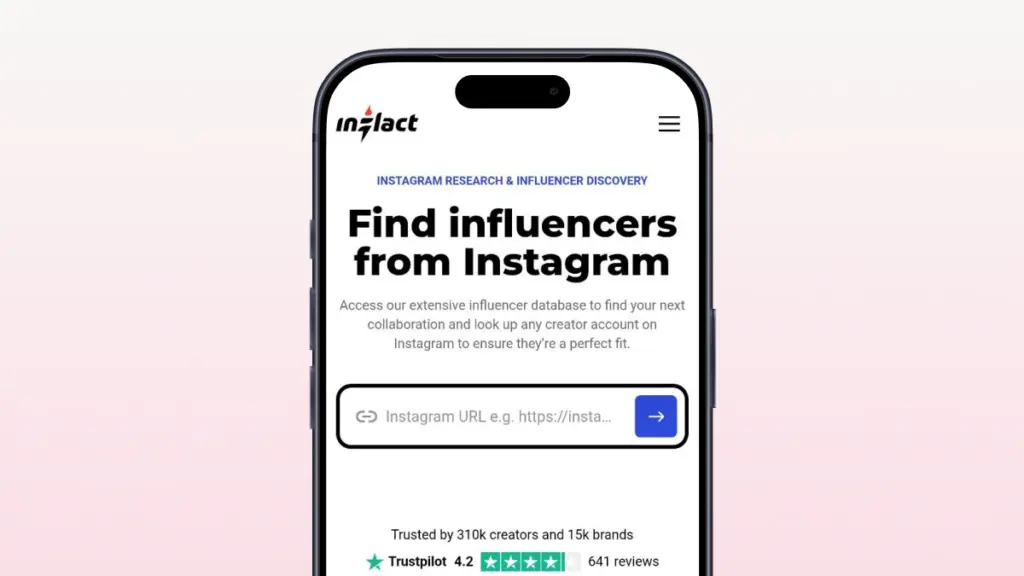
- First-Party Data: Accessible via Instagram Insights for business/creator accounts or through authorized third-party analytics tools (e.g., Inflact.com) with API connections. This provides detailed, accurate information on owned accounts.
- Publicly Observed Data: Available for any public profile, typically limited to follower counts, total likes/comments, and basic content statistics. This data is useful for competitive analysis or initial influencer vetting but should not be presented as definitive campaign performance without proper attribution and labeling.
Establishing a Consistent Reporting Routine:
A structured reporting routine balances short-term monitoring with long-term analysis, preventing overreaction to daily fluctuations while capturing overarching trends.
-
Calculate Follower Growth Correctly: Always use consistent calculations and reporting windows.
- Starting Follower Count: The number of followers at the beginning of the period.
- New Followers: Total additions during the period.
- Unfollows: Total subtractions during the period.
- Net Follower Growth: New Followers – Unfollows.
- Follower Growth Rate: (Net Follower Growth / Starting Follower Count) * 100.
- Example: An account starting with 20,000 followers, gaining 900, and losing 300, has a net growth of 600 (3% growth rate). Tracking unfollows separately helps identify if acquisition is being offset by churn.
-
Track Daily Performance Without Overreacting: Daily monitoring helps spot immediate content impact or unusual changes following specific activities (e.g., collaborations, ad campaigns). However, a single day’s performance rarely tells the whole story. Focus on:
- New followers acquired and lost.
- Spikes in reach or impressions.
- Engagement on new posts (likes, comments, saves, shares).
- Profile visits.
Recording these daily provides valuable context for interpreting weekly and monthly trends.
-
Build Weekly and Monthly Reports:
- Weekly Reporting: Ideal for comparing individual content pieces, evaluating short-term campaign performance, and assessing publishing consistency.
- Monthly Reporting: Crucial for identifying broader audience trends, assessing the long-term impact of strategic changes, and evaluating overall channel health.
- Quarterly Reporting: Provides a high-level overview of strategic marketing progress, allowing for adjustments to long-term objectives.
| Reporting Frequency | Primary Purpose |
|---|---|
| Daily | Monitor immediate content performance |
| Weekly | Compare campaigns and publishing consistency |
| Monthly | Identify long-term audience trends |
| Quarterly | Evaluate strategic marketing progress and ROI |
A consistent schedule prevents reactionary decision-making based on transient fluctuations, building a robust historical dataset for reliable analysis.
Example: Turning Data Into Better Decisions
Consider an account’s performance over two consecutive 30-day periods:
| Metric | Previous 30 Days | Current 30 Days |
|---|---|---|
| Followers at Start | 10,000 | 10,300 |
| New Followers | 500 | 900 |
| Unfollows | 200 | 250 |
| Net Follower Growth | 300 | 650 |
| Follower Growth Rate | 3% | 6.3% |
| Reach | 50,000 | 72,000 |
| Saves | 300 | 480 |
| Engagement Rate by Reach | 4.1% | 5.2% |
The data shows a significant improvement across all metrics in the current period. Net growth more than doubled, reach increased substantially, and engagement rate improved. This indicates that the increase was not merely in follower acquisition but was accompanied by increased content visibility and audience interaction.
The next step is to investigate the why. This involves comparing content formats, publishing frequency, collaborations, paid promotions, giveaways, or specific high-performing posts between the two periods. Analytics reveal what changed; content and campaign records explain why.
Interpreting Growth Patterns and Addressing Fluctuations
Healthy Instagram growth is rarely a smooth, upward curve. Accounts typically experience periods of rapid expansion, followed by plateaus, and occasional dips. Successful marketers avoid panic during these fluctuations, instead opting for a strategic, big-picture view.
- Recognize Normal Cycles: Understand that daily or weekly dips are often normal. Algorithm changes, seasonal trends, or content experimentation can cause temporary shifts.
- Analyze Trends, Not Isolated Points: Look for recurring patterns over weeks and months. For instance, educational carousel posts might consistently drive saves, while Reels introduce the profile to new audiences.
- Connect Actions to Outcomes: Maintain a detailed log of content changes, campaign launches, and major platform updates alongside performance data. This helps establish correlations.
- Segment Your Audience: If possible, analyze how different content types resonate with various segments of your audience.
Common Reasons for a Follower Drop and Strategic Responses:
Even top creators experience follower attrition. A temporary dip does not automatically signal strategic failure. Industry analysts suggest that Instagram’s ongoing efforts to combat inauthentic activity often result in periodic purges of fake or inactive accounts, which can manifest as temporary follower drops for many profiles. Overreacting to minor blips can sometimes create more problems than it solves.
| Cause | Recommended Response |
|---|---|
| Inconsistent posting schedule | Implement a content calendar for predictable, regular content delivery. |
| Stale or repetitive content | Refresh content themes, experiment with new formats, and incorporate audience feedback. |
| Instagram algorithm changes | Diversify content formats (Reels, Stories, Carousels) and experiment with posting times. |
| Removal of fake/inactive followers | Continue building an authentic audience through valuable content and genuine engagement. |
| Declining engagement | Enhance content quality, foster conversations, and actively respond to comments/DMs. |
| Seasonal trends affecting engagement | Compare current results to the same period in previous years to identify cyclical patterns. |
Before reacting drastically to a follower drop, ask crucial questions:
- Is this a short-term blip or part of a larger trend?
- Are other metrics (engagement, reach, profile visits) also declining?
- Did any recent content or campaign changes precede the drop?
- Are there external factors (e.g., algorithm updates, seasonal holidays) at play?
Answering these questions prevents hasty decisions based on incomplete data.
Best Practices for Sustainable Instagram Growth
Building a loyal and engaged Instagram following is a marathon, not a sprint. It demands consistency, patience, and a willingness to learn from analytics. While viral content can provide a temporary boost, long-term growth stems from ingrained habits and a commitment to audience value.
- Audience-Centric Content: Consistently deliver high-quality, relevant, and valuable content that addresses your audience’s interests, pain points, or entertainment needs.
- Authentic Engagement: Actively participate in conversations, respond to comments and DMs, and foster a sense of community. Engagement is a two-way street.
- Strategic Collaboration: Partner with complementary accounts, influencers, or brands to tap into new, relevant audiences.
- Data-Driven Iteration: Regularly analyze your performance data to identify what resonates and what doesn’t. Use these insights to refine your content strategy.
- Diversified Content Formats: Leverage Instagram’s full suite of features—Reels, Stories, Carousels, Live—to reach different segments of your audience and keep content fresh.
- Optimize for Discoverability: Utilize relevant hashtags, keywords in captions, and engaging Reel audio to maximize your content’s reach.
- Consistent Value Proposition: Clearly define your brand’s unique offering and communicate it consistently across all content.
Mistakes to Avoid When Tracking Followers
Analytics are only powerful if used correctly. Many creators and brands fall into common traps that hinder effective decision-making.
| Mistake | Better Approach |
|---|---|
| Over-reliance on follower count alone | Analyze multiple interconnected metrics (engagement, reach, saves). |
| Ignoring engagement metrics | Prioritize engagement rate as a key indicator of audience health. |
| Inconsistent tracking and reporting | Establish and adhere to a regular, structured reporting schedule. |
| Comparing unrelated accounts | Benchmark against similar creators or competitors within your niche. |
| Chasing fleeting viral spikes | Focus on strategies that foster sustainable audience development. |
| Making decisions based on short-term data | Analyze long-term trends and historical performance before acting. |
| Constantly changing strategy due to minor fluctuations | Allow new ideas sufficient time to yield results before pivoting. |
By avoiding these pitfalls, marketers can make more informed, strategic decisions that contribute to long-term audience growth and brand success.
Final Thoughts
Follower growth on Instagram should never be viewed in isolation. Its true significance emerges when contextualized within a broader framework of engagement, reach, profile visits, and audience retention. The most successful creators and brands are those who implement robust reporting systems that prioritize consistency and holistic analysis. By regularly reviewing historical data, comparing campaign performance, and meticulously documenting content outcomes, they move beyond guesswork to make informed, data-backed decisions.
Ultimately, sustainable growth on Instagram is not about rapidly accumulating the largest possible audience. It is about attracting the right people, cultivating their engagement, and continually refining strategies based on tangible insights. A disciplined analytics routine, therefore, offers far greater value than the constant stress of monitoring daily follower fluctuations, empowering brands and creators to build a resilient, impactful presence on one of the world’s most influential social platforms.
Turning Follower Data Into Decisions
Follower tracking truly becomes invaluable when it serves as a diagnostic tool, explaining the dynamics of audience acquisition, retention, content resonance, and ultimately, business outcomes. It transcends a simple tally, evolving into a narrative of audience interaction.
Begin by assessing net follower growth and growth rate to establish the overall trajectory. Then, leverage reach, engagement, profile activity, and conversion metrics to investigate the underlying causes of observed performance changes. Maintain consistency in calculation methods, meticulously annotate major campaigns and content modifications, and ensure comparisons are made between equivalent reporting periods. This systematic approach transforms a seemingly superficial follower count into a rich dataset capable of guiding critical marketing decisions, optimizing resource allocation, and driving strategic evolution on Instagram.

