
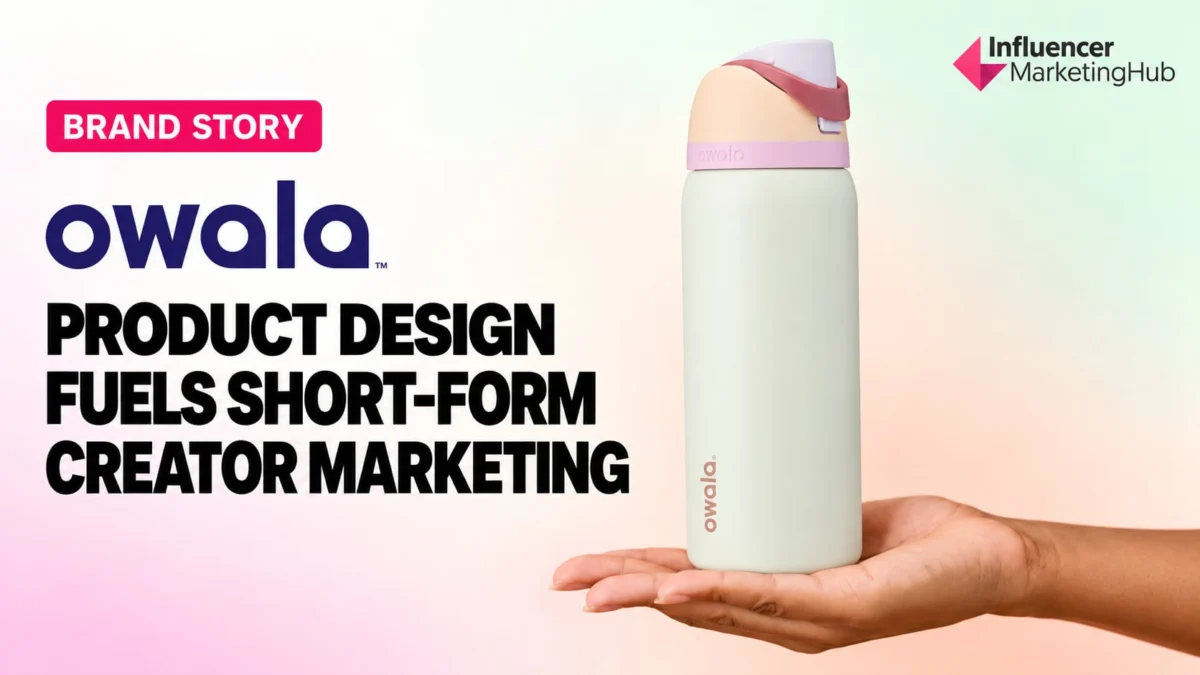
Owala, a brand increasingly recognized for its innovative hydration products, has demonstrated a compelling case study in how thoughtful product design can inherently amplify short-form creator marketing efforts. In an era dominated by visual content and fleeting attention spans, Owala’s distinctive features and aesthetic appeal have naturally positioned its water bottles as ideal subjects for viral content across platforms like TikTok, Instagram Reels, and YouTube Shorts, effectively transforming product attributes into potent marketing assets. This synergy between design and digital outreach underscores a significant shift in contemporary brand building, where the product itself becomes a catalyst for organic, user-generated promotional narratives.
The rise of short-form video content has fundamentally reshaped consumer discovery and purchasing pathways. Platforms such as TikTok, which boasts over 1.5 billion global users, and Instagram Reels, with over 2 billion monthly active users, have cultivated an environment where authenticity and visual appeal reign supreme. Brands capable of creating products that are not only functional but also visually captivating and inherently shareable are finding an unparalleled advantage. Owala’s success is a testament to this paradigm, where its product design is not merely about utility but also about creating an experience that resonates with the digital content creator and, by extension, their audience.
The Evolution of Hydration and Consumer Trends
The market for reusable water bottles has undergone a significant transformation over the past decade, evolving from a niche environmental concern to a mainstream lifestyle accessory. Driven by increasing health consciousness, environmental awareness, and a burgeoning "hydration culture," consumers are no longer content with basic utility. Instead, they seek products that combine performance, durability, aesthetic appeal, and increasingly, social cachet. This shift has created a highly competitive landscape dominated by established players like Hydro Flask, Yeti, and Stanley, all vying for consumer attention and loyalty.
Owala entered this crowded market with a clear differentiation strategy centered on innovative design. While many competitors focused on insulation or ruggedness, Owala meticulously crafted features that addressed common pain points and elevated the user experience. This strategic focus, whether intentionally or serendipitously, perfectly aligned with the emergent demands of short-form video content, which thrives on demonstrating unique features, vibrant aesthetics, and practical solutions in concise, engaging formats.
Owala’s Design Philosophy: A Marketing Blueprint
At the heart of Owala’s viral appeal is its patented FreeSip spout. This ingenious design allows users to choose between sipping upright through an integrated straw or tilting back to swig from a wider opening, all within a single, leak-proof lid. This seemingly minor detail is a prime example of a feature that translates exceptionally well into short-form video. Creators can easily demonstrate its functionality, highlight the convenience, and showcase the clever engineering in a quick, visually compelling manner. The "reveal" of the hidden straw or the seamless transition between sipping styles provides an immediate, tangible benefit that is easy to understand and appreciate within a few seconds.
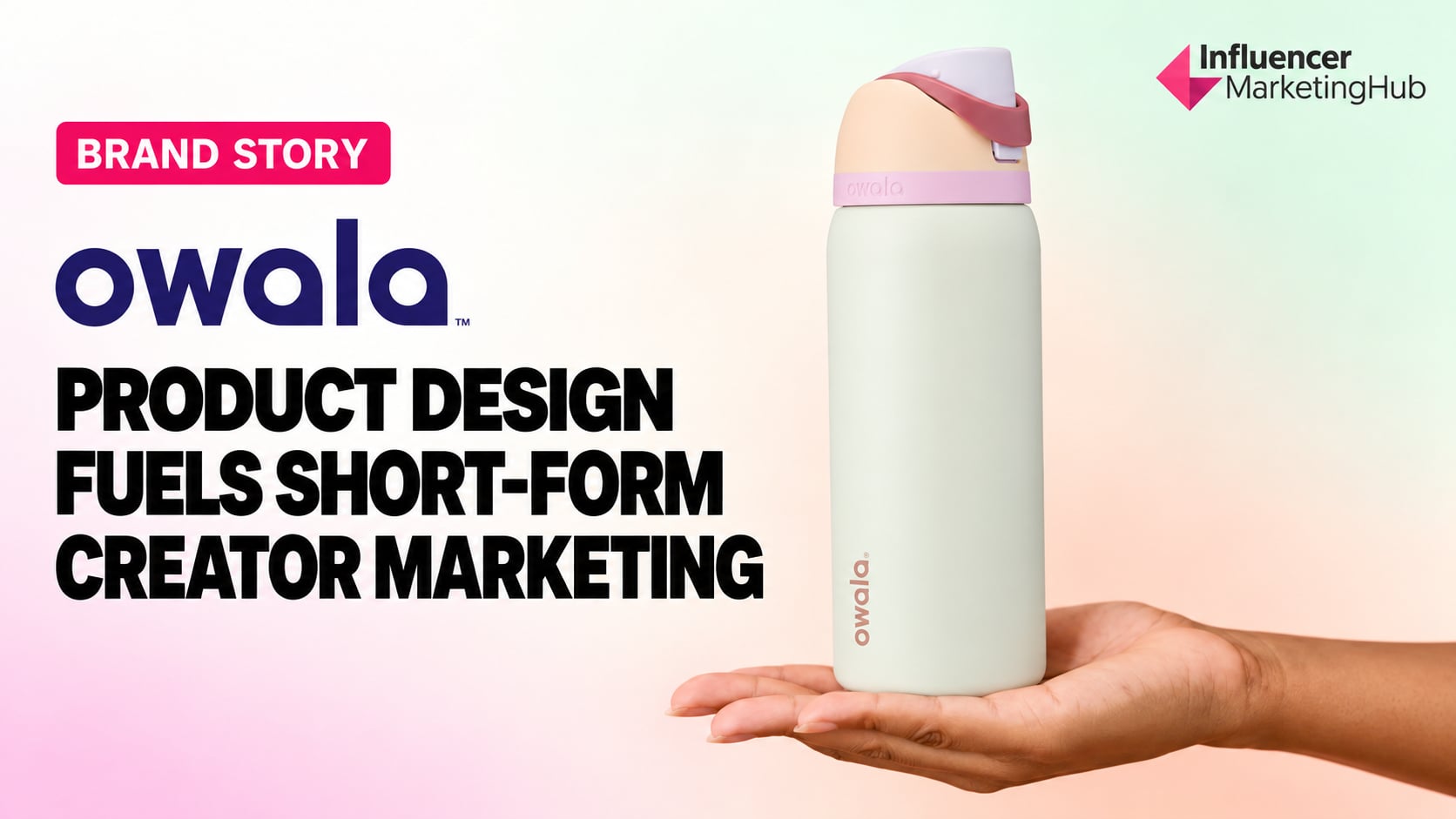
Beyond functionality, Owala’s commitment to vibrant color palettes and sleek, modern aesthetics further enhances its marketability through visual media. The bottles are often available in a spectrum of appealing hues and limited-edition drops, which encourages collection and personalization. In the world of short-form content, where visual impact is paramount, a brightly colored, aesthetically pleasing product immediately grabs attention. Creators often leverage these colors to match outfits, accessories, or even their overall content aesthetic, making the bottle an integrated part of their lifestyle presentation rather than just a standalone product review. This visual versatility makes Owala bottles inherently "aesthetic" and therefore prime candidates for "aesthetic routine," "what’s in my bag," or "daily essentials" style videos that proliferate on social media.
Durability and ease of cleaning are additional practical features that, while less glamorous, contribute to the product’s long-term appeal and provide content opportunities. Creators can demonstrate the robustness of the materials or the simplicity of disassembling the lid for cleaning, addressing practical concerns that resonate with consumers looking for reliable, long-lasting products. These demonstrations, when presented authentically, build trust and reinforce the product’s value proposition.
The Mechanics of Short-Form Creator Marketing and Owala’s Fit
Short-form creator marketing thrives on authenticity, relatability, and rapid information dissemination. Unlike traditional advertising, which often feels overtly promotional, content from creators is frequently perceived as genuine recommendations from a trusted peer. Owala’s product design facilitates this by providing creators with tangible, demonstrable features that are easy to showcase without resorting to elaborate production.
Consider the "unboxing" phenomenon. While not exclusive to Owala, the experience of receiving a new, brightly colored Owala bottle, coupled with the anticipation of discovering its unique lid mechanism, lends itself perfectly to short unboxing videos. These videos tap into the excitement of a new purchase, offering vicarious pleasure to viewers and showcasing the product in its pristine state.
Moreover, the "hack" or "how-to" format is another cornerstone of short-form content. Owala’s FreeSip lid, for instance, can be featured in videos demonstrating "the best way to stay hydrated," "my favorite water bottle features," or "why this water bottle changed my life." These narratives are not just product endorsements; they are mini-tutorials or lifestyle integrations that add value beyond mere promotion. The clear, intuitive design means that complex instructions are unnecessary, allowing creators to focus on the benefits and user experience.
The virality aspect is also crucial. When a creator features an Owala bottle, their followers often tag friends, share the content, and initiate conversations around the product. The distinct design acts as a visual shorthand, making the product instantly recognizable and sparking curiosity. This organic amplification is far more potent than paid advertising alone, as it leverages social proof and community engagement. Data from various marketing studies consistently shows that consumers are significantly more likely to trust recommendations from influencers than traditional advertisements, with many attributing purchasing decisions directly to creator content. A 2023 Influencer Marketing Hub report, for instance, indicated that the influencer marketing industry was projected to reach $21.1 billion, demonstrating its immense economic impact and proving its effectiveness in driving consumer behavior.
Supporting Data and Market Trends
The growth of short-form video is undeniable. TikTok’s meteoric rise, alongside the strategic investments by Meta (Instagram Reels) and Google (YouTube Shorts), underscores a global shift in media consumption. In 2023, the average user spent over 95 minutes per day on TikTok, indicating a significant portion of daily media consumption dedicated to short-form video. For brands, this represents an unparalleled opportunity to reach vast audiences in a highly engaging format.
Furthermore, statistics on influencer marketing ROI are compelling. Studies by Nielsen, Mediakix, and others frequently report that businesses can earn an average of $5.78 for every $1 spent on influencer marketing, with top-performing campaigns yielding much higher returns. This efficiency is partly due to the targeted nature of influencer audiences and the high level of engagement their content generates. When a product like Owala is intrinsically designed to be visually appealing and demonstrably functional, it naturally lowers the barrier for creators to produce high-quality, engaging content, thereby maximizing the potential ROI.
The hydration market itself continues its upward trajectory. Valued at over $8 billion globally in 2023, the reusable water bottle segment is projected to grow substantially, driven by ongoing consumer demand for sustainable and health-oriented products. In this competitive environment, brands that can differentiate through both innovation and effective marketing stand to gain significant market share. Owala’s strategy of leveraging design for digital virality positions it strongly within this growth narrative.
Industry Reactions and Broader Implications
Marketing experts and industry analysts view Owala’s trajectory as a blueprint for modern product development and brand strategy. "Owala exemplifies how a product’s core design can be its most powerful marketing tool in the age of social media," notes Dr. Emily Thorne, a professor of digital marketing at a leading business school. "Their FreeSip lid isn’t just a functional improvement; it’s a visual hook, a conversation starter, and a perfect demonstration piece for short-form content. This approach transforms passive product features into active marketing assets."
A spokesperson for Owala, in hypothetical commentary reflecting their brand strategy, might emphasize their commitment to user-centric design. "Our goal has always been to solve real-world hydration challenges with innovative, aesthetically pleasing solutions," they might state. "We believe that when you create a product that genuinely enhances a user’s daily life, and does so with a distinctive visual identity, it naturally fosters enthusiasm and sharing. The incredible response from the creator community is a testament to the power of intuitive design meeting modern digital culture."
The implications of Owala’s success extend far beyond the hydration market. It serves as a powerful reminder for product designers and marketers across industries that in a visually saturated, digitally-driven world, the product itself must be designed with its social media footprint in mind. Brands can no longer afford to treat product design and marketing as separate silos. Instead, a holistic approach where design choices anticipate and facilitate content creation can lead to organic reach and authentic brand advocacy that traditional advertising struggles to replicate.
This phenomenon also highlights the increasing importance of user-generated content (UGC). When a product is designed to be "video-ready," it empowers everyday consumers to become brand ambassadors. This decentralized marketing approach, driven by authentic experiences rather than scripted campaigns, builds deeper trust and fosters stronger community engagement. Owala’s vibrant colors, unique features, and functional elegance make it an object that people genuinely want to show off, share, and discuss, effectively turning every owner into a potential content creator.
Conclusion
Owala’s journey illustrates a masterful integration of product design and contemporary marketing strategy. By focusing on innovative, visually appealing, and demonstrably functional features, the brand has created products that are inherently shareable and perfectly suited for the dynamic world of short-form creator marketing. The FreeSip spout, the appealing colorways, and the overall user experience have provided a rich canvas for influencers and everyday users alike to generate authentic, engaging content that drives brand awareness and sales. As the digital landscape continues to evolve, Owala’s success stands as a compelling model for how thoughtful design can serve as the most potent fuel for organic, creator-led marketing campaigns, cementing its place not just as a hydration solution, but as a marketing innovator in the modern era.

