
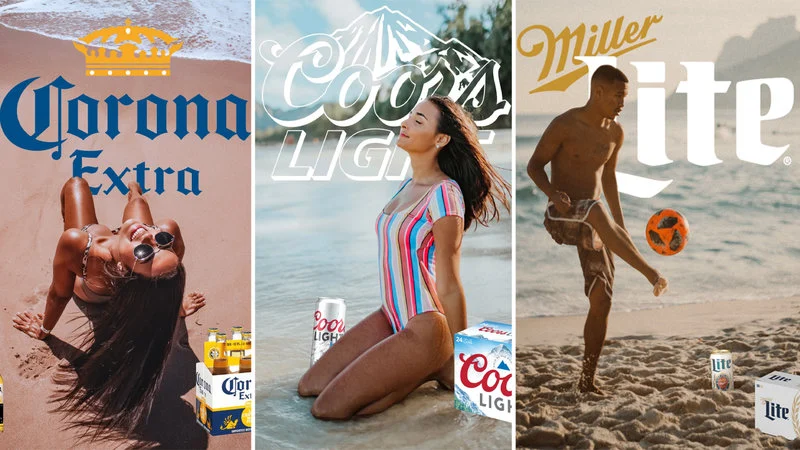
The Beer Poster Trend, an enduring digital phenomenon that first gained significant traction in the summer of 2021, represents a unique intersection of vintage advertising aesthetics and contemporary social media culture. Often referred to as the Fake Beer Posters Trend or the Beer Poster Challenge, the movement involves social media users—predominantly on TikTok and Instagram—recreating the stylized, often mid-century advertisements associated with major alcohol brands such as Budweiser, Corona, Miller Lite, and Coors Banquet. Characterized by a blend of pin-up photography, beachside scenery, and classic typography, the trend has evolved from a simple photo-editing challenge into a recurring seasonal tradition that highlights the power of user-generated content in the digital age.
The Genesis and Early Viral Success
While the exact origin of the first "fake" beer poster remains difficult to pinpoint due to the decentralized nature of internet memes, the trend’s explosive growth is documented as beginning in mid-June 2021. One of the earliest and most influential contributors was TikTok user lizzyfromtheblock99, who on June 20, 2021, shared a video showcasing her versions of Budweiser and Corona posters created for her boyfriend. The post served as a blueprint for the challenge, garnering over 3.8 million views and nearly half a million likes within its initial period of circulation.
The mechanics of the trend were straightforward but required a specific creative eye. Participants would take high-quality photographs of themselves, typically in swimwear or summer attire, and use graphic design applications to overlay brand logos, vintage filters, and slogans. The goal was to mimic the "Golden Age" of American advertising, specifically the 1940s through the 1970s, where beer brands frequently utilized "calendar girl" or pin-up imagery to sell a lifestyle of leisure and Americana.
Following the initial surge, the trend was quickly codified by digital lifestyle publications. On June 22, 2021, PopSugar published a guide titled "I Tried the Beer-Poster Trend That’s Taking Over TikTok, and It’s Pretty Easy to Do," which demystified the editing process for the general public. This was followed by coverage from trade publications like The Drink Business and fashion outlets like Refinery29, the latter of which described the challenge as a "whole summer mood."
Chronological Development and Seasonal Resurgence
Unlike many social media challenges that flame out after a single news cycle, the Beer Poster Trend has demonstrated remarkable longevity, reappearing annually as a "summer rite of passage" for content creators.
In 2022, the trend expanded its reach to Instagram, where the focus shifted toward high-production-value photography. Users like alli_dick exemplified this shift by integrating the trend into vacation photography, utilizing the aesthetic of brands like Modelo Especial to complement beach-front locales. By this stage, the trend had moved beyond a simple TikTok filter-style challenge into a legitimate form of amateur digital art.
By the mid-2020s, the trend saw a resurgence fueled by new technology. In May 2025, creators like beerposterbabe signaled a "comeback" of the challenge, which now integrated more sophisticated editing techniques. Furthermore, the introduction of generative Artificial Intelligence (AI) tools allowed users to create hyper-realistic vintage backgrounds or even generate the entire poster aesthetic from a single selfie. This technological leap lowered the barrier to entry while simultaneously raising the visual standard of the output.
In August 2026, the trend remained a staple of summer social media activity. Recent examples, such as those featuring Coors Banquet—a brand that already leans heavily into heritage and "legendary" status—demonstrated how users were tailoring their photography to match the specific "vibe" of different beers, from the rugged, western aesthetic of Coors to the clean, minimalist look of Michelob Ultra.
The Shift Toward Parody and Inclusivity
As the trend matured, it inevitably invited subversion. While the initial wave was dominated by "thirst trap" imagery—photos intended to be conventionally attractive—the second and third waves of the trend saw a significant increase in comedic and parody versions.
Men began participating in the challenge in large numbers, often posing in humorous or exaggerated ways that poked fun at the traditional pin-up tropes. This shift was highlighted by a June 2021 Reddit post in the /r/pics community, where a user shared a photo of his wife holding a printed, framed beer poster featuring himself in a comical pose. This "gifting" aspect became a core component of the trend; what began as a digital file often ended up as a physical item—a birthday or anniversary gift intended to be hung in "man caves," home bars, or dorm rooms.
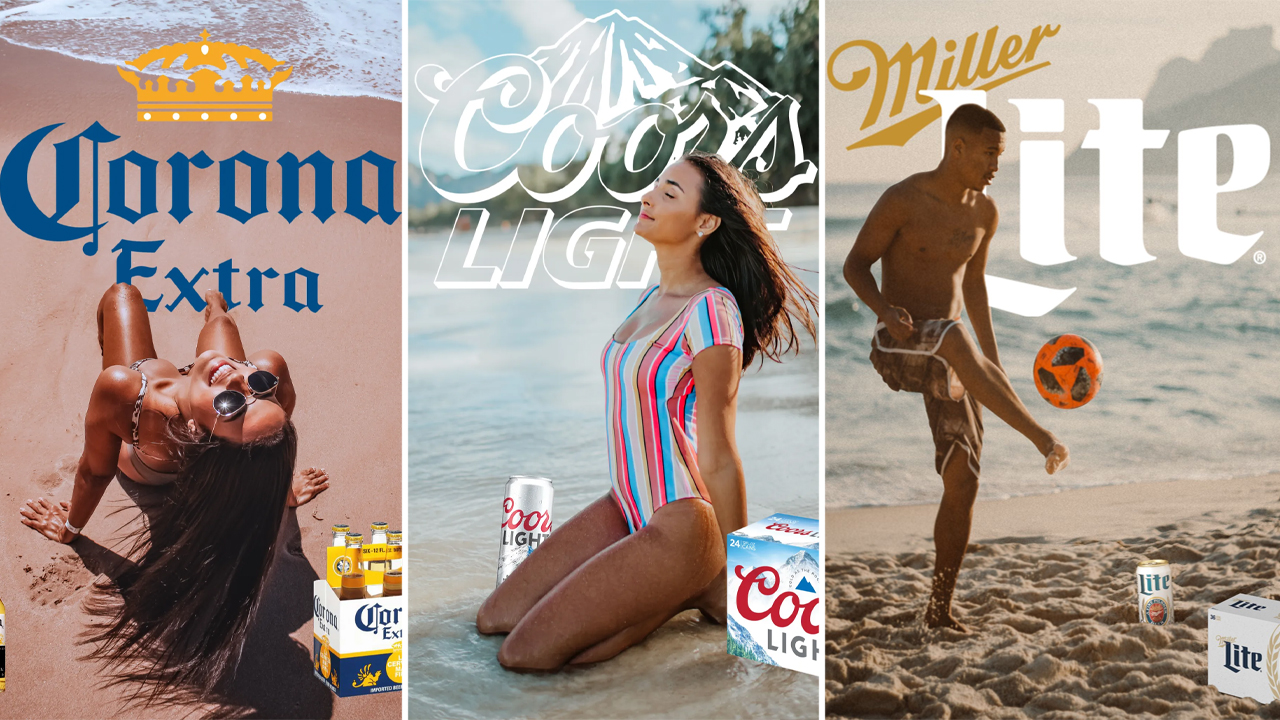
This evolution turned the Beer Poster Trend into a more inclusive cultural moment. It moved away from being a narrow beauty standard and toward a versatile creative template that could be used for romance, humor, or genuine brand appreciation.
Marketing and Brand Implications
From a marketing perspective, the Beer Poster Trend represents a "gold mine" of organic brand engagement. Companies like Anheuser-Busch and Constellation Brands (the US distributor of Corona and Modelo) found themselves the beneficiaries of millions of dollars worth of free advertising.
Industry analysts note several key implications for the brands involved:
- User-Generated Content (UGC): The trend provides brands with a library of lifestyle imagery that feels more authentic than traditional corporate ads.
- Brand Affinity: By associating beer brands with personal milestones and gifts, the trend fosters a deep emotional connection between the consumer and the label.
- Heritage Awareness: For younger generations (Gen Z and Millennials), the trend has revitalized interest in the "heritage" branding of companies like Pabst Blue Ribbon or Coors, making old-fashioned logos feel trendy and "retro-cool."
Despite the unauthorized use of logos, most major breweries have maintained a "hands-off" approach, recognizing that the trend poses little threat to their intellectual property while providing massive cultural relevance. The organic nature of the trend means that brands do not have to pay for placement; instead, the consumers pay the brands for the product to feature in their own self-produced "advertisements."
Analytical Overview: Why the Trend Persists
The persistence of the Beer Poster Trend can be attributed to several psychological and sociological factors. First is the "Nostalgia Loop." Modern consumers often romanticize the aesthetic of the past, even eras they did not live through. The "vintage beer ad" provides a sense of stability and classic Americana that contrasts with the fast-paced, often chaotic nature of modern digital life.
Second is the "Personalization of Media." We live in an era where individuals are their own brands. By placing oneself inside a famous brand’s template, a user is performing a "collab" with a major corporation, elevating their personal content to a professional visual standard.
Finally, the trend thrives on the "Gifting Economy." The transition from a digital image to a physical poster adds a layer of sentimentality. It transforms a fleeting social media post into a tangible artifact of a relationship or a moment in time.
Future Outlook and Technological Integration
As social media continues to integrate with AI and augmented reality (AR), the Beer Poster Trend is expected to evolve further. Future iterations may include AR filters that allow users to "see" themselves on a beer poster in real-time while standing on a beach, or AI models that can perfectly replicate the brushstroke style of 1950s illustrators like Gil Elvgren.
While the specific brands or platforms may shift, the underlying desire to merge personal identity with iconic commercial aesthetics remains a powerful driver of internet culture. The Beer Poster Trend has proven that with the right mix of nostalgia, creativity, and a touch of humor, a simple photo challenge can become a multi-year cultural staple.
In conclusion, the Beer Poster Trend is more than just a series of "thirst traps" or a passing TikTok fad. It is a sophisticated example of how modern consumers interact with brands—not just as passive recipients of advertising, but as active participants who reshape, parody, and celebrate commercial history through their own creative lenses. As long as summer beach trips and cold beverages remain a part of the cultural fabric, the "fake" beer poster is likely to remain a recurring fixture of the digital landscape.

