
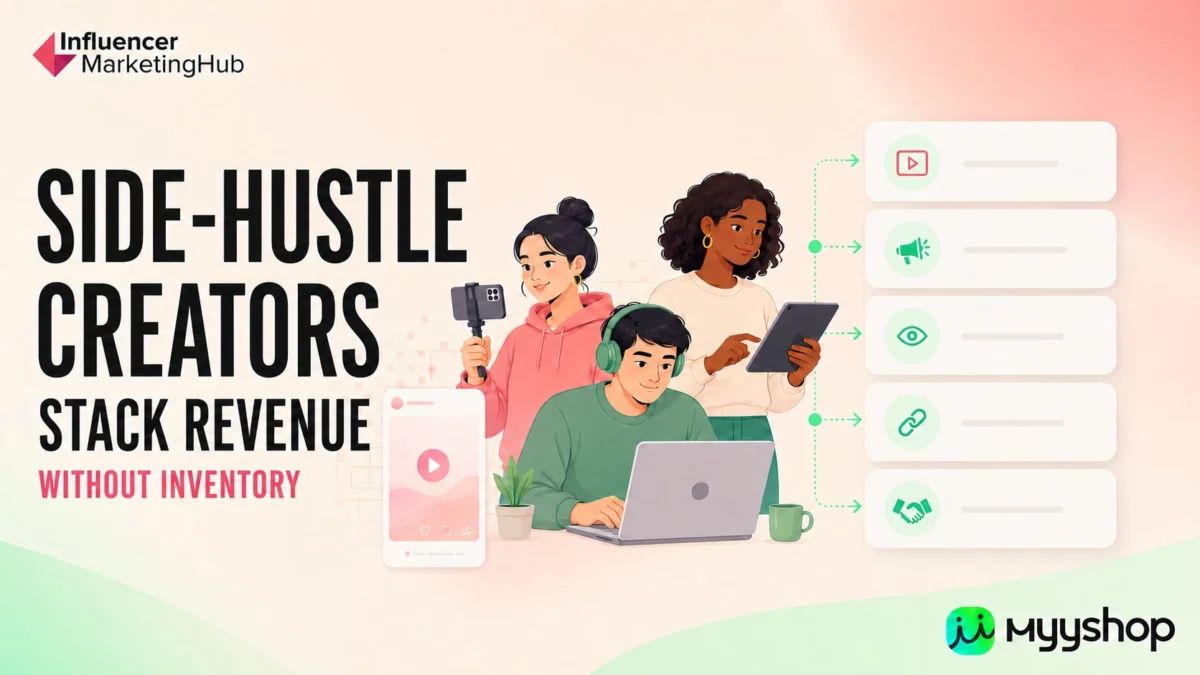
The Evolution of the Creator Economy and Inventory-Free Models
The concept of generating income outside of traditional employment is not new, but its current iteration is distinct. Historically, selling goods often necessitated significant upfront capital for inventory, storage, and distribution. From the local artisan selling crafts to a small business importing goods, physical inventory represented a substantial risk and operational overhead. The advent of the internet in the late 20th century began to chip away at these barriers, introducing e-commerce platforms that connected sellers directly with buyers. However, it was the proliferation of social media, digital tools, and specialized fulfillment services in the 21st century that truly catalyzed the inventory-free revolution.
The 2010s saw the rise of the "influencer" and the broader "creator economy," where individuals could build audiences around their passions, expertise, or unique content. Initially, monetization primarily revolved around advertising revenue, sponsorships, and direct patronage. Yet, as these creators sought more stable and diversified income, the limitations of traditional models became apparent. The desire to offer branded merchandise or specialized products often collided with the complexities of managing stock, shipping, and returns—tasks far removed from a creator’s core competency.
This challenge spurred the rapid development and adoption of business models specifically designed to circumvent inventory management. These include dropshipping, print-on-demand (POD), affiliate marketing, and the creation of digital products. Each model offers a distinct pathway for creators to monetize their audience, brand, or skills without ever touching a physical product or warehousing goods. This evolution marks a critical juncture, moving from a niche strategy to a mainstream approach for millions seeking financial independence and supplemental income.
Key Strategies for Stacking Inventory-Free Revenue
Side-hustle creators now have a diverse toolkit at their disposal to generate multiple income streams. These strategies are often combined, allowing for a robust and resilient financial ecosystem.
1. Digital Products: The Epitome of Scalability
Digital products represent perhaps the purest form of inventory-free revenue. These include e-books, online courses, digital templates (e.g., for graphic design, social media, resume building), presets for photography, software, stock photos, music, and exclusive content subscriptions. Once created, a digital product can be sold an infinite number of times without incurring additional production costs or requiring physical storage. Platforms like Gumroad, Etsy (for digital downloads), Teachable, Thinkific, and Kajabi enable creators to host, market, and sell these products with ease, handling payment processing and delivery automatically.
- Implications: This model boasts exceptionally high-profit margins and unparalleled scalability. A creator can invest time upfront to develop a high-quality course or e-book, then reap passive income for years. It allows creators to leverage their knowledge and expertise directly, transforming their intellectual property into a tangible asset.
2. Affiliate Marketing: Leveraging Trust and Reach
Affiliate marketing involves promoting other companies’ products or services and earning a commission on every sale made through a unique referral link. This strategy capitalizes on a creator’s established audience and their trust. Common platforms include Amazon Associates, ShareASale, ClickBank, and direct affiliate programs from various brands. Creators integrate these links into their content—blogs, videos, social media posts, newsletters—recommending products relevant to their niche.
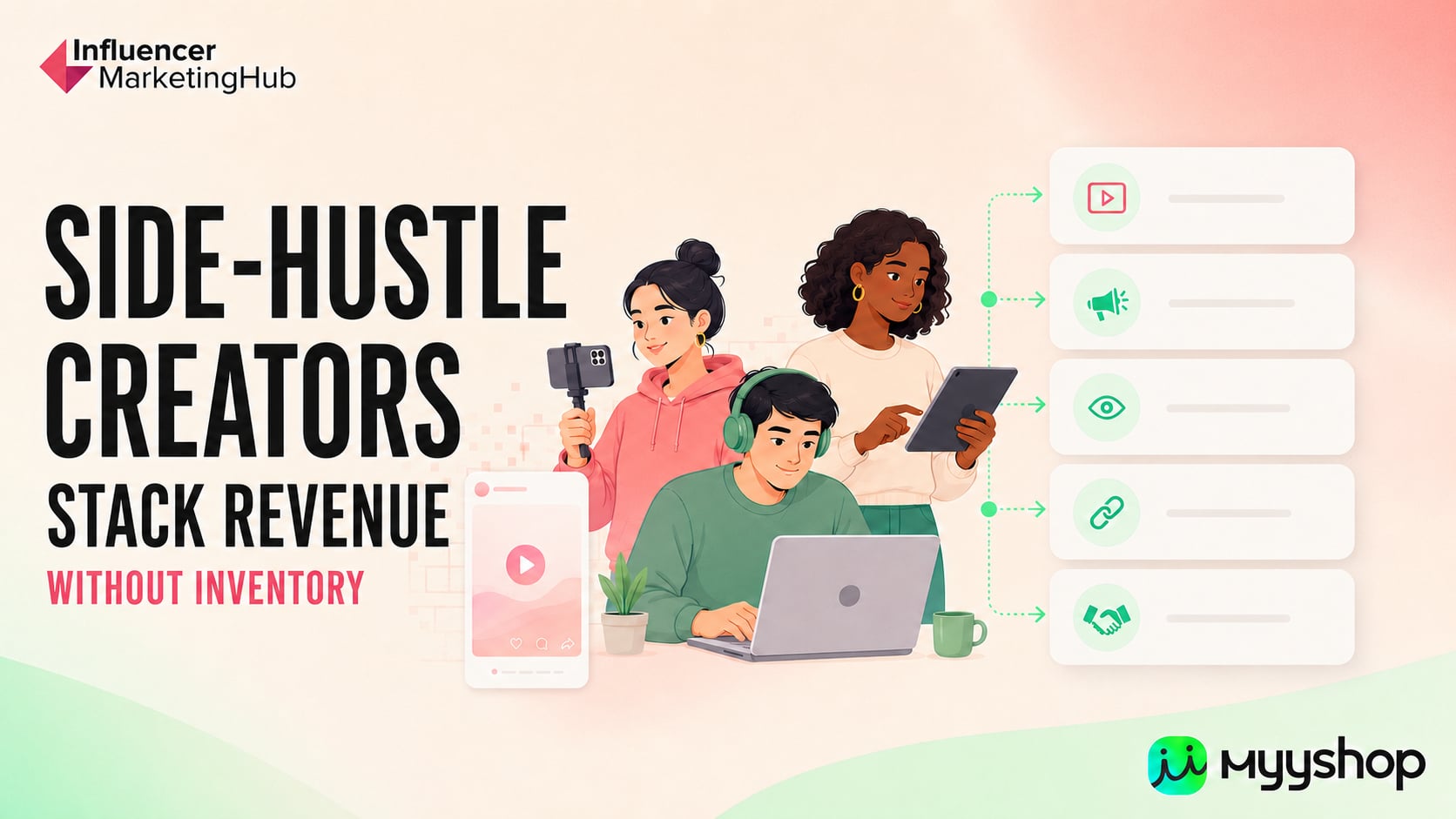
- Implications: This model requires no product creation, inventory, customer service, or shipping logistics from the creator. It’s a performance-based system where success is directly tied to a creator’s ability to influence purchasing decisions. Transparency is key, with regulatory bodies often requiring disclosure of affiliate relationships to maintain consumer trust.
3. Print-on-Demand (POD): Creative Expression Without Inventory
Print-on-Demand services allow creators to design custom merchandise—T-shirts, mugs, posters, phone cases, hoodies, tote bags, and more—which are only produced and shipped to the customer after an order is placed. Platforms like Printful, Printify, and Redbubble integrate directly with e-commerce stores (e.g., Shopify, Etsy), automating the entire fulfillment process. Creators simply upload their designs, and the POD service handles printing, packaging, and shipping.
- Implications: POD eliminates the need for creators to purchase bulk inventory, reducing financial risk and allowing for extensive product experimentation. It democratizes the merchandise market, enabling even small creators to offer professional-grade branded goods. While profit margins might be lower than digital products due to production costs, the zero-inventory benefit and creative freedom are significant advantages.
4. Dropshipping: A Broad Product Catalog with Minimal Risk
Dropshipping involves selling products directly from a third-party supplier to the customer. The creator lists products on their online store, and when a customer makes a purchase, the creator forwards the order to the supplier, who then ships the product directly to the customer. The creator never physically handles the product.
- Implications: This model allows creators to offer a vast catalog of products without any inventory investment. It’s excellent for testing market demand for various items and quickly pivoting if a product isn’t performing. However, quality control, shipping times, and customer service issues can be challenging as the creator relies heavily on the supplier. Despite these hurdles, dropshipping remains a popular entry point for many aspiring e-commerce entrepreneurs due to its low barrier to entry.
5. Services and Consulting: Monetizing Expertise Directly
While not "products" in the traditional sense, offering services or consulting is a direct way for creators to monetize their skills without inventory. This could include coaching, freelance writing, graphic design, social media management, video editing, or web development. Platforms like Upwork, Fiverr, or even a creator’s own website facilitate these transactions.
- Implications: This model leverages a creator’s unique expertise and time. It’s highly profitable but less scalable than digital products, as income is directly tied to hours worked or projects completed. However, it can often serve as a foundational revenue stream while developing more passive product offerings.
The Technological Backbone and Market Dynamics
The proliferation of these inventory-free models is inextricably linked to advancements in e-commerce technology and payment infrastructure. User-friendly platforms, integrated payment gateways (Stripe, PayPal), and sophisticated fulfillment APIs have streamlined operations, making it accessible even for individuals with minimal technical expertise.
The market for side hustles and creator-driven businesses has seen exponential growth. According to a 2023 report by the U.S. Census Bureau, the number of non-employer businesses—a proxy for many side hustles—has been steadily increasing, with millions of Americans reporting income from independent work. Furthermore, the global creator economy was valued at over $250 billion in 2023 and is projected to exceed $480 billion by 2027, according to various industry analyses. A significant portion of this growth is attributed to digital products and inventory-light physical goods. Data from Shopify indicates that millions of merchants leverage dropshipping and POD solutions, highlighting the widespread adoption of these models.
Statements and Expert Perspectives
Economists and industry analysts widely acknowledge the transformative impact of these inventory-free models. Dr. Anya Sharma, a lead researcher at the Institute for Digital Economy Studies, notes, "The shift away from inventory management lowers the barrier to entry for entrepreneurship significantly. It decentralizes wealth creation and allows individuals to pursue niche markets that were previously uneconomical for larger corporations. This fosters innovation and empowers a new generation of micro-entrepreneurs."
Successful creators also attest to the liberation these models offer. Sarah Chen, a lifestyle blogger who diversified into digital planners and POD merchandise, shared, "Before, I was constantly worried about how many notebooks to order, where to store them, and if they’d even sell. Now, I focus purely on design and content creation. The platforms handle the rest, freeing me to connect with my audience and develop new ideas, not manage logistics."
Representatives from leading platforms echo this sentiment. A spokesperson for Printful commented, "Our mission is to empower creators to bring their visions to life without the operational headache. We’ve seen a massive surge in creators leveraging our services to build thriving brands, proving that passion and creativity can be monetized effectively without traditional supply chain complexities."
Challenges and Considerations
While the benefits are substantial, side-hustle creators adopting inventory-free models must navigate certain challenges:
- Market Saturation and Competition: The low barrier to entry means increased competition. Standing out requires strong branding, unique value propositions, and effective marketing.
- Quality Control (Dropshipping/POD): Relying on third-party suppliers means creators have less direct control over product quality, shipping times, and customer service, which can impact brand reputation.
- Marketing and Audience Building: Even with great products, consistent effort is needed to attract and retain an audience, often through content creation, SEO, and paid advertising.
- Transparency and Trust: Especially in affiliate marketing, clear disclosure of partnerships is crucial to maintain audience trust and comply with regulatory guidelines (e.g., FTC guidelines in the U.S.).
- Taxation and Legalities: Understanding local and international tax obligations, intellectual property rights, and consumer protection laws is essential for sustainable growth.
Broader Impact and Future Implications
The rise of inventory-free revenue stacking is more than a trend; it represents a fundamental shift in how individuals interact with the economy. It fosters greater financial resilience by diversifying income sources and reducing dependence on single employers. It promotes creative freedom, allowing individuals to monetize their passions and skills directly.
Looking ahead, the integration of artificial intelligence (AI) is poised to further enhance these models. AI can assist creators with content generation, product design ideas, market research, customer service automation, and personalized marketing, making the process even more efficient and scalable. The increasing sophistication of virtual and augmented reality could also open new avenues for digital product experiences and interactive merchandising.
Ultimately, the ability for side-hustle creators to stack revenue without managing inventory is not just about convenience; it’s about empowerment. It democratizes entrepreneurship, allowing a wider array of voices and ideas to flourish in the global marketplace, shaping a more dynamic, flexible, and creator-centric economic future. This ongoing evolution underscores a powerful narrative: that with the right tools and strategies, anyone can transform their passion into prosperity, one inventory-free revenue stream at a time.

