
The digital landscape of early 2026 has been significantly shaped by a viral phenomenon known as Yeah! I’m Very Inclusive, an exploitable image macro and webcomic that provides a biting critique of contemporary social media interactions. Originally titled "Trying to Make Mutuals in The Big 26," the meme emerged in February 2026 and quickly became a cultural touchstone for users navigating the complex, often contradictory social hierarchies of platforms like X (formerly Twitter), TikTok, and Reddit. Utilizing a deliberately crude MS Paint aesthetic, the comic captures the specific anxieties and archetypes of "fandom" culture, where the pursuit of "mutuals"—users who follow each other—often leads to encounters with performative, hostile, or deeply eccentric personalities.
The Anatomy of the 2×3 Grid
The meme’s structure is a two-by-three grid featuring six distinct panels, each illustrating a specific archetype of an online user. The characters are drawn with minimal detail, emphasizing their dialogue and the symbolic objects they carry.
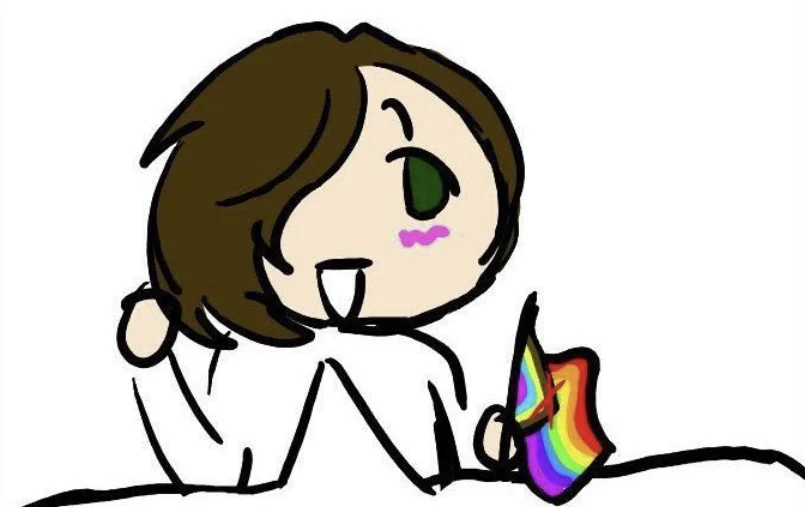
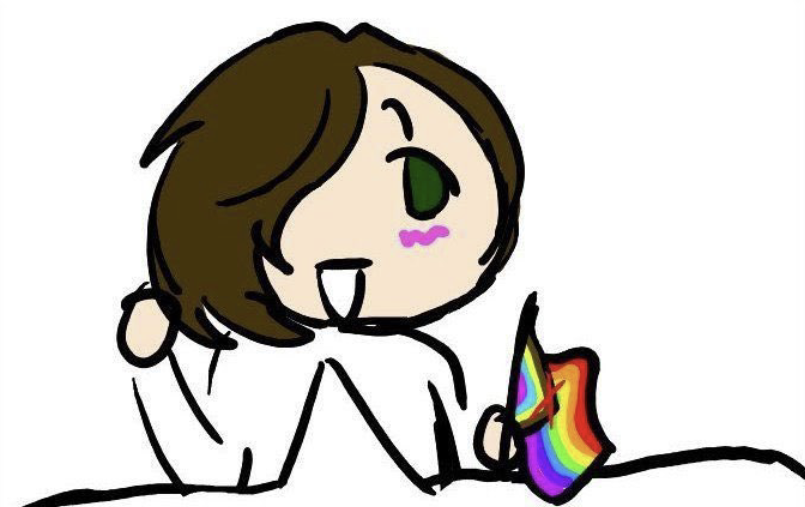
The first panel, from which the meme derives its most common name, depicts a character holding a rainbow LGBTQ+ pride flag. The character proclaims, “Yeah! I’m very inclusive, love is love!!” however, when asked for their opinion on Black people, the character deflects, stating, “Uhm… well I support gay rights!” This panel has been widely interpreted as a critique of performative activism and "exclusionary inclusion," where individuals champion one cause to mask prejudices in other areas.
The subsequent panels delve into other facets of 2026 internet culture:
- The "Cope" Panel: Features a character defending controversial or "problematic" fan fiction (specifically referencing "dubcon" or dubious consent) by claiming it is a "coping mechanism" for past trauma, labeling any critics as "ableist."
- The Timezone Panel: Highlights the ephemeral nature of digital friendships, where users have a mere "three-minute" window to interact before massive timezone differences force one party offline.
- The Aggressive Contrarian: Depicts a character who thrives on controversy, declaring, "I don’t owe anyone anything. F— you," reflecting a trend of hyper-individualism and hostility in online discourse.
- The Secret Alliance: Shows a character who maintains a "secret bestie" relationship with a toxic user while publicly distancing themselves, a commentary on the duplicity often found in social media cliques.
- The "Meanspo" Panel: Perhaps the most provocative, this panel features a character expressing extreme fatphobia and racism under the guise of "meanspo" (mean inspiration), a term often associated with toxic online subcultures.
Chronology of Viral Development
The origin of the meme is traced back to February 17, 2026, when X user @touybox posted the original comic. The caption, "trying to make mutuals in the big ’26," positioned the work as a relatable struggle for anyone attempting to build a social circle in the current digital climate. Within hours, the post garnered thousands of engagements, resonating particularly with artist, queer, and fandom communities who saw their daily frustrations mirrored in the crude drawings.
By March 2026, the meme had migrated to YouTube. On March 28, creator Torgan454 uploaded a voice-dubbed version of the comic. The video, which provided unique voices for each of the six archetypes, accumulated over 140,000 views within five months, further cementing the characters’ identities in the public consciousness.
The transition to Reddit occurred shortly thereafter. In April 2026, user DrakobloxxerForsaken shared a high-resolution screenshot of the comic on the /r/TheMatpatEffect subreddit. This post served as a primary archive for the meme after the original creator, @touybox, had their account suspended for reasons that remain officially unconfirmed but are speculated to be related to the platform’s automated moderation of the comic’s controversial text.
In May 2026, the "exploitable" phase of the meme began in earnest. On May 18, Redditor Quick_soda posted an "anti-meme" version on /r/antimeme, where the first panel was edited to show a character genuinely supporting both LGBTQ+ and Black rights, garnering 7,200 upvotes. On May 29, the meme entered the historical commentary sphere when /r/HistoryMemes user clearly_not_an_alien redrew the grid to represent former U.S. President Woodrow Wilson, satirizing his progressive domestic policies alongside his well-documented segregationist views.
Sociological Context and Terminology
To understand the impact of "Yeah! I’m Very Inclusive," one must understand the terminology of the "Big ’26." The term "mutuals" (or "moots") refers to a social contract on platforms like X and TikTok where two users follow each other to build a micro-community. In 2026, the pressure to maintain a high "mutual" count while navigating "cancel culture" has led to a high-stress environment where users often feel the need to vet their peers’ political and social stances constantly.
The meme also references "meanspo," a portmanteau of "mean" and "inspiration." Originally emerging from eating disorder subcultures, the term describes verbal abuse intended to "motivate" someone. By including this in the final panel, the meme critiques how genuine bigotry is often rebranded as "edgy" content or "tough love" within niche online circles.
Cross-Platform Proliferation
The meme’s spread to TikTok in mid-2026 marked a shift from static imagery to performance art. Users began using the "Yeah! I’m Very Inclusive" dialogue as a "sound" for short-form videos. Creators would cosplay as the different panels or use the audio to recount their own "horror stories" of trying to make friends in various fandoms, such as the Persona 5 or Vocaloid communities.
On TikTok, the hashtag #TheBig26 became a hub for users to discuss the specific toxicity of the 2026 internet. Data suggests that the meme resonated most strongly with Gen Z and Gen Alpha users, who are the primary architects of these digital social structures. The "Timezone" panel, in particular, became a standalone meme on TikTok, with users filming themselves "racing against the clock" to message friends in different countries.
Analysis of Implications
The enduring popularity of the "Yeah! I’m Very Inclusive" meme suggests a growing disillusionment with the state of online social interaction. From a journalistic perspective, the meme acts as a satirical "state of the union" for digital life. It highlights a paradox: as platforms become more interconnected, the quality of interaction often becomes more superficial, performative, or outright hostile.
The "exploitable" nature of the meme—allowing users to swap out the pride flag for other symbols or replace the MS Paint characters with historical figures—demonstrates its versatility as a tool for social critique. By reducing complex human behaviors to 2×3 panels, the meme allows users to categorize and dismiss the "types" of people that make the digital experience exhausting.
Furthermore, the suspension of the original creator’s account highlights the friction between satire and platform policy. While the comic was intended to mock bigotry and performative behavior, the inclusion of slurs and controversial topics (even in a critical context) often triggers automated censorship. This has led to a secondary conversation about the "death of the author" in the digital age, as the meme continues to thrive through screenshots and recreations despite the original source being erased.
Broader Impact on Digital Discourse
As of late 2026, "Yeah! I’m Very Inclusive" remains a staple of online reaction imagery. It is frequently used to "call out" influencers or public figures who exhibit the behaviors depicted in the panels. For instance, when a brand releases a pride-themed product while simultaneously facing allegations of workplace discrimination, it is common to see the first panel of the meme posted in the comment section as a form of shorthand criticism.
The meme has also influenced the "anti-fandom" movement, where users purposefully avoid the traditional "mutual" structure to escape the archetypes described in the comic. In this sense, a simple MS Paint drawing has moved beyond being a mere joke to becoming a framework through which users understand and navigate their digital identities.
The "Big ’26" may eventually pass, but the archetypes captured in @touybox’s grid—the performative ally, the aggressive contrarian, and the fleeting timezone friend—remain permanent fixtures of the human experience in the age of the algorithm. The meme stands as a historical record of a specific moment in time when the internet collectively laughed at its own dysfunction.

