
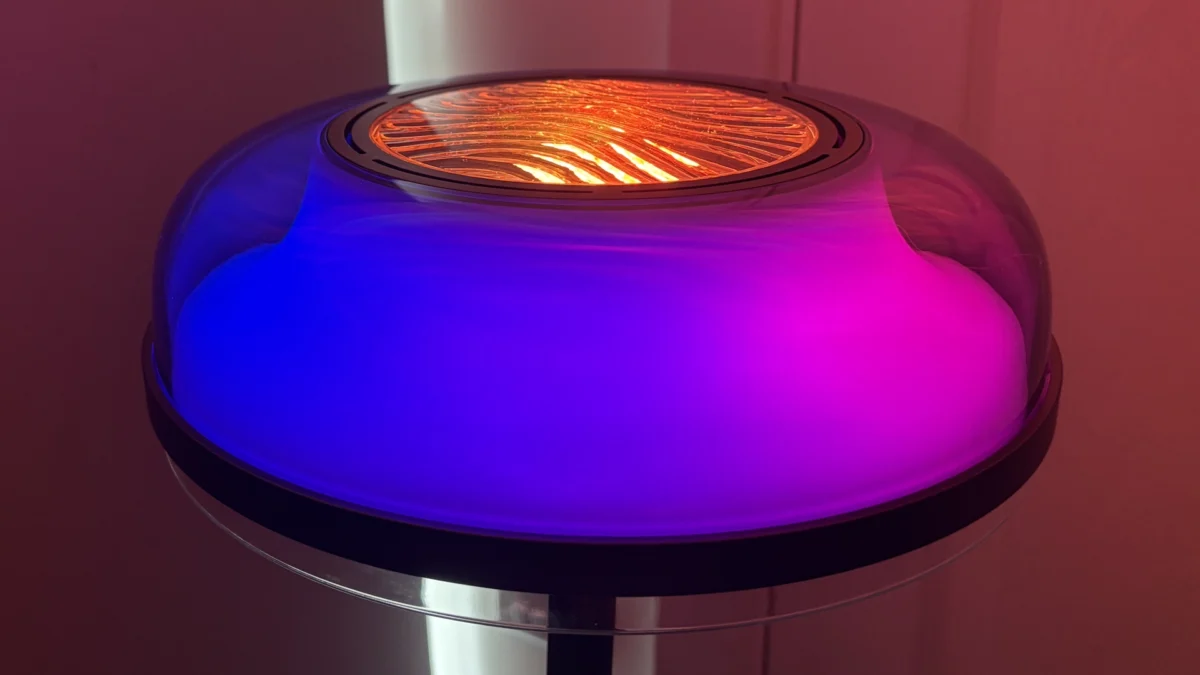
Govee and Nanoleaf, two prominent names in the burgeoning smart lighting market, often find themselves on the same consumer shopping lists despite occupying distinct segments. Both brands promise to transform living spaces with dynamic, customizable illumination that responds to mood, color, and even sound, yet their approaches to achieving this goal diverge significantly. Nanoleaf has carved out a niche by emphasizing advanced connectivity standards like Thread and Matter, coupled with aesthetically deliberate, wall-mounted panel designs that integrate seamlessly as decor. In contrast, Govee has opted for a broader product catalog, prioritizing accessibility through a wider range of lighting solutions and more competitive price points, betting that sheer value and extensive choice will resonate more strongly with a larger consumer base. This comprehensive comparison aims to dissect the offerings of both brands, providing clarity for consumers navigating the complex world of smart home illumination.
The Divergent Paths of Price and Product Range
A fundamental differentiator between Govee and Nanoleaf lies in the sheer breadth of their product portfolios and the associated pricing strategies. Govee boasts an expansive catalog that encompasses a diverse array of lighting solutions. This includes various bulb types, an extensive selection of indoor LED strips, floor and table lamps, and innovative camera-based TV lighting kits. Alongside these, Govee also offers its own lines of wall panels, aiming to provide a more budget-friendly entry into the decorative lighting segment.
Nanoleaf, by comparison, maintains a more focused product strategy. Its range is primarily concentrated on its signature wall-mounted panels, available in a variety of geometric shapes, along with a more limited selection of smart bulbs and light strips. The brand also develops accessories specifically designed to complement and enhance its panel installations, further solidifying its specialized market position.
This difference in product scope directly translates into price disparities. Nanoleaf’s panels typically command a higher per-unit cost compared to Govee’s equivalent wall-mounted offerings. Consequently, a comprehensive wall installation using Nanoleaf hardware represents a more substantial financial investment than covering the same area with Govee products. This pricing dynamic often guides consumer purchasing decisions: individuals seeking one or two striking statement fixtures tend to gravitate towards Nanoleaf for its premium design and perceived aesthetic payoff, while those looking to illuminate larger areas, fill specific functional gaps, or simply achieve a desired lighting effect at a lower cost are more likely to opt for Govee.
Both brands actively engage in competitive pricing through starter kits and bundle offers, which can narrow the price gap for consumers embarking on their smart lighting journey with either ecosystem. Nanoleaf often features attractive starter kit pricing for its panel ranges. However, even with these introductory offers, the initial investment for covering a significant wall area with Nanoleaf panels generally remains higher than an equivalent setup using Govee light strips or bulbs. This fundamental price difference persists even when factoring in promotional discounts and seasonal sales, underscoring the distinct value propositions of each brand.
Nanoleaf’s Dominance in Wall Panel Design and Quality
Nanoleaf has indisputably established itself as a leader in the wall-mounted smart lighting panel category. Its extensive range of shapes, including hexagons, triangles, squares, and the more recent bar-style "Lines," offers consumers unparalleled design flexibility. These modular lighting elements allow for intricate and personalized wall art that is both functional and visually striking.
The brand’s "Lines" product line, for instance, has garnered significant acclaim for its innovative design. Reviews have highlighted how these modular bars, with their customizable layout options and understated off-state appearance, function as genuine pieces of wall decor rather than mere technological gadgets. This attention to detail in design ensures that Nanoleaf panels contribute to a room’s aesthetic even when not illuminated.
Govee has entered this competitive arena with its own hexagon and "Glide"-branded panel lines, positioning them as more accessible alternatives to Nanoleaf’s premium offerings. While Govee’s panels provide a more affordable route to achieving a similar wall-art aesthetic, they are generally not considered direct competitors in terms of the sheer variety of shapes or the perceived quality of finish. This distinction is crucial for consumers specifically looking to create a statement wall. Nanoleaf remains the more established and refined choice for sophisticated panel design, while Govee’s panels serve as a compelling budget-friendly option.
The tangible difference in build quality often becomes apparent upon direct comparison. Nanoleaf’s panels generally exhibit a more robust feel, and many models feature integrated touch-sensitive controls directly on the panel surface. This allows users to adjust scenes or brightness levels without needing to access a smartphone app or issue a voice command, adding a layer of convenience and direct interaction. While Govee’s newer panel lines have improved in this regard, they still rely more heavily on their companion app for day-to-day control and customization.
Another area where subtle differences emerge is in the white light color temperature range. While specific model specifications vary, Nanoleaf’s panel lines often offer a broader tunable white spectrum. This is particularly beneficial for spaces that serve multiple functions, such as a home office that needs to transition from a bright, focused workspace during the day to a more ambient, relaxed setting in the evening. Govee’s panels, conversely, tend to prioritize vivid color effects, with a greater emphasis on dynamic visual displays rather than precise white light tuning.
Connectivity: The Thread and Matter Advantage for Nanoleaf
In the realm of smart home connectivity, Nanoleaf has made a significant strategic commitment to Thread and Matter support across its newer product lines. Thread is a low-power, IP-based wireless networking protocol designed for smart home devices, offering enhanced reliability, extended range, and improved responsiveness. Matter, a new connectivity standard, aims to simplify smart home device compatibility by enabling devices from different manufacturers to work together seamlessly.
Nanoleaf’s integration of Thread and Matter technology has been particularly beneficial for users within an Apple HomeKit ecosystem that supports Thread Border Routers. Devices like Nanoleaf’s Essentials bulbs and lightstrips have earned high marks for their performance and reliability when integrated into such setups. The advantage of Thread lies in its mesh networking capabilities: each connected Thread device acts as a repeater, extending the network’s range and reinforcing its stability. This results in a more robust and responsive smart home experience, with fewer connectivity dropouts and quicker command execution.
For users who do not possess a Thread Border Router, Nanoleaf devices can still be controlled via Bluetooth. However, this connection requires proximity to the lights, limiting control to within a shorter range.
Govee, on the other hand, primarily relies on Bluetooth and Wi-Fi for its connectivity. While this ensures basic local control and allows lights to remain functional during Wi-Fi router restarts, it does not offer the same low-latency, robust mesh networking that Thread provides. This fundamental difference in connectivity infrastructure can have significant implications for the overall performance and scalability of a smart lighting system, especially in larger homes or environments with numerous connected devices.
App Experience and Voice Control: Nuances in User Interaction
The user experience offered by the companion apps of Govee and Nanoleaf presents distinct strengths. Govee’s app is often lauded for its sophisticated scene-building tools, enabling users to create intricate, animated lighting sequences across multiple connected fixtures. This depth of control is particularly appealing to users who enjoy highly personalized and dynamic lighting displays, and it extends across a wider array of Govee’s diverse product offerings.
Nanoleaf’s app provides a more streamlined approach to scene creation and management. While it may not match Govee’s depth for complex multi-device animations, it excels in one critical area: voice-triggered scene calling. Nanoleaf’s saved scenes can be invoked using voice commands through both Amazon Alexa and Google Assistant. This feature offers a significant convenience for users who prefer hands-free control and have already integrated their smart home systems with these popular voice assistants.
In contrast, Govee’s voice-activated scene calling currently functions only through Amazon Alexa. Google Assistant users are unable to trigger saved Govee scenes via voice command without resorting to opening the Govee app. This limitation, though specific, represents a tangible difference for users heavily invested in a Google-based smart home ecosystem, impacting their ability to seamlessly integrate lighting scenes into their daily routines without app intervention.
Enhancing Entertainment: Screen and Gaming Synchronization
For consumers seeking to elevate their home entertainment experience, both Govee and Nanoleaf offer solutions for synchronizing lighting with on-screen content. Govee’s approach typically involves external camera units that are strategically placed to capture on-screen colors and brightness. This method is generally straightforward to set up and works out-of-the-box with various consoles and streaming devices without requiring additional software installations. The cameras effectively "read" the content displayed on the screen and translate it into corresponding light effects.
Nanoleaf’s screen-mirroring capabilities often rely on companion software that needs to be installed and run on a connected computer. While this software-based approach can offer more precise control over how the Nanoleaf panels react to on-screen content, it introduces an extra setup step that Govee’s camera-based system bypasses entirely. For users prioritizing ease of use and immediate integration, Govee’s camera solution often presents a more convenient option.
When comparing these brands to other prominent players in the smart lighting market, such as Philips Hue and Aqara, it’s important to note their respective market positions. Philips Hue, for example, generally aligns more closely with Nanoleaf in terms of price and perceived polish, often commanding a premium for its extensive smart home ecosystem integration and robust Zigbee reliability. Aqara, while offering competitive pricing, currently trails both Govee and Nanoleaf in terms of the variety of wall-panel options available.
The comparison between Govee and Philips Hue is frequently drawn, and the fundamental trade-off remains consistent. Hue products are typically several times more expensive per bulb or panel, offering Govee’s value proposition in exchange for tighter Zigbee reliability and deeper third-party integration. For gaming-specific setups, Govee’s lower per-unit cost can be a significant advantage, allowing users to cover a larger physical area with dynamic lighting for the same budget compared to Nanoleaf hardware.
Content creators and streamers often favor Nanoleaf panels for their on-camera appeal. The clean, defined aesthetic of Nanoleaf panels can appear more sophisticated and deliberate in the background of video calls or streams. In contrast, Govee’s strip-based lighting, while effective, can sometimes be perceived as more generically "gamer-coded" rather than an integrated design element.
The Verdict: Tailoring Smart Lighting to Individual Needs
Ultimately, determining a single "winner" between Govee and Nanoleaf is an oversimplification, as each brand effectively caters to distinct consumer needs and preferences. The choice hinges on individual priorities, budget, and desired user experience.
Govee is the preferred choice for consumers who aim to illuminate multiple rooms with smart lighting without incurring excessive costs. Its extensive product range also makes it ideal for those seeking specialized lighting solutions, such as the Govee Curtain Lights, which are particularly popular for seasonal decorations. The brand’s emphasis on value and a wide product selection makes it accessible to a broader market.
Nanoleaf appeals to consumers who prioritize statement wall fixtures with a strong design ethos, even when the lights are switched off. It is particularly advantageous for users who are already invested in a Thread-enabled Apple HomeKit setup, where the benefits of Matter support are fully realized in terms of practical performance and interoperability. However, potential buyers should be aware that customer service experiences with Nanoleaf have been described by some users as slow when hardware issues arise.
For those considering large-scale installations, such as replacing an entire GU10 downlight setup, careful consideration of product reliability is paramount. Even a small per-unit failure rate can become a significant practical challenge when dealing with a large number of individual fixtures, as opposed to a few statement panels. The decision between Govee and Nanoleaf, therefore, is not about one brand being universally superior, but rather about aligning a brand’s strengths with a consumer’s specific requirements for ambiance, functionality, and budget.

