
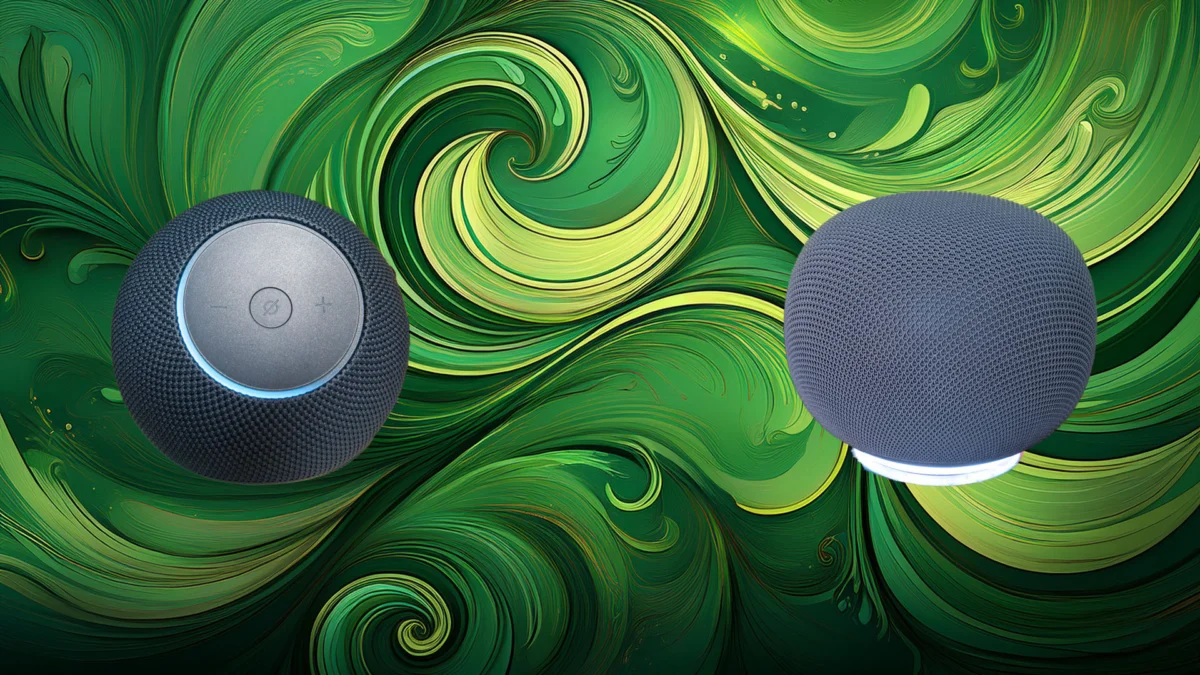
The burgeoning smart home market, once a nascent frontier, has largely coalesced around two dominant ecosystems: Amazon’s Alexa and Google’s Assistant (now integrated with Gemini). While consumers often search for direct comparisons like "Amazon Echo vs. Google Home," the true decision-making process delves far deeper than a simple hardware showdown. It hinges on a strategic commitment to a particular voice assistant, a preferred smart home standard, and an entertainment ecosystem that promises years of integration rather than fleeting trends. This comprehensive analysis aims to illuminate the multifaceted landscape of this crucial consumer choice, moving beyond the often-rehashed AI assistant debates and individual device matchups to explore the broader implications of aligning with either Amazon or Google.
The Foundation of Choice: Price, Device Range, and Ecosystem Lock-in
At the heart of the smart home decision lies the question of accessibility and variety. Amazon has consistently pursued a strategy of broad market penetration, offering a significantly more extensive and varied lineup of Echo devices. This approach ensures that a wider spectrum of consumers can find an entry point, regardless of budget or specific needs. The current Echo portfolio ranges from the ultra-affordable Echo Dot, a staple for many first-time smart speaker buyers, to more premium offerings like the Echo Studio, designed for audiophiles seeking immersive sound. The Echo Show series, with its integrated displays, caters to those desiring visual interaction and control, while the specialized Echo Hub serves as a dedicated smart home command center. This expansive product catalog, coupled with a near-constant cycle of sales and discounts, makes Amazon a consistently attractive option for budget-conscious consumers or those looking to outfit multiple rooms without significant financial outlay.
Google, conversely, has adopted a more curated and deliberate approach to its hardware offerings. While the Nest Mini and Nest Audio have been phased out, the core of its smart speaker lineup now centers around the Google Home Speaker, complemented by the Nest Hub smart displays. This narrower product range, while potentially simplifying choices for some, often translates to a higher baseline price across comparable tiers. Historically, Google’s sales events have been less frequent and less aggressive than Amazon’s, presenting a less dynamic pricing landscape for consumers actively seeking deals. This strategic divergence in product strategy and pricing has a tangible impact on market share and consumer perception, with Amazon often perceived as the more accessible and value-driven option for widespread smart home adoption.
Beyond sheer product numbers, the design philosophy also plays a role, albeit a more subtle one. Both Amazon and Google have invested in aesthetically pleasing and functional designs for their devices. However, Amazon frequently incorporates more practical user interface elements, such as physical mute buttons and strategically placed camera lenses on its Echo Show devices. While not typically a deal-breaker, these thoughtful design choices can contribute to a more seamless user experience, particularly for devices destined for prominent living spaces.
The Evolving Intelligence: Alexa+ vs. Gemini for Home
The recent integration of generative AI into both Alexa and Google’s Assistant represents a significant evolutionary leap, fundamentally altering the capabilities and user interaction paradigms of these smart home platforms. This shift warrants a detailed examination, moving beyond superficial feature comparisons. Amazon’s Alexa+, built upon a foundation of extensive user data and ongoing development, has demonstrated notable strengths in areas such as persistent memory, sophisticated document handling, and the ability to orchestrate complex, multi-step smart home routines. This capacity for nuanced command chaining and contextual understanding positions Alexa+ as a powerful tool for users seeking advanced automation.
Google’s Gemini for Home, while designed to foster more natural and conversational interactions in everyday exchanges, has, in early assessments, shown limitations in handling layered requests and constructing intricate voice-activated routines. While it excels in fluid dialogue, its current architecture appears less adept at managing the complex, multi-conditional commands that define advanced smart home automation. The implications of this AI divergence are substantial. For users prioritizing sophisticated home automation, task management, and a deeper level of intelligent assistance, Alexa+ currently appears to hold a discernible advantage. Conversely, those who value a more conversational and intuitive everyday interaction might find Gemini for Home more appealing, though its practical utility in complex smart home scenarios remains an area for continued observation and development. The ongoing evolution of these AI models suggests a dynamic and competitive landscape, where future updates could significantly alter the current balance of capabilities.
Bridging the Gap: Smart Home and Third-Party Device Compatibility
A critical determinant in the smart home ecosystem choice is the breadth and depth of third-party device compatibility. For years, Amazon’s Alexa has maintained a commanding lead in this arena, a testament to its early market entry and consistent outreach to manufacturers. The ubiquity of Alexa integration as a default feature across a vast array of smart home products, from lighting and security to appliances and entertainment systems, underscores its widespread adoption. This extensive compatibility simplifies the process of building a cohesive smart home, allowing users to integrate devices from numerous brands seamlessly.
A significant advancement in this area for Amazon has been the incorporation of built-in Zigbee and Thread hubs in newer Echo models. This integration eliminates the need for separate bridge devices for many Zigbee and Thread-based smart home accessories, such as bulbs, sensors, and locks. This streamlined approach significantly reduces setup complexity and cost for consumers embarking on building a smart home from scratch. While Google’s new Google Home Speaker now supports Thread, the absence of Zigbee in its integrated hubs represents a comparative limitation for users relying on the extensive range of Zigbee-enabled devices.
Ultimately, the "better" ecosystem often depends on pre-existing device ownership or planned purchases. For instance, Ring security devices, now under Amazon’s umbrella, exhibit a particularly smooth integration within the Alexa ecosystem. Similarly, Nest-branded cameras and thermostats naturally align with Google’s platform. For consumers focusing on basic smart home functionalities like lights and smart plugs, either ecosystem is likely to be adequate. However, for those planning to invest in more specialized devices such as cameras, thermostats, or advanced sensors, a thorough compatibility check with their preferred brands is an essential prerequisite before committing to a platform.
Furthermore, some Echo devices offer unique integrated sensing capabilities, such as built-in temperature sensors that can trigger automations without requiring separate smart sensors. Additionally, certain Echo models can function as Wi-Fi network extenders when paired with Amazon’s Eero mesh routers, a niche but valuable feature for existing Eero users. These additional functionalities, while not core to the smart home compatibility debate, contribute to the overall value proposition of the Amazon ecosystem for specific user segments.
The Entertainment Nexus: Prime Video and Amazon Music vs. YouTube and Chromecast
The entertainment dimension of the smart home battleground presents a clear structural advantage for Google, primarily due to its native integration of YouTube and Chromecast across its smart displays and speakers. The seamless experience of requesting a YouTube video on a Nest Hub, for example, stands in stark contrast to the more circuitous route through a web browser on an Echo Show, which often feels less integrated and more cumbersome. This native support extends to Chromecast functionality, allowing users to cast content from their smartphones directly to Google smart devices with minimal setup. This inherent synergy between Google’s core entertainment services and its smart home hardware offers a compelling proposition for users deeply embedded in the YouTube and Chromecast ecosystem.
Amazon counters with its own formidable ecosystem lock-in, centered around Prime Video, Amazon Music, and integrated voice-activated shopping. For households already subscribing to Amazon Prime, the seamless access to Prime Video and Prime Music through Alexa presents a significant convenience factor. The ability to reorder household essentials, track deliveries, or play content from a Prime subscription directly through voice commands is a powerful draw. This advantage is particularly pronounced for existing Prime members, where the smart speaker choice becomes less about acquiring new services and more about optimizing the utilization of existing subscriptions.
In the realm of home theater, Amazon’s Echo range often exhibits greater flexibility, offering a wider array of speaker-pairing configurations, dedicated subwoofer options, and robust Dolby Atmos support. This caters to users seeking a more sophisticated and immersive audio-visual experience. Google’s offering in this space, while functional, tends to be simpler, typically involving pairing two Google Home Speakers with a Google TV Streamer for basic stereo sound.
Music streaming further illustrates the ecosystem dynamics. While both platforms support a broad range of third-party streaming services, Amazon Music and Prime Music are naturally prioritized within the Alexa environment. Notably, YouTube Music remains a service that Echo owners specifically miss out on. Google speakers, conversely, natively support YouTube Music, reflecting the ownership synergy. For most listeners, the practical difference often boils down to which single streaming service, if any, a household already subscribes to and wishes to have as the default.
Communication and Connectivity: Drop-In vs. Phone-Number Calling
Among the more distinct differentiators is the approach to communication features. Amazon’s proprietary "Drop-In" feature facilitates instant audio or video calls between Echo devices within a household or between pre-approved contacts. While useful for quick check-ins or communicating between rooms, its utility is confined to users within the Amazon ecosystem. It does not offer a pathway to connect with individuals who do not own Amazon hardware.
Google’s strategy, in contrast, offers a more universally applicable communication solution. Google smart speakers and displays can directly dial any standard phone number in the US and Canada, effectively transforming the device into a hands-free landline substitute. This broad accessibility makes it a more practical choice for users who frequently need to contact individuals outside of the smart home ecosystem. Smart displays with cameras on either side further enhance this capability by enabling video calling, though Amazon currently offers this feature across a broader spectrum of its display devices than Google.
The Verdict: Navigating the Smart Home Landscape
The decision between an Amazon Echo and a Google Home device is a nuanced one, extending far beyond the immediate appeal of a particular voice assistant. Amazon’s strategy of offering a vast and competitively priced product range, coupled with its extensive third-party device compatibility and robust smart home integrations, positions it as a highly accessible and versatile choice. The continuous innovation in Alexa+, particularly its advanced AI capabilities for smart home automation, further solidifies its appeal for users seeking sophisticated control.
Google, while maintaining a more focused hardware lineup, leverages its strengths in native entertainment integration with YouTube and Chromecast, and its conversational AI advancements with Gemini. Its ability to function as a hands-free telephone alternative offers a distinct communication advantage for many households.
Ultimately, the "better" ecosystem is subjective and contingent upon individual priorities. For users prioritizing a wide selection of affordable devices, extensive smart home compatibility, and advanced automation capabilities, Amazon’s Echo ecosystem often presents a more compelling proposition. Conversely, those who value seamless integration with Google’s entertainment services, a more conversational AI experience, and broad telephone calling capabilities may find Google’s offerings more aligned with their needs. As both ecosystems continue to evolve, driven by rapid advancements in AI and expanding smart home technologies, consumers are poised to benefit from increasingly sophisticated and integrated smart home experiences, regardless of their chosen platform. The ongoing competition between these tech giants ensures a dynamic future for the smart home, characterized by continuous innovation and an expanding array of possibilities for connected living.

