
The August 2026 Announcement and Immediate Reception
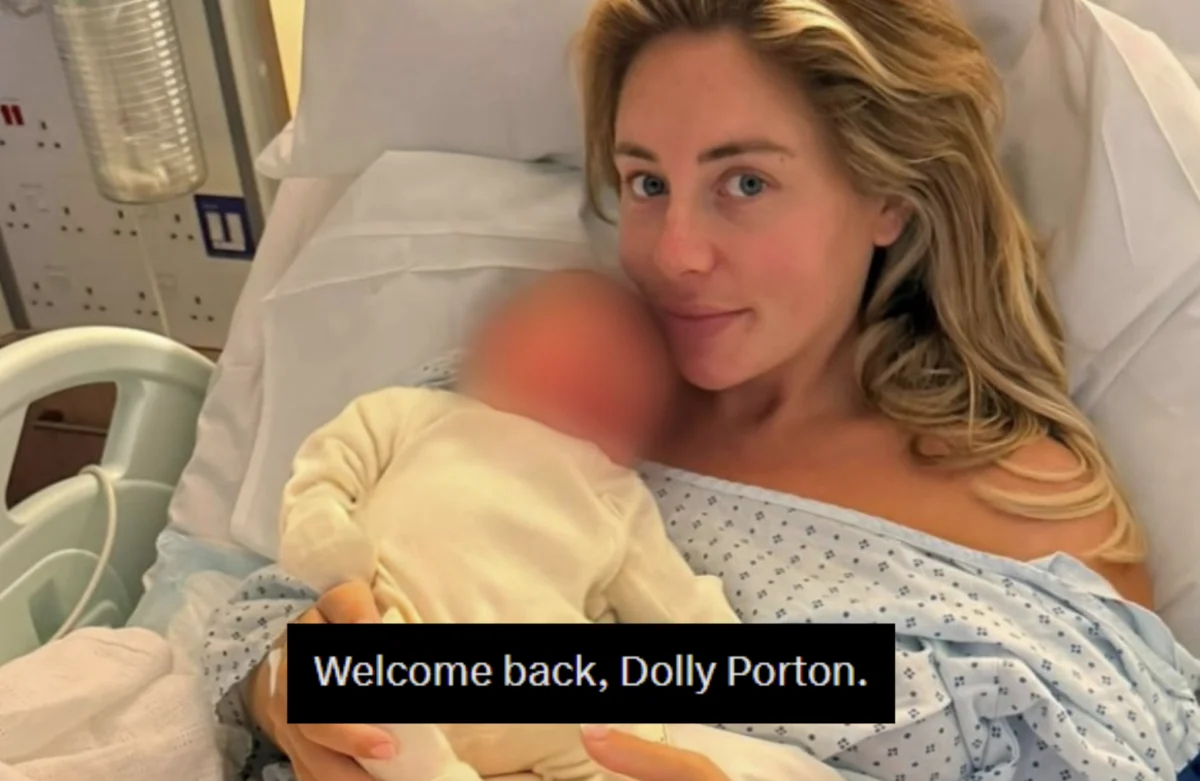
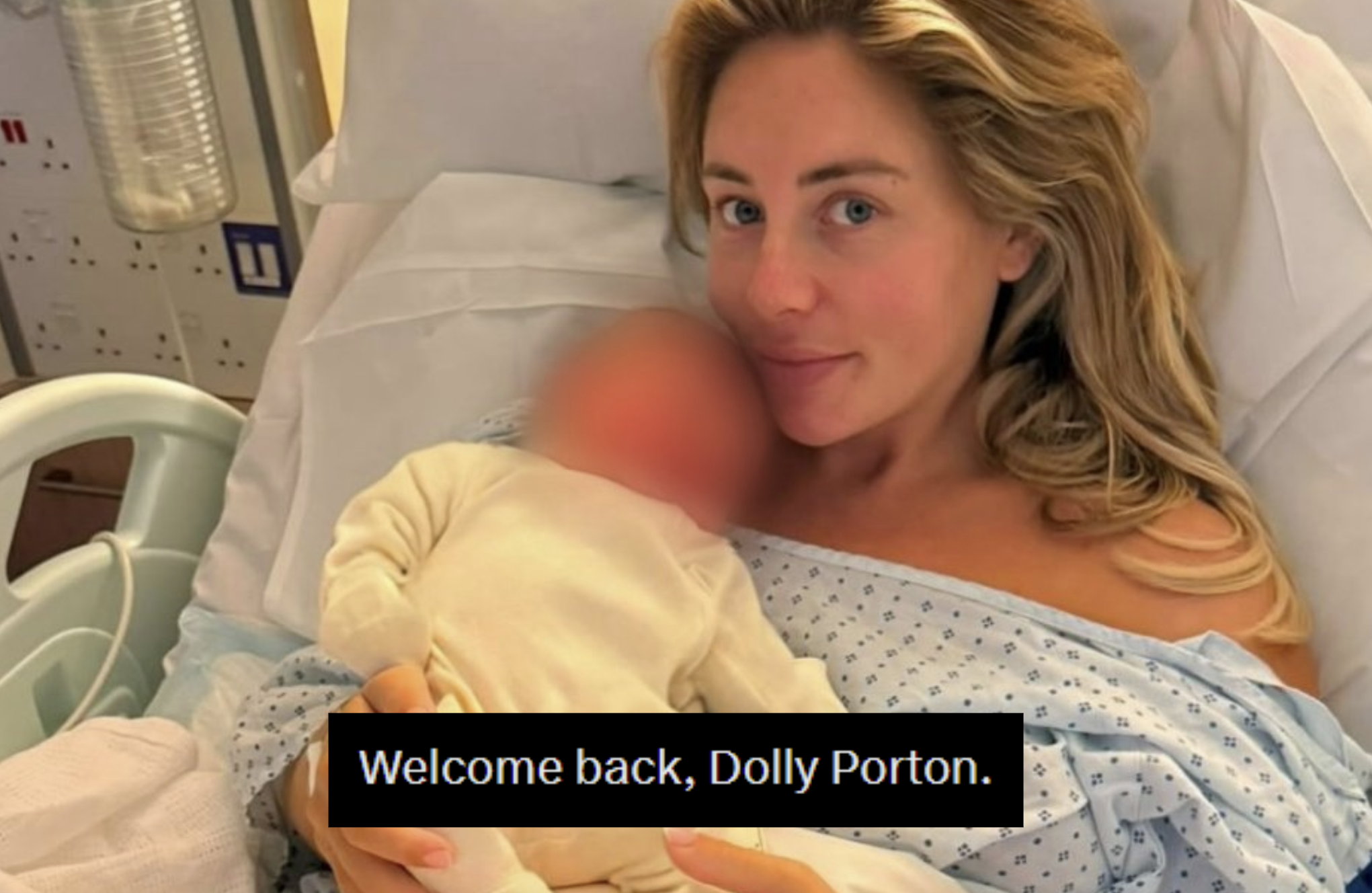
On August 30, 2026, Tia Billinger utilized her primary Instagram platform to confirm the arrival of her child. The announcement was notable not only for the news itself but for the specific framing used by Billinger, which referenced her previous controversial public stunts. The caption accompanying the birth announcement—"and then there were 1058 of us"—served as a direct allusion to her previous claims of sexual encounters with over a thousand men, a narrative that has been a cornerstone of her digital brand. Within 48 hours, the post garnered over 12,700 likes and thousands of comments, many of which were redirected to other platforms such as X (formerly Twitter) and TikTok.
The immediate reaction from the digital public was overwhelmingly critical. On X, the announcement was shared by various news and drama aggregation accounts, where it reached tens of millions of viewers within hours. The discourse was largely dominated by a narrative labeling the newborn as the "unluckiest baby in the world." This sentiment stems from a public perception that the child’s identity is being inextricably linked to the mother’s provocative professional history before the child has the agency to navigate their own public image.
A Chronology of Provocation: From Stunts to Reality
The birth of the child in August 2026 was the culmination of a year-long series of events that many observers initially dismissed as elaborate marketing schemes. To understand the intensity of the public backlash, one must examine the timeline of Billinger’s 2026 activities, which were characterized by "rage-baiting"—a technique used to garner views through intentional provocation.
In February 2026, Billinger launched what she termed a "breeding mission," claiming to have engaged in unprotected intercourse with 400 men during a specific event. Shortly thereafter, she released a YouTube video titled "BONNIE BLUE IS PREGNANT," which accumulated over 700,000 views. However, by late March, she admitted that the pregnancy claim was a hoax designed to generate revenue and social media engagement. This history of fabrication created a "crying wolf" effect, leading to significant skepticism when she later claimed to be truly pregnant.
The narrative took a more concrete turn in early June 2026, when Billinger hosted a "golden shower" baby shower. The event, which she promoted on mainstream outlets such as LBC, was widely condemned for its overt sexualization of a traditional family milestone. Despite the backlash, the event succeeded in maintaining Billinger’s position in the media spotlight, further entrenching the public’s negative perception of her approach to impending motherhood. By the time the birth was confirmed in August, the public’s appetite for the news was colored by months of sustained controversy.
Comparative Analysis: The Lana Rhoades Precedent
The reaction to Bonnie Blue’s baby echoes the digital phenomenon surrounding the birth of Lana Rhoades’ child in the early 2020s. In both instances, the public utilized memes and dark humor to process the perceived incongruity between the mother’s career in adult entertainment and the innocence associated with infancy. The "Lana Rhoades’ kid" memes frequently centered on the child’s future discovery of their mother’s work and the uncertainty of paternal identity.
In Billinger’s case, the discourse has evolved to include even more aggressive forms of "memeification." Social media users have engaged in speculative humor regarding the child’s upbringing, with some joking that the baby is a "reincarnation" of recently deceased celebrities or using pop culture references to describe the child’s heritage. This trend highlights a growing desensitization toward the privacy of children in the influencer era, where the offspring of controversial figures are often treated as extensions of the "content" rather than private individuals.
Digital Sociology and the "Unluckiest Baby" Narrative
The prevailing sentiment that the child is uniquely disadvantaged is a subject of interest for digital sociologists. This narrative is built on three primary concerns expressed by the public:
- Digital Permanence: The concern that the child’s association with their mother’s stunts (such as the "breeding mission" or the "golden shower" shower) is permanently archived in the digital record, potentially impacting their future personal and professional life.
- Parental Conduct: Criticism of Billinger’s decision to continue using provocative language—such as the "1058 of us" caption—even in the context of the birth, which many perceive as a failure to transition from a "performer" persona to a "parental" role.
- Privacy and Exploitation: The debate over whether children of adult content creators are being used as props for engagement, thereby violating their right to a private upbringing.
While some defenders of Billinger argue that a mother’s career should not define her ability to parent or the child’s potential for success, these voices are frequently drowned out by the volume of negative commentary. The "unluckiest baby" trope functions as a form of social policing, where the public uses the child as a vehicle to express moral disapproval of the mother’s lifestyle.
The Economics of Controversy and Media Responsibility
The Bonnie Blue saga also raises questions about the role of media platforms and news aggregators in amplifying "rage-bait" content. Accounts such as @DramaAlert and various "cringe" aggregators played a pivotal role in ensuring the birth announcement reached a massive audience. These platforms benefit from the high engagement rates that controversial figures provide, creating a symbiotic relationship between the creator’s stunts and the aggregator’s traffic.
Fact-based analysis suggests that Billinger’s strategy, while socially divisive, has been financially successful. By leaning into the "villain" archetype, she has secured a level of visibility that traditional marketing could not achieve. However, the transition from "rage-bait" stunts to the inclusion of a minor in the narrative introduces legal and ethical complexities that have yet to be fully addressed by social media platform policies.
Implications for the "Right to be Forgotten"
As the child grows, the Bonnie Blue case may become a landmark example in discussions regarding the "Right to be Forgotten." In many jurisdictions, there is increasing pressure to allow individuals to have sensitive information about their parents or their own childhood removed from search engines. Given the viral nature of Billinger’s 2026 activities, the child may face significant hurdles in establishing an identity independent of the digital legacy created by their mother before their birth.
Furthermore, the event underscores the need for a more robust framework regarding "sharenting"—the practice of parents posting extensive content about their children online. When the parent’s brand is built on provocation, the child’s digital footprint becomes a site of public contention.
Conclusion: The Intersection of Reality and Performance
The birth of Bonnie Blue’s baby in August 2026 serves as a stark reminder of the narrowing gap between online performance and real-world consequences. While Tia Billinger continues to navigate her career through the use of high-impact publicity stunts, the public’s reaction indicates a clear boundary in the collective consciousness: the involvement of a child in a brand built on "rage-bait" is a point of significant friction.
As the digital discourse continues to unfold, the focus remains on the tension between a parent’s right to professional expression and a child’s right to a neutral digital starting point. The story of Bonnie Blue’s baby is not merely a tabloid fixture but a case study in the evolving ethics of the creator economy, the power of digital stigma, and the enduring complexity of parenthood in the age of viral transparency. For now, the child remains at the center of a global conversation they did not choose, highlighting the profound impact that a parent’s online legacy can have on the next generation.

