
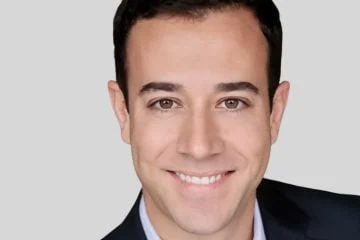
Seven years after its inception, direct-to-consumer cosmetics brand BK Beauty, co-founded by Paul Jauregui and his wife Lisa in Austin, Texas, is demonstrating remarkable resilience and strategic adaptation in a rapidly shifting e-commerce landscape. Having previously achieved $1 million in first-year revenue and explored the nascent TikTok Shop platform, the company is now navigating the complexities of a re-engagement with TikTok Shop while simultaneously forging a significant presence on major retail marketplaces like Ulta Beauty. This strategic pivot underscores the brand’s commitment to leveraging creator ecosystems and adapting to evolving consumer discovery and purchasing behaviors.
From Humble Beginnings to Market Force
BK Beauty’s journey began with a clear vision: to provide high-quality makeup and accessories directly to consumers. Paul Jauregui, a key figure in the brand’s growth, has been a consistent voice in sharing the company’s trajectory. In a 2020 interview, he detailed the brand’s impressive launch, which saw it reach $1 million in revenue within its first year. This early success was a testament to a strong product offering and an astute understanding of direct-to-consumer marketing.
The subsequent years saw BK Beauty expand its product lines and distribution channels. A pivotal moment arrived in August 2023 when the company became one of the early adopters of TikTok Shop, a then-emerging marketplace designed to integrate e-commerce directly within the popular social media platform. This move, as detailed by Jauregui in a 2023 interview, proved to be a significant inflection point, capitalizing on the platform’s explosive growth and its powerful creator network.
The TikTok Shop Rollercoaster: From Golden Age to Strategic Re-engagement
The initial phase of BK Beauty’s involvement with TikTok Shop, spanning approximately 18 months, has been described by Jauregui as the platform’s "golden age." During this period, organic conversions were exceptionally high, allowing brands to gain significant traction with relatively modest investment. This era allowed BK Beauty to solidify its presence and deepen its connection with a new wave of consumers discovering products through short-form video content.
However, the landscape began to shift. Two primary factors contributed to a period of retrenchment for BK Beauty on the platform. Firstly, the increasing discussion around a potential U.S. ban of TikTok in 2025 created an atmosphere of uncertainty. Brands, including BK Beauty, began to re-evaluate their reliance on a platform whose future in the U.S. market was under scrutiny. Secondly, and concurrently, TikTok Shop transitioned from a predominantly organic discovery engine to a more "pay-to-play" model. The ease of high organic conversions diminished, and substantial advertising spend became increasingly necessary to maintain visibility and drive sales.
This shift, coupled with the looming regulatory uncertainties, prompted BK Beauty to temporarily pull back from an aggressive TikTok Shop strategy. The company noted that the increasing costs associated with advertising, product sampling for creators, and selling commissions became a significant consideration.
Rebuilding Momentum: A Refocused Approach to TikTok Shop
Despite the challenges, BK Beauty has recently recommitted to TikTok Shop, embarking on a rebuild of its presence on the platform as of 2026. This strategic re-engagement is driven by the recognition that, even with its evolving economics, TikTok Shop remains a crucial "discovery engine" for the brand. Paul Jauregui emphasizes that trends and customer engagement initiated on TikTok often have a ripple effect across all other sales channels.
The company’s renewed approach involves a significant investment in its creator ecosystem. Jauregui states that the number of product samples sent to creators has increased dramatically, from approximately 200 per month to around 1,000. This strategy is particularly effective for BK Beauty’s core product category: makeup brushes and tools. As these are not consumable items, a single sample can lead to prolonged product endorsements and reviews from creators over time.
However, this intensified sampling also highlights a new challenge: creator saturation. As BK Beauty has grown and invested in creator outreach, many top-tier TikTok influencers already possess the brand’s products. The company is now strategizing on how to effectively engage with these established creators and identify new talent without duplicating efforts or simply sending the same products to the same individuals.
The "Pay-to-Play" Dynamics of TikTok Shop
The "pay-to-play" aspect of TikTok Shop, as articulated by Paul Jauregui, centers heavily on the platform’s advertising product, GMV Max. He explains that without significant investment in GMV Max, customer acquisition on the platform would be severely hampered. The effectiveness of GMV Max, in turn, is contingent on a robust and diverse stream of creative content. The more varied and engaging the content, the more efficient the advertising campaigns are likely to be.
Beyond direct ad spend, the financial outlay for BK Beauty includes the cost of product sampling and creator retention initiatives. The substantial increase in product samples reflects a deliberate effort to fuel ongoing content creation and maintain relationships within the creator community. Furthermore, the selling commissions inherent to marketplace models add another layer to the cost structure, requiring careful financial management.
Despite these financial considerations, the company is optimistic about its current rebuild efforts, which are approximately five months in. The data suggests a positive trend, though Jauregui acknowledges that the learning process is ongoing.
Creator Tiers and Strategic Engagement
Understanding the nuances of the creator economy is central to BK Beauty’s TikTok Shop strategy. Paul Jauregui outlines a tiered classification system for creators, a framework that aligns with TikTok’s own categorization. This system acknowledges that not all creators deliver the same volume of sales or influence.
The tiers, ranging from L1 to L7, provide a structured approach to identifying and engaging with creators. An L3 creator, for instance, is defined as someone who generates an average of $25,000 in monthly Gross Merchandise Volume (GMV) across all brands. The L7 tier represents the highest echelon of creators. Jauregui emphasizes that creators at the L3 level and above are particularly valuable targets for engagement and retention due to their proven ability to drive significant sales. This data-driven approach allows BK Beauty to allocate resources effectively, focusing on creators who offer the greatest return on investment.
Expanding Horizons: The Ulta Beauty Marketplace Advantage
While BK Beauty is refining its TikTok Shop strategy, it has also made significant inroads into traditional retail marketplaces, most notably Ulta Beauty. The brand launched on the Ulta Beauty Marketplace and Nordstrom Marketplace in December of the previous year. Jauregui highlights that Ulta Beauty, in particular, operates as a curated marketplace, requiring an invitation for sellers, which signifies a level of vetting and brand alignment.
The decision to join these marketplaces was strategically driven by a desire to overcome "blackout periods" that BK Beauty experienced annually. These periods, often coinciding with major retail events like Ulta’s "21 Days of Beauty" or the Nordstrom Anniversary Sale, saw a significant diversion of consumer attention and media share of voice towards these tentpole events. Previously, BK Beauty’s inability to participate directly in these sales meant they were largely absent from the conversation during critical shopping seasons.
A Landmark Partnership with Ulta Beauty
BK Beauty’s initial focus was on the Ulta Beauty Marketplace, and the results have been demonstrably positive. A key turning point occurred during Ulta’s "21 Days of Beauty" event in March of the current year. BK Beauty secured a premium placement on the event’s homepage, a significant visibility boost. In exchange for this prime positioning, the brand committed to a compelling promotional offer: a 50% discount on a specific item for a single day.
This strategic promotion successfully galvanized the creator community, driving widespread discussion and awareness of BK Beauty’s offering. The impact was immediate and substantial. Within a 24-hour period, BK Beauty sold over 20,000 units of the featured product, making it the top-selling SKU on Ulta.com for that day. This success illustrates the power of strategic partnerships and promotional offers within established retail ecosystems.
Channel Diversification and Future Considerations
The integration of Ulta Beauty into BK Beauty’s sales channels has significantly altered its revenue breakdown. Currently, BK Beauty’s proprietary website, BKBeauty.com, accounts for approximately 50% of its revenue. TikTok Shop and Amazon each contribute around 20%, with Ulta Beauty now representing roughly 10%. This diversification mitigates risk and broadens the brand’s reach across different consumer touchpoints.
Looking ahead, BK Beauty has explored the potential development of a wholesale channel. However, Paul Jauregui expresses a cautious approach, recognizing that wholesale operations require a different set of skills and strategic considerations than its established direct-to-consumer model. If the brand were to pursue wholesale, Ulta Beauty would be the primary candidate for such an expansion. This cautious stance stems from a deep understanding of the brand’s identity, business operations, and customer base, which Jauregui believes no external partner could fully replicate. The company prioritizes maintaining control over its brand narrative and customer experience, a hallmark of its direct-to-consumer success.
Connecting with BK Beauty
For consumers and industry observers interested in following BK Beauty’s evolving journey, the brand’s official website, BKbeauty.com, serves as a central hub. Paul Jauregui also maintains an active presence on social media platforms, including X and LinkedIn, where he shares insights and engages with his network. These platforms offer avenues for direct interaction, support, and staying abreast of the brand’s latest developments and product launches.

