
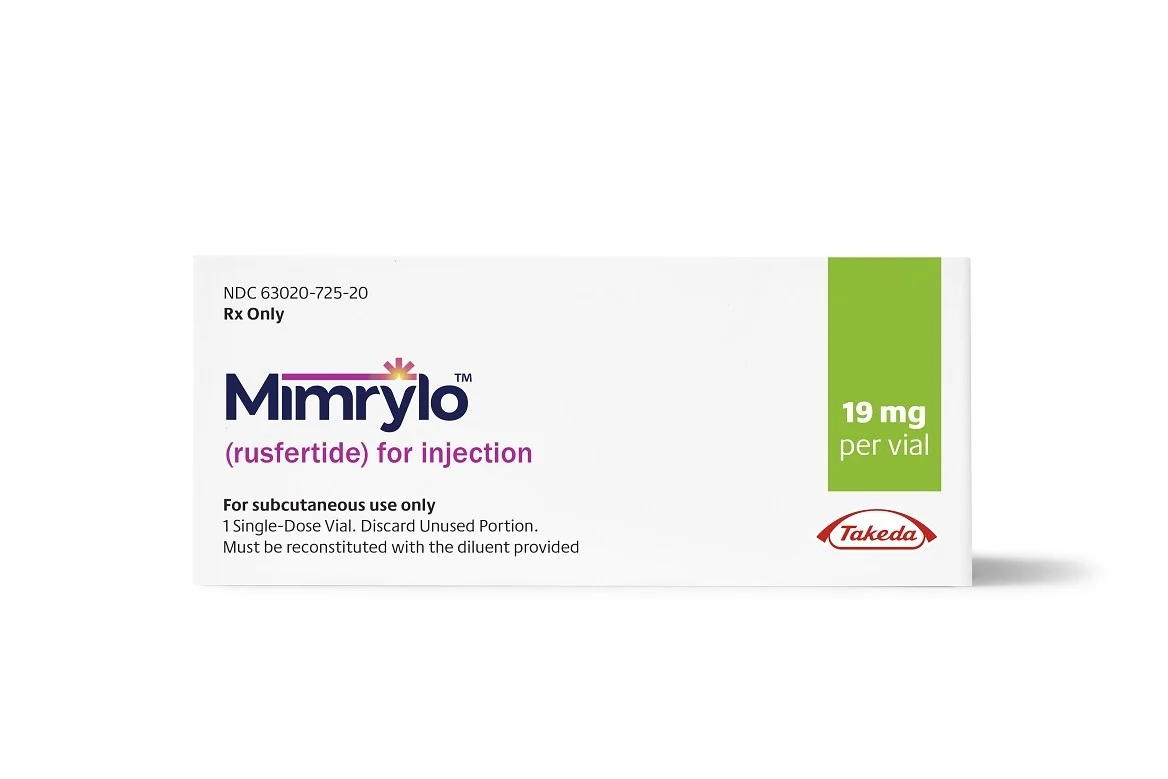
The U.S. Food and Drug Administration (FDA) has granted approval to Takeda Pharmaceutical’s Mimrylo, a first-in-class hepcidin mimetic, for the treatment of erythrocytosis in adults with polycythemia vera (PV). The regulatory milestone, announced following the close of market on Friday, introduces a novel therapeutic mechanism to a field that has long relied on invasive procedures and repurposed chemotherapies. Mimrylo, known during its clinical development as rusfertide, represents a shift toward more physiological management of the rare blood cancer, potentially displacing therapeutic phlebotomy as the primary means of controlling red blood cell counts.
Simultaneously, the hematology landscape saw further expansion as PharmaEssentia received FDA approval for Besremi (ropeginterferon alfa-2b-njft) for the treatment of essential thrombocythemia (ET). This dual wave of approvals underscores an era of rapid innovation in the management of myeloproliferative neoplasms (MPNs), a group of rare chronic blood cancers characterized by the overproduction of blood cells in the bone marrow.
Understanding Polycythemia Vera and the Limitations of Current Care
Polycythemia vera is a chronic, progressive myeloproliferative neoplasm (MPN) primarily driven by mutations in the JAK2 gene. These mutations cause the bone marrow to produce an excessive number of red blood cells, a condition known as erythrocytosis. The resulting increase in blood volume and viscosity—essentially "thickening" the blood—poses severe cardiovascular risks, including deep vein thrombosis, pulmonary embolism, myocardial infarction, and stroke.
Beyond the risk of life-threatening clots, PV patients frequently suffer from a debilitating symptom burden. Chronic headaches, dizziness, pruritus (severe itching, often after a warm bath), and profound fatigue are common. For decades, the cornerstone of management has been therapeutic phlebotomy—the physical removal of blood to maintain hematocrit levels below 45%. While effective at reducing immediate clotting risks, phlebotomy is often described by clinicians and patients as "archaic." It induces a state of chronic iron deficiency, which can exacerbate symptoms like cognitive "brain fog" and restless leg syndrome, and fails to address the underlying biological drivers of the disease.
The Science of Mimrylo: A Hepcidin-Mimetic Breakthrough
Originally discovered and developed by Protagonist Therapeutics before being licensed to Takeda, Mimrylo (rusfertide) offers a sophisticated alternative to the "drain and replace" cycle of phlebotomy. The drug is an engineered peptide that mimics the function of hepcidin, the body’s master regulatory hormone for iron homeostasis.
In a healthy physiological state, hepcidin controls the absorption of iron from the diet and its release from storage sites in the body. By binding to ferroportin—the only known cellular iron exporter—hepcidin effectively "locks" iron away, making it unavailable for the production of new red blood cells (erythropoiesis). In patients with PV, the natural hepcidin response is often suppressed, leading to uncontrolled iron availability and rampant red blood cell production.
Mimrylo acts as a "chemical rheostat," restricting the iron supply to the bone marrow just enough to keep red blood cell production in check without causing systemic iron toxicity. Because hepcidin in its natural form is too unstable and insoluble for use as a medication, Protagonist Therapeutics utilized its proprietary peptide platform to engineer a more potent, stable version suitable for once-weekly subcutaneous injection.
Clinical Efficacy and Trial Outcomes
The FDA’s approval was supported by robust data from the Phase 3 REVIVE study, a randomized, placebo-controlled trial designed to evaluate whether rusfertide could eliminate the need for phlebotomy in patients with uncontrolled PV.
The trial results were definitive. During the 26-week randomized withdrawal period, 76.9% of patients treated with Mimrylo achieved a "phlebotomy-free" status, meaning they maintained their hematocrit levels below the 45% threshold without requiring blood removal. In stark contrast, only 32.9% of the placebo group remained phlebotomy-free. The data indicated that Mimrylo provided consistent, durable control of erythrocytosis, regardless of the patient’s prior treatment history or the severity of their condition.
Safety data from the trial showed that the most frequent adverse events were injection site reactions, which were generally mild to moderate. Some patients experienced anemia, a predictable side effect of the drug’s iron-restricting mechanism, though this was manageable through dose titration. Crucially, investigators noted that patients on Mimrylo reported improvements in several quality-of-life metrics, particularly those related to the iron-deficiency symptoms often triggered by chronic phlebotomy.
Competitive Dynamics in the MPN Market
The entry of Mimrylo into the market creates a new competitive tier for PV treatments. Historically, patients who failed to respond to hydroxyurea (a generic oral chemotherapy) moved to second-line therapy with Incyte’s Jakafi (ruxolitinib). Jakafi, a JAK1/JAK2 inhibitor, is highly effective at reducing spleen size and controlling systemic symptoms but is often reserved for later-stage or high-risk patients.
PharmaEssentia’s Besremi, an ultra-long-acting interferon, was approved in 2021 as a first-line option. While Besremi has shown the potential for molecular remission—actually reducing the burden of the JAK2 mutation over time—it carries a "black box" warning due to the risk of serious neuropsychiatric, autoimmune, ischemic, and infectious disorders.
Dr. Andrew Kuykendall, an associate member at the Moffitt Cancer Center and a lead investigator in the rusfertide trials, noted that Mimrylo fills a significant gap. "Besremi is a powerful tool, but it isn’t for everyone. Patients with a history of depression or autoimmune disease are often excluded from interferon therapy. Mimrylo offers a broad-label alternative that can be used early in the disease course to replace phlebotomy, providing a much-needed option for better disease control without the specific risks associated with interferons."
The Takeda-Protagonist Partnership and Financial Outlook
The commercialization of Mimrylo marks a strategic victory for Takeda as it seeks to bolster its hematology portfolio. In early 2024, Takeda entered into a collaboration agreement with Protagonist Therapeutics, providing an initial $300 million payment for the rights to co-develop and co-commercialize the drug.
However, in April 2024, Protagonist exercised its "opt-out" right under the agreement. By choosing to forego future profit-sharing in the U.S., Protagonist secured a more immediate and guaranteed capital structure: a $200 million payment upon the opt-out, another $200 million upon FDA approval, and a $75 million milestone payment triggered by the regulatory green light. Protagonist remains eligible for nearly $1 billion in future milestones and double-digit royalties on net sales.
For Takeda, the deal provides full control over a potential blockbuster. With a list price of $4,200 per weekly vial—totaling approximately $218,400 annually—Mimrylo is positioned as a high-value specialty biologic. Takeda analysts project peak annual revenue for the drug could reach $2 billion by the mid-2030s. This revenue stream is vital for the Japanese pharmaceutical giant as it prepares for the eventual loss of exclusivity for its top-selling inflammatory bowel disease drug, Entyvio.
PharmaEssentia’s Besremi Expands into Essential Thrombocythemia
In a parallel development, the FDA expanded the approval of PharmaEssentia’s Besremi to include adults with essential thrombocythemia (ET). ET is a sister condition to PV, characterized by the overproduction of platelets. While PV patients fear the "thick blood" of too many red cells, ET patients face a high risk of microvascular complications and clotting due to excessive platelet counts.
The standard of care for ET has traditionally been hydroxyurea or anagrelide. However, anagrelide is often associated with cardiovascular side effects, including palpitations and fluid retention. The approval of Besremi for ET provides a more modern interferon-based approach that targets the disease at its source—the hematopoietic stem cells.
In Phase 3 trials for ET, Besremi demonstrated superior durable hematologic responses compared to anagrelide. Dr. Ruben Mesa, a prominent MPN expert and principal investigator, emphasized that this approval allows clinicians to treat the underlying malignancy rather than merely reacting to high platelet counts. "We are moving toward a paradigm where we treat the biology of the disease to prevent long-term complications, rather than just managing the symptoms of today," Mesa stated.
Implications for the Future of Hematology
The simultaneous advancement of Mimrylo and the expansion of Besremi represent a turning point for the estimated 100,000 Americans living with polycythemia vera and the thousands more with essential thrombocythemia. For decades, these patients were managed with "watchful waiting" or aggressive blood-letting. The arrival of targeted peptides and long-acting interferons suggests a future where MPNs are managed as chronic conditions with high-precision medicine.
For Takeda, the launch of Mimrylo is immediate. The company has already integrated the drug into its existing rare disease distribution network, ensuring that hematologists and oncologists have access to the therapy starting this month. Protagonist Therapeutics, now flush with cash from the Takeda deal, has indicated it will pivot its focus toward its remaining pipeline, including oral peptide candidates for other hematological and inflammatory conditions.
As the medical community integrates these new therapies, the focus will likely shift toward long-term real-world evidence. Clinicians will be watching closely to see if Mimrylo’s ability to maintain stable hematocrit levels translates into a lower incidence of cardiovascular events over a 10-year horizon. If the clinical trial success translates to the general population, the "archaic" practice of phlebotomy may soon become a historical footnote in the treatment of polycythemia vera.

