

Google Ads’ video ad sequence campaigns offer a sophisticated approach to advertising on YouTube, allowing marketers to present multiple video clips to individual viewers in a precisely orchestrated order. While other YouTube ad formats are more widely recognized for their broad reach and awareness metrics, sequence campaigns excel in crafting compelling narratives and driving deeper engagement by guiding the viewer through a predetermined story arc. This structured approach distinguishes them significantly from other video campaign types that may utilize multiple videos but lack the sequential delivery mechanism. Google provides six distinct sequence campaign templates, each designed to address specific marketing objectives, enabling advertisers to tailor their storytelling for maximum impact.
The Strategic Advantage of Sequential Storytelling
The core innovation of video ad sequence campaigns lies in their ability to control the narrative flow. Unlike standard video ads where viewers might encounter individual clips in any order or not at all, sequence campaigns ensure that each viewer experiences the brand’s message in a specific, carefully planned sequence. This methodical delivery is particularly effective for complex products, brand building, or when guiding potential customers through a sales funnel. Research from Nielsen has consistently shown that sequential messaging, when executed effectively, can significantly boost message recall and brand perception compared to single-exposure campaigns. For instance, a study by Google itself indicated that sequential messaging can improve ad recall by as much as 2.5 times.
Setting Up Your Video Ad Sequence Campaign
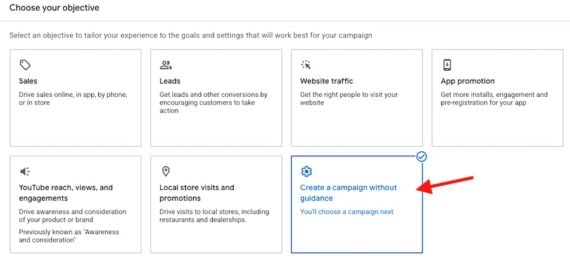
Initiating a video ad sequence campaign begins within the Google Ads platform by selecting "Create a campaign without guidance." From there, advertisers must choose the "Video" campaign type. It is crucial to note that opting for the "YouTube reach, views, and engagements" objective will not reveal the ad sequence option. Instead, after selecting "Video," advertisers will proceed to choose the "Ad sequence" subtype. This selection unlocks the specialized settings and structure required for sequential advertising.
Once the "Ad sequence" subtype is chosen, advertisers proceed to the campaign settings. A key constraint for video sequence advertisers is the mandatory use of "target CPM" (cost per mille or thousand impressions) bidding. This bidding strategy aligns with the campaign’s focus on maximizing reach and impressions to deliver the sequential message effectively. Furthermore, robust frequency capping is a non-negotiable setting. Advertisers must define how often an individual viewer can be exposed to the ad sequence, with options typically set at once every 7 or 30 days. This ensures that while the message is delivered sequentially, it doesn’t become overly intrusive, maintaining a balance between exposure and viewer fatigue.

Deconstructing the Sequence: Ad Groups and Step Transitions
Each step within a video ad sequence campaign is structured as a distinct ad group. This means that a sequence comprising four steps will translate into four individual ad groups within the campaign. Each ad group within the sequence is built around a specific video asset, a compelling headline, a clear call-to-action (CTA), and a designated landing page. The landing page is critical for directing the viewer to the next stage of their journey, whether it’s to learn more, explore a product, or make a purchase.
The critical element that governs the progression from one ad group to the next is the "step transition." For videos beyond the initial one, advertisers can define three transition triggers: "impression," "view," or "skip." For example, the second video in a sequence might be triggered to show only if the first video received an impression. Subsequently, the third video might play if the second video was actually viewed by the user. This granular control allows advertisers to build sophisticated, branching narratives. A viewer who demonstrates higher engagement (e.g., by watching a video) can be advanced to more in-depth content, while a less engaged viewer might receive a more introductory or simplified message. This dynamic sequencing allows for personalized storytelling, adapting to user behavior and optimizing the path to conversion.
Leveraging Google’s Asset Studio for Optimization
To ensure video assets are perfectly tailored for each step of the sequence, Google’s Asset Studio offers valuable tools. The "Trim videos" option within Asset Studio allows advertisers to efficiently shorten video clips as needed, ensuring that each segment fits within the desired duration and narrative flow. This is particularly useful when repurposing longer-form content into bite-sized, sequential ads. The tool supports a wide range of video formats and durations, offering flexibility in content creation. While Asset Studio also has capabilities for creating AI-generated videos, a cautious approach is often recommended, especially when aiming for sequential storytelling where consistent brand voice and visual identity are paramount. The ability to precisely edit and segment videos is crucial for maintaining narrative coherence across multiple ad groups.
A Practical Example: Yarbo Robot Lawn Mowers
To illustrate the practical application of video ad sequence campaigns, consider the hypothetical scenario of Yarbo, a fictional manufacturer of robot lawn mowers. Yarbo’s marketing team could implement an "Introduce and reinforce" sequence to educate potential customers and drive sales.
Sequence Step 1: Introduction
- Video: A trimmed 30-second segment from Yarbo’s main product demonstration video, focusing on the core benefits of time-saving and effortless lawn care.
- Headline: "Reclaim Your Weekends. Effortless Lawn Care is Here."
- CTA: "Learn More"
- Landing Page: Yarbo’s homepage, providing an overview of their product line and the brand.
In this first step, the goal is to capture attention and introduce the concept of a robot lawn mower as a solution to a common pain point – the time and effort required for lawn maintenance. The CTA encourages initial exploration.
Sequence Step 2: Reinforcement and Offer
- Trigger: This step would be triggered by an "impression" of the first video, or ideally, a "view" of a significant portion of it, indicating initial interest.
- Video: A second, distinct 30-second video highlighting a specific feature, such as the mower’s intelligent navigation system or its eco-friendly operation.
- Headline: "Smart Navigation for a Perfect Cut, Every Time."
- CTA: "Explore Features"
- Landing Page: A dedicated product features page on Yarbo’s website.
This second step aims to reinforce the initial message and provide more specific product information, catering to viewers who have shown more engagement. The CTA directs them to a more detailed section of the website.
Sequence Step 3: Urgency and Conversion
- Trigger: This step could be triggered by a "view" of the second video, suggesting a deeper level of interest.
- Video: A 15-second clip announcing a limited-time promotion, such as a "Labor Day Sale."
- Headline: "Don’t Miss Out: Labor Day Savings on Robot Mowers!"
- CTA: "Shop Now"
- Landing Page: The specific product page for the robot mower on sale, with clear pricing and a direct purchase option.
The third step introduces urgency and a direct call to purchase, targeting users who have progressed through the earlier stages of the funnel. This strategically moves them towards a conversion.

Yarbo’s team could further iterate by testing different headlines, CTAs, and landing pages for each step to optimize conversion rates and customer acquisition costs. For instance, they might test a "Buy Now" CTA in the first step for a different audience segment or explore alternative landing pages for the second video.
Expanding the Narrative: The "Engage and Differentiate" Template
Beyond the "Introduce and reinforce" strategy, other sequence templates offer diverse applications. For example, a campaign focused on "Engage and differentiate" could utilize four 15-second clips derived from the same demo video.
- Step 1: Showcase the product’s ease of setup.
- Step 2: Highlight its quiet operation compared to traditional mowers.
- Step 3: Demonstrate its ability to navigate complex garden layouts.
- Step 4: Emphasize its remote control capabilities via a mobile app.
This approach breaks down a single product’s value proposition into digestible, engaging segments, allowing viewers to absorb key differentiators without feeling overwhelmed. Each clip would be optimized with a relevant headline and CTA, leading to further exploration or a direct purchase, depending on the specific goal of each step.
Interpreting Performance and Driving Demand
The ultimate objective of video ad sequence campaigns is to cultivate demand and foster deep engagement with the brand and its offerings. Google Ads provides a suite of key metrics to help advertisers gauge the effectiveness of these campaigns:
- Reach: This metric indicates the total number of unique users who were exposed to at least one ad in the sequence. High reach is foundational for awareness campaigns.
- Impressions: The total number of times ads in the sequence were displayed. This is crucial for understanding the volume of ad delivery.
- Views: The number of times a video ad was watched for at least 30 seconds (or the entire duration if shorter), or if it was interacted with. This is a strong indicator of viewer interest and engagement.
- View Rate: Calculated as Views divided by Impressions, this metric reveals the percentage of impressions that resulted in a view, highlighting the ad’s ability to capture and retain viewer attention.
- View-Through Rate (VTR): This metric measures the percentage of impressions that resulted in a completed view of the video ad. A high VTR suggests compelling content.
- Average Watch Time: The average duration users spend watching the video ads. Longer watch times generally signify greater viewer engagement and interest in the content.
While these engagement-focused metrics are paramount, advertisers can also track traditional performance indicators like clicks and conversions. However, the success of a sequence campaign is fundamentally measured by how effectively it moves a user through the narrative and inspires action. For instance, if a significant percentage of viewers are dropping off before completing the sequence or if the average watch time for key videos is exceptionally low, it signals a need for content refinement. A video that only retains 10% of viewers for its entire duration, for example, requires significant optimization in its creative, messaging, or targeting strategy. By closely monitoring these metrics and understanding the story the data tells, advertisers can iteratively improve their video ad sequences, creating more impactful and effective advertising campaigns on YouTube.

