
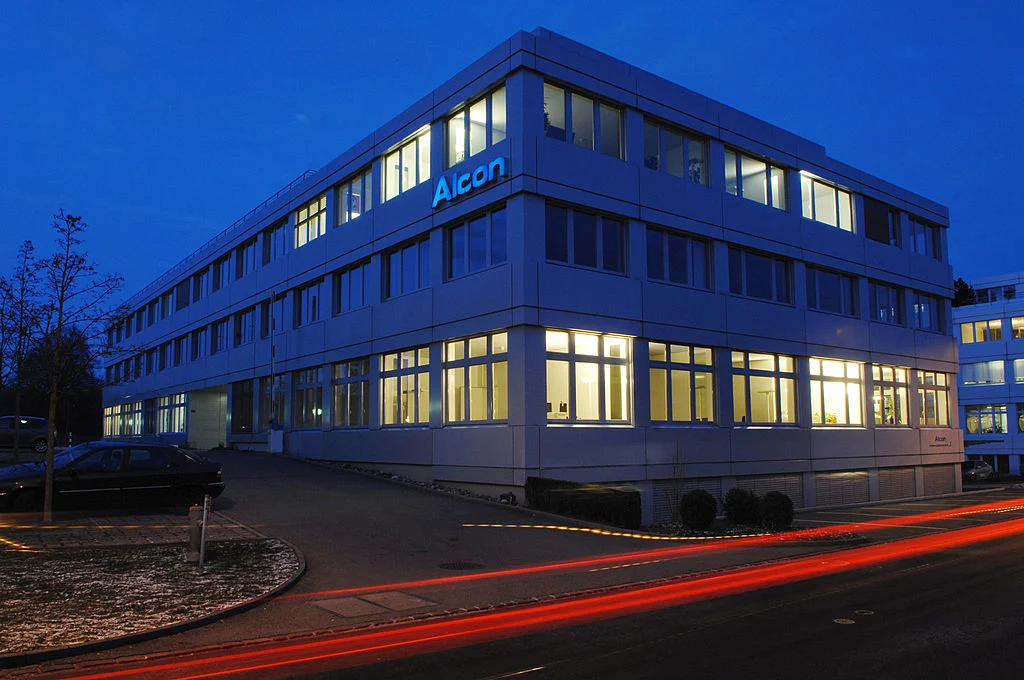
Alcon, the global leader in eye care and vision enhancement, has announced a definitive agreement to acquire Neurotech Pharmaceuticals, a private biotechnology firm focused on the development of transformative therapies for chronic retinal diseases. The acquisition, valued at an upfront payment of $550 million, marks a significant strategic expansion for Alcon into the burgeoning field of ophthalmic cell therapies and provides the company with immediate access to Encelto, the first and only treatment approved by the U.S. Food and Drug Administration (FDA) for macular telangiectasia type 2 (MacTel). This move signals Alcon’s commitment to addressing high-unmet-need areas in the surgical and medical retina markets, leveraging its global commercial infrastructure to scale a breakthrough treatment that was previously limited to the United States market.
The deal includes not only the commercial rights to Encelto but also Neurotech’s proprietary Encapsulated Cell Therapy (ECT) platform. This technology represents a paradigm shift in how chronic ocular diseases are treated, moving away from frequent intravitreal injections toward a sustained-release, long-term biologic solution. Beyond the $550 million initial consideration, Neurotech shareholders are eligible to receive additional milestone payments contingent upon the achievement of specific sales targets and regulatory hurdles in international markets.
Understanding Macular Telangiectasia Type 2: A Rare and Progressive Challenge
Macular telangiectasia type 2, commonly referred to as MacTel, is a rare, bilateral, and progressive neurodegenerative disease that affects the macula, the central portion of the retina responsible for sharp, detailed vision. Unlike many other retinal conditions that are driven by vascular overgrowth or fluid accumulation, MacTel is characterized by the slow deterioration of photoreceptors and the loss of Müller cells, which are essential for maintaining retinal health and function.
The disease typically manifests in middle-aged adults, often during their 40s or 50s, and is frequently misdiagnosed in its early stages due to its subtle clinical presentation. As the condition progresses, patients experience a gradual loss of central vision, development of "blind spots" (scotomas), and significant visual distortion, which can severely impact daily activities such as reading and driving. Alcon estimates that approximately 25,000 individuals in the United States currently live with MacTel, with an annual incidence of 2,000 to 3,000 new diagnoses. Despite its debilitating nature, the medical community lacked an approved therapeutic intervention until the emergence of Encelto, making the acquisition a pivotal moment for patient care.
The Science of Encelto and the Encapsulated Cell Therapy Platform
At the heart of the acquisition is Neurotech’s innovative delivery system. Encelto is not a traditional drug but a sophisticated bio-delivery implant. It consists of allogeneic retinal pigment epithelial (RPE) cells that have been genetically modified to continuously produce human ciliary neurotrophic factor (CNTF). CNTF is a potent neuroprotective protein known to stimulate signaling pathways that promote the survival and maintenance of retinal neurons and photoreceptors.
The delivery mechanism involves a semi-permeable capsule, roughly the size of a grain of rice, which is surgically implanted into the vitreous of the eye. This capsule is designed to allow essential nutrients and oxygen to reach the encapsulated cells while permitting the therapeutic CNTF protein to diffuse out into the retina. Crucially, the membrane is engineered to be impermeable to the host’s immune cells and antibodies, effectively protecting the foreign RPE cells from immune rejection without the need for systemic immunosuppression.
This "living pharmacy" approach addresses one of the primary hurdles in treating chronic eye diseases: treatment fatigue. Many current retinal therapies require monthly or bi-monthly injections, which can be a significant burden for patients and healthcare systems. Encelto provides a continuous, multi-year supply of therapeutic protein from a single surgical procedure, representing a major advancement in sustained-release technology.
Strategic Integration into Alcon’s Surgical and Vision Portfolios
Alcon’s decision to integrate Neurotech into its operations is a logical extension of its existing business structure. The company currently operates through two primary segments: Vision Care and Surgical. The Surgical segment, which encompasses technologies for cataracts, glaucoma, and vitreoretinal disorders, has been a major growth engine for the firm. In the first half of 2026, Alcon reported that its Surgical segment generated $3 billion in revenue, reflecting a 9% increase over the previous year.
The addition of Encelto directly strengthens Alcon’s position in the vitreoretinal space. By acquiring a commercial-ready asset, Alcon bypasses the lengthy and high-risk clinical development phase usually associated with cell therapies. The company intends to utilize its vast global network of surgeons and clinics to introduce Encelto to international markets, where MacTel patients currently have no approved treatment options.
Furthermore, the Neurotech acquisition provides Alcon with a versatile technology platform. The ECT system could potentially be adapted to deliver other therapeutic proteins for conditions such as glaucoma, retinitis pigmentosa, or dry age-related macular degeneration (AMD). This "platform-in-a-deal" strategy ensures that the $550 million investment provides long-term value beyond a single product.
A Chronology of Strategic Acquisitions and Corporate Evolution
The acquisition of Neurotech is the latest in a series of calculated moves by Alcon to transform itself from a device-centric manufacturer into a comprehensive ophthalmic powerhouse. Since its 2019 spin-off from Novartis, Alcon has aggressively pursued M&A opportunities to diversify its portfolio.
In early 2025, Alcon acquired a majority stake in Aurion Biotech, a company developing a first-of-its-kind cell therapy for corneal endothelial disease. This was followed in September 2025 by the $124 million acquisition of LumiThera, which brought the Valeda Light Delivery System into Alcon’s fold. Valeda is a photobiomodulation device designed to treat patients with dry AMD, further solidifying Alcon’s presence in the macular health space.
The Neurotech deal represents a significant step up in terms of financial commitment and technological complexity. While LumiThera focused on medical devices and Aurion on anterior segment cell therapy, Neurotech moves Alcon deep into the posterior segment (the back of the eye) with a biologic-device combination. This progression demonstrates a clear trajectory: Alcon is building a vertically integrated ecosystem that can treat ocular diseases from the cornea to the retina using whatever modality—be it surgical, pharmacological, or cellular—is most effective.
Official Responses and Market Implications
David Endicott, CEO of Alcon, emphasized the synergy between the two organizations in a statement following the announcement. "Neurotech’s innovative platform sits at the intersection of cell therapy, pharmaceuticals, and surgery, making it a highly complementary addition to our current capabilities," Endicott stated. He noted that the combination of Alcon’s "global reach and clinical expertise" with Neurotech’s "groundbreaking science" would accelerate the delivery of Encelto to a global patient population.
Industry analysts view the acquisition as a defensive and offensive masterstroke. Offensively, Alcon captures a monopoly in the MacTel market. Defensively, it secures a proprietary delivery platform that competitors in the retina space—such as Roche or Regeneron—might have otherwise sought to acquire to bolster their own long-acting delivery pipelines.
The financial structure of the deal—a significant upfront payment followed by milestones—is typical for high-growth biotech acquisitions. It allows Alcon to manage its balance sheet while providing Neurotech’s private investors with a substantial exit. For the broader biotech industry, this acquisition serves as a positive signal that large-cap medtech and pharma companies remain hungry for de-risked, FDA-approved assets in the specialty therapeutics space.
Future Outlook: The Global Scale-Up of Cell Therapy
As Alcon begins the integration process, the immediate focus will be on the commercial rollout of Encelto in the United States and the initiation of regulatory filings in the European Union, Japan, and other major markets. The company will also likely invest in expanding the manufacturing capacity for the ECT implants, which require specialized facilities to maintain the viability of the genetically engineered cells.
The broader implications for the ophthalmic field are profound. The success of Encelto under Alcon’s stewardship could pave the way for a new era of "implantable biologics." If Alcon can demonstrate that a single surgical procedure can provide years of therapeutic benefit with a favorable safety profile, it may change the standard of care for various chronic retinal conditions.
Furthermore, the acquisition highlights the increasing importance of the "surgical-pharma" hybrid model. By owning both the therapeutic agent (the cells) and the delivery vehicle (the capsule), and by controlling the surgical tools used for implantation, Alcon is creating a closed-loop system that maximizes value and optimizes patient outcomes. As the global population ages and the prevalence of retinal diseases continues to rise, Alcon’s strategic pivot into advanced biologics positions the company to lead the next generation of vision-saving interventions.

