
Cinematic Origins and Narrative Context
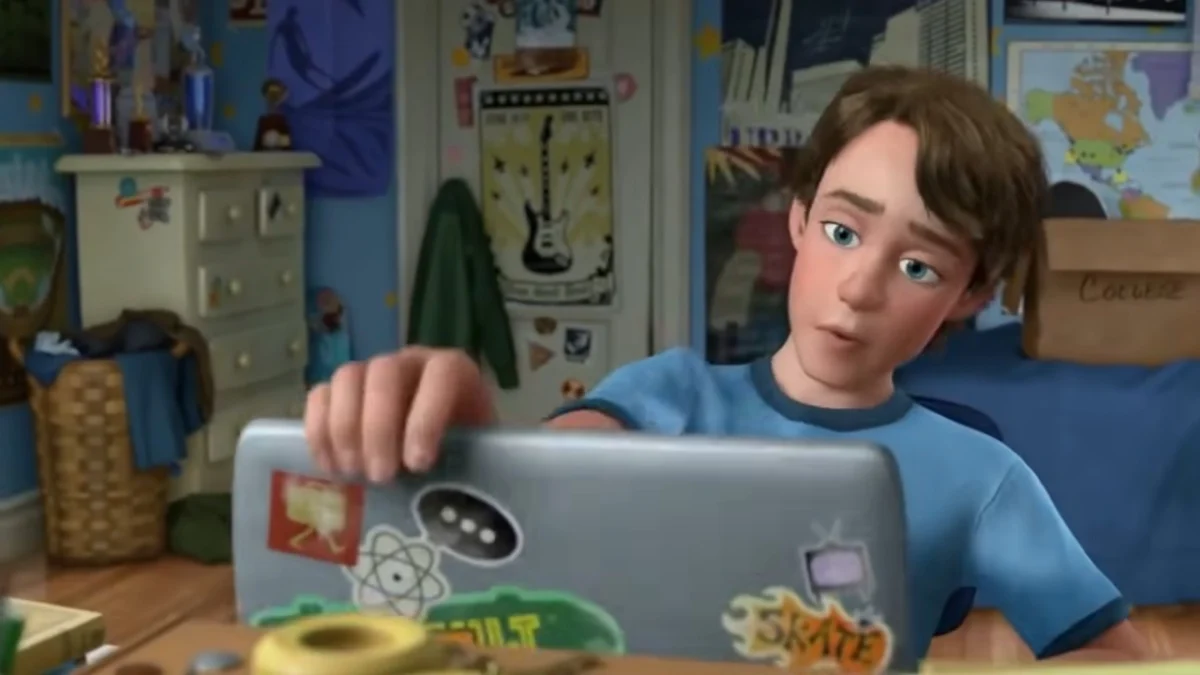
To understand the resonance of the Andy Closing Laptop meme, one must look toward the narrative weight of the scene from which it was extracted. In Toy Story 3, the character of Andy Davis is preparing to leave for college, marking a transitional period between adolescence and adulthood. The specific scene involves a moment of mounting pressure: Andy’s mother, struggling with the clutter of his childhood bedroom, urges him to decide the fate of his old toys. She suggests he sell them online, threatening to throw them away or relegate them to the attic if he remains indecisive.
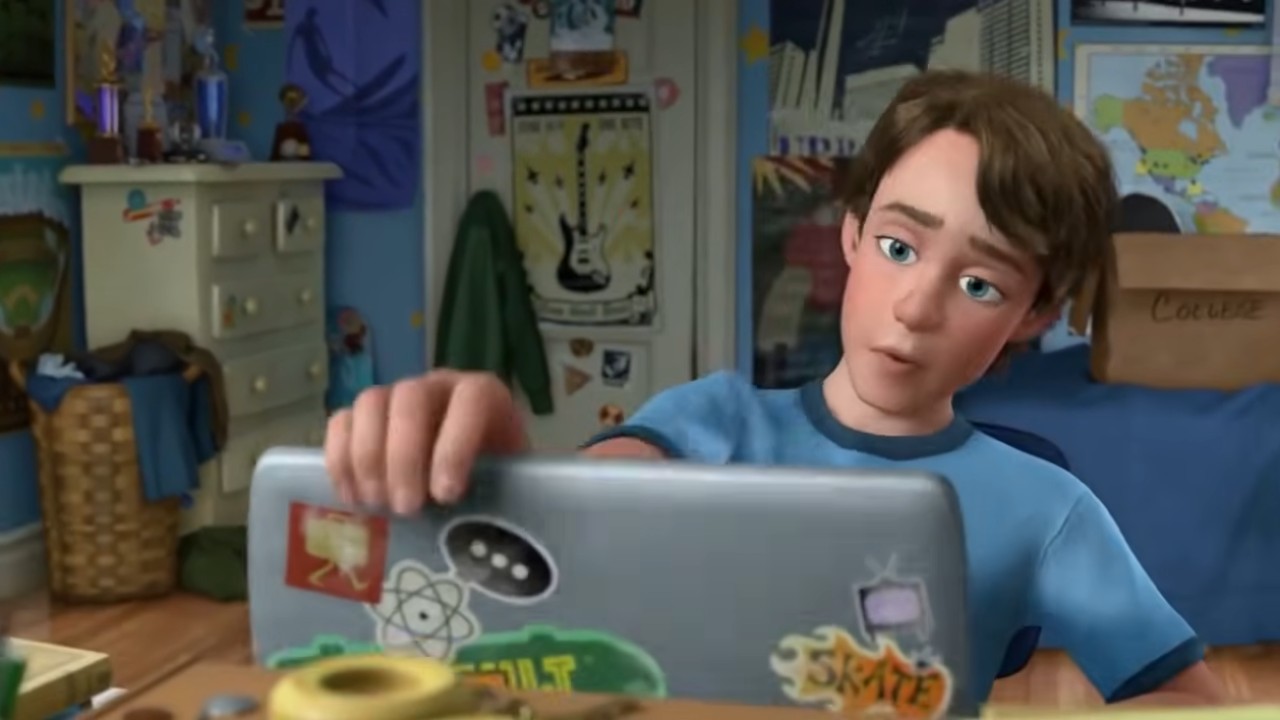
Andy, visibly burdened by the emotional labor of sorting through his past while facing an uncertain future, responds with a gesture of weary resignation. He abruptly closes his laptop, spins his chair away from the desk, and sighs, physically turning his back on the digital marketplace and the demands of his mother. This action—closing the screen and pivoting away—encapsulates a universal feeling of being "done" with a task or a conversation. The high-quality animation provided by Pixar captures the subtle nuances of physical fatigue, from the slump of Andy’s shoulders to the velocity of the chair’s rotation, providing the perfect visual vocabulary for internet users seeking to express similar sentiments.
Chronological Development and Initial Digital Adoption
While Toy Story 3 was a global box office success in 2010, the transformation of this specific scene into a viral GIF did not occur immediately. The timeline of its digital ascent reflects the broader shift in how internet subcultures curate and repurpose media.
The earliest recorded upload of the standalone GIF occurred on April 18, 2017, when a user on the GIF-hosting platform Tenor isolated the clip. For several years, the image remained a niche tool, occasionally appearing in forums and chat rooms. However, the true "memeification" of the clip began in the early 2020s, as the "reaction image" culture became more sophisticated.
On April 30, 2022, a Tenor user added the caption "cry about it" to the GIF, marking one of the first major iterations where the image was used aggressively to dismiss an interlocutor. This version shifted the tone of the meme from internal exhaustion to external defiance, broadening its utility. By the mid-2020s, the GIF had become a staple of "stan culture" and "gaming Twitter," where users frequently encounter opinions or news updates they find disagreeable or tedious.
The 2025-2026 Viral Resurgence on X
The meme reached its zenith of popularity between late 2025 and mid-2026. During this period, the GIF transitioned from a simple reaction tool to a structural element of viral "threads" and collaborative online storytelling.
On December 2, 2025, a prominent X user, @Ultima_Undead, utilized the GIF to comment on the competitive gaming scene. The post, which critiqued "boring" character reworks in the Super Smash Bros. franchise, garnered over 2,700 likes and established a template for using the Andy GIF to respond to disappointing technical updates. This signaled the meme’s adoption by the "gaming enthusiast" demographic, which often engages in heated debates over software patches and character balances.
The most significant event in the meme’s history occurred on February 7, 2026. An artist, posting under the handle @SlothDamage, used the GIF to react to the common, albeit frustrating, art advice: "Step 1: draw cubes." The post resonated with thousands of aspiring artists who find foundational exercises monotonous. This triggered a massive, multi-day thread where users offered increasingly complex or absurd art advice, only for others to respond with the Andy GIF, symbolizing their refusal to participate.
This thread culminated in a meta-textual evolution of the meme. When user @noxeuuuu posted a reversed version of the GIF—showing Andy opening his laptop with a look of renewed interest—the community realized the meme had a "binary" state. This "Reverse Andy" became just as popular as the original, used to signal when a conversation had suddenly become interesting or "worth" the user’s attention. This specific interaction earned over 231,000 likes, cementing the GIF’s status as a top-tier reaction asset.
Statistical Analysis and Search Interest Trends
Data from search engines and social media analytics tools indicate a clear upward trajectory for "Andy Closing Laptop" throughout 2026. While "Toy Story memes" have always maintained a baseline of interest, specific queries for "Andy laptop GIF" and "Andy spinning in chair meme" saw a 400% increase in search volume during the first quarter of 2026.
This surge can be attributed to several factors:
- Algorithmic Favorability: Platforms like X and TikTok began prioritizing high-engagement threads that utilized recognizable media assets.
- Cross-Platform Migration: The meme moved from X to Reddit, specifically appearing in subreddits like /r/TheMatpatEffect, where it was used to discuss the retirement of major internet personalities, mirroring Andy’s own "retirement" from childhood.
- Versatility of Meaning: Unlike memes that are tied to a specific political event or a fleeting trend, "exhaustion" is a permanent fixture of the human condition, giving the Andy GIF a longer shelf-life than its contemporaries.
Cultural Analysis: The Psychology of Disengagement
The enduring appeal of Andy Closing Laptop lies in its accurate depiction of "digital burnout." In an era of infinite scrolling and constant notifications, the act of closing a laptop is a powerful symbolic gesture.
Sociologists studying internet behavior suggest that memes like this function as a "social release valve." When a user encounters a "take" or a news story that is too frustrating to engage with logically, the Andy GIF allows them to communicate their exit from the conversation without needing to expend further emotional energy. It is a polite yet firm "no thank you" to the chaos of the internet.
Furthermore, the meme taps into a specific brand of nostalgia. The generation that grew up watching Toy Story 3 in theaters is now the primary demographic of X and Reddit. For these users, seeing Andy—a character they grew up with—express the same adult frustrations they now feel creates a profound sense of relatability. The meme bridges the gap between the innocence of childhood media and the cynicism of adult internet usage.
Broader Impact on Digital Vernacular
The influence of the Andy Closing Laptop meme has extended into various sub-sectors of the internet:
- The Gaming Community: Used to react to "slop" (low-quality content) or predatory monetization in video games.
- The Art Community: Used to express the struggle of the creative process and the rejection of unsolicited advice.
- The "Anti-Fandom" Spaces: Frequently used when a controversial figure (such as Chris-Chan) is mentioned, signaling a refusal to engage with the drama surrounding that individual.
The creation of the "Reverse Andy" has also introduced a new dynamic to online debates. It allows for a "gotcha" moment where a user can signal that while they were initially disinterested, a specific piece of information has brought them back into the fold. This creates a "toggle" effect in comment sections, where the two versions of the GIF are used in tandem to track the quality of a discussion.
Conclusion and Future Outlook
Andy Closing Laptop is more than a simple animation; it is a testament to the power of cinematic storytelling to provide the building blocks for modern language. By isolating a few seconds of a high-budget animated film, internet users have created a sophisticated tool for navigating the complexities of online social interaction.
As we move further into the late 2020s, the meme is expected to remain a foundational element of the reaction image canon. Its simplicity, emotional clarity, and the deep-seated nostalgia associated with the Toy Story franchise ensure that as long as there are frustrating conversations on the internet, there will be someone ready to post a GIF of Andy Davis closing his laptop and spinning away into the digital void. The meme serves as a reminder that sometimes, the most effective response to the noise of the world is simply to turn around and walk away.

