
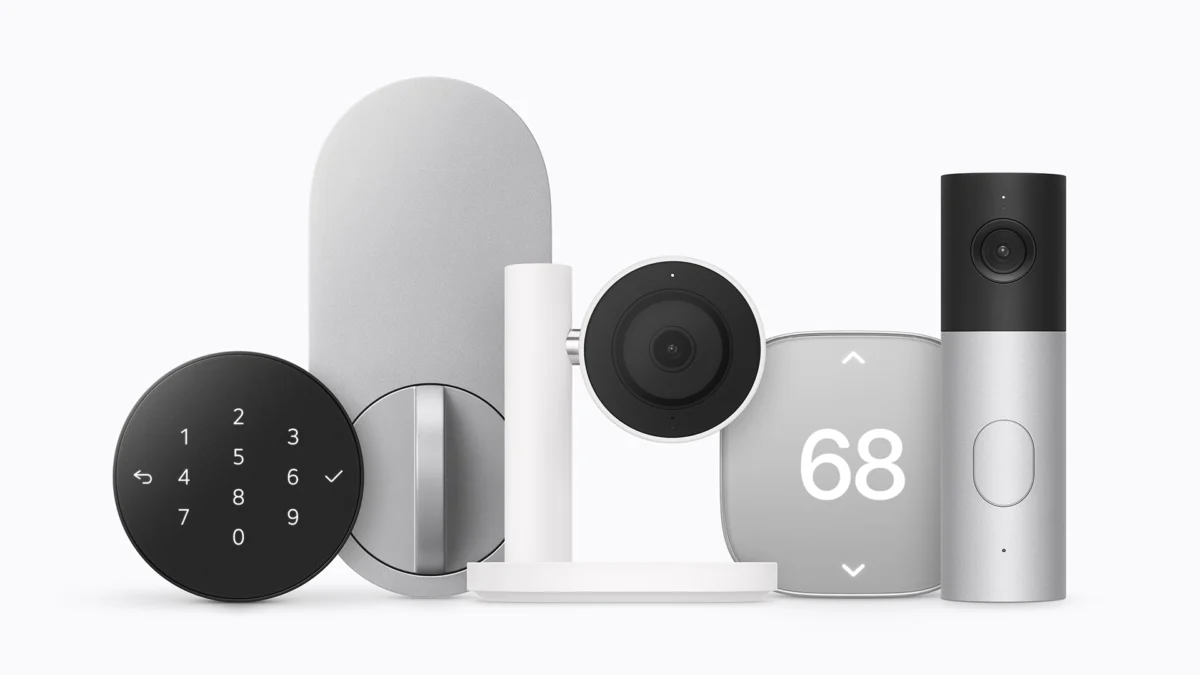
Leaked code has revealed intricate details about Apple’s forthcoming smart home accessories, developed in collaboration with LG, which are poised to offer a novel level of integration with the iPhone through a new feature dubbed "Proximity Control." This innovative system will leverage the iPhone’s Dynamic Island to display contextual controls for these LG-made devices, enhancing user interaction and streamlining smart home management. The initial findings, first reported by Aaron Perris, hinted at the existence of code references detailing proximity-based smart home accessory controls appearing within the Dynamic Island. Subsequent revelations from leaker pdfu have now directly linked this "Proximity Control" functionality to Apple’s strategic partnership with LG, illuminating the specific products and user experiences expected.
The Proximity Control system is designed for an intuitive and seamless user experience. Upon bringing an iPhone into close proximity with an LG-manufactured smart home accessory, or in some instances, upon a direct tap, a notification will dynamically expand from the iPhone’s Dynamic Island. The content of this notification will adapt based on the type of accessory detected. For smart thermostats, this expanded notification will present an "Open Controls" button, allowing immediate adjustments without the need to navigate through the Home application. Similarly, for security cameras and video doorbells, Proximity Control will reportedly enable direct access to a live camera feed displayed within the Dynamic Island itself, bypassing the usual requirement of opening the dedicated Home app.
Beyond immediate control, Proximity Control also promises to simplify the initial setup process for these devices. Instead of relying on the traditional method of scanning printed QR codes often found on smart home products, users will be able to pair new accessories by simply tapping their iPhone against the device. This tap initiates a data exchange, with each accessory storing an "apple-deviceid" value within the Matter payload on its NFC tag. This identifier is crucial for iOS to recognize the specific product upon physical contact. Complementing the NFC functionality, the accessories will also broadcast a Bluetooth Low Energy (BLE) signal. This BLE beacon is the core mechanism enabling Apple’s Proximity Control to detect nearby devices even without a direct physical tap, facilitating a proximity-aware interaction. Users will reportedly have the option to disable this feature within the Home app, providing a degree of customization. However, it is important to note that features uncovered in iOS code do not always manifest in public releases and are subject to significant modifications before their official debut.
The strategic partnership between Apple and LG represents a significant step in Apple’s expanding smart home ecosystem. This collaboration allows Apple to maintain a degree of control over the user experience and hardware integration without undertaking the full burden of in-house manufacturing for every device. The LG-made accessories are expected to offer a level of iPhone integration that current HomeKit and Matter-certified products from other manufacturers do not possess. Bloomberg initially reported on this collaboration earlier this month, detailing Apple and LG’s joint efforts on a range of products including a thermostat, a deadbolt lock, indoor and outdoor security cameras, and a floodlight camera. Further evidence emerged in the form of leaked images showcasing a video doorbell, suggesting a comprehensive suite of smart home devices. This partnership positions Apple’s offerings somewhere between its own proprietary hardware, such as the HomePod and Apple TV, which act as central hubs, and the broader market of third-party accessories.
The expected timeline for the unveiling of these new accessories appears to be tied to Apple’s upcoming "Welcome home" event, scheduled for October 13th. While an official preview might occur at this event, Bloomberg reports indicate that the accessories themselves are unlikely to be available for purchase for "at least a few more months," suggesting a staggered release strategy or a later market entry. As of the latest reports, neither Apple nor LG has officially confirmed pricing, specific regional availability, or a definitive release date for this new product line. Consequently, details pertinent to markets like the UK remain unconfirmed, pending formal announcements from the two technology giants.
The implications of this partnership and the introduction of Proximity Control are far-reaching for the smart home landscape. By integrating controls directly into the Dynamic Island, Apple is not only enhancing the user experience for its own devices but also potentially setting a new standard for how smart home accessories interact with smartphones. This move could encourage other manufacturers to explore deeper integration with iOS, provided Apple opens up similar capabilities beyond its exclusive LG partnership. The "second-party" nature of these LG-made devices suggests a carefully curated selection of products designed to showcase Apple’s vision for a seamlessly connected home. This approach allows Apple to exert greater influence over the quality and interoperability of devices within its ecosystem, while still benefiting from the manufacturing expertise of established partners like LG.
The smart home market has seen a rapid evolution in recent years, driven by advancements in connectivity standards like Matter and Thread, and increasing consumer demand for convenience and automation. Apple’s HomeKit platform has been a key player, emphasizing security and privacy. However, it has also faced criticism for a perceived lack of device variety and sometimes complex setup processes compared to competitors. The collaboration with LG and the introduction of Proximity Control appear to be strategic moves to address these challenges. By offering a more integrated and user-friendly experience, Apple aims to capture a larger share of the growing smart home market. The ability to pair devices with a simple tap, rather than fumbling with QR codes, and to access controls directly from the Dynamic Island, represents a tangible improvement in usability.
Furthermore, the reliance on NFC and BLE for device identification and proximity detection highlights Apple’s continued investment in these technologies for seamless device interaction. NFC has already been instrumental in contactless payments, and its application in smart home device pairing suggests a future where physical interaction with devices is minimized. BLE, on the other hand, provides the necessary low-power, short-range communication for detecting devices in the immediate vicinity, a critical component of Proximity Control.
The introduction of these LG-made accessories also signifies a shift in Apple’s strategy for hardware development in the smart home sector. Historically, Apple has favored in-house development for its core hardware products. However, the partnership with LG demonstrates a willingness to collaborate with external manufacturers to accelerate product development and expand its offerings. This approach allows Apple to leverage LG’s established manufacturing capabilities and supply chains, potentially leading to faster product releases and wider availability. It also allows Apple to experiment with new product categories and features without the extensive capital investment and operational overhead associated with full in-house production.
The timing of this announcement, leading up to Apple’s "Welcome home" event, suggests a carefully orchestrated product launch. While the event may serve as a platform for the initial reveal, the reported delay in product availability indicates that Apple and LG are likely fine-tuning manufacturing processes and ensuring a robust supply chain before a full market rollout. This measured approach is crucial for ensuring a positive initial customer experience, especially for a product line that emphasizes seamless integration and ease of use.
The success of Proximity Control will hinge on its reliability and the breadth of its adoption within Apple’s ecosystem. If the feature proves to be as intuitive and functional as the leaked code suggests, it could significantly enhance the appeal of Apple’s smart home offerings. It may also set a precedent for future smart home integrations, pushing the boundaries of what users can expect from their connected devices. The coming months will be critical in observing how Apple and LG navigate the market introduction of these innovative products and whether they can indeed deliver on the promise of a more connected and effortless smart home experience. The absence of confirmed pricing and regional availability continues to be a key point of interest for consumers globally, especially those in markets where Apple has a strong presence. The formal announcement will undoubtedly provide much-needed clarity on these aspects and offer a comprehensive view of Apple’s evolving strategy in the competitive smart home arena.

