

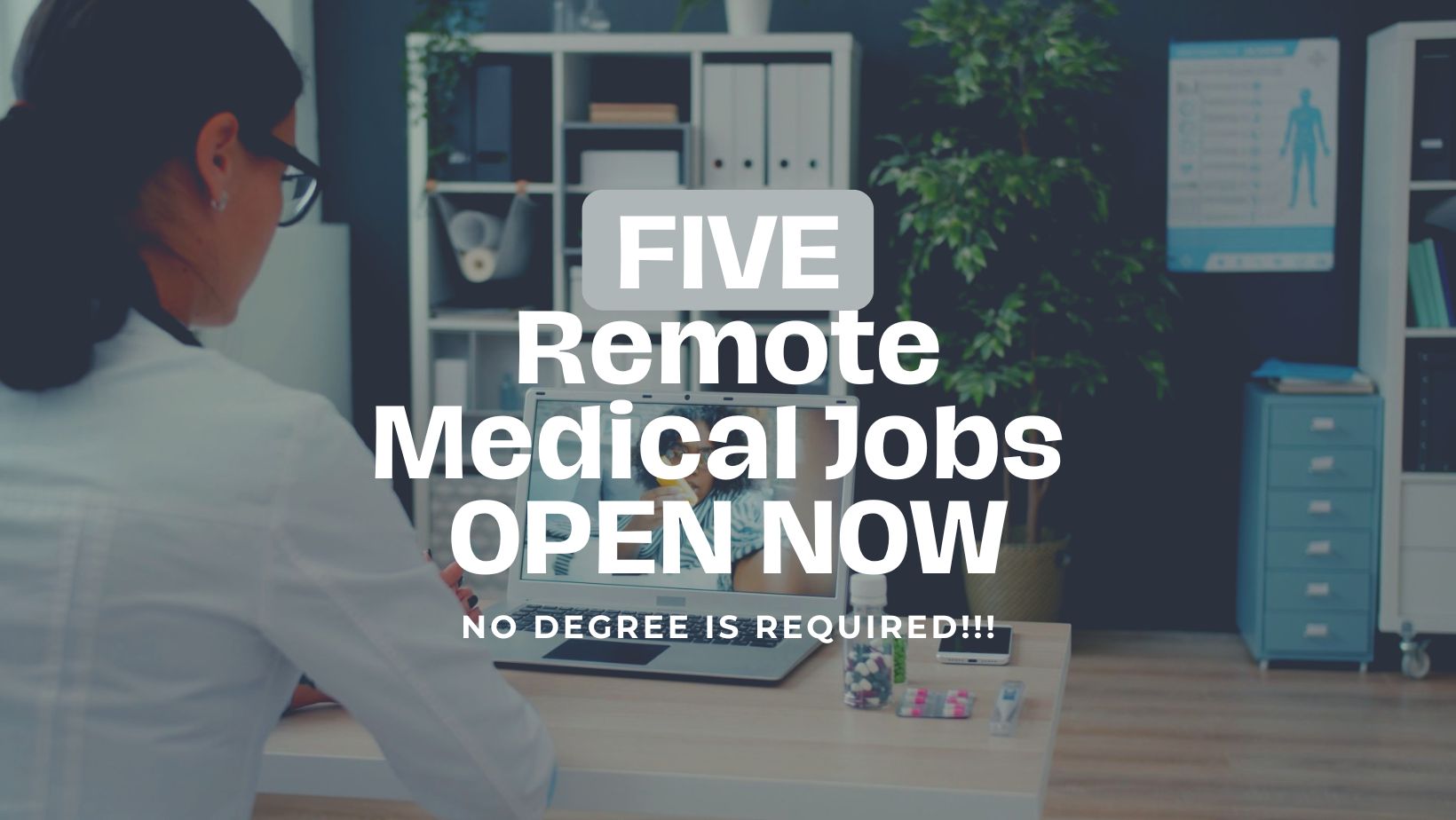
The healthcare industry, often perceived as requiring extensive formal education, is increasingly opening its doors to individuals without traditional degrees. A growing number of remote positions are now available, demanding only a high school diploma or prior customer service experience, offering a pathway for individuals to contribute to the vital healthcare sector while working from home. These roles provide steady income and the satisfaction of helping others, a trend amplified by the digital transformation of healthcare services.
As of September 22, 2026, several companies have advertised openings for these accessible remote healthcare positions. These roles underscore a shift in employer priorities, valuing practical skills and a willingness to learn over formal academic qualifications. This development is particularly significant in a job market that continues to evolve, with remote work becoming a standard offering across many industries.
Current Remote Healthcare Opportunities
Several companies are actively recruiting for positions that do not require a college degree or extensive prior experience. These roles highlight the diverse needs within the healthcare support ecosystem, ranging from administrative tasks to direct patient interaction.
-
Sharecare is seeking a Data Entry Specialist – Medical Records. This full-time, remote position involves entering and updating patient information within Electronic Medical Record (EMR) systems, retrieving and validating medical records, and ensuring compliance with HIPAA regulations. While no specific degree or experience is mandated, proficiency in Microsoft Office, strong organizational skills, and effective communication are essential. The compensation for this role has not been disclosed.
-
Headway is hiring a Customer Care Associate. This full-time remote role requires individuals to assist both healthcare providers and patients with inquiries via email, live chat, and phone. The position does not specify a minimum degree or experience level, emphasizing strong communication, organizational, and customer service abilities. Headway offers benefits including health and wellness coverage, retirement savings, and equity. The hourly pay ranges from $26.15 to $38.46.
-
Granted is looking for a Healthcare Advocate – New Grad / Early Career Talent. This remote, full-time position focuses on helping individuals navigate medical billing and insurance issues. Responsibilities include investigating claims, contacting providers and insurers, and documenting case progress. While no specific degree is required, applicants are encouraged to have personal experience with complex healthcare or insurance situations. Previous professional experience in healthcare or insurance is not mandatory. The pay for this role is not disclosed.
-
Machinify has an opening for a Claims Administrator. This remote, full-time role involves reviewing claims, organizing files, reconciling balances, correcting errors, and performing data entry. While a degree or extensive experience is not a prerequisite, prior experience with medical records or knowledge of medical terminology is beneficial but not required. Machinify provides a comprehensive benefits package, including health, dental, and vision insurance, 401(k) matching, paid time off, and tuition reimbursement. The hourly wage for this position is $24.
-
WellSky is recruiting for a Remote Call Center Representative / Sleep Coach. This full-time position, remote within Georgia, Alabama, Tennessee, Louisiana, North Carolina, or Texas, involves making outbound calls to patients to facilitate CPAP supply reorders and ensure patient satisfaction. A high school diploma or GED is required, with no prior experience explicitly stated as necessary. WellSky provides the necessary equipment for the role. The compensation starts at $13 per hour, increasing to $15 after 90 days and $16 after one year of employment.
These immediate opportunities reflect a broader trend in the healthcare industry to leverage technology and a diverse workforce to meet growing demands for healthcare services. The COVID-19 pandemic, in particular, accelerated the adoption of remote work and telehealth, creating new avenues for employment in the sector.
Five Accessible Healthcare Roles Without a College Degree
Beyond current openings, several categories of remote healthcare jobs consistently require minimal formal education, making them ideal entry points for individuals seeking to enter the field. These roles are crucial for the efficient functioning of healthcare systems and patient support.
1. Telehealth Customer Service Representative
Telehealth customer service representatives play a pivotal role in ensuring smooth patient interactions with virtual care platforms. Their responsibilities include assisting patients with appointment scheduling, answering general inquiries about services, and guiding them through the use of virtual care systems. Crucially, these positions do not involve providing medical advice. Instead, the focus is on technical support and enhancing the overall patient experience.
The ideal candidate for this role possesses a calm and helpful demeanor, coupled with strong communication skills. Essential qualifications typically include a high school diploma or GED, a background in customer service, solid computer proficiency, and comfort with video conferencing and chat software. While specific companies were not listed as hiring at this moment, this role is frequently advertised by telehealth providers and healthcare technology companies.
2. Medical Billing and Insurance Claims Specialist
Medical billing and coding roles are among the most sought-after remote positions within the healthcare industry. Professionals in these roles are responsible for processing insurance claims, verifying the accuracy of medical codes, and ensuring that healthcare providers are reimbursed appropriately for their services. While many specialized medical coding positions require specific certifications, entry-level medical billing roles can sometimes be found where on-the-job training is provided.
The typical requirements for these positions include a high school diploma, a keen eye for detail, a foundational understanding of medical terminology, and a willingness to learn proprietary billing software. Companies that frequently offer such positions include larger healthcare systems, medical billing service providers, and insurance companies.
3. Remote Patient Advocate or Care Coordinator
Patient advocates and care coordinators work directly with patients to help them understand their treatment plans, identify affordable care options, and manage complex insurance and administrative paperwork. These roles often involve extensive communication with patients via phone and email, ensuring they receive the necessary support and resources.
Key qualifications for these positions include excellent communication and problem-solving skills, a high degree of empathy, and some prior experience in customer service or a healthcare-adjacent field. Companies that frequently hire for these roles include patient advocacy organizations, hospitals, and health insurance providers.
4. Virtual Medical Office Assistant
A virtual medical office assistant handles administrative tasks remotely, mirroring the functions of an in-office medical assistant. These duties encompass scheduling appointments, verifying insurance eligibility, inputting patient data into electronic health record (EHR) systems, and following up on test results. These tasks are essential for the operational efficiency of healthcare practices and can be performed from home using secure healthcare platforms.
Standard qualifications for this role include a high school diploma, strong organizational abilities, and proficiency in typing and navigating electronic health record systems. Healthcare practices of all sizes, from small clinics to larger hospital networks, often utilize virtual medical office assistants.
5. Health Coach or Wellness Support Specialist
Health coaches focus on assisting clients in making positive lifestyle changes related to nutrition, exercise, and stress management. In this capacity, they act as motivators and accountability partners rather than medical professionals. The demand for these roles has surged with the increasing popularity of telehealth and wellness applications.
While a formal degree is often not a prerequisite, training or certifications in fitness, nutrition, or mental health can be advantageous. Essential personal attributes include being encouraging, goal-oriented, and adept at guiding clients toward their objectives. Companies that often have these roles available include corporate wellness programs, fitness app providers, and health insurance companies offering wellness benefits.
Broader Implications and Future Outlook
The growing availability of these remote, non-degree-required healthcare positions has significant implications for workforce development and accessibility within the healthcare sector. It democratizes entry into a field that offers stability, meaningful work, and competitive compensation. For individuals who may have faced barriers to higher education, these roles present a viable pathway to a fulfilling career and financial independence.
The trend also signifies a strategic adaptation by healthcare organizations. By embracing remote work and valuing practical skills, they can tap into a wider talent pool, potentially addressing staffing shortages in administrative and support roles. This shift aligns with broader economic trends that emphasize flexibility and the utilization of digital tools to deliver essential services.
Furthermore, the expansion of telehealth services, driven by technological advancements and evolving patient preferences, directly fuels the demand for these remote healthcare positions. As more healthcare interactions move online, the need for skilled individuals to manage the logistical, administrative, and customer support aspects of these services will continue to grow.
For aspiring professionals seeking to enter the healthcare field without a college degree, persistent job searching and skill development remain key. While formal education can open additional doors, the current landscape demonstrates that practical experience, strong interpersonal skills, and a commitment to learning are increasingly recognized as valuable assets.
For those seeking to broaden their search for legitimate remote opportunities, specialized platforms exist. Services like FlexJobs curate a wide array of remote and flexible jobs, rigorously vetting listings to ensure they are scam-free and with reputable companies. These platforms often highlight positions that offer competitive pay and comprehensive benefits, providing a valuable resource for job seekers navigating the remote work landscape. Membership fees associated with such services are typically designed to maintain the quality and integrity of the listings, offering a secure and efficient job-searching experience.

