
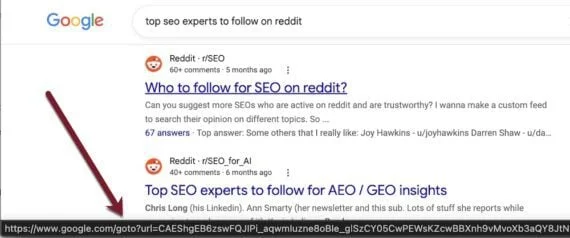
Google’s ongoing battle against automated search traffic has taken a significant turn with the widespread implementation of google.com/goto redirects, a move designed to add complexity for bots and potentially offer greater control over how search results are accessed. This strategic maneuver, observed in testing since July and slated for broader deployment to logged-out users within the next month, represents a significant evolution in Google’s long-standing efforts to differentiate between human and machine-initiated search sessions. The implications of this change are far-reaching, impacting the accuracy of rank-tracking tools, the interpretation of Search Console data, and the broader landscape of search engine data accessibility.
The Evolving Challenge of Bot Traffic
For years, search engines, and Google in particular, have grappled with the proliferation of automated agents accessing their platforms. These bots originate from a diverse range of sources, including sophisticated rank-tracking tools that constantly monitor website positions in search engine results pages (SERPs), and increasingly, from generative artificial intelligence (GenAI) platforms. These AI systems, in their quest to answer user prompts, often perform their own Google searches, creating a substantial volume of bot-initiated traffic.
Google’s previous attempts to curb this activity have included measures such as the discontinuation of the &num=100 URL parameter. This parameter previously allowed bots to request up to 100 organic listings on a single search results page. By removing it, Google forced these automated agents to crawl more pages, thereby increasing their resource consumption and potentially making their operations less efficient and more detectable. However, this measure proved insufficient against the relentless advance of sophisticated bot operations and the growing demands of AI.
The google.com/goto Redirect: A New Layer of Obfuscation
The latest development, the introduction of google.com/goto redirects, represents a more direct approach to altering the mechanics of search result access. Instead of displaying the direct URL of the destination website, Google now routes all organic search result clicks through these intermediate redirect pages. This means that when a user or a bot clicks on a search result, they are first sent to a google.com/goto URL, which then initiates the redirect to the actual website.
This change, which Google has been testing since July, introduces a crucial step in the click-through process. For bots, particularly those programmed to directly parse URLs from SERPs, this obfuscation requires an additional layer of processing. They can no longer simply extract the target URL; they must now follow the redirect to ascertain the final destination. This not only consumes additional processing power but also potentially complicates the data extraction process for automated tools. The plan to roll this out to most logged-out users signifies a significant shift in how search results will be presented and accessed, aiming to create a more seamless experience for human users while presenting a more formidable challenge for automated systems.

Impact on Rank-Tracking Tools: Navigating the Redirect Maze
The most immediate and pronounced effect of the google.com/goto redirects is anticipated on rank-tracking tools. These tools are designed to automate the process of monitoring a website’s ranking for specific keywords. Historically, they would scrape SERPs, identify the ranking URLs, and report this data to users. The introduction of the redirect layer complicates this process significantly.
The new redirects necessitate that rank trackers actively "click" on the search result links to resolve the final destination URL. This adds a computational overhead and a potential point of failure for bots that are not designed to handle such redirects. Early reports from the SEO community indicated initial disruption. For instance, in early August, some users of Semrush observed google.com/goto links being reported as rankings, a clear indication that the tool was not yet fully accounting for the redirect. However, the same reports suggest that leading SEO tools have been proactive in addressing this challenge.
Ahrefs and Moz, two prominent players in the SEO software market, have reportedly detected Google’s testing of these redirects and have implemented solutions to circumvent the issue. Semrush, too, appears to have adjusted, with the initial reports of google.com/goto links in their rankings largely subsiding. This suggests that the SEO industry is rapidly adapting, with most established tools likely to find workarounds. Nevertheless, for smaller or less agile tracking tools, the transition could lead to temporary periods of inaccurate reporting, potentially showing dramatic ranking drops for their users as the tools struggle to correctly interpret the new redirect structure.
Search Console Data: Potential for Skewed Insights
The impact on Google Search Console, Google’s own analytics platform for website owners, is currently less clear but warrants close observation. The "Performance" report within Search Console, which provides insights into search queries, clicks, impressions, and average position, appears to be unaffected by the google.com/goto redirects thus far. This is likely because Search Console directly receives data from Google’s internal systems, which are aware of the redirects and can still attribute clicks and impressions accurately to the originating search queries.
However, the underlying tactics employed by GenAI platforms and sophisticated bots could still indirectly influence Search Console data. If these agents are performing searches in large volumes to gather data for AI models or to feed other applications, even with the redirect obfuscation, their activity could contribute to overall search volume and impression counts. While Google aims to filter out pure bot traffic, the sophisticated nature of modern bots, especially those integrated into AI systems, makes definitive distinction challenging.
Two potential effects are being closely monitored:

- Increased Impression Counts: If AI platforms are performing numerous searches for informational purposes, this could artificially inflate impression counts for certain queries, even if those searches don’t translate into meaningful user engagement.
- Skewed Click-Through Rates (CTR): While Search Console’s average position metric might remain accurate, the CTR could be subtly affected. If bots are less likely to engage with search results in the same way humans do, or if their "clicks" are merely part of a data-gathering process, this could lead to a divergence between impressions and actual user clicks, potentially impacting the perceived relevance of search results.
Despite these potential nuances, the prevailing advice for website owners is not to "panic" if Search Console numbers appear to fluctuate temporarily. The system is designed to handle vast amounts of data, and short-term anomalies are often ironed out over time.
The Rise of AI Citations and Evolving Data Integrity
The increased reliance of GenAI platforms on Google Search for real-time information presents a unique challenge and a new dimension to this ongoing battle. As these platforms integrate Google Search into their workflows, they are beginning to cite their sources, often including the /goto URL. This practice, while providing a degree of transparency, could also become a future target for manipulation or a point of contention.
It is anticipated that GenAI platforms will adapt their citation methods over time. However, in the interim, third-party citation reports might reflect apparent declines in traffic or engagement from these platforms as they adjust to the new URL structure. The broader implication is a growing uncertainty surrounding the integrity and interpretability of search engine data. As more automated systems interact with search engines, the distinction between genuine user behavior and machine-driven activity becomes increasingly blurred, demanding more sophisticated analytical tools and methodologies.
Broader Implications: A Future of Restricted Access and Data Uncertainty
The ongoing tension between Google and entities that scrape its search results is a microcosm of a larger trend: the increasing desire of large platforms to control access to their data. Google’s legal actions against entities like SerpAPI, a prominent scraper used by ChatGPT, underscore this commitment. Although Google’s lawsuit against SerpAPI was initially dismissed, the search giant has since filed an amended version, indicating a persistent legal and strategic effort to protect its data.
The google.com/goto redirect strategy aligns with this broader objective of blocking or at least significantly complicating bot access. This suggests a future where access to raw search result data may become more restricted, and the reports derived from it could become less granular or more challenging to interpret. For businesses that rely heavily on precise search ranking data and user behavior analytics, this evolving landscape necessitates a proactive approach to data acquisition and analysis, potentially exploring alternative data sources and more robust analytical frameworks.
In conclusion, Google’s implementation of google.com/goto redirects is a significant strategic move in its ongoing effort to manage automated search traffic. While the immediate impact is felt by rank-tracking tools, the broader implications extend to data analytics, AI development, and the fundamental accessibility of search engine information. As the digital landscape continues to evolve, the ability to differentiate between human and machine intent in search will remain a critical challenge, shaping the future of how we access and interpret information online.

