
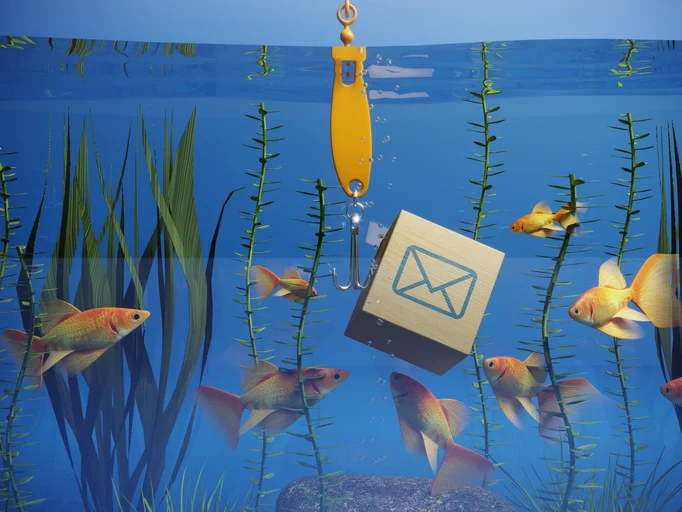
A coordinated and highly sophisticated phishing campaign is currently targeting patients across more than a dozen major U.S. health systems, leveraging the brand recognition of Epic Systems’ MyChart patient portal to steal sensitive personal, medical, and financial information. The fraudulent operation, which has prompted widespread warnings from healthcare providers this week, utilizes deceptive emails and lookalike websites to trick users into compromising their digital security. By impersonating the most widely used electronic health record (EHR) platform in the United States, cybercriminals are exploiting the trust patients place in their healthcare providers to gain access to high-value data.
The phishing emails are meticulously crafted, featuring the official MyChart logo and utilizing social engineering tactics designed to create a sense of urgency or provide an enticing incentive. Among the primary lures identified by security researchers are promises of a "MyChart Medicare Kit" or a "senior health package," specifically targeting older populations who may be more reliant on digital portals for managing chronic conditions or insurance benefits. Once a recipient clicks on the links provided in these emails, they are redirected to a fraudulent website that mirrors the legitimate MyChart login interface, designed to harvest credentials and payment details.
Technical Anatomy of the MyChart Phishing Campaign
Epic Systems, the developer of the MyChart platform, has clarified that this activity does not represent a breach of its internal servers or infrastructure. Instead, the campaign is a classic example of brand impersonation and typosquatting. Scammers have registered domains that closely resemble official portal addresses, such as "mychart-epic[.]com," to deceive users who may not scrutinize the URL bar of their web browser.
Security analysts have documented two distinct and malicious schemes operating within this campaign. The first involves a "critical lab result" notification. Patients receive an email or text message claiming that a life-altering or urgent laboratory result is ready for viewing. To access the result, the user is prompted to download an attachment or click a link that installs malicious software—likely a Trojan or ransomware—onto their device. This tactic exploits the inherent anxiety patients feel regarding their health to bypass standard security caution.
The second scheme utilizes a "survey" model. Users are lured with the promise of a free gift or healthcare kit but are presented with a countdown timer to create a false sense of scarcity and pressure. Before the "reward" can be claimed, the victim is asked to provide extensive personal information, including Social Security numbers, and is eventually directed to a payment screen to cover "shipping and handling" fees. This allows the attackers to capture both identity-theft-eligible data and credit card information in a single session.
The Growing Vulnerability of Healthcare Digital Infrastructure
The targeting of MyChart is a strategic move by cybercriminals, given Epic’s dominant position in the healthcare technology market. Epic holds the medical records of more than 250 million people worldwide, and MyChart is the primary gateway for millions of Americans to interact with their doctors, schedule appointments, and pay bills. The ubiquity of the brand makes it a prime target for "spray and pray" phishing attacks, where scammers send out mass communications knowing that a significant percentage of recipients will indeed be MyChart users.
This campaign arrives at a time when the healthcare sector is facing an unprecedented wave of cyberattacks. According to data from the U.S. Department of Health and Human Services (HHS) Office for Civil Rights, healthcare data breaches have seen a steady upward trajectory over the last decade. In 2023 alone, the industry saw a record number of reported breaches, with over 133 million individuals affected. The high value of protected health information (PHI) on the dark web—often fetching ten to twenty times the price of a standard credit card number—makes patients an evergreen target for digital exploitation.
Expert Analysis: The Psychology of the "Feeling" of Authenticity
The effectiveness of these attacks often lies in their ability to mimic the "feel" of a legitimate interaction rather than just the visual aesthetic. Amy Bucher, Chief Behavioral Officer at patient engagement startup Lirio, notes that patients rarely perform a technical audit of the communications they receive. Instead, they rely on mental shortcuts or heuristics.
"In many cases, patients aren’t deciding whether a message is authentic. They’re deciding whether it feels authentic," Bucher explained. She pointed out that when legitimate healthcare outreach becomes too generic, automated, or impersonal, it inadvertently trains patients to accept the same tone from scammers. The more a health system’s actual communications resemble a mass-marketing blast, the easier it is for a phishing attempt to blend in. Bucher suggests that personalized, context-aware communication is not just a tool for engagement, but a vital component of a security strategy.
Jackie Mattingly, Senior Director of Consulting Services at the cybersecurity firm Clearwater, emphasized that the burden of detection should not rest solely on the patient. She argued that modern phishing has evolved beyond the era of obvious misspellings and broken English. "Phishing is becoming much more polished and personalized," Mattingly said. She advised that healthcare providers must treat patient-facing phishing as an extension of their own enterprise security risk.
Chronology of the Phishing Escalation
The timeline of this specific campaign suggests a coordinated rollout. In the weeks leading up to the public warnings, cybersecurity firms began noticing a spike in the registration of domains containing the keywords "MyChart," "Epic," and "PatientPortal."
- Early Phase: Detection of lookalike domains and the initial "Medicare Kit" lures. These were likely "testing the waters" to see which demographics yielded the highest click-through rates.
- Mid-Phase: The introduction of the "Critical Lab Result" tactic. This marked a shift from simple data harvesting to the distribution of malware, indicating a more aggressive intent.
- Current Phase: Widespread distribution across multiple states. Over a dozen health systems, including several major academic medical centers and regional networks, issued concurrent alerts to their patient populations via social media, official websites, and in-app notifications within the legitimate MyChart app.
Epic Systems has responded by updating its security resource page, "Staying Safe from Scams and Fraud," which provides patients with specific indicators of fraudulent activity. The company has urged users to always verify that they are using the official app or the specific URL provided by their healthcare organization.
Broader Implications for the Healthcare Industry
The MyChart phishing campaign highlights a critical gap in the "hospital-to-home" security chain. While hospitals spend millions of dollars securing their internal networks, firewalls, and employee workstations, the patient remains the "weakest link" in the ecosystem. A patient’s compromised MyChart account can provide a gateway for attackers to view sensitive clinical notes, alter appointment schedules, or even engage in insurance fraud.
Furthermore, these attacks have a secondary, long-term impact: the erosion of trust in digital health. As health systems push for more "digital-first" interactions to increase efficiency and lower costs, a surge in successful phishing attacks may cause patients to retreat from using these portals altogether. If patients fear that every notification of a lab result is a potential trap, the efficiency gains of EHR systems are significantly diminished.
To combat this, security experts recommend a multi-layered approach:
- Multi-Factor Authentication (MFA): Health systems are increasingly making MFA mandatory for patient portals. While it adds a layer of friction, it is the single most effective defense against credential theft.
- Brand Monitoring: IT departments are now utilizing services that proactively monitor the internet for the registration of lookalike domains, allowing them to issue "takedown" requests before a phishing campaign can fully launch.
- Patient Education: Moving beyond simple warnings to providing actionable "red flag" training. This includes teaching patients to hover over links to see the destination URL and emphasizing that legitimate providers will never ask for a credit card number to release a lab result.
Conclusion and Future Outlook
The current phishing campaign against Epic MyChart users is a reminder that cybercriminals are increasingly targeting the intersection of healthcare and consumer technology. As medical records become more centralized and accessible via mobile devices, the surface area for attack continues to expand.
For now, the advice from both Epic and healthcare providers remains steadfast: exercise extreme caution with unsolicited communications. Patients are encouraged to bypass email links entirely and instead navigate directly to their provider’s verified website or use the official MyChart mobile application available through the Apple App Store or Google Play Store. By breaking the habit of clicking through from emails, patients can effectively insulate themselves from the vast majority of these fraudulent schemes.
As the healthcare industry continues its digital transformation, the integration of behavioral science and cybersecurity will be essential. The goal is to create a digital environment where the "feeling" of authenticity is backed by rigorous technical verification, ensuring that the convenience of modern medicine does not come at the cost of personal security.

