
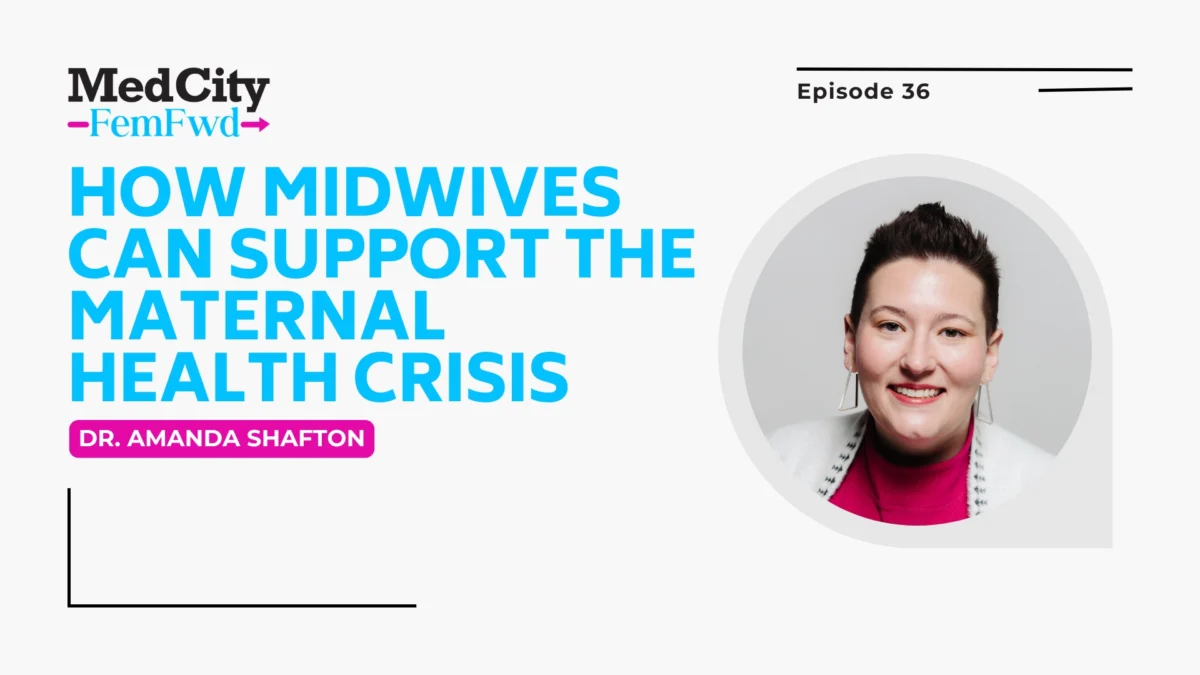
The United States is currently grappling with a maternal health crisis characterized by rising mortality rates, a dwindling workforce of obstetricians, and the expansion of "maternity care deserts" across rural and underserved regions. In response to these systemic challenges, healthcare leaders are increasingly advocating for a shift away from traditional, siloed medical models toward a collaborative, team-based approach that integrates Certified Nurse Midwives (CNMs) into hospital settings. Dr. Amanda Shafton, a practicing CNM and the National Director of Midwifery at OB Hospitalist Group (OBHG), recently detailed the transformative potential of this model in an episode of the MedCity FemFwd podcast. As the largest employer of obstetricians and midwives in the country, OBHG is at the forefront of a movement that positions the physician-midwife partnership as a critical solution to improving patient outcomes and stabilizing the national healthcare infrastructure.
The Evolution of the Hospitalist Model in Obstetrics
The concept of the "hospitalist"—a clinician who focuses exclusively on the care of hospitalized patients—has been a staple of internal medicine for decades. However, its application in obstetrics is a more recent development intended to address the unpredictability of labor and delivery. Traditionally, private practice obstetricians were expected to manage office hours while remaining "on call" for births at the hospital, a model that often led to provider burnout and delayed care for patients in emergency situations.
OBHG was founded to mitigate these risks by providing hospitals with dedicated, 24/7 on-site coverage. Dr. Shafton’s role as National Director of Midwifery highlights a strategic evolution within this model: the inclusion of midwives as essential peers to physicians. According to Dr. Shafton, the hospitalist team serves as a "safety net," providing immediate care for patients whose private physicians may be unavailable, as well as those who arrive at the hospital without prior prenatal care or while traveling. This infrastructure ensures that every patient, regardless of their background or medical history, has immediate access to a high-level care team.
Data-Driven Benefits of Collaborative Care
One of the most compelling arguments for the integration of midwives into hospitalist programs is rooted in clinical data. Dr. Shafton noted that at OBHG, teams composed of both a physician and a midwife consistently outperform teams consisting solely of physicians across several key metrics. This synergy is attributed to the "magical" intersection of two distinct but complementary philosophies of care.
While obstetricians are trained extensively in surgical interventions and the management of high-risk complications, midwives are educated in the "wellness model" of pregnancy. Midwives view birth as a normal physiological process rather than a medical condition to be managed. This perspective leads to several documented benefits:
- Lower Intervention Rates: Midwifery-led care is associated with lower rates of elective inductions and the use of Pitocin.
- Reduced Cesarean Sections: Midwives typically achieve higher rates of successful vaginal births.
- Increased VBAC Success: Patients seeking a Vaginal Birth After Cesarean (VBAC) often see higher success rates when supported by a midwife.
- Patient Satisfaction: The midwifery model emphasizes education, shared decision-making, and emotional support, leading to higher reported levels of patient autonomy and satisfaction.
By combining these two approaches, the collaborative model ensures that patients receive the benefits of a wellness-focused approach during a normal labor progression, with the immediate availability of a physician should a surgical or high-risk intervention become necessary.
Addressing the National Maternal Health Crisis
The urgency of implementing this collaborative model is underscored by the current state of maternal health in the U.S. According to the Centers for Disease Control and Prevention (CDC), the U.S. has the highest maternal mortality rate among developed nations, with approximately 80% of these deaths considered preventable. Furthermore, a 2022 report from March of Dimes revealed that more than 2.2 million women of childbearing age live in maternity care deserts—counties without a single hospital offering obstetric care or a single obstetric provider.
Dr. Shafton identified the midwife-physician collaboration as a primary tool for filling these gaps. The barriers to expanding the obstetric workforce are significant; the path to becoming an OBGYN involves four years of medical school followed by four years of intensive residency. In contrast, the pathway for a Certified Nurse Midwife—often involving a Master’s or Doctorate degree following a nursing career—is a more streamlined, though equally rigorous, educational route. This allows for a more rapid expansion of the provider pool.
In rural settings, midwives are uniquely positioned to serve. Many CNMs, like those Dr. Shafton works with, are members of the communities they serve, often having worked as labor and delivery nurses before advancing their education. This deep-rooted connection fosters trust and provides a sustainable workforce in areas that struggle to attract and retain specialized physicians.
Barriers to Access and the Role of Insurance
Despite the proven benefits, the integration of midwifery into the broader U.S. healthcare system faces several hurdles. Dr. Shafton pointed out that while insurance coverage for hospital-based midwifery care has largely caught up with medical standards, challenges remain for community-based care.
In the hospital setting, most private and public insurance plans (such as Medicaid) reimburse for services provided by a CNM at the same or similar rates as those provided by physicians. The "obstetrical emergency department" or triage department within a hospital often utilizes midwives to evaluate patients, and insurers generally accept this as standard care. However, for patients seeking community-based births—such as those in independent birth centers or at home—insurance coverage remains inconsistent and often requires significant out-of-pocket expenses.
Beyond insurance, administrative barriers such as hospital "privileging" can prevent midwives from practicing to the full extent of their education. Many hospitals still operate under outdated bylaws that require a physician to be physically present for every delivery, even if it is a low-risk birth managed by a midwife. Dr. Shafton and OBHG work to dismantle these barriers by educating hospital administrators on how to update bylaws and grant full clinical privileges to midwives, thereby optimizing the hospital’s workforce.
The Integration of Doulas and Community Support
The collaborative model described by Dr. Shafton extends beyond the physician-midwife dyad to include doulas and other support systems. While midwives and physicians are clinical providers responsible for the medical safety of the mother and infant, doulas provide continuous physical, emotional, and informational support.
Dr. Shafton emphasized that doulas are a vital part of the "community" surrounding a birthing person. In an integrated hospitalist model, the clinical team works in tandem with the patient’s chosen doula to ensure that the patient feels advocated for and supported. This holistic approach is particularly effective in reducing the trauma often associated with unexpected changes in birth plans. For example, if a patient intended to have a community birth but requires a transfer to a hospital, having a midwife-to-midwife transfer within the OBHG system can provide a sense of continuity and safety that a standard medical transfer might lack.
A Timeline of Midwifery and the Future Outlook
The trajectory of midwifery in the United States has seen significant shifts over the last century. In the early 20th century, midwives attended the majority of births, particularly in immigrant and Black communities. However, as birth moved into hospitals and became increasingly medicalized, the role of the midwife was marginalized.
The late 20th and early 21st centuries have seen a resurgence of the profession.
- 1955: The American College of Nurse-Midwives (ACNM) was established.
- 1990s-2000s: Increased research began to highlight the safety and efficacy of midwifery care in hospital settings.
- 2010-Present: The rise of the hospitalist movement provided a new platform for midwives to work as peers within the hospital system.
Looking forward, Dr. Shafton believes the "answer is more midwives." The goal is to have at least one midwife integrated into every hospital where babies are born. This requires continued advocacy, public education, and legislative support to ensure that the profession can grow to meet the needs of the population.
Fact-Based Analysis: Implications for the Healthcare System
The implications of a widespread shift toward the midwife-physician collaborative model are profound. Financially, hospitals stand to benefit from reduced overhead and more efficient use of resources. Because midwives are experts in the "normal" birth process, they can manage low-risk labors, allowing physicians to focus their time and expertise on high-risk cases and surgical procedures. This specialization of labor within the care team can reduce provider burnout—a critical issue in a field where nearly 50% of OBGYNs report symptoms of professional exhaustion.
Furthermore, the model addresses the health equity gap. Black women in the U.S. are three times more likely to die from pregnancy-related causes than white women. Research indicates that the midwifery model’s emphasis on communication, respect, and patient-centered care can help mitigate the effects of implicit bias in the healthcare system. By fostering a culture of "respectful, collaborative care," as Dr. Shafton described, hospitals can create safer environments for the most vulnerable populations.
In conclusion, the integration of midwives into the hospitalist framework represents a paradigm shift in American obstetrics. By moving away from a model of competition or hierarchy and toward one of mutual respect and shared expertise, the healthcare system can begin to address the maternal health crisis. As Dr. Shafton and the OB Hospitalist Group demonstrate, the collaboration between physicians and midwives is not merely a luxury for those seeking a "natural" birth; it is a clinical and systemic necessity for a safer, more equitable future in maternal healthcare.

