
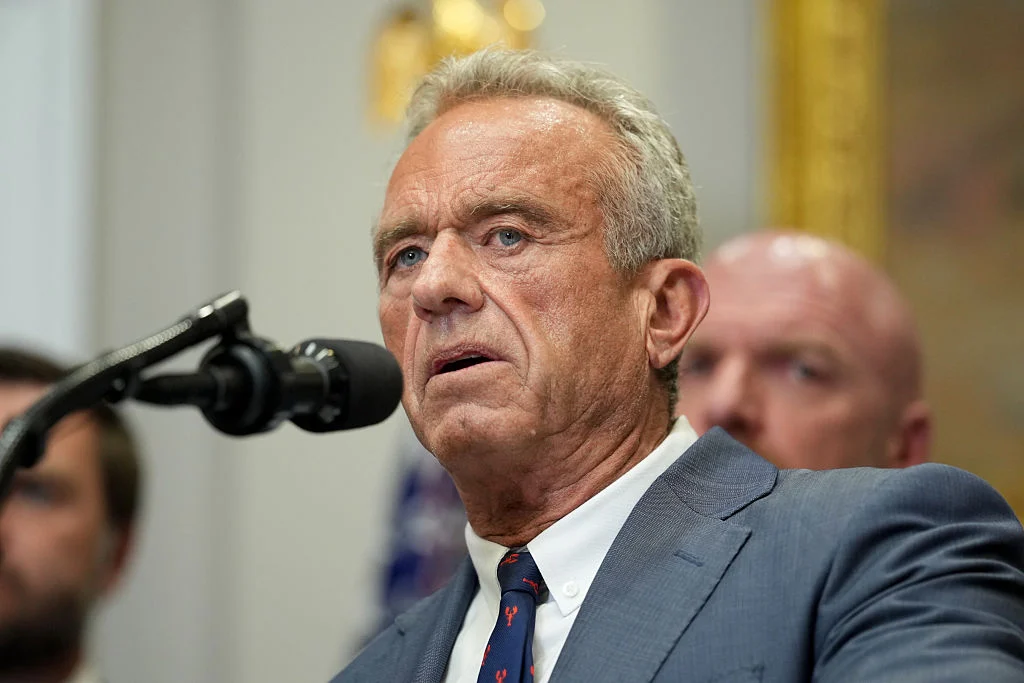
Department of Health and Human Services (HHS) Secretary Robert F. Kennedy Jr. announced on Thursday the appointment of eight new members to the U.S. Preventive Services Task Force (USPSTF), effectively filling out the 16-member volunteer panel responsible for setting the nation’s standards for preventive medical care. This significant overhaul of the task force’s membership marks a pivotal moment for the independent body, which wields substantial influence over what medical services insurance companies must cover under the Affordable Care Act (ACA). The appointments follow months of administrative restructuring and public tension between the HHS leadership and the previous iteration of the panel, signaling a new era of scrutiny regarding the evidence-based guidelines that govern screenings, immunizations, and preventive medications for millions of Americans.
The newly appointed members join the task force at a time when its authority and the scientific rigor of its recommendations are under intense national debate. Among the new appointees is Seth Corey, a distinguished pediatric hematologist-oncologist at the Cleveland Clinic, who has been designated to serve as the task force’s new chair. Dr. Corey is joined by a diverse group of specialists, including pediatrician Patrick Hunter, cardiologist Ronald Karlsberg, preventive-cardiology professor Venkatesh Murthy, health economist Stephen Parente, family physician Goldie Stands-Over-Bull, gastroenterologist Louis Wilson, and radiologist Dennis Wulfeck. This group replaces several members whose terms had expired, as well as high-ranking officials who were dismissed earlier this year.
The Critical Role and Mandate of the USPSTF
To understand the weight of these appointments, one must consider the historical and legal significance of the USPSTF. Founded in 1984, the task force was designed as an independent, volunteer panel of national experts in prevention and evidence-based medicine. Its primary mission is to improve the health of all Americans by making evidence-based recommendations about clinical preventive services such as screenings, counseling services, and preventive medications. The task force assigns a letter grade (A, B, C, or D) or an "I" statement (insufficient evidence) to each service it reviews, based on the strength of the evidence and the balance of benefits and harms.
The stakes for these grades were elevated exponentially with the passage of the Patient Protection and Affordable Care Act in 2010. Under Section 2713 of the ACA, private health insurance plans are required to cover preventive services that receive a grade of "A" or "B" from the USPSTF without any patient cost-sharing, such as co-pays or deductibles. This mandate ensures that critical services—ranging from mammograms and colonoscopies to blood pressure screenings and statin use for heart disease prevention—are accessible to the public without financial barriers. Consequently, any shift in the task force’s methodology or membership composition can have immediate and profound effects on insurance premiums, provider reimbursement, and patient access to care.
A Chronology of Leadership Changes and Friction
The announcement of the eight new members is the culmination of a tumultuous period for the task force. The restructuring began in earnest nearly four months ago when Secretary Kennedy took the unprecedented step of dismissing vice chairs John Wong and Esa Davis. This move sparked significant outcry from various healthcare advocacy groups and professional medical associations, who viewed the dismissals as a threat to the panel’s traditional independence from political influence.
Reports emerged throughout the previous year suggesting that Secretary Kennedy had expressed dissatisfaction with the task force’s direction. Specifically, the Secretary had reportedly criticized the panel for adopting views he characterized as too "woke," particularly in relation to how the task force addressed social determinants of health and health equity. Kennedy’s push for a "Make America Healthy Again" (MAHA) agenda has frequently focused on revisiting established medical norms and questioning the influence of corporate interests on federal health guidelines.
In addition to the dismissals of the vice chairs, the task force had been operating with several vacancies. Five members’ terms had expired without immediate replacement, and the previous chair had departed the role independently. The current appointments represent a comprehensive effort by the HHS to restore the panel to its full 16-member capacity, albeit with a roster that reflects the current administration’s priorities.
Profiles of the New Appointments and a Shift in Expertise
The composition of the new appointees suggests a subtle but notable shift in the professional background of the task force. Historically, the USPSTF has been dominated by experts in primary care, including family medicine, internal medicine, and pediatrics, as these are the clinicians most frequently tasked with implementing preventive screenings. While the new roster includes primary care voices, it also features a heavy concentration of specialists and technical experts.
Seth Corey’s appointment as chair is particularly noteworthy. As a pediatric hematologist-oncologist at one of the world’s leading medical institutions, the Cleveland Clinic, Corey brings a background in high-complexity specialty care. Similarly, the inclusion of specialists in cardiology (Karlsberg and Murthy), gastroenterology (Wilson), and radiology (Wulfeck) indicates a potential focus on the technical nuances of diagnostic screenings.
The appointment of Stephen Parente, a prominent health economist from the University of Minnesota, is also significant. Parente previously served in high-level roles within the HHS during the Trump administration and is known for his work on health insurance markets and the economic impact of healthcare policy. His presence on the panel suggests that the task force may place a greater emphasis on the economic implications and cost-effectiveness of preventive recommendations, even though the USPSTF’s statutory mandate has traditionally focused on clinical benefit rather than cost.
Official Statements and Rationales
In a statement accompanying the announcement, Secretary Kennedy emphasized that the new appointments are intended to bolster the task force’s scientific integrity. He noted that the infusion of new perspectives would "ensure it asks hard questions, follows the evidence wherever it leads and maintains the highest standards of scientific integrity." Kennedy has frequently argued that federal health agencies have become too insulated from dissenting scientific views and that a more rigorous, "bottom-up" review of medical evidence is necessary to address the nation’s chronic disease crisis.
However, the medical community has responded with a mixture of interest and apprehension. The American Medical Association (AMA), the nation’s largest physician organization, issued a statement reacting to the news with visible caution. The AMA noted that the new additions represent "a significant departure" from the task force’s traditional membership structure.
"Maintaining a strong primary care voice must remain central to the USPSTF’s work," the AMA statement read. The organization further stressed that recommendations "must continue to be based on a transparent, rigorous, independent scientific process and informed by the perspective of physicians who deliver preventive care to patients every day." The underlying concern among critics is that a shift away from primary care expertise could result in recommendations that are less practical for implementation in the typical doctor-office setting or that do not fully account for the longitudinal relationship between patients and their primary physicians.
Analysis of Potential Implications and Legal Challenges
The reshuffling of the USPSTF occurs against a backdrop of significant legal challenges to its authority. In the case of Braidwood Management Inc. v. Becerra, plaintiffs argued that the USPSTF’s power to mandate insurance coverage is unconstitutional because its members are not "Officers of the United States" appointed by the President and confirmed by the Senate. While the case has seen various rulings in lower courts, it highlights the precarious nature of the task force’s mandate. By appointing members who align more closely with the current administration’s vision of health reform, Secretary Kennedy may be attempting to fortify the body’s legitimacy while simultaneously steering its agenda.
The potential impact on public health is vast. The USPSTF is currently in the process of reviewing or updating several high-stakes recommendations, including those related to breast cancer screening intervals, colorectal cancer prevention, and the use of preventive medications for cardiovascular health. If the new panel adopts a more conservative approach to evidence—potentially raising the bar for what constitutes "sufficient" evidence—it could lead to more "I" statements or "C" grades. This would effectively remove the mandate for insurers to cover those services for free, potentially leading to lower utilization rates among lower-income populations.
Conversely, supporters of the new appointments argue that the task force has previously been too slow to adapt to emerging data or too focused on population-level statistics at the expense of individualized, specialist-informed care. They suggest that a more skeptical eye toward "consensus" medicine could lead to more accurate assessments of the harms of over-screening, such as unnecessary biopsies, patient anxiety, and the financial burden of over-treatment.
Conclusion and Future Outlook
As the 16-member panel begins its work under the leadership of Dr. Seth Corey, the healthcare industry will be watching closely for signs of a shift in the task force’s methodology. The balance between maintaining a rigorous, independent scientific process and responding to the executive branch’s policy priorities remains a delicate one.
For patients and providers, the immediate concern will be the continuity of care. The USPSTF’s recommendations serve as the "gold standard" for clinical practice guidelines used by electronic health record systems and quality-of-care metrics. Any radical departure from established guidelines would require a massive recalibration of the American healthcare delivery system.
The coming months will reveal whether this new iteration of the U.S. Preventive Services Task Force can bridge the gap between Secretary Kennedy’s vision for a reformed health apparatus and the medical community’s demand for stability and evidence-based independence. With the nation facing rising rates of chronic illness and a complex debate over the future of the Affordable Care Act, the work of these eight new appointees will be more consequential than ever.

