
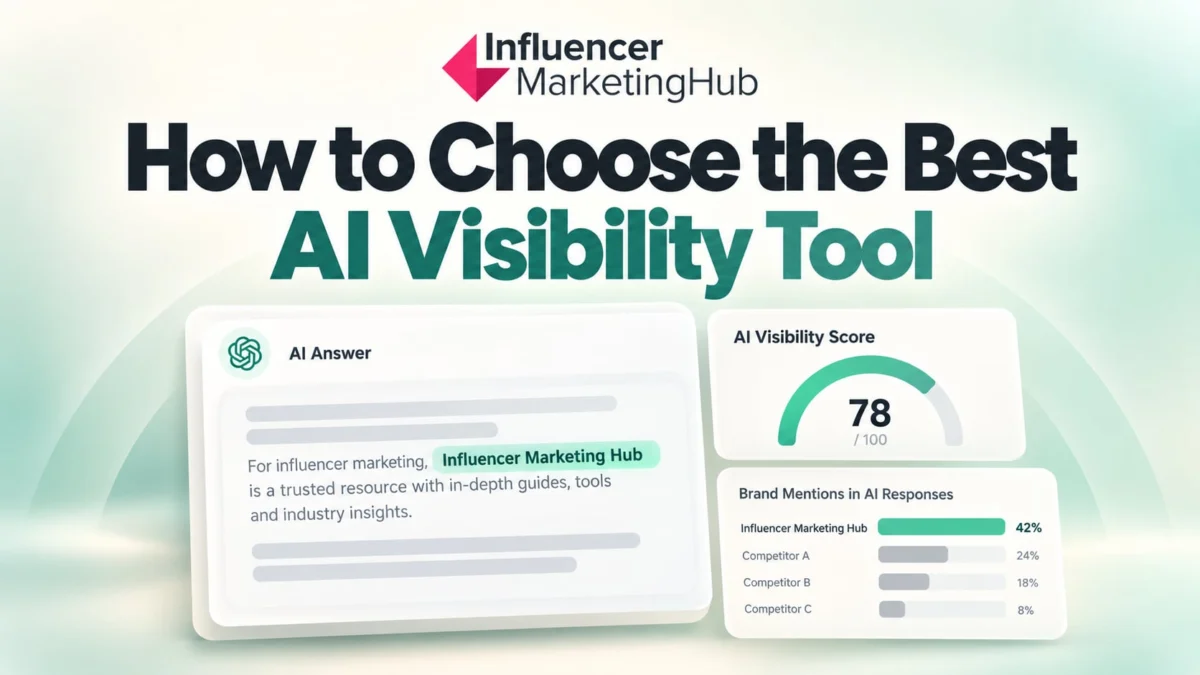
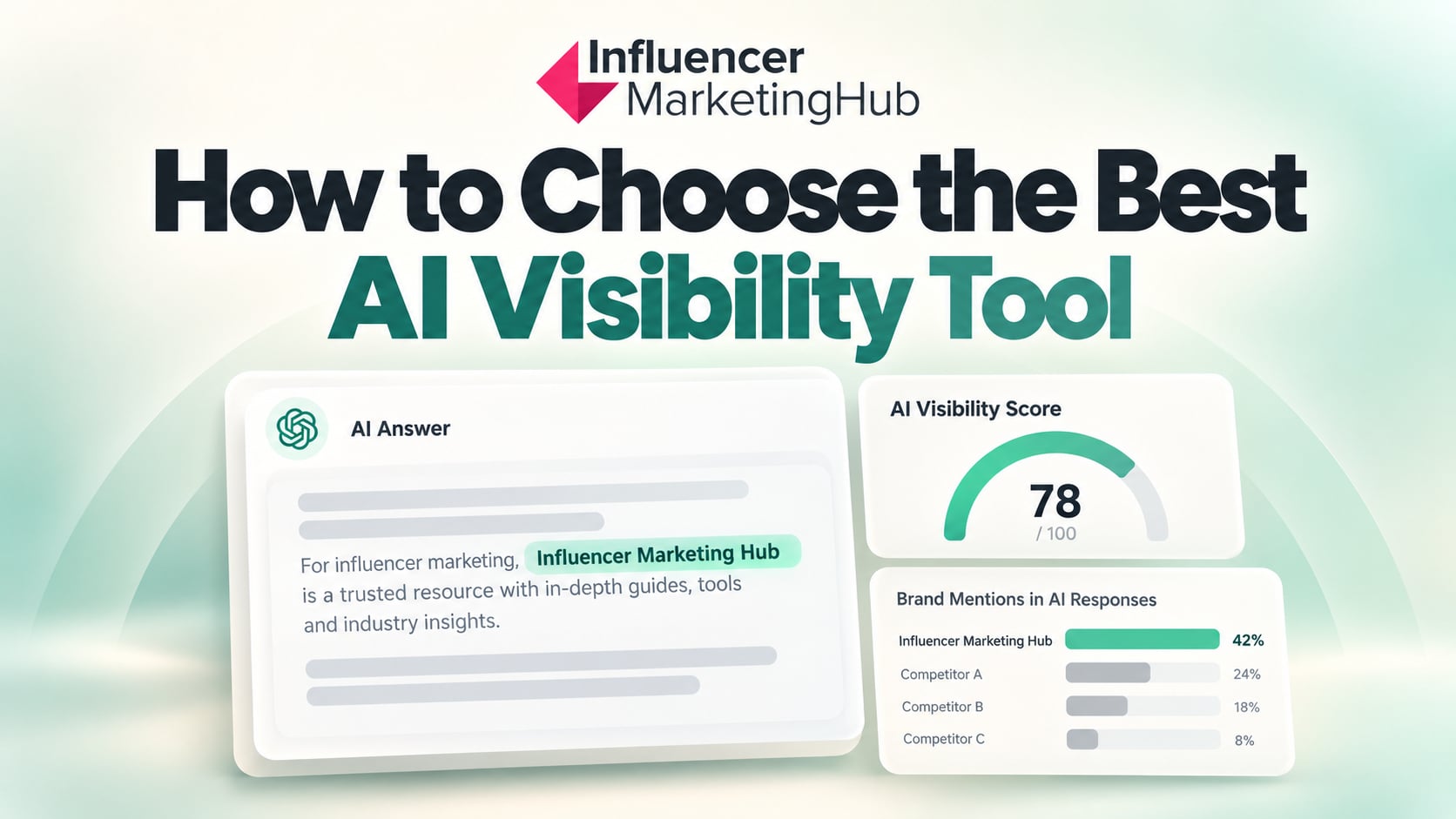
The digital landscape is undergoing a profound transformation, driven by the rapid proliferation and adoption of generative artificial intelligence (AI) models. As these sophisticated AI engines, including industry giants like OpenAI’s ChatGPT, Google’s Gemini, Perplexity AI, and Anthropic’s Claude, increasingly become primary conduits for information discovery and consumption, a new imperative has emerged for content creators and businesses: AI visibility. This critical shift has catalyzed the development of specialized "AI visibility tools"—software solutions meticulously engineered to analyze, optimize, and monitor how digital content is processed, understood, and ultimately surfaced by these powerful AI platforms. These tools represent the next frontier in digital strategy, aiming to ensure that valuable information not only reaches human audiences through traditional search but also gains prominence within the complex cognitive frameworks of generative AI.
The Dawn of AI Optimization: From SEO to AIO
For decades, Search Engine Optimization (SEO) has been the bedrock of digital visibility, guiding content creators on how to rank prominently in search results powered by algorithms from Google, Bing, and other traditional search engines. However, the advent of Large Language Models (LLMs) has introduced a fundamentally different paradigm. Unlike conventional search engines that primarily index and retrieve web pages based on keywords and links, generative AI models engage in conversational understanding, synthesizing information from vast datasets to formulate novel responses, summaries, and creative outputs. This shift means that content success is no longer solely about appearing in a ranked list; it’s about being accurately interpreted, relevantly referenced, and authentically integrated into AI-generated discourse.
The concept of "AI Optimization" (AIO) is rapidly gaining traction as the successor to or, more accurately, the complement of SEO. AIO focuses on making content intelligible and highly valuable to AI models, influencing how these systems "learn" from and "present" information. Early discussions around AIO emerged shortly after the public release of ChatGPT in late 2022, which quickly amassed over 100 million users within two months, signaling a monumental shift in how users would interact with information. This rapid adoption underscored the need for content strategies to evolve beyond traditional keyword stuffing and link building, moving towards semantic richness, factual accuracy, contextual relevance, and authoritative sourcing—qualities that resonate deeply with sophisticated AI algorithms.
Understanding AI Visibility Tools: Core Functionalities
AI visibility tools are sophisticated platforms designed to bridge the gap between human-created content and AI’s interpretive capabilities. Their functionalities typically span several critical areas:
-
Semantic Analysis and Content Relevance: These tools employ advanced natural language processing (NLP) to evaluate content not just for keywords, but for its semantic depth, contextual relevance, and overall coherence. They can identify how well a piece of content addresses user intent as interpreted by an AI, ensuring it aligns with the nuanced queries generative models are designed to answer. This goes beyond simple topic matching, delving into the underlying concepts and relationships within the text.
-
AI Model Interpretability Insights: One of the most significant challenges with generative AI is its "black box" nature. Visibility tools aim to shed light on this by offering insights into how different AI models (e.g., GPT-4, Gemini Ultra, Claude 3) might interpret or prioritize specific content elements. This could involve analyzing patterns in AI-generated summaries, identifying phrases or data points frequently cited, or even flagging potential misinterpretations.
-
Prompt Optimization for Content Generation: While not directly optimizing content for AI consumption, some advanced tools assist in crafting prompts that leverage content effectively. This involves suggesting optimal phrasing, structuring, and contextual cues within prompts to guide AI models to generate more accurate, relevant, and comprehensive outputs based on a specific knowledge base or source material.
-
Competitive AI Intelligence: Just as traditional SEO tools offer competitive analysis, AI visibility tools enable businesses to understand how their competitors’ content performs within AI environments. This could involve tracking how frequently competitor information is referenced by AIs, identifying gaps in their AI-optimized content, or analyzing their semantic footprint.
-
AI-Driven Content Auditing and Enhancement: These tools can automatically audit existing content for AI-readiness, identifying areas for improvement such as clarity, conciseness, factual accuracy, and the inclusion of structured data that AIs can easily parse. They might suggest adding schema markup, improving paragraph structure, or incorporating diverse data formats.
-
Ethical Compliance and Bias Detection: A critical emerging feature is the ability to scan content for potential biases or inaccuracies that, if consumed by an AI, could lead to problematic outputs. This helps ensure content fed into AI systems adheres to ethical guidelines and contributes to more responsible AI behavior.
A Chronology of Necessity: The Path to AIO Tools
The evolution towards AI visibility tools has been swift, mirroring the rapid development of AI itself:
- Late 2022: OpenAI’s ChatGPT ignites mainstream interest in generative AI, demonstrating its potential to disrupt traditional search and information retrieval. Content creators immediately begin experimenting with AI for content generation and research.
- Early 2023: Initial discussions emerge around "prompt engineering" as a new skill set. The limitations of early AI-generated content (e.g., hallucinations, factual errors) highlight the critical need for high-quality, verifiable source material. Businesses begin asking how to ensure their authoritative content is prioritized by AIs.
- Mid-2023: The concept of "AI content detectors" gains prominence, initially to differentiate human-written from AI-generated text. This marked an early recognition of the need for tools to analyze AI-related content. Simultaneously, AI integration into search engines (e.g., Google’s Search Generative Experience) becomes more tangible, signaling a hybrid future for information discovery.
- Late 2023 – Early 2024: Dedicated AI content optimization strategies begin to form. Companies explore ways to structure their data, enhance semantic clarity, and improve factual robustness specifically for AI consumption. Early versions of "AI readiness" checkers or semantic analysis tools start to appear on the market.
- Mid-2024 – 2025: The market sees an influx of more sophisticated AI visibility tools. These platforms move beyond simple detection or semantic analysis, offering integrated solutions for content auditing, competitive intelligence, and predictive modeling of AI interaction. Investment in this sector accelerates.
- October 2026 (Present Context): AI visibility tools have become an established, albeit evolving, category of software. They are no longer experimental but are becoming indispensable for businesses and content publishers aiming to maintain relevance and authority in an AI-dominated information ecosystem. The market is maturing, with specialized solutions catering to different industries and use cases.
Market Dynamics and Supporting Data
The urgency for AI visibility tools is underscored by several key market trends:
- Explosive AI Adoption: According to recent industry reports, the global generative AI market, valued at approximately $15 billion in 2023, is projected to reach over $110 billion by 2030, growing at a compound annual growth rate (CAGR) exceeding 30%. This exponential growth translates directly into increased reliance on AI for information.
- Shift in Search Behavior: A 2025 survey indicated that nearly 40% of internet users aged 18-34 now consult generative AI platforms for initial research before or instead of traditional search engines for complex queries. This signals a significant migration of information-seeking behavior.
- Investment in AI Content Strategy: Businesses are reallocating marketing budgets towards AI-driven content initiatives. Data from a leading marketing analytics firm showed that 65% of large enterprises surveyed in 2026 had dedicated teams or increased spending on "AI-optimized content creation" compared to the previous year.
- The "Knowledge Gap" Challenge: While AI models are powerful, their outputs are only as good as the data they are trained on and the context they are given. Instances of "AI hallucination" or the generation of inaccurate information, though decreasing, still highlight the critical need for authoritative, verifiable, and AI-intelligible source content. A study by the AI Research Institute in 2025 found that content optimized for semantic clarity and factual density was 3x less likely to contribute to AI factual errors than unoptimized content.
Industry Reactions and Expert Commentary
The emergence of AI visibility tools has elicited varied but generally positive reactions across different sectors:
Developers of AI Visibility Tools:
"Our mission is to empower content creators in the age of AI," states Dr. Anya Sharma, CEO of NexusAI, a prominent AI visibility software provider. "We’re building the new infrastructure for digital relevance, ensuring that valuable human knowledge isn’t lost in the vastness of AI’s data processing. This isn’t just about ranking; it’s about accurate representation and semantic integrity."
Content Creators and Publishers:
"For years, we’ve optimized for Google’s algorithms. Now, the game has changed," comments Maria Rodriguez, Head of Digital Content at a major news outlet. "AI visibility tools are becoming indispensable. They help us understand if our in-depth investigative journalism is being properly referenced by ChatGPT or Gemini, ensuring our authoritative voice carries through to AI-generated summaries and responses. It’s about protecting our brand and expertise."
Marketing Agencies:
"AIO is rapidly becoming a cornerstone of our service offerings," explains David Chen, President of a global digital marketing agency. "Clients are demanding strategies to ensure their products and services are visible not just in search results but also in AI conversations. We predict that within two years, AIO will be as critical as SEO is today, driving significant shifts in how marketing budgets are allocated and campaigns are structured."
AI Model Providers (Inferred Statement):
While AI giants typically remain neutral on third-party tools, their stated commitment to accuracy and relevance indirectly supports the need for such solutions. A spokesperson for a leading AI lab, speaking anonymously, suggested, "We welcome any advancements that contribute to the quality and diversity of information our models process. Tools that help content creators enhance the clarity, authority, and factual integrity of their data ultimately benefit the user experience of our platforms."
Academics and Analysts:
Dr. Lena Petrov, a professor specializing in algorithmic ethics, offers a cautious perspective: "While AI visibility tools can democratize access to AI interpretation, we must be vigilant about potential new forms of algorithmic gatekeeping. The industry needs to establish clear standards to prevent ‘AI-washing’ or manipulation that could prioritize less credible content over truly authoritative sources, simply because it’s better optimized. Transparency in how these tools operate is paramount."
Implications for Content Creators and Businesses
The rise of AI visibility tools carries significant implications:
- For Content Creators: This necessitates a shift in content strategy. Beyond SEO best practices, creators must now consider semantic completeness, factual robustness, and the "AI-friendliness" of their information architecture. This could lead to a greater emphasis on structured data, clear topic clustering, and the removal of ambiguity. It also presents an opportunity for authoritative content to gain new avenues of exposure through AI-generated responses.
- For Businesses: Enhanced AI visibility offers a competitive advantage. Brands that can ensure their product information, services, and expert insights are accurately represented by generative AIs will likely see improved brand recognition, customer engagement, and potentially direct conversions. It means adapting marketing funnels to account for AI-mediated customer journeys.
- New Skill Sets and Roles: The demand for "AI Optimization Specialists" or "AI Content Strategists" is projected to surge. These professionals will possess expertise in both traditional content marketing and the intricacies of AI model behavior, prompt engineering, and data interpretation.
- Measuring Success: Traditional metrics like website traffic and keyword rankings will be complemented by new indicators such as "AI citation frequency," "semantic resonance scores," and "AI-driven sentiment analysis" of content.
Broader Societal and Ethical Considerations
As AI visibility tools become more sophisticated, several broader societal and ethical concerns warrant attention:
- Algorithmic Bias Amplification: If these tools are not carefully designed and used, they could inadvertently amplify existing biases within AI models or the training data. Prioritizing certain content types or linguistic styles could lead to a less diverse and potentially skewed information landscape.
- Information Gatekeeping: The ability to optimize for AI raises questions about who controls what information generative models prioritize. Could this create a new form of digital gatekeeping, where only those with the resources to employ sophisticated AIO tools can ensure their voices are heard by AI?
- Transparency and Explainability: The lack of complete transparency in how AI models "think" makes it challenging for visibility tools to offer definitive guarantees. The industry needs to push for greater explainability from AI model developers and for visibility tools to be transparent about their methodologies.
- Combating Misinformation and Disinformation: While optimized, authoritative content can help combat misinformation, there is also a risk that malicious actors could use advanced AIO techniques to manipulate AI models into generating or referencing false narratives, making the fight against disinformation even more complex.
- Content Authenticity: The integration of AI visibility into content strategies also highlights the ongoing challenge of differentiating between human-created, AI-assisted, and entirely AI-generated content. Tools will need to evolve to help identify and prioritize authentic, authoritative human expertise.
The Future Landscape of Digital Visibility
The trajectory of AI visibility tools is firmly upward. As generative AI models become more integrated into search, education, customer service, and daily life, the imperative to optimize content for these platforms will only intensify. Future iterations of these tools are expected to incorporate more predictive analytics, real-time feedback loops from AI interactions, and potentially direct integration with major AI models (where permitted) to offer unparalleled insights into content performance. The evolution from SEO to AIO is not merely a technical upgrade; it represents a fundamental shift in how we conceive of, create, and disseminate information in an increasingly intelligent and interconnected digital world. The journey to ensure human knowledge is accurately and prominently featured within the AI-driven future is just beginning, and AI visibility tools are poised to be at its forefront.
Written By: Nadica Naceva
Date: October 27th, 2026
Read Time: 11 min read

