
India’s Evolving Consumer Landscape: Lessons from Homegrown Brands for Foreign Market Entrants
India, now the world’s most populous nation, presents a vast and rapidly expanding frontier for e-commerce, yet its digital sales remain nascent compared to established markets like China and the United States. This burgeoning potential, however, is tempered by complex regulatory frameworks designed to protect domestic businesses, a crucial factor for foreign brands considering market entry. While previous analyses have outlined the strategic pathways for international players—establishing their own marketplaces, forging partnerships with local distributors, engaging in cross-border transactions, or directly selling company-owned products—a critical, often overlooked, element is the intricate dance of product-market fit and consumer demand. Foreign merchants venturing into India may discover that even with a clear entry strategy, a lack of resonance with local tastes and preferences can lead to diminished returns.
To illuminate the nuances of successfully capturing the Indian consumer’s attention, this article delves into the strategies of four prominent homegrown Indian brands. These companies—Blue Tokai, Minimalist, Snitch, and Mokobara—serve as compelling case studies, demonstrating how a nuanced understanding of product, pricing, and distribution has enabled them to connect with the country’s burgeoning middle class, particularly the digitally-savvy Gen Z and Millennial demographics, who collectively represent nearly half of India’s 1.46 billion population. Their success offers invaluable insights for any foreign entity seeking to navigate and thrive in this dynamic market.
The Rise of Homegrown Excellence: A New Era of Indian Consumption
The Indian consumer market is undergoing a profound transformation, driven by a confluence of demographic shifts, increasing disposable incomes, and a rapidly expanding digital ecosystem. The nation’s youth, armed with smartphones and access to global trends, are becoming increasingly discerning and aspirational. This has created fertile ground for indigenous brands that can accurately anticipate and cater to these evolving preferences. The brands highlighted here have not only identified unmet needs but have also executed their strategies with remarkable precision, challenging established norms and setting new benchmarks for product innovation, customer engagement, and operational efficiency.
Blue Tokai: Brewing a Coffee Culture in a Tea Dominant Nation

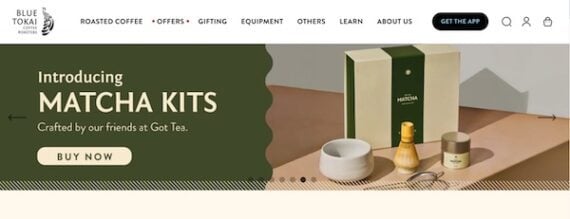
In a country historically steeped in tea culture, the emergence and rapid expansion of Blue Tokai, a premium coffee chain, represents a significant cultural and commercial shift. Established in 2010, Blue Tokai has managed to do what many international giants have struggled with: cultivate a robust coffee-drinking habit among price-conscious urban Indian consumers. The brand’s success can be attributed to a multi-pronged approach that prioritizes a premium experience without prohibitive pricing, a stark contrast to the premium-priced offerings of many global competitors.
Blue Tokai’s strategy revolves around transparency and education. Each outlet meticulously details the origin, roasting process, and specific tasting notes of its coffee beans. This commitment to informing the consumer fosters trust and builds a connection that transcends mere transactional exchanges. By pricing its offerings approximately 25% lower than established competitors, Blue Tokai has made specialty coffee accessible to a wider urban demographic. This strategic positioning has not only fueled the brand’s growth to over 240 stores but has also demonstrably influenced the market, inspiring a wave of competing brands such as Third Wave Coffee, Sleepy Owl, and Rage Coffee to adopt similar consumer-centric approaches to product presentation and pricing. This phenomenon underscores the power of localized innovation in reshaping consumer habits and preferences, even in categories with deeply entrenched traditions. The ripple effect of Blue Tokai’s success signals a broader trend where understanding and adapting to local nuances can unlock significant market potential.
Minimalist: Transparency and Efficacy in the Beauty and Personal Care Sector
Launched in 2020, Minimalist has rapidly ascended to prominence in the competitive beauty and personal care market by championing transparency, efficacy, and straightforward pricing. The brand’s appeal to younger, educated consumers stems from its unwavering commitment to clearly listing all ingredients on its packaging and actively educating shoppers about their functions and benefits. This dedication to honest communication stands in stark contrast to the often-hyped marketing prevalent in the beauty industry.
Minimalist’s operational model is built on a foundation of lean efficiency, a crucial differentiator in a sector prone to high overheads. By manufacturing in-house, implementing a direct-to-consumer (D2C) sales strategy, and maintaining a tightly curated product portfolio, the company has effectively sidestepped common pitfalls such as excess inventory, exorbitant customer acquisition costs, and aggressive discount wars. This disciplined approach allows Minimalist to offer high-quality products at prices significantly lower than premium competitors. The brand’s remarkable trajectory and its ability to resonate with a discerning consumer base did not go unnoticed. In a significant development that highlights the value of its business model, consumer goods behemoth Hindustan Unilever acquired a 90% stake in Minimalist for a reported $350 million in 2025, validating the efficacy of its strategy and its strong market positioning. This acquisition serves as a powerful testament to the growing influence of D2C brands that prioritize consumer trust and product integrity.
Snitch: Agile Fashion for the Digital Native Generation
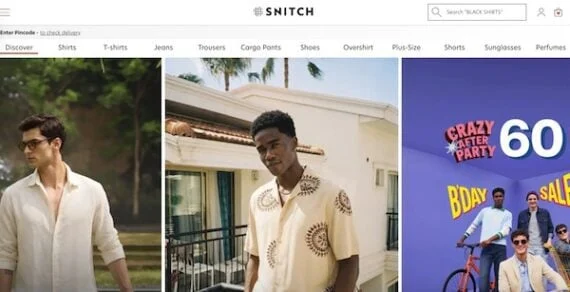
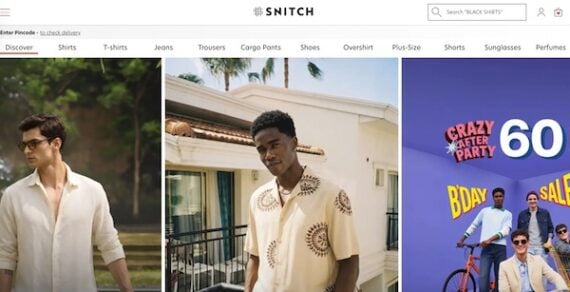
Snitch, a fast-fashion brand specializing in men’s apparel, has successfully leveraged the power of agility and data-driven insights to capture the attention of India’s Gen Z and Millennial consumers. Initially launched in 2019 as a business-to-business (B2B) supplier to physical retail stores, the company made a pivotal pivot to online D2C sales in 2020, a move that now accounts for an impressive 90% of its total revenue. This strategic shift allowed Snitch to directly engage with its target demographic and respond more effectively to rapidly evolving fashion trends.
The brand’s operational philosophy closely mirrors the successful global fast-fashion model, epitomized by companies like Zara, but is meticulously tailored for the Indian context. Snitch focuses on immediate trend adoption, an integrated end-to-end supply chain, and aspirational branding. Its design-to-shelf cycle is remarkably short, often under 25 days, enabling the introduction of approximately 10 new styles daily. These styles are frequently produced in small batches, sometimes as few as a few dozen units per stock-keeping unit (SKU), minimizing the risk of unsold inventory and creating a sense of exclusivity and urgency for consumers.

A key enabler of Snitch’s agility is its sophisticated use of artificial intelligence (AI). The company reportedly employs AI to monitor user behavior across social media platforms, gauging sentiment towards new product launches. Positive reception triggers immediate scaling of production, while negative sentiment leads to the swift discontinuation of the item. This real-time feedback loop, coupled with short production cycles, results in exceptionally low levels of unsold inventory, a significant competitive advantage in the fast-paced fashion industry. Snitch’s ability to adapt and innovate demonstrates a deep understanding of the digital consumer and the operational prowess required to meet their demands.
Mokobara: Redefining Luggage and Accessories with Style and Affordability
Mokobara is actively disrupting India’s luggage and accessories market, a sector traditionally dominated by established players such as VIP, Samsonite, and Safari. Since its inception in 2020, Mokobara has strategically positioned itself to fill a significant market gap by offering stylish, high-quality travel bags at accessible price points. The brand targets the discerning traveler who seeks an alternative to both the inexpensive, uninspired options and the prohibitively expensive, high-end alternatives.
The company’s journey began as a D2C brand operating through its own branded website. It has since expanded its reach to include sales via e-commerce marketplaces and its own physical retail stores, further enhancing its accessibility. Mokobara has also embraced the burgeoning quick commerce trend, offering 30-minute delivery for its products in select areas. This commitment to rapid fulfillment caters to the modern consumer’s expectation of instant gratification.
Mokobara’s success is a direct result of its focus on contemporary travelers who value design aesthetics and quality materials. This focus has resonated strongly with its target audience, reportedly leading to a remarkable 20-fold increase in revenue since 2022. The brand’s ability to combine aspirational design with practical affordability has allowed it to carve out a significant niche and challenge the long-standing dominance of legacy brands. This case exemplifies how a fresh perspective and a keen understanding of evolving consumer priorities can lead to substantial market disruption.
Key Takeaways for Foreign Market Entrants
The successes of Blue Tokai, Minimalist, Snitch, and Mokobara offer a wealth of actionable insights for foreign brands aspiring to penetrate the Indian market. These homegrown champions have demonstrated that a deep understanding of local consumer behavior, coupled with strategic operational execution, is paramount.
- Product-Market Fit is Non-Negotiable: Foreign brands must move beyond simply offering their existing product lines. Rigorous market research is essential to understand specific consumer needs, preferences, and cultural nuances. This includes adapting product features, design, and even the core product offering to align with Indian tastes. For instance, Blue Tokai didn’t just sell coffee; it cultivated a coffee culture by addressing local price sensitivities and educational needs.
- Pricing Strategy is a Critical Lever: India’s diverse economic strata necessitate a flexible and well-considered pricing strategy. While premium offerings have a place, especially in niche segments, the ability to offer value for money is often a decisive factor for the mass market. Minimalist and Blue Tokai exemplify how offering quality at competitive price points can drive significant adoption.
- Distribution Channels Must Be Localized: While D2C and marketplaces are crucial, understanding the role of traditional retail, local distributors, and emerging quick commerce models is vital. Brands like Mokobara have strategically integrated multiple channels, including their own stores and rapid delivery services, to maximize reach and convenience.
- Transparency and Trust Build Loyalty: In an era of increasing consumer awareness, brands that prioritize transparency in their ingredients, manufacturing processes, and marketing communications build stronger, more lasting relationships. Minimalist’s success is a prime example of this principle.
- Agility and Data are Competitive Advantages: The rapid pace of change in consumer preferences, particularly among younger demographics, demands agility. Brands like Snitch, leveraging AI and real-time data, can quickly adapt their product offerings and inventory management to meet dynamic market demands. This ability to pivot and innovate is a significant differentiator.
- Understanding Regulatory Landscapes: While this article focuses on consumer demand, it is imperative for foreign brands to remain abreast of India’s evolving e-commerce regulations. Proactive engagement with legal frameworks, understanding FDI policies, and compliance with local business laws are fundamental to sustainable market entry and operation. The Indian government’s stance on protecting domestic retail and e-commerce ecosystems, as alluded to previously, requires careful navigation.
The Indian e-commerce market is not a monolithic entity; it is a complex tapestry of diverse consumer segments, regional variations, and evolving digital behaviors. Foreign brands that approach India with a willingness to learn, adapt, and invest in understanding the local context, much like these successful homegrown brands have done, will be best positioned to capitalize on the immense growth opportunities that lie ahead. The era of simply transplanting global business models to India is yielding to a new paradigm where localized innovation and deep consumer empathy are the true drivers of success.

