
Instagram is embarking on a significant strategic pivot, introducing a new video upload capability that allows creators to share "Features" up to 90 minutes long. This move, announced on Monday, represents a notable departure from the platform’s long-standing emphasis on short-form, vertical video content and signals a direct challenge to YouTube’s entrenched position as the most lucrative platform for digital content creators. The social media landscape of the 2020s has been largely defined by bite-sized, ephemeral content, championed by TikTok and subsequently adopted aggressively by competitors like Instagram with Reels and YouTube with Shorts. However, this new initiative by Meta-owned Instagram suggests a re-evaluation of content strategy, aiming to capture a larger share of the creator economy by embracing longer, more in-depth video formats that have historically been YouTube’s stronghold.
The Enduring Dominance of YouTube’s Creator Payout Model
For years, the undisputed answer to which social media platform offers the most financial reward for creators with a million followers has been YouTube. Its robust monetization framework, particularly the YouTube Partner Program (YPP), has set the industry standard for direct creator payments. Under the YPP, eligible creators receive a substantial 55% share of the advertising revenue generated from their videos. This straightforward, performance-based model has enabled countless creators to build sustainable careers, transforming passion projects into full-time professions. The scale of this success is immense; YouTube reported last year that it had paid out over $100 billion to creators, artists, and media companies collectively over the preceding four years. This staggering figure underscores the platform’s commitment to and success in fostering a vibrant, economically viable creator ecosystem.
The inherent advantage of long-form video in monetization is multifaceted. Longer content allows for more ad placements within a single video, increasing potential revenue. Furthermore, viewers engaging with longer content typically demonstrate higher intent and deeper interest, making them more valuable to advertisers. This direct ad revenue sharing model has been the bedrock of YouTube’s appeal to professional creators, distinguishing it sharply from platforms like Instagram and TikTok, which have struggled to replicate similar earnings structures for their predominantly short-form content.
Instagram’s Monetization Conundrum and the Shift Away from Short-Form
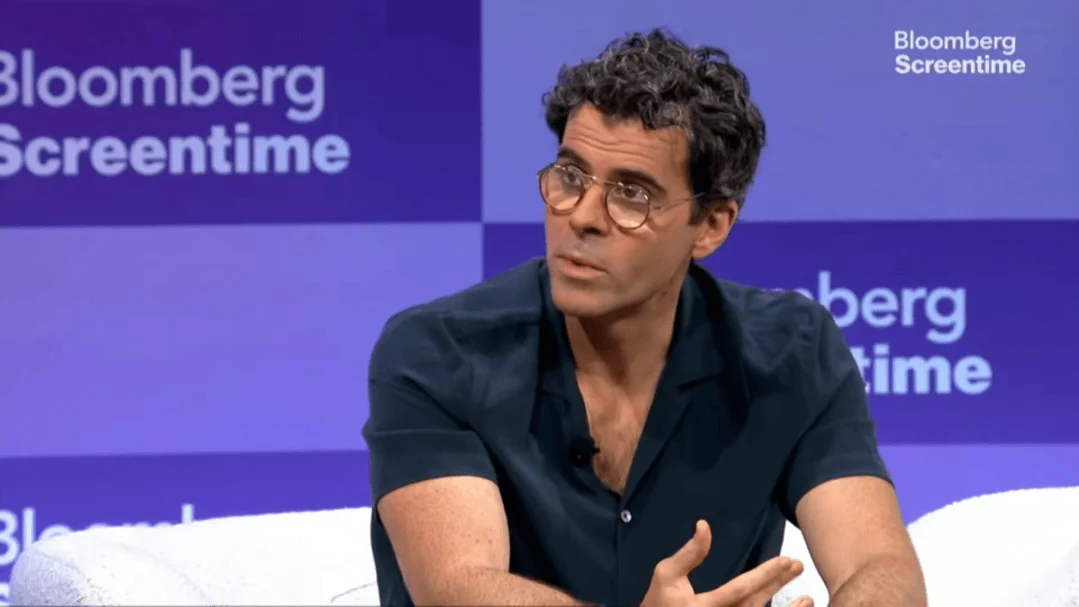
While Instagram has cultivated a massive global audience and is a powerful tool for brand building and promotion, its direct monetization pathways for creators have historically been less robust than YouTube’s. The platform offers tools such as subscriptions, badges during Live videos, and direct brand partnerships, but it has largely shied away from a per-view ad revenue sharing model for the majority of its content. Instagram head Adam Mosseri articulated this challenge in an appearance on the "Colin and Samir Show," an interview series focused on the creator economy. He explained that while creators can earn from brands and, to some extent, from fans through subscriptions, Instagram’s "small performance-based program" currently burns more capital than it generates. "We spend more money than we make back by a long shot, and so it doesn’t really make sense to scale up because we’re just burning capital," Mosseri stated, highlighting the financial unsustainability of expanding their current direct payment initiatives for short-form content.
This candid admission underscores the fundamental difficulty in monetizing short-form video effectively through traditional advertising models. The brief duration of Reels and similar content offers limited opportunities for ad insertion without disrupting the user experience, leading to lower per-view revenue potential compared to longer videos. Consequently, many creators have viewed their Instagram and TikTok accounts less as primary revenue generators and more as promotional arms designed to drive traffic to their YouTube channels or other platforms where more significant direct earnings are possible.
A History of Instagram Video: From IGTV’s Demise to Reels’ Ascendance
Instagram’s foray into long-form video is not entirely new; it marks a significant return to a strategy it previously attempted with IGTV. Launched in June 2018, IGTV was Instagram’s dedicated platform for longer, vertical videos, aiming to provide a destination for content creators to share more in-depth narratives. At the time, it was seen as Instagram’s answer to YouTube, specifically targeting younger audiences accustomed to mobile-first video consumption. However, IGTV struggled to gain traction. Its separate app, confusing integration with the main Instagram feed, and lack of a compelling, direct monetization model for creators led to its eventual demise. In 2021, Meta integrated IGTV content into the main Instagram feed, renaming it "Instagram Video," before ultimately phasing out the standalone IGTV brand and app entirely.
Following IGTV’s failure, Instagram, like many other platforms, aggressively pivoted to short-form video, largely in response to the explosive global success of TikTok. Reels, launched globally in 2020, quickly became a cornerstone of Instagram’s strategy, mimicking TikTok’s addictive vertical scroll format and leveraging Instagram’s massive user base. This intense focus on short-form content, often at the expense of other formats, defined Instagram’s video strategy for several years, with even professional platforms like LinkedIn experimenting with TikTok-like video feeds.
Now, with the introduction of "Features" up to 90 minutes, Instagram is making a strategic U-turn, revisiting the very concept it abandoned with IGTV. This time, however, the approach appears to be more integrated and thoughtful, learning from past mistakes and the current competitive landscape.

Strategic Imperatives: Keeping Users In-App and Fostering Deeper Engagement
Instagram’s renewed interest in long-form content is driven by a clear strategic imperative: to keep users engaged within its ecosystem for longer durations and prevent them from migrating to YouTube for more in-depth content. As Tessa Lyons, Instagram’s VP of Product, explained in the video announcement, "Reels is still going to be a core part of Instagram. But when you want to go deeper with the creators you love and the content that they’re creating, you should be able to do that on Instagram." This statement highlights the desire to offer a comprehensive content experience, catering to both quick, casual consumption and more immersive, extended viewing sessions.
Mosseri, who initially expressed reservations about revisiting long-form video, citing the higher engagement metrics (shares, DMs) generated by shorter content, was eventually convinced by Lyons’ vision. The goal is to make short-form and long-form video "symbiotic," allowing creators to leverage their short, viral clips as gateways to longer, more substantive content. Instagram is testing a feature called "Clips as Reels," which enables creators to generate Reels from their longer videos. These Reels will then link viewers directly to the full-length content, seamlessly guiding them deeper into a creator’s world without forcing them to leave the app. Furthermore, viewers will have the option to save longer videos for later viewing on the Instagram app for TV, indicating a broader play for living room consumption that directly challenges YouTube’s traditional dominance on smart TVs.
Pilot Programs and Meta’s Cautious Outlook on Monetization
The new "Features" and "Clips as Reels" functionalities are currently undergoing testing in Brazil and are set to expand to a small test group in the U.S. Instagram is also developing improved discovery features for Live video and a dedicated hub on creator profiles for episodic Reels, similar to TikTok’s playlist feature, to facilitate sequential viewing of connected content. These initiatives signal a comprehensive effort to build out a more robust and varied video ecosystem within Instagram.
However, the critical question remains: how will Instagram monetize these longer videos to make them genuinely attractive for creators to invest their time and resources? When asked about a long-term monetization model, a Meta spokesperson offered a cautious response to TechCrunch: "It’s too early to share a long-term monetization model, but we’re exploring ways for creators to earn from brands, fans, and Instagram, including performance-based incentives. Over time, we think there will be compounding benefits for creators to tell new stories, reach new audiences, and find new partners, which should lead to many monetization opportunities." This statement, while not a definitive "no" to direct ad revenue sharing, lacks the explicit commitment and detail that would immediately reassure creators. It suggests that Meta is still evaluating its options and is not yet ready to commit to a YouTube-like revenue split, potentially due to the significant financial investment such a model would entail. The phrase "burning capital" from Mosseri’s earlier comments looms large here, indicating Meta’s financial prudence in scaling up direct creator payments.
Implications for Creators, Advertisers, and the Broader Creator Economy
Instagram’s strategic shift carries profound implications for creators, advertisers, and the competitive dynamics of the creator economy.
For Creators:
The introduction of 90-minute videos presents both opportunities and challenges.
- Opportunities: Creators could potentially expand their content formats beyond short-form, tell more complex stories, and engage audiences more deeply within a single platform. The "Clips as Reels" feature offers a powerful cross-promotion tool, allowing viral short clips to funnel viewers to more substantive long-form content, potentially increasing overall viewership and engagement. For those currently using Instagram as a promotional funnel for YouTube, this could reduce platform hopping, streamlining their workflow and consolidating their audience. If Instagram eventually introduces a robust ad revenue share, it could open up a significant new income stream, offering a viable alternative or supplement to YouTube earnings.
- Challenges: Creators will need to adapt their content strategies and production workflows for longer formats. The success of this initiative hinges heavily on Instagram’s ability to develop a compelling monetization model that rivals YouTube’s. Without a clear and attractive pathway to direct earnings, many professional creators may remain hesitant to invest heavily in long-form content for Instagram, continuing to prioritize YouTube for their primary income. The platform also faces the challenge of re-educating its user base, accustomed to quick scrolls, to engage with longer videos.
For Advertisers:
Longer video content typically offers more premium advertising opportunities.
- Benefits: Brands could benefit from increased ad inventory, more diverse ad formats (e.g., mid-roll ads), and potentially higher engagement rates from viewers invested in longer narratives. This could lead to more effective campaigns and better ROI, particularly for brands looking to tell more detailed stories or integrate products more naturally within content.
- Considerations: Advertisers will need to see sufficient audience engagement and a clear targeting mechanism to justify investment in Instagram’s new long-form ad inventory, should it materialize.
For the Broader Creator Economy:
This move intensifies the competition in the already fierce digital video market.
- Increased Competition: Instagram’s direct challenge to YouTube could spur further innovation and competition among platforms, potentially leading to better tools, features, and monetization options for creators across the board. If successful, it could redefine the role of social media platforms beyond just short-form entertainment, solidifying their position as comprehensive content hubs.
- Content Evolution: The emphasis on "symbiotic" short and long-form content could encourage a new hybrid content strategy, where creators strategically use viral short clips to promote deeper, more valuable long-form narratives, fostering richer audience relationships.
- Meta’s Ambitions: For Meta, this represents a crucial step in diversifying its revenue streams beyond its core feed-based advertising and strengthening its position against rivals. It’s a clear signal that the company recognizes the strategic importance of direct creator monetization and deep user engagement in the evolving digital landscape.
In conclusion, Instagram’s re-entry into the long-form video arena with 90-minute "Features" is a bold and calculated risk. It acknowledges YouTube’s undisputed lead in direct creator monetization and seeks to address a perceived gap in Instagram’s content offering. While the "Clips as Reels" and TV app integration demonstrate a sophisticated approach to blending short- and long-form consumption, the ultimate success of this initiative will hinge on Instagram’s ability to develop and scale a truly competitive and transparent monetization model. Without a compelling answer to YouTube’s 55% ad revenue share, Instagram risks repeating the lessons of IGTV, where audience engagement for longer content remained elusive due to a lack of strong creator incentives. The coming months will be critical in observing how creators adopt these new tools and, more importantly, how Meta translates its commitment to long-form into tangible financial benefits for the creators it seeks to empower.

