
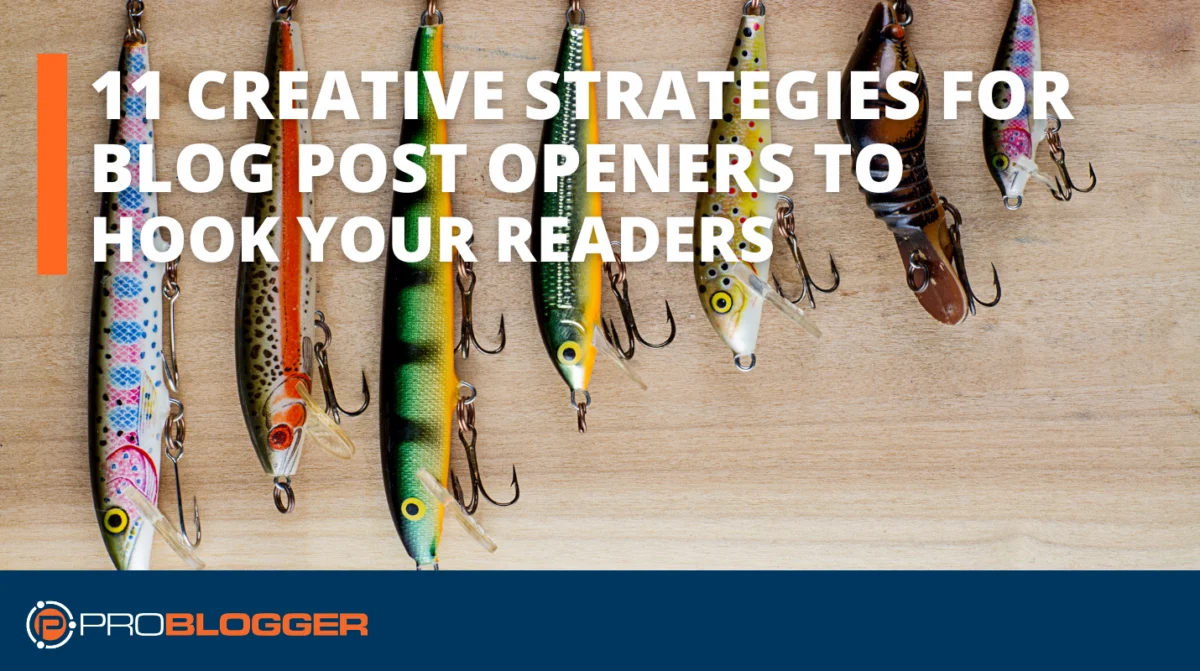
The initial moments of any interaction, whether personal or professional, are crucial in establishing connection and fostering engagement. This principle holds true not only in face-to-face conversations but also, significantly, in the digital realm of content creation. For bloggers and online publishers, the opening lines of an article serve as the primary gateway to capturing a reader’s attention, determining whether they will continue to consume the content or swiftly navigate away. This article delves into eleven effective strategies for crafting compelling opening lines that can significantly enhance reader engagement.
The Importance of the First Impression in Digital Content
In the fast-paced environment of online information consumption, readers are presented with an overwhelming volume of content daily. Studies by Nielsen Norman Group have consistently shown that users scan web pages rather than reading them word-for-word. Typically, users spend mere seconds on a page, with the initial impression being paramount. A well-crafted opening line can act as a powerful hook, enticing readers to invest more time and attention into the article that follows. Conversely, a weak or uninspired opening can result in immediate disengagement, regardless of the quality of the information presented later in the piece.
The foundational element of any blog post, the title or headline, is designed to attract a potential reader’s initial interest. However, it is the subsequent opening line that shoulders the responsibility of solidifying that interest and compelling the reader to delve deeper into the content. This critical transition from headline to body text is where the art of engagement truly begins.
Eleven Proven Strategies for Captivating Opening Lines
To address the challenge of creating impactful opening lines, a comprehensive approach incorporating various psychological and rhetorical techniques can be employed. The following eleven strategies have been identified as effective in drawing readers into an article and maintaining their interest.
-
Identifying a Reader’s Need or Problem: A direct appeal to a reader’s existing needs or problems can immediately establish relevance and create a sense of urgency. By acknowledging a pain point or a desire, the writer positions themselves as a source of solutions. This strategy leverages the inherent human tendency to seek information that addresses personal challenges or aspirations. For instance, an article about financial management might begin with a question like, "Are you struggling to make your savings grow in the current economic climate?" This directly addresses a common concern and signals that the article will offer practical advice. The effectiveness of this approach is underscored by numerous marketing studies that highlight the importance of problem-solution framing in persuasive communication.
-
Asking a One-Answer Question: Posing a question that elicits a simple "yes" or "no" response, particularly a "yes," can create an immediate sense of agreement and shared understanding between the writer and the reader. This technique, widely used in copywriting, effectively draws the reader into the narrative by prompting an internal affirmation. When a reader mentally answers "yes" to a question like, "Have you ever felt overwhelmed by your to-do list?" they are actively engaging with the premise of the article. This "buy-in" creates a psychological bridge, making them more receptive to the information that follows. Research in cognitive psychology suggests that self-generated answers reinforce beliefs and increase engagement with subsequent information.
-
Posing an Intriguing Question: Beyond simple affirmation, questions that pique curiosity and promise an intellectual revelation can be powerful hooks. These questions create a knowledge gap, compelling readers to continue reading in search of answers. Examples include, "What if the secret to boosting productivity lies in embracing imperfection?" or "Could your daily commute hold the key to unlocking untapped creativity?" Such questions invite speculation and promise a unique perspective, driving the reader’s desire to discover the author’s insights. This aligns with the psychological principle of curiosity, which is a fundamental driver of learning and exploration.
-
Offering a Surprise or Unexpected Anecdote: An unconventional opening, such as a personal anecdote or a surprising fact, can disrupt the reader’s expectations and command their attention. Sharing something unusual or relatable, even if seemingly tangential, can create a memorable and engaging introduction. For instance, a post about effective communication might begin with a humorous personal story about a miscommunication, as illustrated by the example of a greeting mix-up. This deviation from the expected norm can "snap" readers out of their routine browsing habits, prompting them to take a second look and invest in the content. The element of surprise triggers a neurological response, increasing alertness and memory retention.
-
Telling a Story or Sharing an Analogy: Narrative structures and analogies have a profound ability to make complex or abstract information more accessible and engaging. By weaving a story or employing a relatable analogy, writers can transform a potentially dry topic into a compelling narrative. This technique is particularly effective for content that might otherwise seem formal or technical. A brief anecdote, whether personal or observational, can switch the reader’s mental frame, drawing them into a more receptive state. Stories allow readers to connect emotionally with the content, making it more memorable and impactful. Studies in neuroscience demonstrate that stories activate more brain regions than factual statements, leading to deeper comprehension and retention.
-
Making a Bold Claim: A strong, assertive statement that promises to address a significant issue or offer a remarkable benefit can immediately capture attention and set high expectations. This approach clearly communicates the value proposition of the article, encouraging readers to delve deeper to understand how the promised outcome will be achieved. For example, an opening line like, "Discover the one overlooked strategy that can double your website traffic overnight," sets a clear expectation. However, it is imperative that such claims are substantiated within the body of the post to avoid reader dissatisfaction and maintain credibility. The psychological principle of commitment and consistency suggests that once a reader invests time in an article based on a bold claim, they are more likely to see it through.
-
Stirring Controversy: Introducing an element of controversy or presenting a strongly held, potentially unpopular opinion can be a highly effective, albeit risky, strategy for capturing attention. By taking a firm stance on a product, company, or idea, writers can provoke interest and encourage readers to engage with the content to understand the rationale behind the assertion. This often leads to active discussion and debate, increasing reader interaction. However, this approach requires careful consideration of the potential for alienating segments of the audience and must be supported by well-reasoned arguments.
-
Painting a Vivid Picture: Engaging a reader’s imagination by describing a scenario that appeals to their senses can create a powerful and immersive experience. This technique is especially useful for making abstract concepts tangible and evoking emotional responses. By prompting readers to visualize a particular situation, writers can connect with them on a deeper level. For instance, an article on overcoming fear might begin with a description of a terrifying scenario, allowing readers to empathize with the feeling before offering solutions. This sensory engagement can evoke strong emotions, from fear to motivation, making the subsequent information more resonant.
-
Highlighting Startling Statistics: The judicious use of impactful statistics can immediately communicate the significance of a problem or the magnitude of an opportunity. A statistic that is surprising or counterintuitive can effectively grab attention and establish the relevance of the topic. For example, beginning an article on blog comments with the statistic, "Only one out of every 100 readers comments on your blog," immediately highlights a significant challenge for content creators and signals that the article will provide solutions. Data-driven openings lend credibility and authority to the content, demonstrating a factual basis for the discussion.
-
Starting with a Powerful Quote: A well-chosen quote from a respected figure, a relevant expert, or a well-known source can lend immediate credibility and authority to a blog post. A powerful quote can encapsulate the essence of the article’s theme, setting a thoughtful and engaging tone from the outset. For instance, an article on leadership might open with a quote from a renowned leader, immediately establishing the context and the gravitas of the topic. This approach leverages the influence of established voices to draw readers in and frame their perspective.
-
Leading with an Impactful Image: In today’s visually driven online landscape, a striking and relevant image can often be the most effective opening. A compelling visual can transcend language barriers and immediately capture a reader’s attention, drawing them into the accompanying text. This is particularly true for visual mediums like blogs where images play a significant role in user experience. An image that is on-topic, aesthetically striking, and intriguing can significantly increase the likelihood that a reader will explore the content. Research on multimodal learning consistently shows that combining visual and textual information enhances comprehension and engagement.
The Broader Implications for Content Creation
The strategies outlined above represent a toolkit for content creators aiming to improve reader engagement. It is important to note that not every strategy will be suitable for every piece of content, and successful application often involves a nuanced understanding of the target audience and the specific topic. Over-reliance on a single opening technique can lead to predictability and diminished impact over time. Therefore, variety and adaptation are key to maintaining reader interest.
The effectiveness of these opening lines is not merely about attracting initial clicks; it is about fostering a deeper connection with the reader, encouraging them to invest their time and attention, and ultimately, to derive value from the content. In an era where attention is a scarce commodity, mastering the art of the opening line is no longer a mere stylistic choice but a strategic imperative for anyone seeking to communicate effectively online. The ability to consistently craft engaging introductions can differentiate a successful blog from one that struggles to find its audience, underscoring the profound impact that the first few words can have on the overall success of digital content.

