
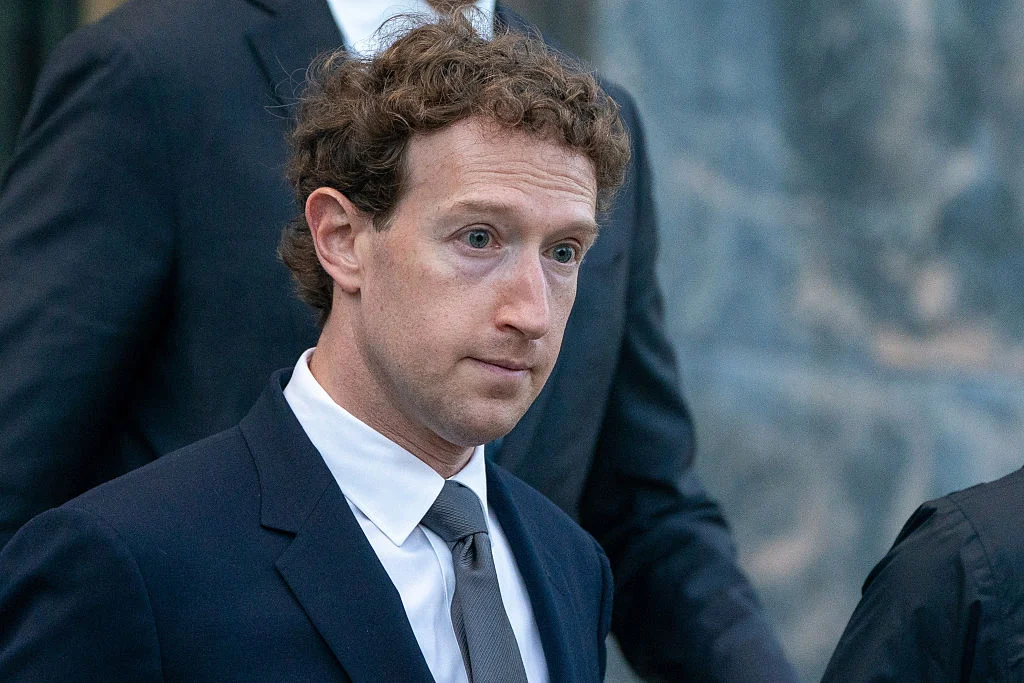
Meta Platforms, Inc. has reached a monumental agreement to pay up to $18 billion, resolving claims brought by a coalition of 29 U.S. states concerning the safety and well-being of children on its popular social media platforms, Instagram and Facebook. This staggering sum, which represents one of the largest settlements ever secured against a technology company, aims to address allegations that Meta knowingly designed its platforms to be addictive for young users and illegally collected their personal data, all while being aware of the potential harms. The settlement underscores a pivotal moment in the ongoing battle to regulate social media and protect its youngest users, signaling increased accountability for tech giants.
The Genesis of the Multi-State Lawsuits
The legal challenge against Meta did not emerge in a vacuum but rather culminated from years of mounting public concern, investigative journalism, and whistleblower revelations regarding the impact of social media on youth mental health. For over a decade, researchers, parents, and policymakers have voiced anxieties about the psychological effects of platforms like Instagram and Facebook on developing minds. These concerns reached a fever pitch following the October 2021 disclosures by former Facebook employee Frances Haugen, who leaked a trove of internal documents, dubbed the "Facebook Files." These documents allegedly revealed that Meta’s own research indicated its platforms, particularly Instagram, exacerbated mental health issues such, as anxiety, depression, and body image concerns, in teenage girls. Crucially, the documents suggested that the company was aware of these harms but failed to adequately address them.
Building on these revelations and independent investigations, a bipartisan group of attorneys general from 29 U.S. states initiated a joint lawsuit. Filed in late 2023, the core of their allegations centered on two primary claims. Firstly, the states asserted that Meta intentionally engineered its platforms with features designed to maximize engagement and foster addiction among children and adolescents. These features included infinite scroll, constant notifications, and gamified reward systems (likes, comments), all meticulously crafted to keep young users glued to their screens, despite the known negative consequences. Secondly, the lawsuit accused Meta of violating the Children’s Online Privacy Protection Act (COPPA) by knowingly collecting personal data from users under the age of 13 without obtaining verifiable parental consent. COPPA, a federal law enacted in 1998, mandates that online services targeting children must obtain parental consent before collecting personal information from those under 13. The states argued that Meta’s practices were in direct contravention of this critical privacy safeguard, exploiting vulnerable users for data-driven advertising revenue.
Terms of the Landmark Settlement
While agreeing to the substantial financial payout, Meta has explicitly stated that the settlement does not constitute an admission of guilt regarding the claims. This is a common legal strategy for large corporations, allowing them to resolve costly and reputation-damaging litigation without setting a precedent of legal liability. However, the decision to settle rather than proceed with a potentially lengthy and unpredictable jury trial indicates the company’s clear preference to move past these legal challenges and avoid further public scrutiny of its internal practices.
The financial component of the settlement is complex. The total potential payout is "up to $18 billion," which will be distributed to the participating states over a 10-year period. A significant portion of this, approximately $5.3 billion (30% of the total), is contingent upon Meta’s major competitors, YouTube and TikTok, implementing a specific set of youth protection measures. This condition transforms Meta’s settlement into a strategic call for industry-wide change, aiming to level the playing field for child safety across the social media landscape. Furthermore, Meta announced it would incur a $10 billion legal expense in the third quarter of the current year, which will impact its financial statements, although its stock price reportedly saw an uptick following the news, suggesting investor relief at the resolution of a major legal overhang.
Beyond the financial implications, the settlement mandates a series of protective measures and operational changes that Meta must implement for the next decade, pending judicial approval. These include:
- Enhanced Protections Against Adult-Teen Interaction: Meta has committed to strengthening its efforts to prevent adults from finding, following, and interacting with teens on its platforms. While the company already defaults teen accounts to private settings on Facebook and Instagram, this commitment implies more robust age verification mechanisms, stricter rules on direct messaging from unknown adults, and proactive algorithmic detection of potentially predatory behavior.
- Strengthened Parental Controls: The agreement calls for improvements to Meta’s existing suite of parental control tools. This is expected to include more granular settings for parents to manage their children’s online experience, easier access to dashboards displaying usage data, and improved transparency regarding content exposure.
- Improved Response to Harmful Content Reports: Meta has vowed to enhance its response times and efficacy in addressing reports of harmful content from teens. This entails faster review and takedown processes, better-trained content moderators, and potentially more sophisticated AI tools to identify and remove problematic material proactively.
- Night Mode and Time Limits: While not directly imposed on Meta’s own platforms as a universal default, the company will implement Night Mode for teen users, a feature designed to reduce blue light exposure during evening hours, which can disrupt sleep patterns. Additionally, Meta will establish a mechanism for parents to set daily time limits for their children’s usage. Notably, direct messages (DMs) are exempted from these time limits and muted notification periods, which Meta justifies as allowing teens to "stay connected with friends and family." This particular exemption, however, has drawn scrutiny from child safety advocates who worry it could create a loophole for excessive use or problematic interactions.
Meta’s Industry-Wide Challenge to Competitors
A distinctive and strategically significant aspect of this settlement is Meta’s explicit challenge to YouTube (owned by Google) and TikTok (owned by ByteDance). Meta’s Chief Legal Officer, C.J. Mahoney, stated, "Because teens move fluidly across dozens of apps, we need an industry-wide solution. We therefore call on our industry peers, TikTok and YouTube, to implement this new framework, right away."
The contingent payout of $5.3 billion serves as a powerful incentive for these competitors. To unlock this portion of the settlement for the states, YouTube and TikTok must also agree to implement a one-hour daily time limit for teen users, activate Night Mode by default, and introduce enhanced age-assurance measures. They would also be required to match the 30% financial figure. This move effectively positions Meta as a proponent of broader industry standards for youth protection, while simultaneously placing pressure on its rivals. Should YouTube and TikTok decline to adopt these measures, Meta would not be obligated to pay the additional $5.3 billion, thus creating a potential financial and reputational disadvantage for its competitors if they choose not to comply. This strategy is seen by some analysts as a shrewd way for Meta to shift the narrative, moving from being solely an accused party to advocating for collective responsibility within the tech sector.
Reactions and Broader Implications
The settlement has elicited a range of reactions from various stakeholders. Attorneys General involved in the lawsuit have largely expressed satisfaction, hailing the agreement as a significant victory for child safety and accountability. They are likely to emphasize that the financial penalty is substantial and the mandated protective measures are meaningful steps towards creating safer online environments for youth. This outcome validates their efforts in pushing for greater corporate responsibility from tech companies.
Child safety advocates, while cautiously optimistic, are likely to view the settlement as a crucial step rather than a definitive solution. They may commend the new protections but also call for continuous vigilance, robust enforcement of the settlement terms, and further legislative action. Concerns may persist regarding the efficacy of age verification, the exemption of DMs from time limits, and the inherent challenges of moderating vast quantities of user-generated content. Many will undoubtedly stress that the fundamental business models of social media, often reliant on maximizing engagement and data collection, remain a challenge to true child safety.
For the broader tech industry, the Meta settlement sets a formidable precedent. It signals an increasingly aggressive stance from state and federal regulators regarding child protection and privacy. Other social media platforms, especially those popular with younger demographics, are likely to face intensified scrutiny and could be compelled to re-evaluate their own youth-related policies and features proactively. This could accelerate the development and adoption of industry-wide best practices, potentially influencing ongoing legislative efforts such as the proposed Kids Online Safety Act (KOSA) and updates to COPPA (COPPA 2.0) at the federal level.
Financially, while the $18 billion is a substantial figure, spread over a decade, it is manageable for a company of Meta’s size, which boasts hundreds of billions in market capitalization and generates billions in quarterly revenue. The reported rise in Meta’s stock post-settlement suggests that investors perceive the resolution of this major legal uncertainty as a positive development, removing a significant overhang that could have otherwise dragged on the company’s valuation and strategic focus.
Looking Ahead: Enforcement and Evolving Challenges
The true impact of this settlement will hinge on its effective implementation and enforcement over the next decade. Monitoring Meta’s adherence to the agreed-upon terms, particularly regarding the strengthening of parental controls and response times to harmful content, will require sustained oversight from the states. The technological landscape evolves rapidly, presenting continuous challenges in adapting protections to new features, emerging platforms, and changing user behaviors. The difficulty of robust age verification, balancing privacy concerns with the need to identify young users, will remain a complex issue.
Ultimately, Meta’s $18 billion settlement marks a watershed moment, reflecting a societal shift in how technology companies are held accountable for the well-being of their youngest users. It underscores the growing recognition that the digital environment for children must be actively shaped and regulated to mitigate harm, foster healthy development, and ensure privacy. While the settlement offers a framework for enhanced protections, the ongoing dialogue between tech companies, policymakers, parents, and child advocates will be crucial in navigating the complex ethical and practical dimensions of online safety in the years to come.

