
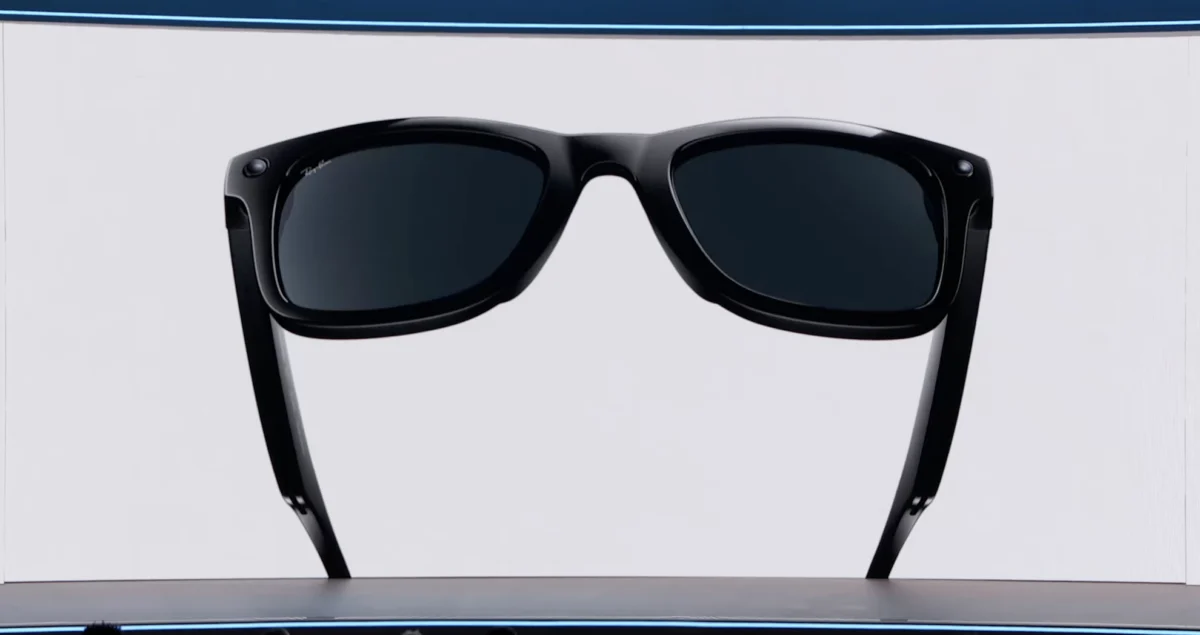
Confirming earlier industry speculations and reports, Meta officially unveiled its inaugural pair of camera-free AI glasses, dubbed the Ray-Ban Meta Audio, at its highly anticipated Connect 2026 conference on Wednesday. This strategic introduction marks a significant pivot for the technology giant, explicitly designed to address the pervasive privacy concerns that have plagued previous iterations of smart eyewear. Positioned as an audio-centric device, the new glasses aim to sidestep the contentious "pervert glasses" moniker critics had attached to camera-equipped models, offering a suite of functionalities focused on auditory interaction and ambient intelligence. Users will be able to stream music and podcasts, manage phone calls, facilitate real-time speech translation, and seamlessly engage with Meta’s proprietary AI assistant, Muse.
The design and manufacturing of these new devices are a collaborative effort with Meta’s long-standing partner in its AI hardware endeavors, EssilorLuxottica, the global leader in eyewear. The Ray-Ban Meta Audio will be available with a starting price of $349, positioning it as a premium yet accessible entry point into Meta’s evolving ecosystem of wearable AI.
The Genesis of "Audio-Only": Addressing the Privacy Conundrum
Meta’s foray into smart glasses has been fraught with public scrutiny, particularly regarding the privacy implications of integrated cameras. The initial enthusiasm for capturing life’s moments through a discreet lens quickly gave way to widespread apprehension as reports surfaced detailing instances of misuse. Critics highlighted concerns about individuals, predominantly men, covertly recording videos without the explicit consent of subjects, leading to a significant reputational blow for the brand. This public backlash underscored a fundamental tension between technological innovation and societal norms around privacy and personal space.
The "pervert glasses" epithet, though harsh, encapsulated the public’s anxieties. Meta attempted to mitigate these concerns with software updates, including a feature designed to disable the camera if the mandatory LED recording indicator light was tampered with. However, these efforts proved largely insufficient in dispelling the lingering "creepiness factor" associated with camera-enabled wearables. The public discourse around devices like Google Glass years prior had already established a precedent for skepticism regarding inconspicuous recording devices, creating a challenging landscape for subsequent entrants like Meta’s initial smart glasses. This historical context illuminates the critical imperative for Meta to rethink its approach, leading directly to the development of an audio-only variant. The company’s decision to launch the Ray-Ban Meta Audio is a direct acknowledgment of this past feedback, signaling a strategic intent to rebuild trust by prioritizing user comfort and public acceptance.
Ray-Ban Meta Audio: Design, Features, and Pricing
The Ray-Ban Meta Audio is not merely a stripped-down version of its camera-equipped predecessors; it represents a focused design philosophy centered around auditory experiences. At its core, the device integrates advanced audio technology with the sophisticated capabilities of Meta’s AI assistant, Muse.
-
Core Functionality: More Than Just Music. Beyond personal audio consumption for music and podcasts, the glasses offer practical utility for communication and accessibility. High-quality audio output ensures clear calls, while integrated microphones are optimized for voice commands and speech capture. The real-time translation feature, powered by Muse, promises to break down language barriers in spontaneous conversations, a significant step towards more fluid global interaction. This suite of features positions the Ray-Ban Meta Audio not just as a listening device, but as an always-on, discreet AI companion. Meta CEO Mark Zuckerberg underscored the appeal of seamless audio integration during his keynote, stating, "Once you get used to high quality audio, it’s just a thing that you want all the time, right?" He further elaborated on the company’s realization that this fundamental desire could underpin an entirely new category of audio-focused smart glasses.
-
Engineering for Comfort and Style. The collaboration with EssilorLuxottica is crucial to the Ray-Ban Meta Audio’s appeal. By eliminating the need to house cameras, the design team was able to achieve a significantly slimmer profile and a remarkably light weight of just 43 grams, enhancing wearability for extended periods. This focus on ergonomics extends to adjustable temple tips, swappable nose pads, and overextension hinges, ensuring a comfortable fit for a diverse user base. Battery life is a strong selling point, with Meta claiming up to 12 hours on a single charge for continuous use. The included charging case extends this significantly, providing up to 48 hours of total battery life, catering to users who require all-day functionality without frequent recharges.
Aesthetically, the glasses uphold the iconic Ray-Ban heritage, offering 23 distinct color and lens combinations. The launch introduces two new styles: a retro-inspired "Clubmaster" silhouette and the "Burbank," described as a "classic, timeless, rectangle shape." Critically, like other Meta smart glasses, the Ray-Ban Meta Audio can be ordered with optical prescriptions, making them a practical everyday accessory rather than a niche gadget. Pre-orders for the Ray-Ban Meta Audio are slated to begin on October 13, setting the stage for their market debut.

Meta’s Broader AI Hardware Vision: Connect 2026 and Beyond
The introduction of the audio-only glasses is part of a much broader, multi-pronged strategy by Meta to establish itself as a leader in ambient computing and wearable AI. Connect 2026 served as a platform to showcase this expansive vision, which includes advancements across its entire smart glasses portfolio.
-
The Next Generation of Camera-Enabled Glasses: Ray-Ban Meta (Gen 3). While emphasizing the audio-only model, Meta did not abandon its camera-equipped line. The company also announced the Ray-Ban Meta (Gen 3), the next iteration of its camera-integrated smart glasses. These new models will build upon the existing Ray-Ban Meta Wayfarer with two additional styles: the iconic "Aviator" and the "Zena," featuring a distinctive cat-eye frame shape. Technologically, the Gen 3 models boast a significant upgrade to a 12 MP camera capable of capturing 3K Ultra HD video, alongside an enhanced six-microphone array for superior audio input. Despite the more robust imaging capabilities, Meta claims an impressive battery life of up to nine hours for these devices, reflecting ongoing advancements in power efficiency.
-
Strategic Partnerships and Global Expansion. The ongoing collaboration with EssilorLuxottica remains central to Meta’s hardware strategy, leveraging the latter’s expertise in optical design and global distribution. This partnership continues to expand its lineup of styles and colors across all Meta glasses. Furthermore, Meta announced a new high-profile brand partnership with singer Lisa, following a successful collaboration with Kylie Jenner. These celebrity endorsements are critical for driving mainstream appeal and cultural relevance for smart eyewear. Concurrently, Meta plans to roll out its smart glasses portfolio to more countries globally, signifying an aggressive push for market penetration beyond its current territories.
-
The Role of Muse AI and Upcoming Software Enhancements. Central to the utility of all Meta AI glasses, both audio-only and camera-enabled, is access to Meta’s newer personal AI assistant, Muse. This AI is designed to offer a more intuitive and context-aware user experience. Beyond hardware, Meta teased a series of upcoming software updates aimed at enhancing user experience and addressing lingering concerns. These include support for Dolby Atmos Capture, promising immersive audio recording, a feature that automatically selects the best photo from multiple frames, and the option to choose between landscape or portrait modes for video capture. Critically, Meta announced hearing enhancements for users with hearing loss, more detailed AI responses, different audio modes, and customizable controls. Perhaps most notably, the company highlighted a feature called "private processing," which Meta claims will prevent the company from accessing users’ data, a direct response to the persistent privacy anxieties surrounding AI-powered devices.
Market Implications and Competitive Landscape
The launch of the Ray-Ban Meta Audio and the broader Connect 2026 announcements carry significant implications for the wearables market, Meta’s competitive standing, and the future trajectory of ambient computing.
-
Competing with Audio Wearables: The Apple AirPods Challenge. The audio-only glasses directly enter a crowded and highly competitive market dominated by hearables like Apple’s Siri-powered AirPods. Apple has established a formidable ecosystem with its AirPods Pro and AirPods Max, renowned for their sound quality, seamless integration, and active noise cancellation. Meta’s approach with the Ray-Ban Meta Audio seeks to differentiate itself through the form factor of glasses, offering an alternative that blends fashion with integrated AI. The challenge for Meta will be to convince consumers that the added utility of an always-on AI assistant in a glasses form factor outweighs the established convenience and audio fidelity of dedicated earbuds. The aesthetic appeal of Ray-Ban frames, combined with Meta’s AI capabilities, could carve out a unique niche, particularly for users who prefer not to have earbuds inserted throughout the day or desire a more discreet interaction with their AI assistant.
-
The Quest for Ambient Computing: Meta’s Long Game. This strategic shift towards a privacy-conscious audio-only device is a crucial step in Meta’s long-term vision for ambient computing. Mark Zuckerberg has frequently articulated a future where technology seamlessly integrates into daily life, becoming an almost invisible layer of assistance. Full augmented reality (AR) glasses, which Meta continues to develop, are the ultimate expression of this vision, but their widespread adoption is still years away, facing significant technological and social hurdles. The Ray-Ban Meta Audio serves as a more accessible, less intrusive "stepping stone." By familiarizing users with AI interaction through a socially acceptable and privacy-sensitive form factor, Meta aims to gradually build consumer trust and habituation for future, more advanced AR wearables. This incremental approach seeks to avoid the pitfalls of previous ambitious smart glass launches that failed due to a lack of social readiness.
-
Analyst Perspectives on Meta’s Strategy. Industry analysts widely regard this move as a calculated and necessary strategic pivot for Meta. Observers note that by offering a camera-free option, Meta is directly addressing the primary barrier to adoption and public acceptance for smart glasses. This could allow the company to regain consumer confidence and establish a foothold in the wearables market, which is projected to grow substantially in the coming years. While the camera-enabled Gen 3 glasses continue to evolve, the audio-only model provides a "safe harbor" for users wary of privacy invasions. Many believe this dual-pronged strategy—offering both privacy-focused audio devices and more advanced camera-equipped models—is essential for Meta to navigate the complex social landscape of wearable technology and ultimately realize its ambitious metaverse vision.
In conclusion, the launch of the Ray-Ban Meta Audio at Connect 2026 signifies a mature and responsive approach from Meta to the challenges of integrating advanced technology into everyday life. By prioritizing privacy and focusing on discreet auditory intelligence, Meta aims to redefine the smart glasses category and foster a new era of trust and utility in wearable AI. The success of this pivot will be crucial in determining Meta’s trajectory in the competitive wearables market and its broader quest to establish an ambient computing future.

