
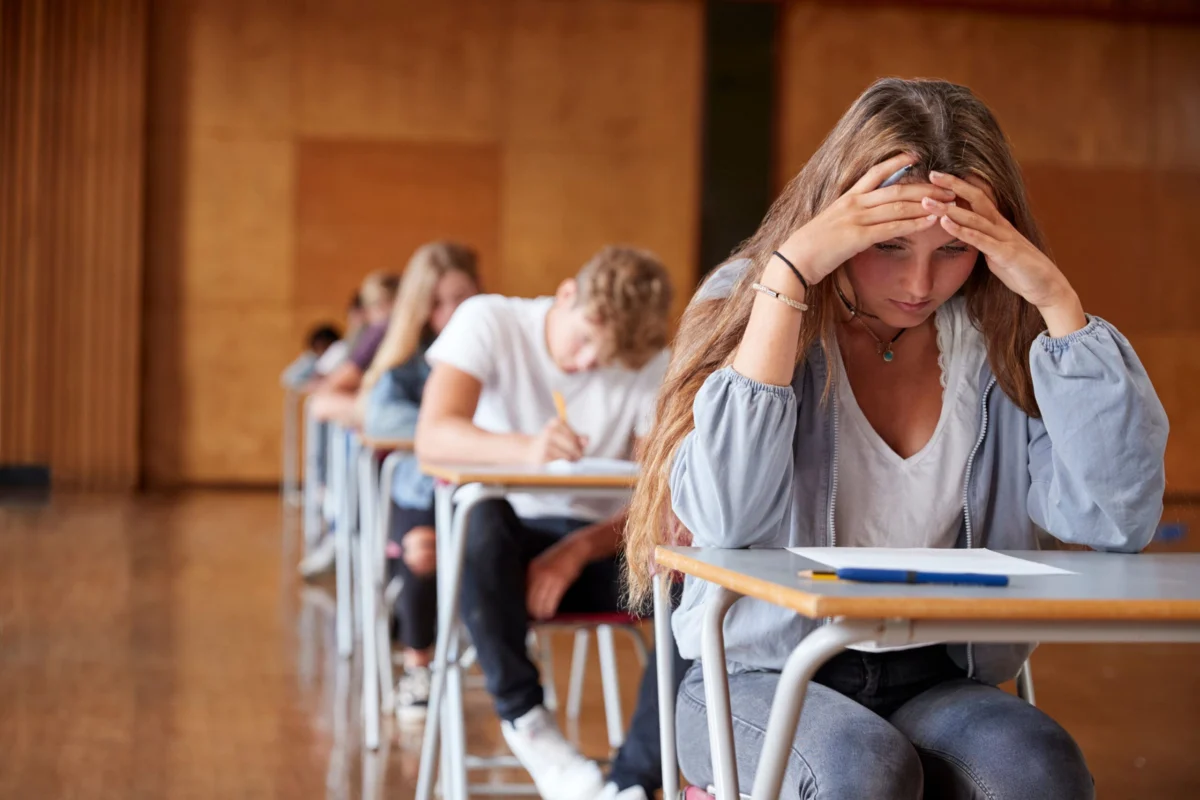
The emotional outcry from an overwhelmed teenager, often expressed as defiance or withdrawal, is a familiar experience for many parents navigating the complexities of adolescence. Such outbursts, while challenging, frequently signal deeper struggles with school-related anxiety – a pervasive issue impacting a significant portion of the youth demographic today. Far from mere adolescent angst, this anxiety can manifest in various forms, from academic pressure to social trepidation and performance jitters, profoundly affecting a student’s well-being and academic trajectory. Understanding the nuances of these stressors and equipping parents, educators, and the community with effective intervention strategies is paramount in fostering a supportive environment where adolescents can thrive.
The Evolving Landscape of Adolescent Mental Health: A Chronological Overview
The past decade has witnessed a concerning escalation in adolescent mental health challenges, with anxiety disorders emerging as one of the most prevalent conditions. Data from the Centers for Disease Control and Prevention (CDC) consistently highlight a troubling trend: in 2021, a significant percentage of high school students reported experiencing persistent feelings of sadness or hopelessness, a metric often correlated with heightened anxiety levels. This rise is not attributable to a single factor but rather a confluence of societal, technological, and environmental shifts that have reshaped the adolescent experience.
Historically, academic performance has always been a source of stress for students, but the intensity has amplified. The increasing competitiveness for college admissions, coupled with a cultural emphasis on high achievement, has created an environment where the pressure to excel is immense. The advent and ubiquitous integration of social media platforms have introduced unprecedented layers of social complexity. While offering avenues for connection, these platforms also expose adolescents to constant comparison, cyberbullying, and the pervasive fear of missing out (FOMO), contributing significantly to social anxiety. Furthermore, global events, including the COVID-19 pandemic, have profoundly impacted the mental health of young people, disrupting routines, fostering isolation, and introducing new anxieties related to health, safety, and an uncertain future. School safety concerns, including active shooter drills and incidents, also contribute to an underlying sense of unease within the educational environment. This chronological progression of stressors underscores the urgency for a more robust and responsive approach to adolescent mental health within educational frameworks.
Recognizing the Manifestations: Identifying School-Related Anxiety
Detecting school-related anxiety in adolescents requires keen observation and an understanding of its varied presentations. While some teens may explicitly articulate feelings of being "stressed" or "overwhelmed," others might exhibit more subtle or indirect indicators. Changes in behavior are often the first noticeable signs. This can include increased irritability, withdrawal from previously enjoyed activities, changes in sleep patterns (insomnia or excessive sleeping), or a sudden drop in academic engagement. Some adolescents might develop new defiant behaviors or appear uncharacteristically lethargic, masking their underlying anxiety.
Emotionally, signs can range from heightened sensitivity and frequent mood swings to persistent sadness, excessive worry, or an inability to relax. Physically, anxiety can manifest as recurrent headaches, stomachaches, nausea, or muscle tension, particularly before school or high-pressure situations like tests or presentations. These physical symptoms are not fabricated but are genuine physiological responses to chronic stress. Educational and psychological experts emphasize that recognizing these signals is the crucial first step in discerning the specific type of anxiety an adolescent is facing, thereby enabling targeted support and the development of appropriate coping mechanisms. The distinction between typical adolescent stress and clinically significant anxiety often lies in the persistence, intensity, and functional impairment caused by the symptoms.
Deep Dive into Anxiety Types and Mitigation Strategies
Adolescent school anxiety can be broadly categorized into three primary types, each requiring tailored understanding and intervention.
I. Academic Stress: The Pressure to Perform
Academic stress stems from the intense pressure to achieve high grades, meet parental or self-imposed expectations, and keep pace with peers. The Pew Research Center reported that 68% of teens feel significant pressure to get good grades, highlighting the widespread nature of this concern. This pressure often fuels perfectionism, where students become excessively critical of their own work, or, paradoxically, procrastination, as the fear of not meeting impossibly high standards leads to avoidance. Symptoms frequently include physical ailments such as headaches or stomachaches prior to exams, difficulty concentrating, and a diminished sense of enjoyment in learning. The "toxic achievement culture," as described by some educational psychologists, can exacerbate this, where a student’s worth becomes intrinsically linked to their academic output.
- Communication Strategies for Parents and Educators: Experts recommend shifting the focus from outcomes to effort. Instead of generic encouragement like, "Do your best," a more effective approach might be, "You’ve dedicated significant time and effort to your studies; that preparation is what truly matters." Engaging in ‘reality-checking’ conversations can help adolescents confront and reframe their fears. Questions such as, "What is the worst realistic outcome, and how might we address it?" can demystify anxieties and empower students to brainstorm solutions, a technique widely employed in cognitive behavioral therapy (CBT). Fostering a calm and reassuring environment reinforces that their intrinsic value is not solely defined by academic performance.
- Effective Coping Skills and School Support: Schools and parents can collaborate to teach practical coping skills. Breaking down large assignments into smaller, manageable steps reduces feelings of overwhelm. Modeling resilience, by demonstrating how to learn from setbacks rather than fearing failure, is invaluable. Prioritization skills, including effective time management and scheduling, help students manage their workload more efficiently. Educational institutions can implement programs that promote a growth mindset, emphasize learning for mastery over rote memorization, and offer academic counseling services to help students develop study strategies and manage expectations.
II. Social Anxiety: Navigating Peer Dynamics
Social anxiety in the school environment is characterized by an intense fear of being judged, rejected, or embarrassed by peers. This often manifests as avoidance of group activities, excessive worry about social interactions, and obsessive checking of social media for validation or to monitor peer activities. For socially anxious teens, the daily effort required to maintain an outward appearance of normalcy can be emotionally exhausting, leading to significant fatigue and withdrawal outside of school hours. The digital landscape significantly exacerbates this, with research indicating a strong correlation between passive scrolling, online comparison, and increased anxiety among adolescents. Cyberbullying, a persistent concern, further compounds social fears.
- Empathetic Communication and Validation: Psychologists advocate for starting with empathy and validating the adolescent’s feelings without minimizing them. Phrases like, "It sounds like that conversation deeply affected you. Would you prefer to discuss it now, or would you like some space first?" provide both understanding and agency. Avoiding dismissive statements, such as, "You won’t even remember this in a few years," validates the current intensity of their feelings. Instead, empowering questions like, "What steps could make this situation better next time?" or "How would you prefer to handle this?" encourage problem-solving and self-advocacy.
- Building Social Confidence and Managing Digital Spaces: Encouraging low-stakes social risks, such as joining a school club, initiating a study group, or inviting a friend for a casual outing, can gradually build social confidence. Schools can facilitate this through structured extracurricular activities and peer support groups. Crucially, managing online spaces is vital. Parents and educators can guide adolescents to critically evaluate their social media feeds by asking, "Which accounts leave you feeling worse about yourself? What might happen if you unfollowed them for a week?" This fosters digital literacy and helps students curate healthier online environments. Schools can also implement digital citizenship curricula that address online etiquette, cyberbullying prevention, and the impact of screen time on mental health.
III. Performance Anxiety: The Spotlight Effect
Performance anxiety occurs when the fear of evaluation and judgment overwhelms an adolescent during specific activities, whether it’s giving a presentation, competing in a sporting event, or performing in a theatrical production. Signs can include a sudden desire to quit previously beloved activities, obsessive practice routines, or even experiencing panic attacks prior to a performance. The pressure to perform flawlessly can be paralyzing, transforming what should be an enjoyable or challenging experience into a source of intense dread.
- Balancing Encouragement and Normalization: Communication should balance encouragement with a realistic perspective and the normalization of nervousness. Instead of simply saying, "You’ll do great," which can create additional pressure for perfection, a more effective statement might be, "You’ve diligently prepared. You are ready. If any unexpected challenges arise, you possess the capacity to adapt." It is also crucial to remind adolescents that even seasoned professionals experience pre-performance jitters, destigmatizing the sensation of nerves.
- Coping Skills for Performance Situations: Practical coping skills can significantly alleviate performance anxiety. Visualization techniques, where adolescents mentally rehearse a successful performance, can build confidence and reduce apprehension. Strategic practice, which involves focused preparation without excessive overdoing it, ensures readiness without burnout. Breathing techniques, such as diaphragmatic breathing, are powerful tools for calming the nervous system in the moment. Schools can integrate mindfulness practices and stress reduction workshops into their curricula, especially for students involved in competitive or public-facing activities. Coaches and teachers also play a vital role in fostering a supportive environment that values effort and learning over solely focusing on winning or perfection.
The Role of Support Systems: Parents, Educators, and Community
Addressing adolescent school anxiety requires a multifaceted approach involving a collaborative effort from parents, educators, and the broader community. Parents are the primary line of defense, offering consistent emotional support, open communication channels, and a secure home environment. Their ability to model healthy coping mechanisms and resilience is critical.
Educational institutions bear a significant responsibility in creating a school climate that prioritizes mental well-being alongside academic achievement. This includes providing accessible school counseling services, implementing mental health education programs, and training teachers to recognize and respond to signs of distress. Anti-bullying initiatives and programs that foster inclusivity and belonging are essential for mitigating social anxieties. Many schools are also exploring universal screening for mental health concerns to identify students at risk early.
Community resources, such as local mental health organizations, youth centers, and support groups, offer additional layers of assistance. Collaborations between schools and community mental health providers can facilitate easier access to specialized care for students who require it.
When to Seek Professional Intervention
While parental and school support can significantly mitigate many forms of school anxiety, there are clear indicators when professional help becomes indispensable. Parents should seek professional evaluation if their adolescent’s anxiety persistently interferes with daily functioning, such as school attendance, sleep, eating habits, or social interactions. The presence of persistent physical symptoms that lack a medical explanation, such as chronic stomachaches or headaches, can also signal underlying anxiety requiring clinical attention. Crucially, any expressions of self-harm, suicidal ideation, or pervasive hopelessness warrant immediate professional intervention.
Mental health professionals, including child psychologists, psychiatrists, and licensed therapists, can provide accurate diagnoses and evidence-based treatments such as Cognitive Behavioral Therapy (CBT) or Dialectical Behavior Therapy (DBT), which equip adolescents with effective coping strategies. The destigmatization of mental health support is a critical societal goal, encouraging families to view psychological care with the same importance as physical healthcare.
Broader Implications and Future Outlook
The long-term implications of untreated adolescent anxiety extend far beyond the school years. Chronic anxiety can negatively impact academic achievement, limit career opportunities, and impair the development of healthy adult relationships. It can also increase the risk for other mental health conditions, such as depression, and substance abuse. From a societal perspective, unaddressed adolescent mental health issues represent a significant public health challenge, with long-term costs related to healthcare, productivity loss, and diminished quality of life.
Therefore, a proactive and integrated approach to adolescent mental health within educational systems is not merely beneficial but essential. This includes advocating for increased funding for school mental health services, implementing comprehensive mental health curricula, and fostering ongoing research into effective prevention and intervention strategies. As the landscape of adolescent challenges continues to evolve, a collective commitment from parents, educators, policymakers, and communities is vital to ensure that young people are equipped with the resilience and support necessary to navigate the complexities of their world and thrive.

