
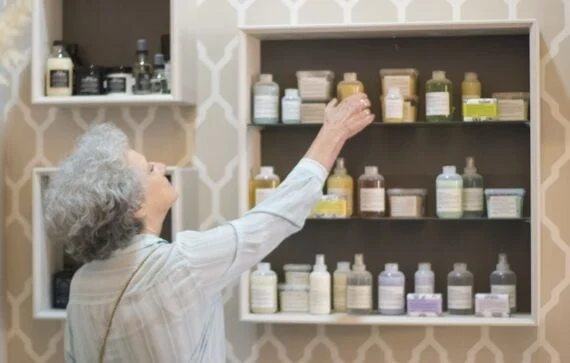
A recent encounter with a spa manager in California offered a stark, illuminating lesson on the complexities of introducing an established international beauty brand into the brick-and-mortar U.S. spa market. The initial premise was one of anticipation; presenting a French brand, lauded for its popularity across Europe and Asia, to a discerning American spa owner, with the potential distinction of being its inaugural U.S. stockist, was expected to elicit an enthusiastic reception. However, the reality proved to be a significant departure from this projection. The spa manager, rather than expressing excitement, politely declined the opportunity. Her rationale was rooted in a deep understanding of her clientele: "My customers ask for brands they know or that others have recommended. Carrying an unfamiliar brand is a risk," she stated, effectively highlighting a critical hurdle for brands seeking to transition from online ubiquity or international renown to tangible retail presence. This pivotal conversation has since reshaped the strategic approach for online companies aiming to penetrate physical retail spaces, particularly within the highly curated spa and wellness sector.
The Retail Paradox: Exclusivity Versus Recognition
The spa and wellness industry operates within a distinct paradox. On one hand, spas, resorts, and specialty retail chains often prioritize exclusivity, seeking unique product lines that differentiate them from competitors and offer a sense of discovery to their patrons. This desire for a curated offering is a cornerstone of their brand identity. On the other hand, their business model is fundamentally reliant on customer trust and satisfaction, which is often built upon familiarity. Clients entering these establishments typically seek trusted brands, those they have encountered through personal recommendations, positive reviews, or established reputations. This creates a challenging environment for new or unfamiliar brands, even those with proven success in other markets.
The spa manager’s statement underscores this tension. The inherent risk perceived by retailers in stocking an unknown product translates directly to potential financial losses if the brand fails to resonate with customers. This necessitates a shift in marketing strategy for brands looking to bridge the gap between their online presence or international acclaim and their physical retail debut. Instead of focusing solely on immediate conversion metrics, brands must prioritize building awareness and fostering credibility within the target physical retail environment. This often involves a more nuanced, relationship-driven approach rather than a direct-to-consumer (D2C) sales model.
Strategic Pathways to Physical Retail: Industry Engagement and Relationship Building
Successfully entering the physical spa market requires a strategic investment in channels that facilitate direct interaction with key decision-makers. For international brands and emerging online companies, this often means leveraging industry associations and participating in targeted trade events. These platforms offer invaluable opportunities to showcase products, educate potential partners, and build the personal relationships that are crucial for securing retail placements.
One such avenue is through association memberships. Organizations like the SoCal Spa Wellness Collective in Southern California serve as vital hubs, bringing together a diverse range of industry stakeholders. This collective actively fosters collaboration, innovation, and growth by connecting industry leaders, boutique spas, wellness retreats, and luxury brands. For brands seeking to establish a foothold, an annual membership, which can start at approximately $1,100, provides a gateway to networking opportunities, educational resources, and a platform to engage with potential retail partners. This type of membership offers a more integrated approach to market penetration, allowing brands to become part of a supportive ecosystem.
Another highly effective, albeit more direct, method involves participating in dedicated spa industry events. Events such as those organized by Live Love Spa, where booth costs can begin around $4,000, are designed to facilitate direct engagement between brands and spa directors. While European founders may sometimes question the immediate return on investment of such events, their efficacy is well-documented. A single positive interaction at an event can lead to conversations with dozens of spa directors. Crucially, once a brand secures placement in one prominent resort or spa, it often creates a domino effect, with other establishments more inclined to follow suit, leveraging the endorsement of a recognized peer. The timeline for securing initial orders through such events typically spans several months, involving initial contact, product sampling, and the negotiation of terms.
The Evolving Role of Digital Outreach and Direct Engagement
While digital marketing channels are essential for building a brand’s overall presence, their effectiveness in directly securing physical retail placements within the spa industry can be limited. Cold email campaigns, despite potentially high open rates reaching up to 80%, often yield very low conversion rates. Spa managers are inundated with communications and tend to prioritize emails from clients or those directly relevant to their immediate operational needs. Consequently, generic cold emails rarely garner the attention required to initiate a retail partnership, particularly with larger resort groups or chains.
An exception to this rule exists with estheticians, the frontline professionals who directly interact with clients and administer treatments. These individuals are often more receptive to direct outreach, as they are constantly seeking effective products to enhance their services. However, the strategic approach requires careful navigation. It is generally more effective to approach the retail side of a spa’s operations first, as this is where purchasing decisions for stocked products are made. Following an introduction to the retail team, a more gradual approach to engaging with the trainers and estheticians responsible for treatments can be implemented. This phased engagement, often spanning a six-month period from initial introduction to the first order, allows for a deeper understanding of the spa’s specific needs and fosters a stronger, more sustainable relationship.
Beyond Price: The Multifaceted Nature of Spa Negotiations
Negotiating with spas extends far beyond simply agreeing on wholesale pricing. Successful partnerships are built on a holistic understanding of the spa’s operational requirements and client experience. This includes comprehensive training for the spa’s estheticians on product application, benefits, and retail selling techniques. Furthermore, spas have immediate, seasonal needs that brands can address. For instance, offering a range of high-SPF sunscreens during summer months or ensuring a consistent supply of popular makeup removers can be critical to a spa’s daily operations. The ability to provide the right product at the right moment, tailored to these specific demands, often holds more weight than a broad, generalized sales strategy. Patience and a commitment to understanding the intricate operational landscape of a spa are therefore paramount. This patient approach acknowledges that building trust and demonstrating value takes time, and that the ultimate goal is a mutually beneficial, long-term relationship.
The B2B vs. D2C Dynamic in Spa Retail
The decision-making process for clients purchasing products at a spa is significantly influenced by brand recognition. When a client leaves a facial treatment, their inclination to buy the product used is heavily dependent on whether they have encountered or heard of the brand before. In this context, estheticians emerge as the most impactful influencers, eclipsing the influence of prominent lifestyle creators or general beauty vloggers. A trusted professional, with a dedicated and engaged client base, possesses a far greater ability to sway purchasing decisions than a broad, less personalized endorsement.
Spa managers, prior to committing to a new brand, will meticulously scrutinize the brand’s online presence. A well-structured website is non-negotiable. This includes clearly organized product pages, a transparent and detailed ingredients section, high-quality professional imagery, and unambiguous calls to action. The website serves as a digital storefront and a testament to the brand’s professionalism and commitment to quality.
Key performance indicators (KPIs) for business-to-business (B2B) interactions within the spa sector differ significantly from those in a direct-to-consumer (D2C) model. While D2C focuses on conversion rates, purchase frequency, and average order values, B2B success hinges more on metrics that reflect brand awareness and site quality. These B2B KPIs include the volume of branded searches on platforms like Google, direct website traffic, the number of professional registrations (indicating interest from practitioners), sample requests, and "where to buy" clicks, which demonstrate intent to locate retail partners.
While a robust D2C channel is an integral part of a comprehensive omnichannel strategy, its role in the spa retail context requires careful consideration. The products offered through D2C channels should primarily consist of retail-sized versions of items commonly used and purchased by consumers, such as cleansers, sunscreens, and makeup removers. Professional-use products, those intended for estheticians’ treatments, should be accessible behind a secure login. This professional tier should feature tiered pricing, also protected by a login, to maintain distinct B2B and B2C pricing structures. Crucially, enforcing minimum advertised pricing (MAP) policies on shared SKUs is essential to prevent retail prices from undercutting the prices charged by spas, thereby protecting the revenue streams of these vital retail partners. This careful segmentation ensures that the D2C channel complements, rather than competes with, the physical retail placements.
The path to successful physical retail placement for international brands, particularly in the discerning spa and wellness market, is a journey that prioritizes building trust, demonstrating value, and fostering genuine relationships. It is a strategy that acknowledges the inherent risk aversion of retailers and the profound influence of trusted professionals, ultimately demanding patience, adaptability, and a deep understanding of the unique dynamics of the B2B landscape. The initial rejection, though unexpected, served as a critical inflection point, illuminating a more effective and sustainable strategy for market penetration.

