
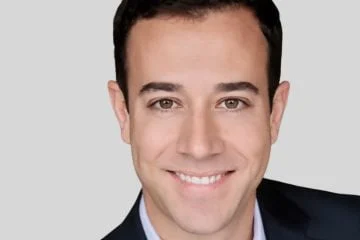
Seven years after its inception, BK Beauty, a direct-to-consumer cosmetics brand co-founded by Paul and Lisa Jauregui in Austin, Texas, is demonstrating remarkable resilience and strategic adaptation in the dynamic world of e-commerce. The brand, which achieved an impressive $1 million in its inaugural year of operation, has recently navigated significant shifts in its primary digital marketplace, TikTok Shop, while simultaneously forging a successful partnership with retail giant Ulta Beauty. This evolution reflects a broader trend of brands leveraging creator ecosystems and diverse retail channels to sustain growth and mitigate risks associated with platform dependency.
The TikTok Odyssey: From Golden Age to Strategic Re-engagement
BK Beauty’s journey with TikTok Shop began in August 2023, positioning them as an early adopter of the burgeoning marketplace. Paul Jauregui, in a recent interview, described the initial phase as a "golden age" for the platform, characterized by robust organic reach and high conversion rates. This period saw TikTok Shop emerge as a significant driver of BK Beauty’s brand awareness and sales, a testament to the platform’s ability to connect brands with engaged consumer bases through influencer marketing and viral content.
However, the landscape began to shift. Jauregui highlighted two primary factors that prompted BK Beauty to initially pull back from the platform: the increasing "pay-to-play" nature of TikTok Shop and the looming uncertainty surrounding a potential U.S. ban of the app, which was being discussed for implementation in 2025. The shift from organic discovery to a model requiring substantial advertising investment, particularly through TikTok’s GMV Max product, significantly increased operational costs. "Without investing in GMV Max, our customer acquisition would likely go nowhere," Jauregui stated, underscoring the necessity of paid promotion for sustained visibility.
The reliance on GMV Max, as explained by Jauregui, necessitates a heavy investment in content creation and creator engagement. This involves not only advertising spend but also the cost of product sampling and maintaining strong relationships with influencers. BK Beauty’s sampling efforts, for instance, escalated from approximately 200 product samples per month to around 1,000, a substantial increase reflecting the platform’s demand for fresh content. A key challenge in this strategy is the saturation of top-tier creators who have already received and promoted BK Beauty’s signature non-consumable products, such as makeup brushes and tools. This necessitates a constant search for new talent and innovative ways to present existing products.
The potential ban, though ultimately not enacted in the manner initially feared, created a ripple effect. As brands grew wary of over-reliance on a single platform facing geopolitical headwinds, diversification became paramount. This period of strategic re-evaluation, coupled with a noticeable slowdown in conversions across other channels, ultimately led BK Beauty to reconsider its stance on TikTok Shop.
"In 2026, we’re refocused on TikTok Shop," Jauregui announced, indicating a strategic re-engagement with the platform. "It’s a core discovery engine for our brand. In our experience, what happens there carries across all other channels. We’re rebuilding our TikTok Shop exposure now." This renewed focus suggests that despite the increased costs and complexities, the platform’s unique ability to drive product discovery and influence purchasing decisions across the broader digital ecosystem remains invaluable for BK Beauty. The brand is currently five months into this rebuilding phase, acknowledging that it is an ongoing learning process.
Ulta Beauty: A Strategic Entry into Curated Retail
Simultaneously, BK Beauty has made significant inroads into the traditional retail space, notably through its inclusion in the Ulta Beauty Marketplace. Launched in December of the previous year, alongside the Nordstrom Marketplace, the Ulta partnership represents a strategic move to tap into a broader consumer base and leverage the established credibility of a major beauty retailer.
The decision to join Ulta’s curated marketplace was driven by a desire to overcome the limitations of annual "blackout periods" experienced by BK Beauty. These periods, typically coinciding with major retail events like Ulta’s "21 Days of Beauty" and Nordstrom’s Anniversary Sale, saw a significant diversion of consumer attention and media share of voice towards these tentpole events, leaving brands not participating in those marketplaces less visible.
"We experienced a couple of blackout periods annually when people weren’t talking about us," Jauregui explained. "Those periods were largely around tentpole events… And we weren’t relevant because we weren’t on those marketplaces."
BK Beauty’s strategic entry into the Ulta Beauty Marketplace culminated in a highly successful promotion during Ulta’s "21 Days of Beauty" event in March. By agreeing to offer a compelling 50% discount on a specific item for one day, BK Beauty aimed to reignite creator conversations and capture consumer interest. The impact was substantial: the promotion resulted in the sale of over 20,000 units within 24 hours, making the featured product the top-selling SKU on Ulta.com for that day. This success underscores the power of strategic product placement and promotional offers within a major retail environment, demonstrating BK Beauty’s ability to execute effectively in a new channel.
Channel Diversification and Future Outlook
The current revenue breakdown for BK Beauty illustrates a diversified approach to sales channels. The brand’s proprietary website, BKBeauty.com, accounts for approximately 50% of its revenue, highlighting the enduring importance of direct-to-consumer relationships. TikTok Shop and Amazon each contribute around 20%, reflecting their significant roles in the brand’s digital strategy. Ulta Beauty, though a newer addition, currently represents about 10% of revenue, with considerable potential for growth.
While BK Beauty has considered expanding into a traditional wholesale channel, Paul Jauregui expressed caution. He noted that wholesale operations require a different set of skills and strategies compared to the direct-to-consumer model. Should they pursue wholesale, Ulta would be their primary consideration. However, the brand remains protective of its core identity and customer understanding. "No one else knows our brand, business, and customers better than us," Jauregui emphasized, indicating a preference for maintaining strong control over brand messaging and customer experience.
Creator Ecosystem: The Foundation of Growth
At the heart of BK Beauty’s success lies its deep commitment to the creator ecosystem. Jauregui elaborated on the brand’s approach to creator selection, categorizing them by volume and impact, a methodology influenced by TikTok’s own creator leveling system. This system, which ranges from L1 to L7, helps BK Beauty identify and prioritize influencers based on their ability to generate Gross Merchandise Volume (GMV).
"We classify creators by volume. This is what TikTok suggests. Not all creators are the same," Jauregui stated. The brand focuses on engaging with creators at L3 and above, recognizing that while L7 creators are top producers, the aggregate impact of mid-tier creators (L3s, who generate an average of $25,000 in monthly GMV across all brands) is also significant. This tiered approach allows for a scalable and targeted creator marketing strategy, ensuring that resources are allocated effectively to maximize brand reach and sales.
The ongoing development of creator relationships, coupled with strategic channel expansion and a re-evaluation of key digital marketplaces, positions BK Beauty for continued growth. The brand’s journey from a startup with $1 million in first-year revenue to a multifaceted e-commerce entity navigating complex market dynamics serves as a compelling case study in modern brand building, emphasizing agility, strategic partnerships, and a deep understanding of the evolving consumer landscape.
For those interested in following BK Beauty’s journey or connecting with Paul Jauregui, the brand’s website is BKbeauty.com, and Paul is active on X (formerly Twitter) and LinkedIn.

