
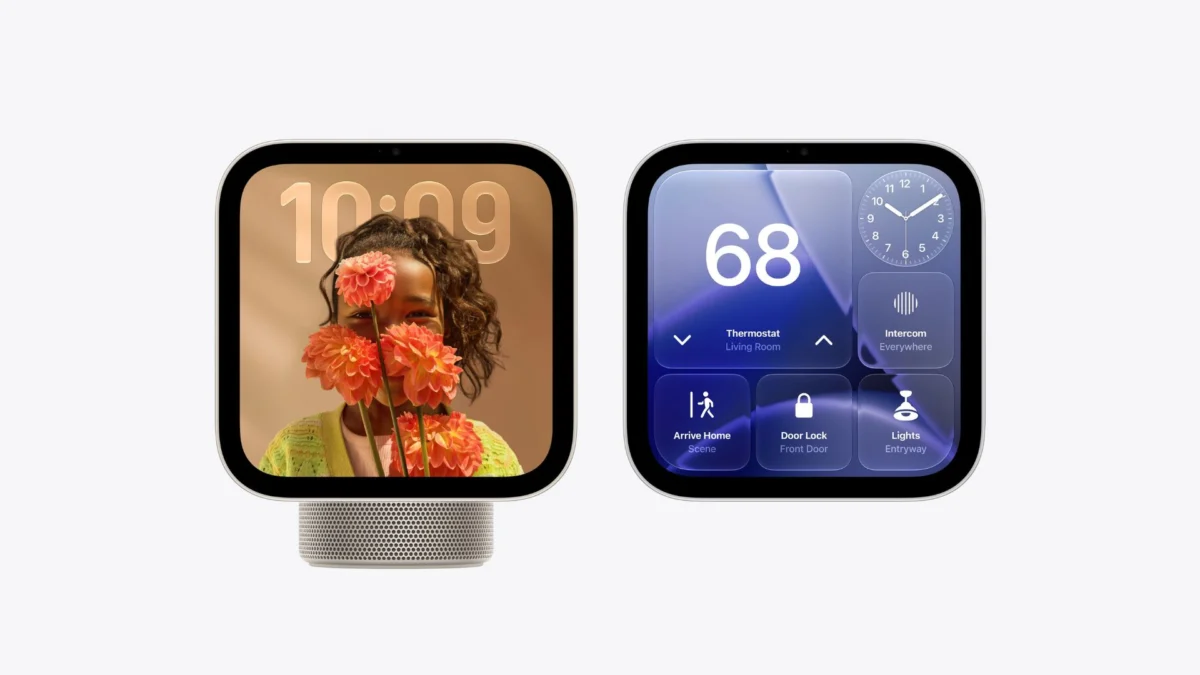
Newly discovered software code for Apple’s upcoming HomeView smart home hub suggests it could possess integrated home security camera capabilities, potentially offering users a dual-function device that manages connected smart home accessories and monitors their living spaces. This revelation, unearthed by code researcher pdfu, indicates that HomeView might extend beyond its primary role as a central controller for smart devices, venturing into the territory traditionally occupied by dedicated security cameras. The findings, embedded within HomeView Software version 27.2, point to robust support for HomeKit Secure Video, a feature designed to encrypt and securely store video footage from compatible cameras.
Unveiling HomeKit Secure Video Integration
The discovery of HomeKit Secure Video support within the HomeView software is a significant development. HomeKit Secure Video, introduced by Apple in 2019, allows users to securely store video clips from their security cameras in iCloud. This feature encrypts the footage end-to-end, meaning only the user can access it, and it does not count against iCloud storage limits for eligible plans. The presence of this functionality within HomeView’s code strongly suggests that the device itself is intended to capture and process video feeds.
According to the research, the software references four distinct camera modes: "Off," "Detect Activity," "Stream," and "Stream & Allow Recording." These modes offer a granular level of control, allowing users to customize the device’s surveillance behavior based on their needs and presence within the home. The ability to schedule different settings depending on whether a user is home, away, or asleep further enhances the potential for intelligent and adaptive home monitoring. This suggests a sophisticated approach to security, where the device can dynamically adjust its functionality to provide peace of mind when needed most.
Furthermore, the code has revealed specific technical details regarding video quality. A HomeView-specific configuration is mentioned, supporting 1080p video at 30 frames per second (fps). This resolution is a common standard for indoor security cameras, offering a good balance between image clarity and file size. The inclusion of microphone input for HomeKit Secure Video sessions indicates that the device is designed to capture not only visual data but also audio, which is crucial for comprehensive surveillance and event detection.
Privacy as a Core Consideration
In line with Apple’s strong emphasis on user privacy, the unearthed code highlights several features designed to ensure that camera functionality is used responsibly and transparently. The findings suggest that access to camera streams and recordings will be restricted to members of a household, reinforcing the idea that the device is intended for personal use and not for broader surveillance.
To further enhance transparency and prevent unauthorized monitoring, the software indicates the presence of a visible green indicator light and an audible sound that will alert individuals whenever the camera begins streaming or recording. This real-time notification system is a critical privacy safeguard, ensuring that occupants are aware when their activities are being captured. Users will also reportedly receive notifications whenever camera settings are changed, making it more difficult for someone to enable recording without the knowledge of other household members. This layered approach to privacy controls aims to build trust and provide users with a sense of security not just in the protection of their homes, but also in the protection of their personal information.
Operational Limitations and Management
Despite the promising camera capabilities, the discovered code also points to certain operational limitations. It appears that while an "away" mode is referenced, the ability to actively stream and record video can only be initiated directly on the HomeView device when someone is physically present at home. This restriction could be a deliberate design choice to prevent accidental or remote activation of the camera when no one is present to oversee its operation, further bolstering privacy assurances.
More advanced features, such as facial recognition and the configuration of activity zones, are expected to be managed through the dedicated Home app on an iPhone. This approach leverages the existing infrastructure of Apple’s smart home ecosystem, allowing users to customize and refine their security settings through a familiar interface. Activity zones, for instance, would enable users to designate specific areas within the camera’s field of view to monitor for motion, reducing irrelevant alerts and focusing on critical areas. Facial recognition, if implemented, would allow the system to distinguish between known individuals and potential intruders, providing more intelligent alerts.
Preview Refresh and Scheduled Availability
Another intriguing discovery suggests that HomeView could automatically capture still images to refresh its camera preview whenever a household member opens the Home app. This feature would provide users with an up-to-date snapshot of their home environment before fully engaging with the live stream. As with active recording, the same green privacy indicator light would reportedly appear during these preview captures, maintaining transparency even during passive image refreshes.
The potential integration of a home security camera within the HomeView smart hub is a significant expansion of its functionality. This dual-purpose design could appeal to consumers looking to streamline their smart home setups and reduce the number of individual devices. The HomeView smart home hub is scheduled to be released on November 13, with a starting price of $299. While the presence of these features in the software code is a strong indicator of their intended functionality, it is important to note that Apple has not officially announced these specific camera capabilities. Therefore, there remains a possibility that some or all of these features may not be available at the initial launch. However, the detailed nature of the code suggests a high likelihood of their eventual implementation, potentially positioning HomeView as a compelling all-in-one solution for smart home management and security.
Context and Market Implications
The potential for HomeView to act as a security camera arrives at a time when the demand for home security solutions continues to grow. According to Statista, the global smart home market is projected to reach over $100 billion by 2026, with home security being a significant driver of this growth. Consumers are increasingly seeking integrated solutions that offer convenience, security, and seamless connectivity.
Apple’s entry into this space with a device that combines smart home control and security camera functionality could disrupt the market. Currently, consumers often need to purchase separate devices for smart home hubs and security cameras. The HomeView’s integrated approach could simplify installation and management, offering a more cohesive user experience. This strategy aligns with Apple’s broader vision of creating an interconnected ecosystem of devices that work harmoniously together.
The emphasis on privacy, a hallmark of Apple’s product philosophy, is particularly relevant in the context of home security. As more sensitive data is collected within homes, consumers are increasingly concerned about how this information is stored and accessed. By implementing robust privacy features like end-to-end encryption, household-only access, and clear visual indicators, Apple aims to address these concerns and build trust with its user base.
Background of HomeKit and Smart Home Hubs
HomeKit, Apple’s framework for smart home devices, has been evolving since its introduction. It allows users to control compatible smart home accessories using voice commands via Siri or through the Home app on their Apple devices. HomeKit Secure Video, introduced later, was a significant enhancement, addressing the security and privacy concerns associated with cloud-based video storage.
Smart home hubs, in general, serve as central control points for various smart devices, enabling them to communicate with each other and with the user. They often facilitate automation routines, allowing devices to perform actions based on specific triggers, such as time of day, sensor readings, or user presence. Apple’s HomePod and Apple TV have historically served as HomeKit hubs, providing remote access and automation capabilities. The HomeView, if it incorporates these hub functionalities alongside its potential camera features, would represent a more dedicated and potentially more powerful iteration of an Apple smart home controller.
The expected release date of November 13, coupled with the $299 price point, places HomeView in direct competition with other established smart home hubs and security camera systems. Its success will likely depend on its ability to deliver on its promised features, offer a seamless user experience, and maintain Apple’s reputation for quality and privacy in a competitive market. The upcoming weeks will be crucial for Apple to formally announce the HomeView’s full capabilities and clarify any remaining ambiguities regarding its camera functionality.

