
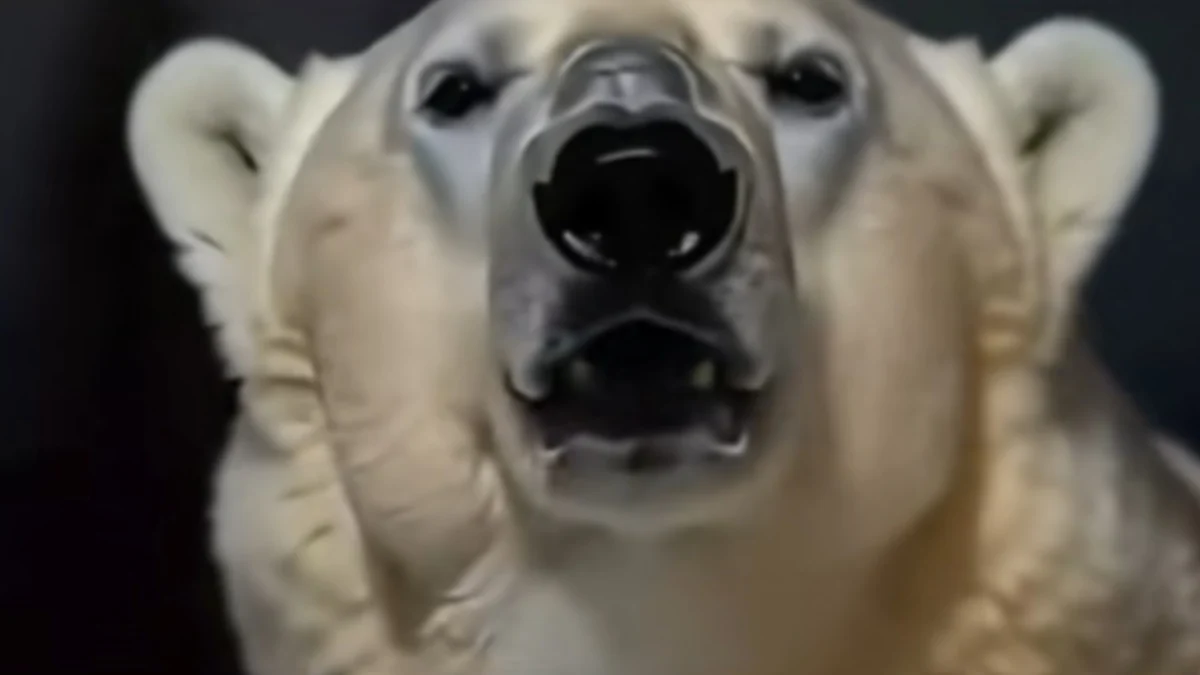
The digital landscape of late 2026 has been dominated by a singular, surreal image: an AI-generated polar bear reminding the world of a prophecy made three years prior. What began as a cryptic "meme from the future" in early 2023 has transformed into a massive cross-platform cultural phenomenon, blending generative artificial intelligence, nostalgic music, and the internet’s unique penchant for self-fulfilling prophecies. This movement, known primarily by the catchphrase "Remember November 2026 Is Coming," represents a milestone in how digital lore is constructed, preserved, and eventually realized through collective participation.
The Genesis of a Digital Prophecy
The origins of the "Remember November 2026" phenomenon can be traced back to March 27th, 2023. During a period when generative AI was beginning to capture the public imagination, a TikTok creator operating under the handle @gmd_arahis uploaded a video featuring a static, seemingly AI-generated image of a polar bear. The bear was depicted in a desolate, snowy environment at night, illuminated by a cold, ethereal light, and positioned in a physically improbable stance, supporting itself on its front paws.
Accompanying the image was the haunting track "After Dark" by Mr. Kitty, a song frequently associated with "synthwave" aesthetics and melancholic internet subcultures. However, the most significant element of the post was the caption, written in Russian: "это ноябрьский мем из 2026, вы пока не поймете." Translated into English, the message stated, "this is a November meme from 2026, you won’t understand yet."
At the time, the post was categorized under the "Meme from the Future" trope—a genre of internet humor where users post nonsensical or abstract content claiming it will only make sense years later. The video gained substantial traction in 2023, amassing over 3.1 million views and nearly 372,000 likes. For three years, the "Polar Bear 2026" remained a niche piece of internet lore, a digital time capsule waiting for its designated year to arrive.
The 2026 Resurgence and the Role of Generative AI
As the calendar turned to 2026, the dormant prophecy began to stir. The catalyst for the meme’s modern iteration arrived on August 28th, 2026, when TikTok user @bigbakdiskk28 utilized advanced AI video synthesis tools to breathe life into the static 2023 image. In this new version, the polar bear was no longer a still figure; it was a fully animated avatar singing a modified version of "Life Goes On" by Oliver Tree.
The lyrics were replaced with a rhythmic, repetitive chant: "Remember November 2026 is coming." The use of Oliver Tree’s distinctive vocal style, processed through an AI voice model, added a layer of absurdist humor that resonated with the current "brain rot" aesthetic prevalent on platforms like TikTok and Instagram Reels. This video acted as the bridge between the 2023 "prediction" and the 2026 "reality," garnering nearly one million views within its first two weeks and sparking a wave of derivative content.
The technological leap between 2023 and 2026 played a crucial role in this evolution. While the original meme was a static image—likely generated by early versions of Midjourney or DALL-E—the 2026 version leveraged sophisticated video-to-video and text-to-video AI models capable of realistic lip-syncing and fluid motion. This technological progression mirrored the timeline of the meme itself, making the "future meme" feel appropriately futuristic when it finally "arrived."
Algorithmic Spread and Platform Dynamics
By early September 2026, the "Remember November" meme had achieved escape velocity, moving beyond TikTok and saturating Instagram Reels. On September 7th, 2026, the creator @monitorr.r posted a high-engagement version of the video that leaned into the "looming threat" or "ominous reminder" aspect of the meme, which gained over 600,000 views in 72 hours.
The spread of the meme was characterized by several distinct categories of content:
- The Calendar Countdown: Users posted videos of the polar bear side-by-side with a November 2026 calendar, often marking the days with a sense of mock-dread.
- Product Sightings: On September 7th, Instagram user birobidzanih shared a photograph of a bag of chips with an expiration date of November 2026. The polar bear was edited into the frame, suggesting that the "prophecy" was manifesting in the physical world through everyday consumer goods. This post received over 92,000 likes, illustrating the meme’s crossover into "IRL" (In Real Life) contexts.
- Human Covers and Remixes: On September 9th, TikToker @fatguynamedbigcheezy posted a video of himself singing the AI-generated lyrics, humanizing the meme and further cementing its place in the musical zeitgeist of the month.
- Jersey Club and Phonk Remixes: Producers like @dingleberryjoe4 created high-energy remixes of the "Remember November" chant, turning the meme into a staple of short-form video soundtracks.
Analysis of the "Meme from the Future" Trope
The success of "Remember November 2026" provides a fascinating case study in the psychology of internet subcultures. The "Meme from the Future" is a concept that relies on the "delayed gratification" of humor. By planting a seed in 2023, the original creator @gmd_arahis created a sense of "invested time" for the audience. When the meme resurfaced in 2026, users felt a sense of communal achievement—they had "reached the future" and were now participants in the realization of the joke.
This phenomenon is similar to other historical internet events, such as the "E" meme or the "2021 Water" memes, but "Remember November" is unique due to its specific date-based anchoring and its reliance on the evolution of AI. It functions as a form of digital folklore, where the "truth" of the meme is not found in its content (which remains nonsensical), but in the collective commitment to making the prediction come true.
Technical and Ethical Considerations of AI Content
The "Remember November" trend also highlights the normalization of AI-generated media. In 2023, an AI-generated polar bear was a novelty; by 2026, AI-generated characters singing popular songs have become the standard language of social media. The ease with which users can now animate static images and clone voices has lowered the barrier to entry for complex meme creation, allowing "lore" to be built at an unprecedented pace.
However, this trend also touches on the ongoing debate regarding AI and copyright. The use of Oliver Tree’s voice and melody, even in a parodic or transformative context, exists in a legal gray area that platforms and artists are still navigating. Despite these complexities, the "Remember November" meme has largely been embraced as a harmless, albeit surreal, expression of digital creativity.
Broader Impact and Implications for Digital Marketing
The "November 2026" phenomenon has not gone unnoticed by corporate entities. Marketing analysts have noted that the meme’s focus on a specific date and a specific character (the polar bear) provides a blueprint for "long-tail" viral marketing. By creating content that references a future date, brands can potentially build long-term engagement, though the organic nature of the "Remember November" trend is difficult to replicate artificially.
The "chips expiration date" example also suggests that consumers are increasingly looking for "Easter eggs" in the real world that connect back to digital trends. This convergence of the digital and physical worlds—mediated by AI and social media algorithms—is likely to become more prevalent as the 2020s progress.
Conclusion: The Final Countdown
As November 2026 approaches, the intensity of the "Remember November" meme is expected to peak. What started as a cryptic Russian TikTok post in 2023 has become a global digital event, proving that the internet has a long memory and a profound ability to manifest its own reality. The polar bear has become an unlikely mascot for the year 2026, representing the intersection of artificial intelligence, communal storytelling, and the strange, cyclical nature of online humor.
Whether November 2026 brings any significant event beyond the continuation of the meme remains to be seen. However, in the world of digital culture, the event has already happened: the prophecy has been fulfilled, the bear has sung, and the internet has successfully remembered what it was told not to forget. The "Remember November 2026" saga serves as a reminder that in the age of the algorithm, the future is never as far away as it seems, and sometimes, it arrives exactly on schedule.

