
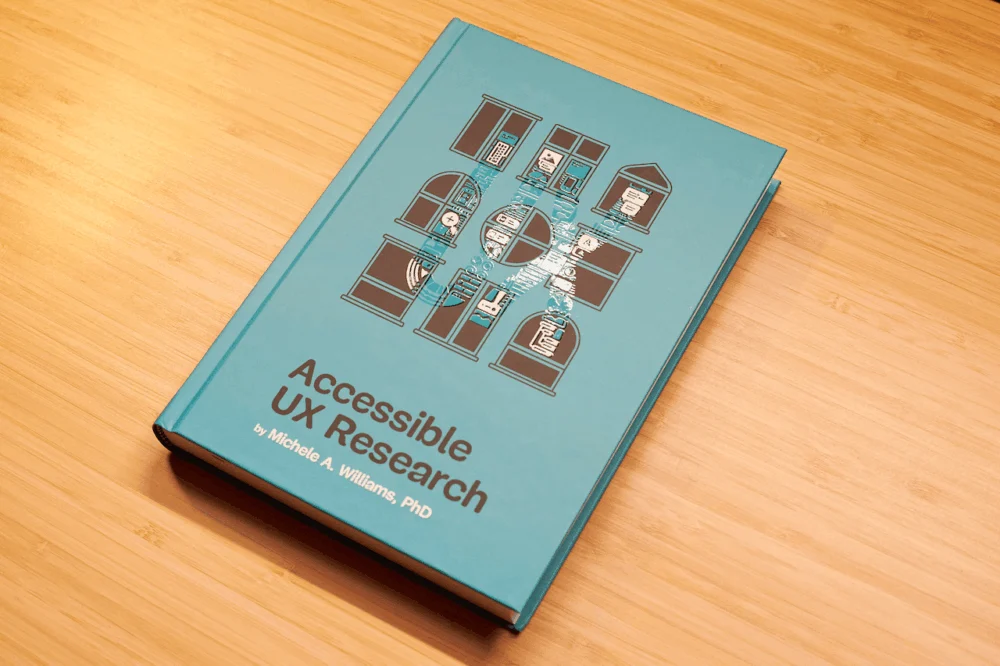
The professional design community has seen a significant shift toward inclusive digital practices with the worldwide release of Accessible UX Research, the latest publication from Smashing Magazine. Authored by Dr. Michele A. Williams, a veteran accessibility specialist with over two decades of experience, the book serves as a comprehensive manual for integrating users with disabilities into the product development lifecycle. This release marks a pivotal moment for the publisher, which has simultaneously announced the resolution of several months of logistical challenges related to international customs and tariffs, ensuring that the title is now available for shipping to customers in the United States and globally.
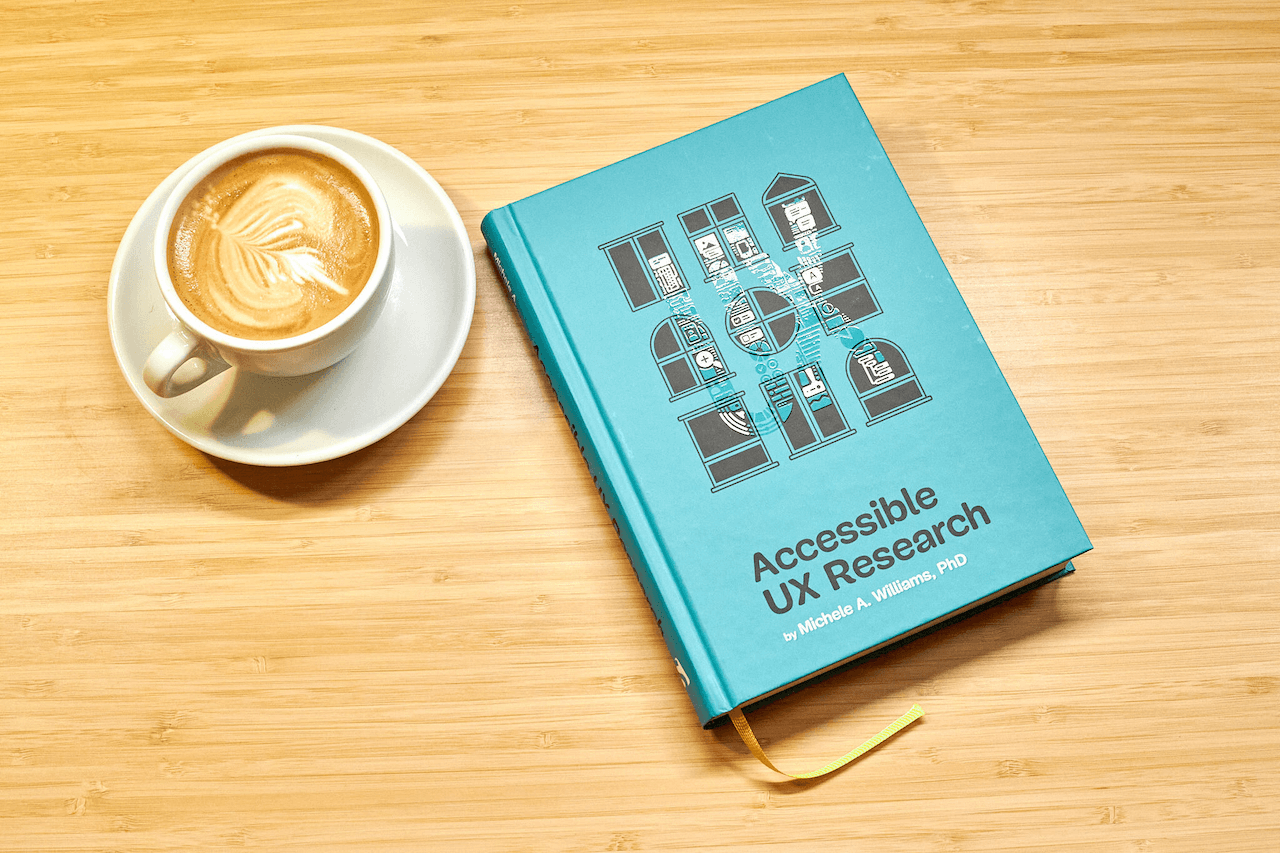
Accessible UX Research arrives at a time when the technology sector faces increasing pressure to move beyond mere legal compliance toward genuine inclusivity. While many organizations rely on automated accessibility audits or static checklists, Dr. Williams argues for a fundamental shift in methodology: involving disabled participants directly in the user experience (UX) research phase. The book is structured as a practical roadmap, guiding researchers, designers, and product managers through the nuances of assistive technology, the diversity of human disability, and the practicalities of conducting ethical, thorough research on any budget or timeline.
The Growing Necessity of Inclusive Digital Design
The release of Dr. Williams’ work coincides with a global tightening of accessibility regulations and a growing realization of the economic impact of the "disability market." According to data from the World Health Organization (WHO), approximately 1.3 billion people—or 1 in 6 people worldwide—experience significant disability. In the United States, the Centers for Disease Control and Prevention (CDC) reports that one in four adults lives with a disability. Despite these figures, a significant portion of the digital landscape remains inaccessible. The 2023 "WebAIM Million" report, an annual accessibility analysis of the top one million homepages, found that 96.3% of homepages had detectable WCAG 2 failures.
Industry analysts suggest that the lack of inclusive research is a primary driver of these failures. When products are designed by and for non-disabled users, they often contain "built-in" barriers that are expensive to rectify after launch. The European Accessibility Act (EAA), which is set to come into full effect in June 2025, mandates that a wide range of products and services, including e-commerce, banking, and transportation, must be accessible to people with disabilities. This regulatory environment has created an urgent demand for the strategies outlined in Dr. Williams’ book, as companies seek to avoid litigation and tap into the estimated $13 trillion in annual disposable income held by people with disabilities and their families.
A Chronology of Development and Distribution
The path to the publication of Accessible UX Research reflects both the rigorous editorial standards of Smashing Magazine and the complexities of modern global commerce. The book was developed over several years, drawing on Dr. Williams’ extensive background in Human-Centered Computing and her tenure as a Senior UX Researcher at major technology firms.
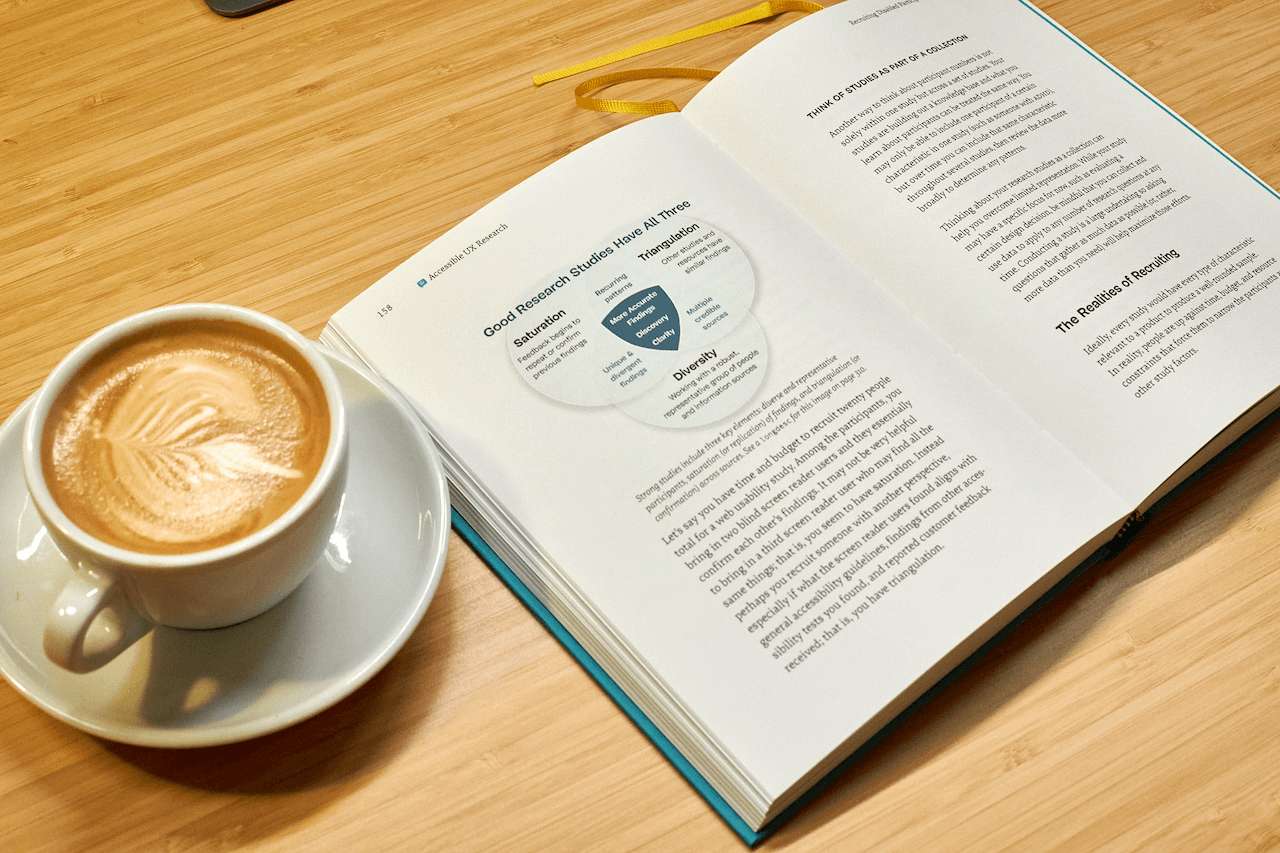
The physical production of the book was completed earlier this year, but its global rollout faced unforeseen hurdles. Smashing Magazine, based in Europe, reported that it encountered significant customs and tariff issues that hindered the shipment of printed copies to the United States. For several months, the publisher worked to navigate these international trade barriers, a challenge that has become increasingly common for niche publishers in a post-pandemic supply chain environment. With these issues now resolved, the hardcover edition, featuring cover art by Espen Brunborg and photography by Marc Thiele, has officially entered worldwide distribution.
Methodological Framework and Content Overview
At 324 pages, Accessible UX Research is designed to be a permanent reference for digital professionals. The book departs from the "checklist" mentality that has historically dominated accessibility discourse. Instead, it offers a deep dive into the real-world application of inclusive research. The content is organized into eight primary chapters, complemented by an extensive appendix of assistive technology references.
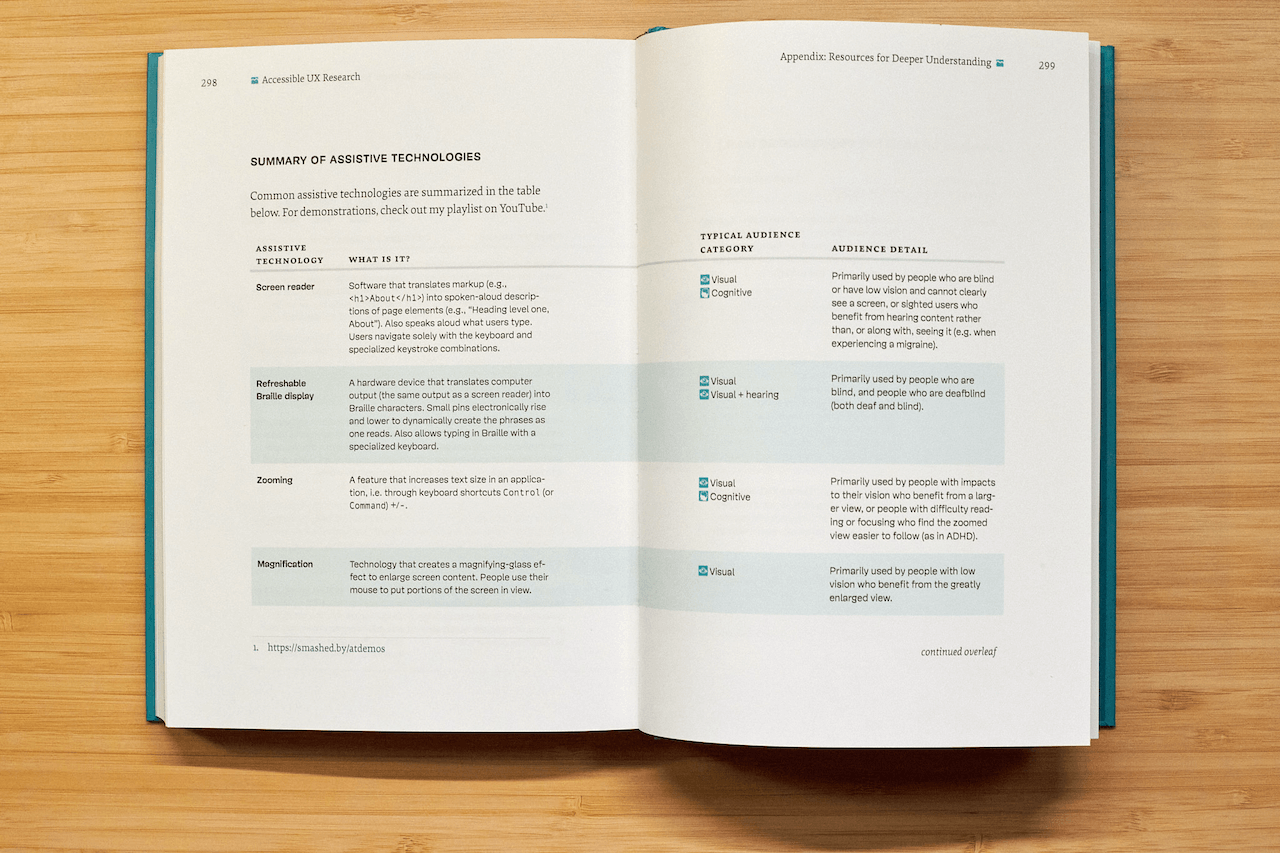
The first half of the book focuses on foundational knowledge, including the diversity of disability and how disability intersects with various stages of the UX research process. Dr. Williams emphasizes that "disability" is not a monolith; it encompasses visual, auditory, motor, cognitive, and neurological differences, as well as temporary or situational impairments.
The second half of the book provides tactical guidance on the execution of research studies. Key topics include:

- Recruitment Strategies: Addressing the common hurdle of finding and vetting disabled participants, including how to ensure recruitment tools themselves are accessible.
- Designing the Study: Adapting traditional research methods, such as usability testing or interviews, to be inclusive of users who utilize screen readers, switch controls, or voice recognition software.
- Facilitation Etiquette: Providing clear protocols for interacting with participants, focusing on respect, consent, and the removal of physical and digital barriers during sessions.
- Accurate Reporting: How to analyze data from diverse cohorts and present findings to stakeholders in a way that drives meaningful product changes rather than superficial fixes.
The book also includes a foreword by Jared Smith, the Associate Director of WebAIM, and an in-depth interview with a disabled researcher, providing multiple perspectives from within the accessibility community.
Industry Reactions and Peer Review
The release has been met with acclaim from leaders across the UX and accessibility fields. Eric Bailey, a prominent accessibility advocate, described the book as a "vital and necessary resource" that sets an equitable tone for the entire product creation process. Bailey noted that the book provides not only a solid framework for process considerations but also the "mindset required to approach the work," filling a significant gap in the literature available to junior and mid-level researchers.

Devon Pershing, author of The Accessibility Operations Guidebook, emphasized the book’s role in daily operations, stating that user research in accessibility is "non-negotiable for actually meeting users’ needs." Meanwhile, Manuel Matuzović, author of the Web Accessibility Cookbook, highlighted the book’s ability to challenge the internal biases of developers and designers. Matuzović noted that technical recommendations and assumptions often fail because they do not represent the "depth of human experience," a void that Dr. Williams’ strategies are designed to fill.
Anna E. Cook, an Accessibility and Inclusive Design Specialist, praised the book’s focus on proactive inclusion. According to Cook, the text makes a compelling case for treating accessibility as a core principle of product development rather than an afterthought or a "compliance-only" requirement.

Broader Impact and Implications for the Tech Industry
The publication of Accessible UX Research signals a maturing of the UX field. For years, the industry has focused on "User-Centered Design," yet the "user" in that equation was often an idealized, non-disabled persona. By providing a clear methodology for including the 15-20% of the population with disabilities, Dr. Williams is helping to redefine the standard for what constitutes "good" research.
From a business perspective, the implications of adopting these practices are significant. Inclusive research leads to more robust products that are easier for everyone to use—a concept known as the "curb-cut effect." For example, captions originally designed for the d/Deaf community are now widely used by people in noisy environments or those learning a second language. By following the roadmap in Accessible UX Research, companies can identify these universal design opportunities earlier in the development cycle, reducing the cost of rework and increasing the potential market reach of their products.

Furthermore, the book addresses the "why" of inclusive research, urging a move toward the Social Model of Disability. This model posits that disability is caused by the way society and the built environment are organized, rather than by a person’s impairment. In the digital realm, this means that an "inaccessible" website is a failure of design and engineering, not a failure of the user.
Availability and Technical Specifications
Smashing Magazine has released the book in both high-quality hardcover and digital formats. The print edition is characterized by its teal cover featuring a grid of architectural window styles, symbolic of the different ways people view and interact with the digital world. The eBook version is currently available as part of the Smashing Membership program, which provides ongoing resources to the design and development community.

As part of the publisher’s commitment to accessibility, the book itself was designed with readability in mind, featuring clear typography and high-contrast visuals. A free 2.3MB PDF sample has been made available to the public to allow potential readers to evaluate the content before purchase.
In conclusion, Accessible UX Research by Dr. Michele A. Williams stands as a landmark publication for the tech industry. By combining academic rigor with two decades of industry experience, Williams has provided a tool that empowers teams to build a more equitable digital future. With global shipping restored and a clear roadmap provided, the responsibility now lies with product makers to implement these strategies and ensure that the digital world is open to all.

