
In the increasingly competitive landscape of smart home technology, multi-room heating control systems stand out as a significant area for innovation and consumer interest. Two prominent players vying for market share and consumer trust are Tado X and Honeywell Evohome. Both systems offer the promise of precise, room-by-room temperature management, aiming to enhance comfort, convenience, and energy efficiency. However, they adopt fundamentally different philosophies and technological approaches, making a direct comparison crucial for informed decision-making. Tado X, the newer entrant, boasts a sleek, modern design and an intuitive app-driven experience, but its most advanced features are gated behind a subscription service. Conversely, Honeywell Evohome, a long-established name in home climate control, offers a mature and robust system with a proven track record, though its interface and hardware are beginning to show their age. This in-depth analysis, based on extensive testing, aims to delineate the strengths and weaknesses of each system across key performance indicators, providing a clear picture for homeowners seeking to upgrade their heating infrastructure.
Design and Hardware Aesthetics
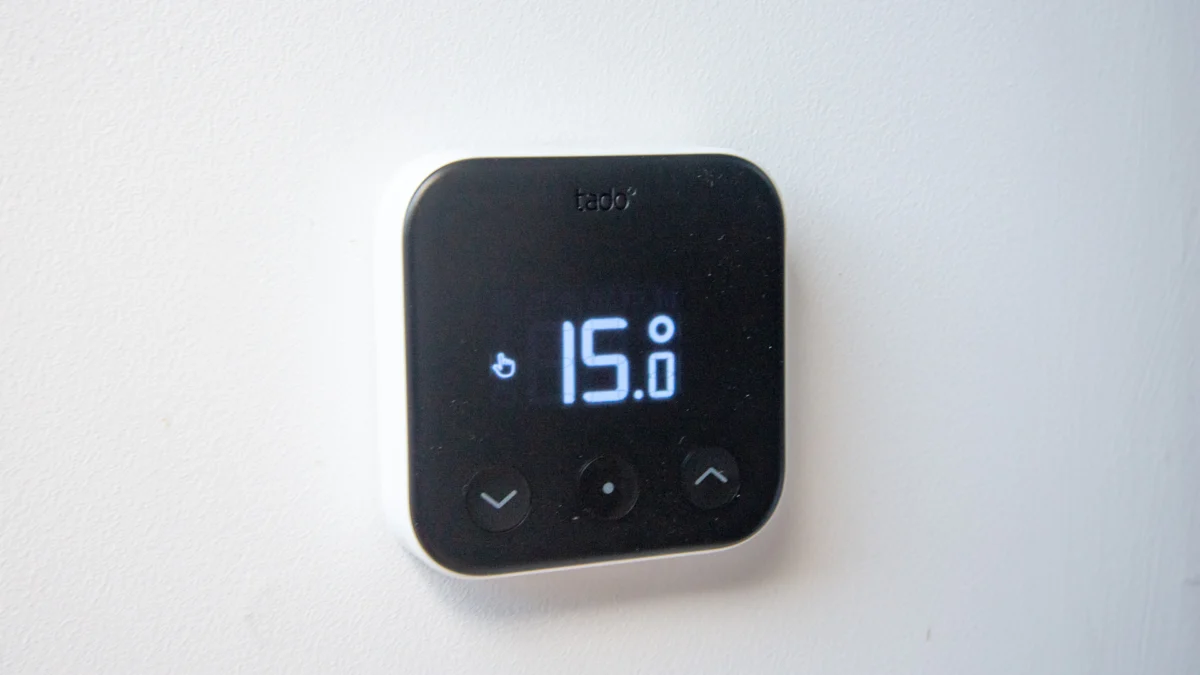
The first impression of any smart home device often hinges on its physical design, and in this regard, Tado X clearly positions itself as a contemporary solution. The Tado X smart radiator valves (TRVs) are commendably compact, featuring a clean, minimalist aesthetic that blends seamlessly with modern interior décor. A standout feature is the integrated rechargeable USB-C battery pack, a welcome departure from the frequent need to replace disposable AA batteries, which is a common pain point for older smart heating devices. This not only contributes to a more sustainable and cost-effective user experience but also enhances the device’s overall convenience. The inclusion of a four-way screen rotation, while seemingly a minor detail, proves surprisingly practical. This feature allows the display to orient itself optimally regardless of the radiator valve’s mounting position, mitigating awkward angles and ensuring readability in diverse installation scenarios. The Tado X hardware is virtually silent in operation, contributing to a more peaceful home environment.

In stark contrast, Honeywell Evohome’s hardware presents a more utilitarian and dated appearance. The central Evohome controller, the hub of the system, carries the bulky proportions and thick bezels reminiscent of tablet devices from the mid-2000s. Its touchscreen, while functional, often requires a firm press to register input, indicating older display technology. The TRVs themselves, while effective, do not offer the same design appeal as their Tado X counterparts and are noticeably audible during operation, with distinct clicking and whirring sounds as they adjust. This auditory feedback, though perhaps indicating active operation, can be intrusive, particularly in quieter living spaces or during nighttime hours.
Both systems offer the capability to control underfloor heating through an additional relay device. However, Evohome provides a more sophisticated solution for complex heating layouts with its optional smart manifold, a feature not currently offered by Tado X. Furthermore, both systems support external wireless temperature sensors. These are invaluable accessories, especially in situations where a TRV might be obscured by furniture or otherwise positioned to provide an inaccurate room temperature reading.
For boiler control, Tado X utilizes a single, versatile unit that supports both simple on/off controls and the more advanced OpenTherm protocol, which allows for more nuanced and efficient boiler operation by enabling two-way communication. Evohome also supports both on/off boilers and OpenTherm, but requires separate controllers for each type, necessitating careful selection during purchase to ensure compatibility with the existing boiler system.

Winner: Tado X
Installation and Setup Process
The ease of installation is a critical factor for many consumers considering smart home upgrades. Tado X excels in this area, offering a user-friendly DIY installation experience. The packaging typically includes a comprehensive array of adaptors, ensuring compatibility with a wide range of radiator valve types. The accompanying app provides clear, step-by-step wiring instructions, demystifying the process for users with varying levels of technical expertise. Once the TRVs are fitted onto the radiators, they undergo an automatic calibration sequence, further simplifying setup. The integration of Matter over Thread for new thermostat additions streamlines the process; users can simply scan the device’s Matter code to add it to their network, a significant improvement over older pairing methods. For boiler integration, the Tado X app intelligently queries the user about their existing boiler setup and then delivers tailored, specific instructions for connecting the boiler control unit.
While Evohome TRVs can technically be installed by the end-user, Honeywell strongly recommends professional installation. The initial zone setup process within the Evohome system is described as "fiddly," and making subsequent adjustments requires navigating through buried settings menus. In contrast, Tado X allows for intuitive room assignment directly within its user-friendly mobile application, offering a more flexible and accessible approach to managing heating zones. This difference in installation complexity and ongoing management can be a deciding factor for individuals who prefer a hands-on approach versus those who would rather entrust the setup to a professional.

Winner: Tado X
Pricing Structure and Long-Term Cost
The initial investment and ongoing operational costs are paramount considerations for any consumer purchase. Tado X presents a more accessible entry point with its Wireless Smart Thermostat X Starter Kit priced at £159.99. However, the individual TRVs are priced at £79.99 each, which can lead to a substantial cumulative cost when outfitting an entire house. Honeywell Evohome’s TRVs are more competitively priced at approximately £59 each. Nevertheless, the Evohome system necessitates the purchase of a central controller and boiler switch, bringing a basic setup to around £215 before any TRVs are installed. A more realistic representation of the total cost for a comprehensive Evohome system is often seen in their multi-unit value packs, such as the eight-TRV pack priced at £589.
A significant differentiating factor lies in the pricing models. Tado X employs a subscription-based model for its most advanced automation features. The "Auto-Assist" subscription, priced at £29.99 annually, unlocks functionalities like geofencing (automatically turning heating on or off based on user location) and enhanced automatic window open detection. This recurring cost means the total expenditure for Tado X can increase year over year. In contrast, Evohome operates on a pay-once model for its core features, with no ongoing subscription fees. This offers greater cost predictability over the long term. However, the absence of subscription fees for Evohome is somewhat offset by the fact that its software has seen very few significant updates since its initial launch, whereas Tado X is subject to regular feature enhancements and performance improvements.

Winner: Honeywell Evohome
Features and Performance: The Intelligence of Heating
When it comes to the "smart" aspect of smart heating, Tado X demonstrably leads. Its Adaptive Heating technology is a sophisticated learning algorithm that analyzes how each room in a house heats up and cools down, optimizing schedules for maximum efficiency and comfort. The Hydronic Balancing feature ensures that radiators heat consistently across the entire home, eliminating cold spots and improving overall heating performance. For users with an OpenTherm-compatible boiler, Weather Adaptation intelligently uses forecast data to pre-emptively adjust heating, further enhancing efficiency. The optional Auto-Assist subscription brings geofencing into play, automatically conserving energy by turning off the heating when the last person leaves home and reactivating it upon their return. Crucially, changes made via the Tado X app are implemented almost instantaneously over the Thread wireless protocol, providing a highly responsive user experience.
Evohome, while proficient, offers a more traditional approach to smart heating. It handles schedules effectively and provides useful "quick modes" like Eco and Away for immediate temperature adjustments. Its window detection feature, which automatically turns off heating when an open window is detected, is a valuable built-in function. However, Evohome lacks native geofencing capabilities, and command propagation can sometimes take several minutes to register across the system. As mentioned previously, the audible operation of the TRV motors can be a notable drawback, especially for light sleepers. Despite these limitations, Evohome’s core scheduling and zone control are reliable.

Winner: Tado X
Smart Home Integration Capabilities
The integration of heating systems into broader smart home ecosystems is increasingly important for creating a cohesive and automated living environment. Tado X supports Matter, the new universal smart home standard. While this offers the potential for broad compatibility, its implementation in practice can be cumbersome. Users often face the task of adding each Tado X device individually to each Matter-compatible platform (e.g., Apple Home, Google Home), a process that can be time-consuming, especially for systems with numerous devices. Furthermore, the current limitations of Matter prevent convenient whole-home control actions, such as switching between "Home" and "Away" modes or turning off all heating with a single command, through the Matter interface.
Honeywell Evohome does not currently support Matter. However, its integrations with Amazon Alexa and Google Assistant are exceptionally well-developed. Users can easily set specific temperatures for individual zones, initiate custom routines like "Good Morning" or "Bedtime," and control multiple zones simultaneously using Alexa groups. The platform also offers IFTTT (If This Then That) integration, opening up a vast array of automation possibilities by connecting with third-party services and devices, such as using weather data or motion sensors from security cameras to trigger heating adjustments. While the Evohome app itself has remained largely unchanged for years, its voice control capabilities and broader automation potential through IFTTT provide a more robust and practical smart home experience for many users compared to Tado X’s current Matter implementation.

Winner: Honeywell Evohome
Value Proposition: Long-Term Savings and Investment
The ultimate value of a smart heating system is often measured by its ability to deliver long-term cost savings and provide a worthwhile return on investment. Evohome’s primary selling point is its absence of recurring subscription fees for its core room-by-room control features. Honeywell claims that this granular control can lead to heating bill reductions of up to 40%. However, as noted, a full Evohome system represents a significant upfront investment, and the dated software and hardware can make it feel like paying a premium for legacy technology.
Tado X offers a more flexible approach, allowing users to start small and gradually expand their system. While the £29.99 annual subscription for key automation features adds to the ongoing cost, the system’s intelligent features like Adaptive Heating and Geofencing are designed to maximize energy efficiency and potentially offset the subscription fee through reduced energy consumption. Kitting out an entire house with Tado X TRVs can, in some instances, exceed the cost of Evohome’s multi-TRV packs. However, the convenience of rechargeable batteries, eliminating the need for continuous AA battery purchases, and the promise of continuous software improvements contribute to Tado X’s long-term value proposition. The system’s ability to learn and adapt to user habits and environmental conditions suggests a potential for greater energy savings over time.

Winner: Tado X
Specification Comparison
| Spec | Tado X | Honeywell Evohome |
|---|---|---|
| Individual room/zone control | Yes, per radiator | Yes, up to 12 zones |
| TRV unit price | £79.99 | ~£59 |
| Starter kit price | £159.99 | £299 |
| Bridge/controller required | Tado Bridge X (£59.99), unless you have a Thread border router | Controller + boiler switch (~£215) |
| Battery type (TRVs) | Rechargeable pack (USB-C) | Not rechargeable (replaceable) |
| Window open detection | Yes (requires subscription) | Yes (built-in) |
| Geolocation/away feature | Yes (requires Auto-assist subscription) | No |
| Auto-assist/learning subscription | £29.99/year or £3.99/month | Not available |
| OpenTherm support | Yes | Yes |
| Wireless protocol | Matter-over-Thread | Wi-Fi + proprietary RF |
| Additional temperature sensor price | Included in starter kit | ~£90 |
Final Verdict: Which System Reigns Supreme?
For consumers prioritizing a truly "smart" heating experience characterized by cutting-edge technology, ease of use, and a modern aesthetic, Tado X emerges as the recommended choice. Its intuitive self-installation process, coupled with sophisticated features like Adaptive Heating and the convenience of rechargeable thermostats, makes it an attractive option for those looking to upgrade from basic heating controls. While the subscription model and the complexities of Matter integration present some drawbacks, the system’s day-to-day performance, potential for significant energy savings, and sleek design contribute to a compelling overall value proposition. For the majority of homeowners seeking a seamless transition to intelligent home climate control, Tado X represents a forward-thinking and sensible investment.
Conversely, for individuals who prefer a one-time purchase with no ongoing subscription fees and a system that offers robust smart home integration through established voice assistants, Honeywell Evohome remains a viable contender. Despite its aging hardware and software interface, the system provides dependable room-by-room control and a more integrated experience with Alexa and Google Assistant compared to Tado X’s current Matter implementation. While the initial setup may be more involved, and the hardware lacks the modern appeal of its competitor, Evohome offers a proven solution for those who value long-term ownership and a system that has a history of reliability, provided they are willing to overlook its dated aspects. The decision ultimately hinges on whether a user prioritizes cutting-edge features and a modern user experience with potential recurring costs, or a more traditional, pay-once system with established, albeit less advanced, smart home capabilities.

