
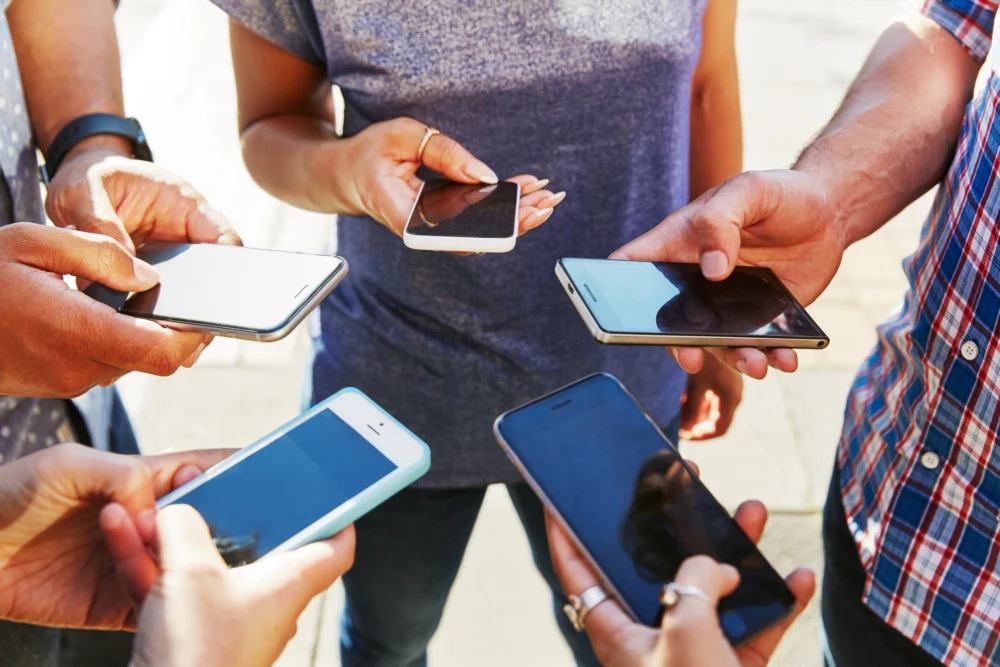
In recent years, a profound societal shift has driven individuals to increasingly seek innovative avenues for forming platonic connections, propelled by the escalating prevalence of loneliness and social isolation across demographics. This growing concern reached a critical juncture in 2023 when the U.S. Surgeon General formally declared loneliness a public health crisis, underscoring its significant impact on individual well-being and public health infrastructure. The call for meaningful friendships resonates deeply across various segments of society, from remote workers yearning for the spontaneous daily interactions once common in office environments to younger generations actively endeavoring to forge adult social circles anchored in shared interests and passions.
The Genesis of a Crisis: Understanding the Loneliness Epidemic

The declaration by the U.S. Surgeon General was not an isolated event but the culmination of years of mounting evidence highlighting the detrimental effects of social disconnection. Dr. Vivek Murthy’s advisory, titled "Our Epidemic of Loneliness and Isolation," outlined how lacking social connection can be as harmful to physical health as smoking 15 cigarettes a day, and is associated with increased risks of heart disease, stroke, dementia, and premature death. This crisis is multifaceted, stemming from several converging societal trends. The widespread adoption of remote work, accelerated by the COVID-19 pandemic, has diminished organic daily interactions, leaving many feeling detached from professional and casual social networks. Concurrently, younger individuals navigating new cities for careers or education often struggle to rebuild the robust social circles they had during school years, finding traditional avenues for friendship formation less accessible. Urbanization, smaller family units, and the pervasive nature of digital communication, ironically, have also contributed to a decline in face-to-face interactions and community engagement. This confluence of factors has created a fertile ground for the innovative solutions now emerging in the tech space.
From Romance to Companionship: The Evolution of Online Connection
The landscape of online social interaction has undergone a significant transformation. Once primarily associated with romantic pursuits, online dating applications successfully dismantled much of the stigma traditionally attached to finding partners through digital means. This cultural shift has paved the way for a new wave of applications, meticulously designed not for romance, but for fostering genuine friendships and cultivating vibrant local communities. The success of platforms like Tinder and Bumble in normalizing online dating has provided a crucial precedent, demonstrating that digital tools can effectively bridge geographical and social divides to create meaningful human connections. This acceptance has significantly lowered the barrier for entry for friendship-focused apps, allowing them to capitalize on a ready and receptive user base.

A Budding Market: Economic Impact and User Engagement
The burgeoning demand for platonic connection has translated into a robust economic opportunity for technology developers. According to recent estimates from Appfigures, a leading app intelligence platform, more than a dozen local-focused friendship applications have collectively generated approximately $16 million in consumer spending in the U.S. so far this year. This impressive figure underscores the financial viability and significant market potential of these platforms. Furthermore, these applications have collectively amassed an estimated 4.3 million downloads thus far in 2025, indicating widespread adoption and a strong user base eager to engage with these services. Prominent examples driving this growth include Timeleft, Meet5, and Bumble’s dedicated BFF platform, which have carved out niches by addressing distinct user needs and preferences. This financial and user engagement data signals a vibrant and rapidly expanding sector within the digital economy, poised for further innovation and growth as the loneliness crisis continues to command attention.
Overcoming Social Barriers: The Strategic Design of Friendship Apps

A primary appeal of these friendship-focused applications lies in their ability to provide a less intimidating and more structured alternative to traditional, often awkward, methods of meeting new people. The prospect of approaching a stranger at a gym, a local café, or a public event to initiate a conversation can be daunting for many, especially those experiencing social anxiety or simply lacking confidence in such spontaneous interactions. These digital platforms circumvent this "awkwardness factor" by clearly signaling the intent of all users: everyone on the app is explicitly seeking friendship, not romantic involvement. This shared understanding creates a safe and low-pressure environment, making it significantly less intimidating to initiate conversations, join groups, or RSVP to events. The explicit purpose of these apps fosters a sense of psychological safety, allowing users to bypass the uncertainty and potential rejection often associated with real-world social overtures.
A Diverse Ecosystem of Connection: Spotlight on Leading Platforms
The market for friendship apps is characterized by a diverse array of platforms, each offering unique features and catering to specific demographics or preferences. From established players like Meetup, which has been connecting people for decades, to innovative newcomers like 222, the ecosystem is rapidly evolving to meet the nuanced demands for meaningful connections. Below is an expanded look at some of the prominent apps in this space:

222: Curated Social Experiences with a Personal Touch
Launched as an iOS-only platform, 222 distinguishes itself by curating in-person social events based on personality test results. The app aims to create harmonious group dynamics by matching strangers with complementary profiles. Users receive invitations to nearby public events, such as wine tastings or comedy shows, followed by a vetting process. Selected participants are notified on the day of the event, adding an element of spontaneous excitement. A thoughtful feature for those with social anxieties is the option to bring a plus-one, easing the pressure of meeting an entirely new group alone. The service operates on a subscription model, charging a $22.22 curation fee or a monthly subscription for the same price, emphasizing a premium, carefully designed social experience.
BFF (Bumble BFF): Leveraging a Dating Giant’s Expertise
Bumble, a dominant force in the online dating arena, recognized the growing need for platonic connections early on. It launched its friend-finding feature, Bumble BFF, in 2016, which later evolved into a standalone application in 2023. This strategic move allowed Bumble to dedicate resources to developing a robust platform specifically for friendship. The app recently underwent a significant redesign in September 2025, placing increased emphasis on facilitating group meetups and fostering community building, directly responding to user feedback and market trends. Available for free on both iOS and Android, Bumble BFF leverages Bumble’s extensive user base and established matching algorithms to help individuals expand their social circles with ease and familiarity.
Clyx: The Next Generation of Event Discovery and Community
Clyx represents an emerging force in the group-based social networking landscape, characterized by its strong focus on local event discovery. This Gen Z-founded app, which raised $14 million, tackles the loneliness epidemic by integrating event data from popular platforms like Ticketmaster and TikTok, offering users a comprehensive guide to community happenings. A unique feature allows users to upload their contact lists, enabling them to see which events their existing friends plan to attend, thereby facilitating organic meetups. Clyx also intelligently recommends other users to connect with at these events, bridging the gap between digital discovery and real-world interaction. Currently operational in Miami and London, Clyx has ambitious expansion plans, with New York City and São Paulo next on its list, aiming to replicate its success in major global hubs. The app is available on both the App Store and Google Play Store.

Les Amis: Empowering Women and LGBTQ+ Communities Through Connection
Les Amis is a friendship application thoughtfully designed to serve women, transgender, and LGBTQ+ individuals, creating a safe and inclusive space for forming connections. The platform employs advanced AI to match users based on shared interests, actively encouraging participation in local events ranging from pottery classes and book clubs to wine tastings. Matches are intelligently generated every Monday, providing users with a curated selection of potential friends and allowing them ample time to chat and plan meetups later in the week. Available on iOS and Android, Les Amis has established a strong presence across Europe in cities like Amsterdam, Barcelona, Berlin, Madrid, Paris, and Stockholm. In the U.S., it operates in Austin and New York, with plans to expand to Boston, Miami, and Los Angeles. The app utilizes a paid membership model, with fees varying by city (e.g., $70 in New York, €55 in Amsterdam), reflecting its premium, curated service.
Meetup: The Enduring Pioneer of Group Activities
A venerable institution in the realm of local event discovery, Meetup has been a cornerstone for connecting millions of users with shared interests since its inception in 2002. Long before the term "loneliness epidemic" gained widespread recognition, Meetup facilitated the formation of countless groups dedicated to hobbies, professional networking, social causes, and more. Users can RSVP to a vast array of events, join existing groups, or even create their own, fostering a robust and diverse community. The platform’s features, including group chats and photo-sharing from gatherings, enhance interaction and continuity. Meetup’s enduring relevance highlights the timeless human need for collective experience and shared passions, proving that well-designed platforms can foster genuine, long-term community engagement.
Meet5: Tailored Connections for the Over-40 Demographic
Hailing from Europe, Meet5 recently launched in the U.S., strategically targeting users aged 40 and older. This demographic often faces unique challenges in forming new social circles, whether due to empty nests, divorce, relocation, or simply the natural evolution of existing friendships. Meet5 addresses this by facilitating group activities such as picnics, concerts, and hiking, providing a comfortable and age-appropriate environment for meeting new people. The app has seen remarkable traction in a short period, accumulating approximately 777,000 U.S. downloads across the App Store and Google Play Store, according to Appfigures estimates. This success underscores the significant unmet need for social platforms catering specifically to older adults.

Pie: AI-Driven Compatibility for Group Socializing
Pie is one of the newer social apps making waves, distinguished by its innovative use of AI to predict user compatibility. When users RSVP to a Pie event, they complete a brief personality assessment. The algorithm then intelligently organizes attendees into small groups of six, who are subsequently added to a group chat within the app. This allows participants to interact and get to know each other virtually before the actual event, reducing initial awkwardness and fostering a sense of familiarity. Currently available in Austin, Chicago, and San Francisco, Pie is accessible on both the App Store and Google Play Store, demonstrating a sophisticated approach to facilitating group connections based on deeper compatibility.
Timeleft: Curated Dinner Experiences with a Hint of Mystery
Timeleft offers a novel approach to social connection by organizing weekly dinner dates with groups of strangers. The platform leverages a unique algorithm to match users based on age, gender, and personality traits. A touch of intrigue is added by revealing only minor details about the other four matched individuals the night before the dinner, such as their occupations and zodiac signs. Dinners are meticulously arranged at selected restaurants on Wednesday evenings at 7:00 p.m. To facilitate conversation and break the ice, the app provides a game with engaging conversation starters. The experience often extends to an after-party at a local bar, encouraging further interaction. Users can book dinners online or via the app, with pricing varying by country and restaurant, and attendees responsible for their own meals and drinks.
Washed Up: Event Discovery and Group Plans in Los Angeles
Launched in early 2026, Washed Up is a social event discovery app specifically designed for the Los Angeles area. It aims to simplify the process of finding local activities and meeting new people. The app highlights various local events, from concerts and trivia nights to comedy shows, and crucially, provides a built-in mechanism for connecting with others planning to attend. Instead of navigating events alone, users can create or join "plans"—small group meetups tied to specific events. This feature allows users to browse existing plans, request to join, chat with the group, and add new friends, making it significantly easier to arrive at events with companions rather than solo. Washed Up is currently available for download on the App Store, catering to the dynamic social scene of Los Angeles.

Wyzr Friends: Activity-Based Connections for the 40+ Crowd
Wyzr Friends is an activity-based friendship app thoughtfully crafted for adults aged 40 and older. It specifically targets demographics such as empty nesters, individuals who are divorced, or anyone seeking to connect with like-minded peers. The app allows users to "thumbs up or down" potential friends, and crucially, facilitates the arrangement of in-person activities based on shared interests, whether it’s going to the movies, hiking, or exploring new hobbies. This emphasis on shared activities as a foundation for friendship resonates strongly with its target audience. Wyzr Friends is available on iOS and Android devices across several countries, including the U.S., Canada, Australia, Ireland, the Philippines, Singapore, and Mexico, addressing a global need for mature social connections.
Mmotion: Location-Based Social Discovery in Urban Hubs
Mmotion, a newly launched friendship app, integrates location tracking with social discovery, enabling users to connect with people nearby and explore new venues. Upon joining, users can participate in interest-based groups focused on activities like hiking, basketball, or art. The app features a map displaying active users and highlights new bars and restaurants, making it easy to discover places and coordinate meetups. Users can send messages to those nearby, fostering spontaneous connections. Currently exclusive to New York City and available on iOS and Android, Mmotion employs an application-based entry system, suggesting a curated user base. This blend of real-time location and interest-based groups offers a dynamic way to explore one’s city and social landscape.
Challenges and Considerations in the Digital Friendship Era

While these platforms offer promising solutions to the loneliness epidemic, they are not without their challenges. Issues such as maintaining authenticity in online profiles, ensuring user safety and privacy, and managing digital fatigue are ongoing concerns. The quality of connections formed online can also vary, and there is a need for robust moderation to prevent misuse. Furthermore, the business models of some apps, relying on subscriptions or curated fees, may create barriers to access for some segments of the population. Striking a balance between algorithmic matching and genuine human spontaneity remains a key area of development for these platforms.
The Future of Friendship: A Hybrid Landscape of Connection
The emergence and rapid growth of friendship applications signify a pivotal moment in how society addresses social isolation. As technology continues to evolve, these platforms are likely to become even more sophisticated, leveraging advanced AI, virtual reality, and augmented reality to create immersive and intuitive social experiences. The future of friendship will likely involve a hybrid approach, where digital tools serve as powerful catalysts for initiating and nurturing real-world connections. By facilitating access to shared interests, communities, and events, these apps are not just temporary fixes but foundational elements in building a more connected, resilient, and less lonely society. Their continued innovation and expansion will be crucial in mitigating the ongoing public health crisis of loneliness, proving that in an increasingly digital world, technology can indeed bring us closer together.

