
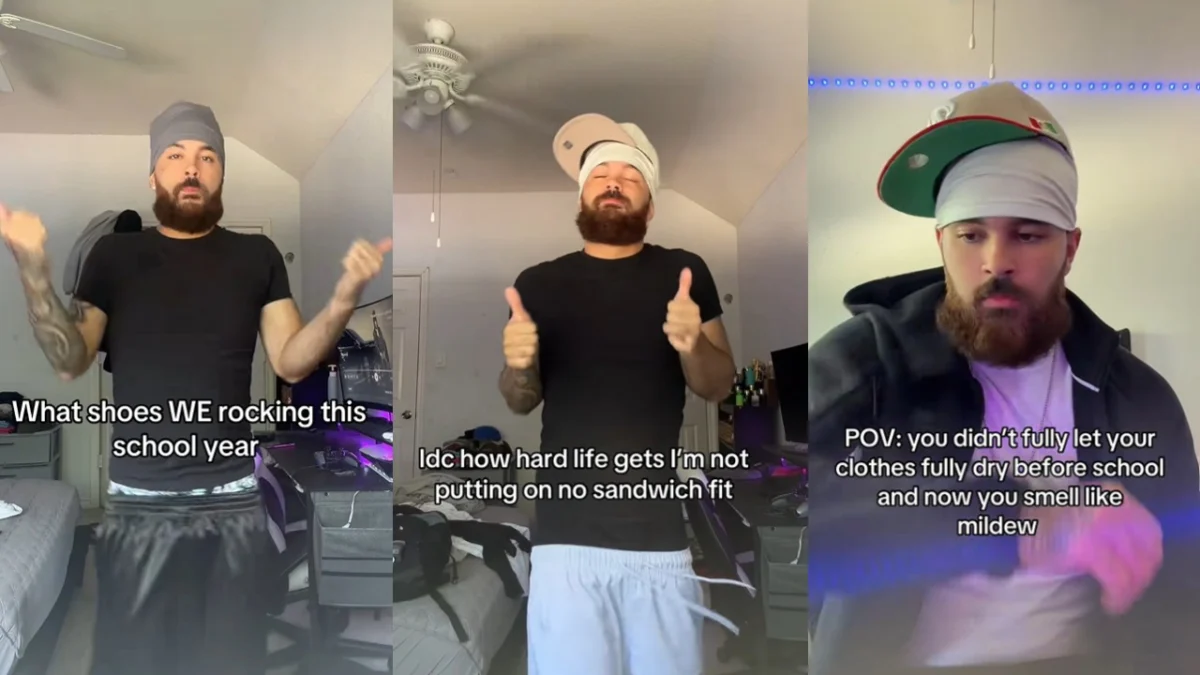
The emergence of the digital content creator known as Luh5trapp, or Luh5yaps, has ignited a multifaceted debate regarding age authenticity, niche marketing, and the evolving nature of "cringe culture" within the TikTok ecosystem. Based in the Dallas-Fort Worth metropolitan area, Luh5trapp rose to prominence in early 2026 by leveraging the high-engagement categories of streetwear fashion and rhythmic "lip dub" performances. However, his rapid ascent from a local creator to a viral subject of international mockery highlights a growing tension between content creators and a digital audience that is increasingly sensitive to perceived inauthenticity. As Luh5trapp continues to solicit fashion advice for the upcoming "school year," he has inadvertently become a case study in how age-discrepancy memes can drive both massive reach and significant reputational scrutiny.
The Genesis of Luh5yaps and the Dallas Influencer Scene
The Dallas-Fort Worth (DFW) area has long been a secondary hub for social media influencers, trailing only Los Angeles and New York in terms of creator density. On March 13, 2026, the user @luh5yaps uploaded his inaugural video to TikTok, entering a saturated market of lifestyle and fashion content. His initial output followed the established tropes of the platform: rhythmic movement, high-energy transitions, and a focus on urban apparel. While his first video garnered a respectable 16,000 views within its first four months, it was his subsequent pivot toward specific fashion "rankings" that catalyzed his viral breakthrough.
On March 19, 2026, Luh5trapp published a video ranking the top five brands of socks while performing a synchronized dance routine. This specific intersection of utility-based fashion advice and entertainment-focused performance resonated with the TikTok algorithm, propelling the video to over 1.5 million views by mid-summer. The success of the "socks ranking" video established a template for Luh5trapp’s content strategy: identify a specific wardrobe essential and frame it as a communal "must-have" for a specific season.
The School Year Pivot and the Emergence of Age Discordance
By June 2026, Luh5trapp began focusing his content on the "Back to School" (BTS) shopping season, a period traditionally dominated by Gen Z and Gen Alpha consumers. On June 17, 2026, he posted a video inquiring, "So what backpack we rocking this school year?" The video, which featured his signature dance style, accumulated over 800,000 views within thirty days. While the metrics indicated high engagement, the qualitative data found in the comment sections revealed a shift in audience perception.
Users began to question the demographic targeting of the content. To many viewers, Luh5trapp appeared to be significantly older than the high school or college-age demographic to which his "school year" questions were seemingly directed. This perceived age gap became the primary catalyst for a wave of digital derision. Critics argued that an individual who appeared to be in his late twenties or thirties asking about school backpacks was either "out of touch" or intentionally "chasing clout" by pandering to a much younger audience. This phenomenon, often referred to in digital sociology as "demographic friction," occurs when a creator’s physical appearance contradicts the lifestyle or life stage they are projecting in their content.
The "Sandwich Fit" Phenomenon and Peak Virality
Despite the mounting mockery, Luh5trapp’s reach continued to expand. On July 10, 2026, he posted what would become one of his most polarizing videos to date. Utilizing a popular SpongeBob SquarePants remix as audio, he danced under a caption expressing a refusal to wear "sandwich fits." In the lexicon of modern streetwear, a "sandwich fit" refers to a styling technique where the color of the top (hat or shirt) matches the color of the footwear, with a contrasting color for the trousers in between, effectively "sandwiching" the middle layer.
The video struck a nerve within the fashion community, garnering 3.8 million views in less than a week. The "sandwich fit" video served as a lightning rod for two distinct groups: those genuinely interested in streetwear trends and those who viewed the creator’s delivery as "cringeworthy." The use of a SpongeBob remix—a staple of juvenile or "ironic" internet humor—further solidified the perception that Luh5trapp was leaning into a persona that many found "corny."
A Timeline of Strategic Content and Viral Backlash
The trajectory of Luh5trapp’s digital presence in mid-2026 can be mapped through a series of high-engagement uploads followed by immediate memetic retaliation:
- March 13, 2026: Launch of @luh5yaps account.
- March 19, 2026: First major viral hit (1.5M views) focusing on sock brands.
- June 17, 2026: The "Backpack" video initiates the "school year" content cycle.
- July 10, 2026: "Sandwich Fit" video achieves peak virality with 3.8M views.
- July 13, 2026: "Slides" video (1M views) reinforces the age-discrepancy narrative.
- July 14–15, 2026: Mass adoption of the "Bro You’re Literally 40" meme by third-party creators.
On July 13, 2026, Luh5trapp attempted to replicate the success of the backpack video by asking what "slides" (casual footwear) the community would be wearing during the school year. The video gained 1 million views in three days but was met with an even more aggressive wave of age-related commentary. Commenters frequently used hyperbole to suggest the creator was middle-aged, with many comments ironically wishing him luck on his "first day of 10th grade" or suggesting he was too old to be concerned with campus footwear trends.
The Anatomy of the Meme: "Bro You’re Literally 40"
The backlash against Luh5trapp eventually transcended his own comment sections and manifested as independent content created by other TikTokers. This is a common stage in the lifecycle of a viral figure, where they transition from a creator to a "meme template."
On July 13, 2026, TikToker @1flexjugg published a video specifically calling out Luh5trapp’s age, alleging that the creator was "30" and that his content was inappropriate or embarrassing for his age bracket. The video garnered 150,000 views and served as a catalyst for other creators to join the critique. The following day, @ericdiditfr utilized the established "Bro Your Literally 40" meme format—a trope often used to mock older individuals who try too hard to adopt youth culture or "glaze" younger influencers. This video earned 577,000 views in 48 hours, signaling that the mockery of Luh5trapp had become a trend in its own right.
By July 15, the creator @drakoarmy posted a parody of the "sandwich fit" video, which amassed 1.4 million views in a single day. These reaction videos often outperform the original content, as they tap into the collective sentiment of the audience and provide a space for shared ridicule.
Analytical Perspective: The Economy of Cringe
The case of Luh5trapp illustrates a complex dynamic in the 2026 creator economy: the "Cringe Economy." In this landscape, being perceived as "corny" or "cringeworthy" is not necessarily a barrier to success; rather, it can be a potent driver of visibility. The TikTok algorithm prioritizes engagement—likes, shares, and, most importantly, comments. Because Luh5trapp’s videos inspire hundreds of thousands of comments (even if they are mocking in nature), the platform’s algorithm continues to push his content to new audiences, assuming it is "highly relevant."
From a journalistic standpoint, the phenomenon raises questions about the intent of the creator. While some analysts suggest that Luh5trapp may be a victim of a generation gap, others posit that the "age-inappropriate" persona may be a calculated marketing tactic. By intentionally asking questions about the "school year" despite his mature appearance, Luh5trapp may be "rage-baiting"—the practice of posting content designed to provoke a negative or corrective response from viewers, thereby boosting engagement metrics.
Broader Implications and Future Outlook
The narrative surrounding Luh5trapp reflects a broader cultural anxiety regarding the blurring lines of adulthood in the digital age. As fashion and lifestyle trends become increasingly homogenized across age groups due to social media, the boundaries of what is considered "age-appropriate" content are being tested.
For brands looking to partner with influencers, the Luh5trapp saga provides a cautionary tale. While his reach is undeniable, the sentiment surrounding his personal brand is overwhelmingly negative or satirical. This makes him a "high-risk" asset for traditional retail brands, though he remains a "high-reward" figure for the attention economy of TikTok itself.
As the 2026 school year begins, the digital community remains focused on whether Luh5trapp will pivot his content toward a more age-aligned niche or continue to lean into the "school year" persona that has made him a household name in the world of TikTok memes. Regardless of his future direction, his impact on the fashion influencer landscape—and his role in defining the "sandwich fit" for a new generation of critics—remains a significant chapter in the history of mid-2020s social media.

