
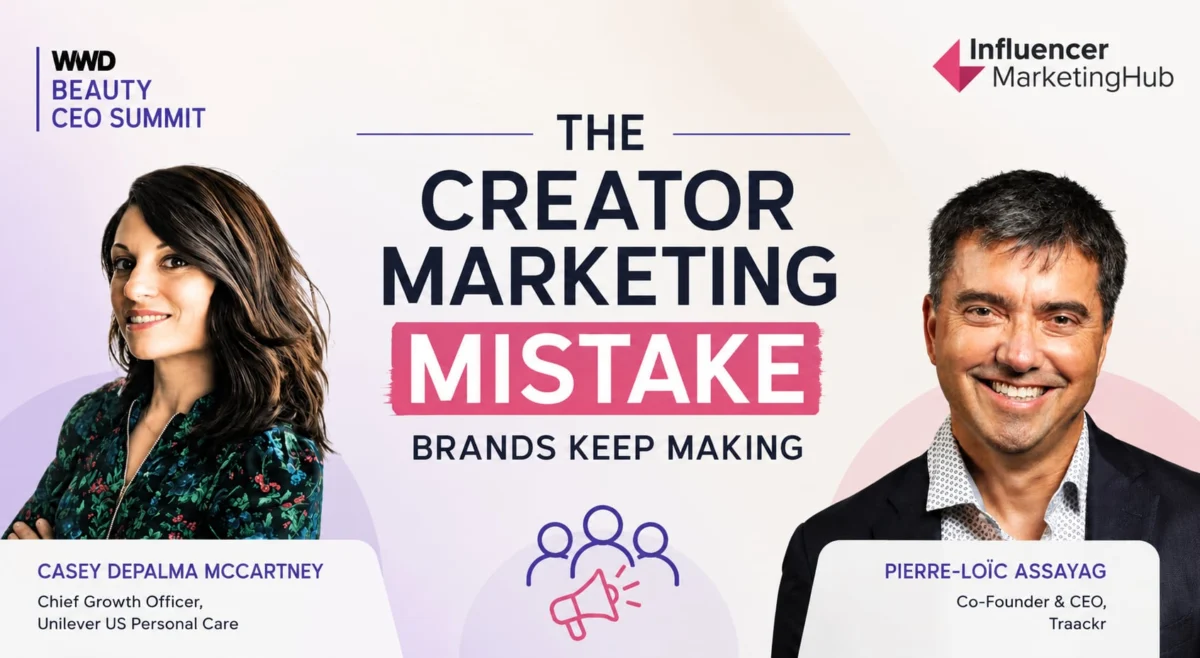
The landscape of brand engagement has undergone a profound transformation, with creator marketing emerging from its experimental phase to become a cornerstone of modern advertising. The conversation has irrevocably shifted: it is no longer a question of whether brands should invest in creators, but rather how they can architect sophisticated, scalable creator programs that deliver sustained performance and authentic connection. This paradigm shift was a central theme at the prestigious WWD Beauty CEO Summit held in May, where industry leaders converged to dissect the evolving dynamics of the creator economy.
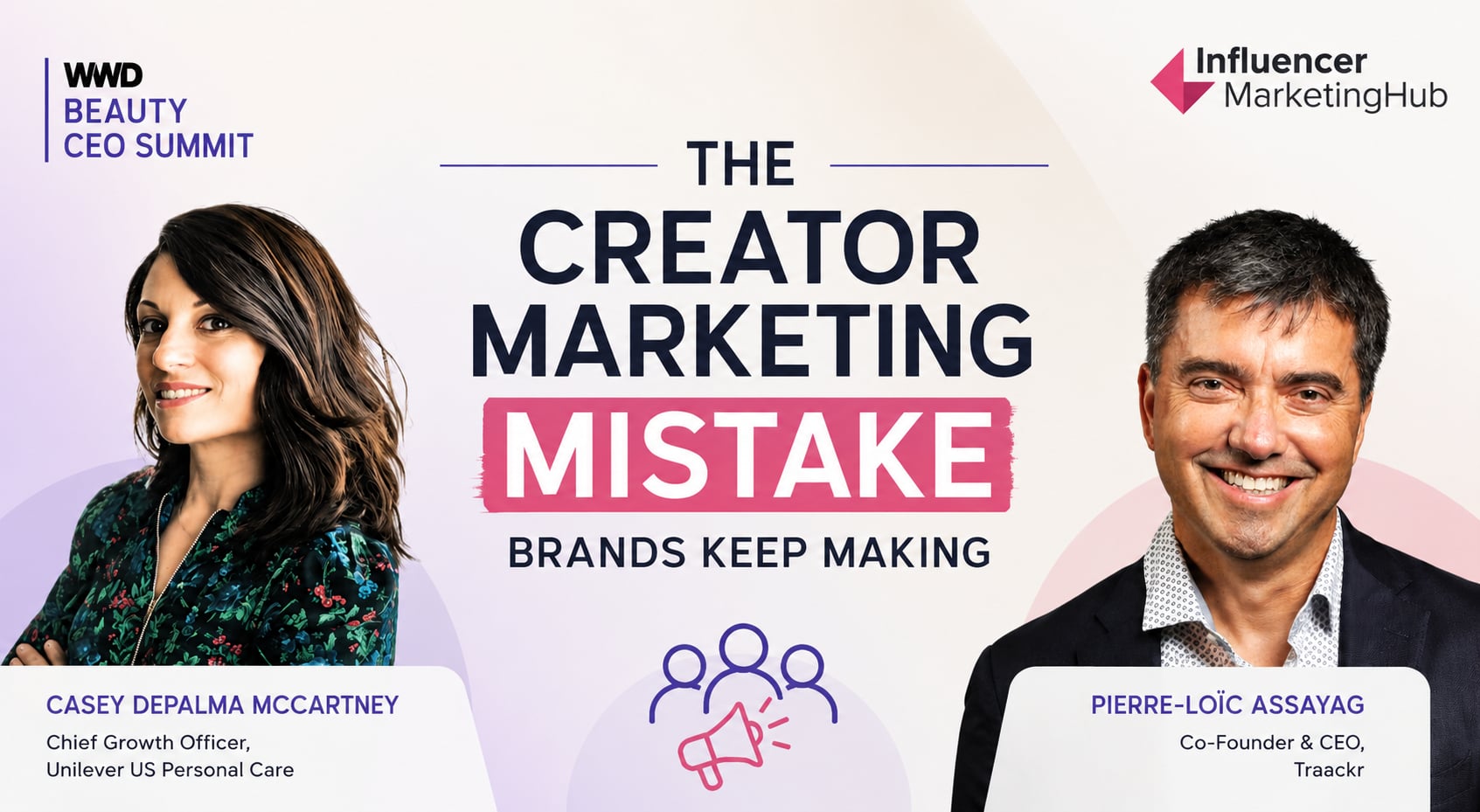
The summit provided a vital platform for deep discussions on the future trajectory of brand-creator relationships. Among the most anticipated insights came from a joint presentation by Casey McCartney, Chief Growth Officer at Unilever US Personal Care, and Pierre-Loïc Assayag, CEO and Founder of Traackr. While Unilever’s ambitious goal of expanding its creator network twentyfold garnered immediate attention, the true essence of their discussion lay in the strategic rationale underpinning such growth: a departure from mere volume towards a focus on quality, repeatability, and robust systemic infrastructure. The consensus from the panel was clear: brands often conflate creator volume with marketing maturity. The most successful enterprises are those that prioritize building better systems, fostering stronger, enduring relationships, and making data-informed decisions before attempting to scale.
The Evolution of Creator Marketing: From Transactional to Transformative
The journey of creator marketing has been swift and dramatic. What began as a nascent tactic involving a handful of digital personalities has blossomed into a global phenomenon, with the creator economy now valued at an estimated $250 billion, projected to surge to $480 billion by 2027. This explosive growth has naturally led to a significant increase in brand investment, making creator marketing one of the fastest-growing segments of the advertising industry. According to a recent report by Influencer Marketing Hub, the industry’s market size has grown from $1.7 billion in 2016 to an estimated $21.1 billion in 2023, underscoring its rapid mainstream adoption.
In its earlier stages, many brands adopted a straightforward, volume-driven approach: recruit more creators, launch a higher number of partnerships, and increase campaign output. The prevailing assumption was that sheer scale would automatically translate into greater reach and impact. However, this transactional model often led to inefficiencies, inconsistent brand messaging, and a superficial engagement that failed to cultivate genuine brand advocacy. Brands frequently found themselves restarting the entire process—from outreach and negotiation to approvals and onboarding—with each new campaign, creating bottlenecks and consuming valuable resources. This fragmented approach, characterized by one-off collaborations, prevented the accumulation of institutional knowledge and the development of agile, responsive marketing capabilities.
Unilever, a global consumer goods giant with a rich history of innovative marketing, has boldly challenged this assumption. McCartney articulated this critical distinction at the summit, stating unequivocally, "Scaling alone is meaningless. Any brand with enough money could transact at scale. It is truly about quality and repeatability." This statement encapsulates the profound shift in thinking required for sustainable growth in the creator space. A mature creator program, as envisioned by Unilever and Traackr, is not defined by the sheer number of unique transactions, but by the establishment of enduring relationships and streamlined, repeatable processes. When relationships are pre-existing and operational frameworks are robust, teams can respond with unprecedented speed and effectiveness to emerging opportunities, transforming potential bottlenecks into pathways for agile activation.
Unilever’s Strategic Blueprint: Building Communities Before Campaigns
The strategic depth of Unilever’s approach was further illuminated through compelling case studies, demonstrating how leading brands are embedding creator relationships into their core marketing fabric. The Dove brand, renowned for its commitment to real beauty and self-esteem, offered a powerful illustration of proactive community building. Rather than waiting for a campaign brief to be finalized before initiating creator outreach, Dove has invested years in cultivating authentic relationships with creators whose values genuinely align with the brand’s ethos. This deliberate, long-term strategy ensures that when cultural moments arise, or new product launches are imminent, Dove can mobilize a network of trusted advocates swiftly and authentically. McCartney aptly described this as "building creator communities before campaigns require them," highlighting a strategic foresight that prioritizes readiness over reactive engagement. This foundational work allows Dove to maintain an agile posture, capable of participating in relevant conversations with credibility and speed, a crucial advantage in today’s fast-paced digital environment.
Another exemplary initiative came from Vaseline, showcasing the potent synergy between social listening and creator engagement. Instead of developing campaign ideas in isolation, the brand proactively monitored social media conversations, identifying a vibrant community already sharing myriad creative uses for Vaseline, from beauty hacks to skincare remedies. This rich vein of user-generated content provided a fertile ground for an innovative campaign. Recognizing the authenticity and widespread appeal of these consumer-driven narratives, Vaseline launched "Vaseline Verified." This initiative invited the brand’s own scientists to rigorously test and validate popular community hacks, transforming anecdotal evidence into credible, science-backed content. Following validation, a curated network of creators amplified these verified ideas, bridging the gap between organic user behavior and authoritative brand endorsement.
The "Vaseline Verified" campaign is a masterclass in leveraging consumer insights to drive creator strategy. It effectively transformed diffuse user-generated conversations into highly engaging, validated creator content deeply rooted in consumer behavior. The results have been remarkable: according to McCartney, Vaseline, a brand with over 150 years of heritage, has become the most organically talked-about skincare brand year-to-date. This success story underscores a pivotal lesson for the broader industry: social listening is no longer a peripheral activity but a vital input for creator strategy. Brands should not task creators with manufacturing conversations but empower them to expand and enrich discussions that audiences are already genuinely having, fostering authenticity and resonance.
AI’s Role: Magnifying Strategic Acumen, Not Flaws
The discourse at the WWD Beauty CEO Summit naturally extended to the transformative potential of Artificial Intelligence within creator marketing. However, Traackr’s perspective, articulated by Pierre-Loïc Assayag, offered a nuanced and critical counterpoint to the prevailing enthusiasm for immediate automation. Assayag emphasized that brands should prioritize improving their fundamental decision-making processes before attempting to automate creator workflows. His reasoning was pragmatic: if existing strategies for creator outreach, selection, or campaign planning are inherently ineffective, the application of AI will merely accelerate and amplify those inefficiencies. As Assayag concisely put it, "If you start with insights… what you will amplify with AI is the good decisions instead of terrible ones."
This perspective champions a strategic deployment of AI, beginning with enhanced intelligence. AI’s true value, in this context, lies in its capacity to generate superior creator intelligence, leading to more precise recommendations for partnerships, more effective audience targeting, and more insightful campaign planning. Only once these foundational insights are robust and decision-making is optimized does workflow automation become genuinely valuable, enabling efficient execution of well-conceived strategies.
Furthermore, Assayag urged brands to meticulously consider the creator data they collect today. In an increasingly AI-driven marketing ecosystem, proprietary historical data—encompassing past creator relationships, campaign performance metrics, and accumulated partnership knowledge—will evolve into one of a company’s most invaluable assets. "Your IP in the future is your data," he declared, highlighting the strategic imperative of robust data governance and the establishment of comprehensive, accessible data repositories. This data will fuel AI models, providing a competitive edge in creator discovery, performance prediction, and strategic adaptation, making it a critical component of a brand’s intellectual property.
Creator Marketing as a Long-Term Business Capability
Perhaps the most profound takeaway from the WWD Beauty CEO Summit was not about technology, but about a fundamental shift in organizational thinking. The discussions underscored that creator marketing is transcending its traditional role as a mere campaign execution tool, gradually evolving into a permanent, integral business capability. This signifies a departure from viewing creators solely as distributors of pre-packaged marketing messages. Instead, creators are increasingly influencing critical business functions, including product innovation, commerce strategies, customer experience design, and even overarching brand strategy.
This expansive role necessitates a different kind of investment. Success in this new paradigm depends less on the elusive pursuit of the "next viral creator" and more on the meticulous construction of an enduring infrastructure capable of supporting hundreds or even thousands of long-term, mutually beneficial relationships. This infrastructure includes dedicated teams for creator relationship management, sophisticated analytics platforms, streamlined payment and compliance systems, and internal processes that foster genuine collaboration rather than transactional exchanges.
For brands striving for sustainable growth, this distinction is paramount. While simply adding more creators might superficially increase activity metrics, true scale and enduring impact are achieved through the establishment of repeatable systems, the cultivation of stronger, authentic relationships, and the continuous enhancement of creator intelligence. These foundational elements are what allow creator marketing to transition from an episodic tactic to a consistently high-performing, strategically integrated business function, capable of driving sustained value across the entire enterprise. The era of treating creators as mere media buys is receding; the future belongs to brands that embrace them as strategic partners and embed their power deeply within the fabric of their organization.

