
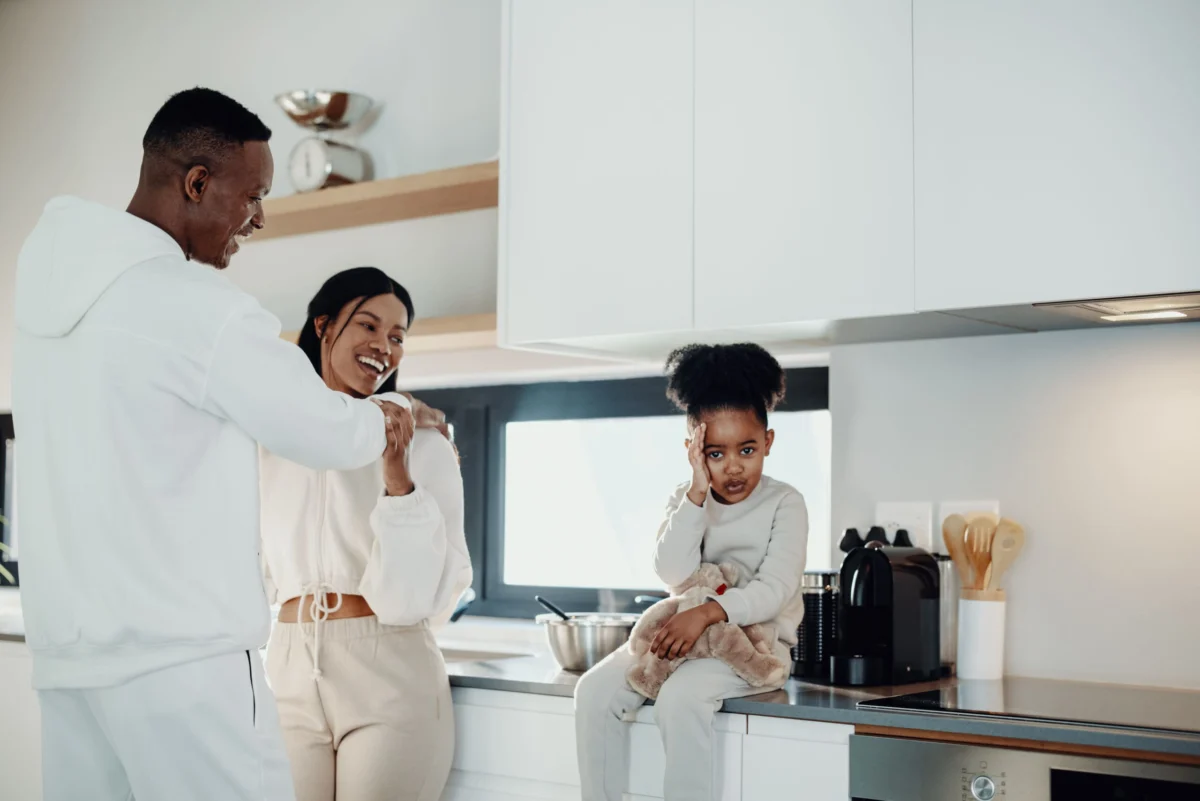
The silent curriculum observed by children within their parents’ marriage profoundly shapes their understanding of relationships, conflict, intimacy, and commitment. This enduring influence, often absorbed subconsciously, lays the groundwork for their own future romantic and interpersonal interactions. Ted, a prominent writer, speaker, and podcast host with Family First, as well as the founder of For Us Marriage and author of "Us in Mind: How Changing Your Thoughts Can Change Your Marriage," frequently highlights this critical aspect in his discussions and writings. He posits that children are astute observers, internalizing every subtle interaction, every gesture, and every response between their parents, forming a comprehensive blueprint for what a partnership entails. This observational learning extends far beyond explicit lessons, penetrating the emotional landscape of the home and establishing core beliefs about love, trust, and resilience.
The Silent Curriculum: Unpacking Children’s Observations
Children, irrespective of their overt attention, are continuously processing the relational dynamics around them. From an early age, they develop an intuitive understanding of emotional cues, power balances, and communication patterns. Experts in child development and family psychology consistently underscore that this early exposure acts as a powerful predictor for their own relationship styles in adulthood. The marital environment thus functions as a primary laboratory for social learning, where children, like "tiny relationship scientists," collect data on how adults navigate the complexities of shared life. This phenomenon has gained increasing recognition within academic and therapeutic circles, moving beyond anecdotal observations to being supported by longitudinal studies in developmental psychology.
The implications of this silent curriculum are far-reaching. Research consistently indicates that children from homes characterized by constructive marital interactions tend to exhibit greater emotional intelligence, superior problem-solving skills, and a more secure attachment style in their own relationships. Conversely, exposure to chronic marital discord, lack of affection, or ineffective conflict resolution can predispose children to anxiety, behavioral issues, and difficulties forming stable, healthy relationships later in life. Understanding these dynamics is crucial for parents, as it reframes everyday interactions into formative lessons for their children.
I. Modeling Conflict Resolution: Beyond Perfection
One of the most critical lessons children absorb from their parents’ marriage is how to navigate conflict. While an absence of disagreement might seem ideal, developmental psychologists emphasize that a conflict-free marriage is not only unrealistic but also deprives children of essential learning opportunities. Instead, the focus shifts to how conflicts are managed and resolved. Early marital years often involve unintentional habits that can lead to disconnection, as noted by Ted. However, the crucial takeaway for children is witnessing the recovery process—the effort to reconnect after a disagreement.
Studies by researchers like E. Mark Cummings have extensively documented the impact of parental conflict on children. These studies differentiate between destructive conflict (e.g., hostility, aggression, withdrawal) and constructive conflict (e.g., mutual problem-solving, compromise, affection). Children exposed to constructive conflict resolution—where parents cool off, discuss issues respectfully, and reach resolutions—learn that disagreements are manageable and do not signify the end of a relationship. They learn the value of verbalizing feelings, actively listening, and seeking common ground. Conversely, unresolved conflicts, passive-aggressive behaviors, or the "silent treatment" teach children maladaptive coping mechanisms, suggesting that conflict is either insurmountable or best avoided through suppression. The ability of parents to model effective communication, empathy, and willingness to repair relational ruptures provides children with a vital blueprint for managing their own interpersonal challenges.
II. The Power of Affection: Demonstrating Mutual Regard
The visible expression of affection and mutual enjoyment between spouses is another cornerstone of a healthy marital model for children. Beyond the functional aspects of managing a household, children keenly observe whether their parents genuinely like each other. Ted emphasizes the importance of shared fun, laughter, and spontaneous gestures of affection in enriching a marriage. This isn’t about portraying a perfect union but rather a vibrant, appreciative partnership.
Developmental psychology research highlights the significance of a warm and supportive emotional climate in the home. Children who witness their parents regularly expressing affection—through hugs, kind words, shared laughter, or simple touches—internalize a sense of security and emotional well-being. This observable affection communicates that relationships are sources of joy, comfort, and mutual appreciation. It fosters a positive view of intimacy and partnership, teaching children that love is not merely an abstract concept but a tangible, expressed bond. Conversely, a lack of visible affection or a perpetually strained atmosphere can lead children to view relationships as devoid of warmth or burdened by unspoken tension, potentially impacting their own capacity for emotional connection and intimacy later in life. The emotional resonance of parental interaction becomes a foundational lesson in what it means to truly connect and enjoy another person.
III. Marriage as a Partnership: Cultivating Teamwork
The perception of marriage as a "team sport" versus "jury duty" is a subtle yet profound lesson children glean from their parents. The manner in which spouses discuss and interact with each other, particularly regarding shared responsibilities, finances, or differing opinions, shapes children’s expectations of partnership. Ted highlights the dynamic between two opinionated individuals, such as himself and Nancie, who despite differences in personality and approach, strive to function as teammates.
Sociological studies on family dynamics consistently show that children thrive in environments where parents exhibit strong co-parenting alliances and a united front. When children observe parents treating each other with respect, even amidst disagreements, and working collaboratively towards common goals, they learn the value of mutual support and shared responsibility. The language used when referring to a spouse—whether appreciative and supportive or critical and dismissive—becomes a child’s benchmark for how partners should treat each other. If marriage is portrayed as an obligation or a source of contention, children may develop a cynical view of long-term commitment. Conversely, witnessing parents navigate challenges as a cohesive unit, celebrating successes together, and supporting each other through difficulties, instills a sense of security and teaches the power of collaboration within a relationship. This cultivates an understanding that a strong partnership is built on mutual respect, shared purpose, and a willingness to compromise for the collective good.
IV. The Art of Repair: Teaching Apology and Forgiveness
Beyond merely witnessing conflict, children learn invaluable lessons from how parents manage the aftermath—specifically, the acts of apology and forgiveness. Ted underscores that children observing their parents’ imperfections, followed by genuine efforts to apologize and reconcile, gain a profound understanding of relationship repair. This process demonstrates that conflict does not equate to the end of a relationship, but rather an opportunity for growth and strengthened connection.
Psychological research on emotional intelligence and social development emphasizes the importance of modeling effective repair strategies. When parents are capable of admitting fault, offering sincere apologies, and genuinely forgiving each other, they teach children crucial skills for navigating their own interpersonal relationships. Children learn that vulnerability, accountability, and empathy are essential components of maintaining healthy bonds. They observe that grudges can be detrimental and that moving forward requires a conscious effort to let go of past hurts. Conversely, environments where apologies are rare, insincere, or where resentment lingers, can lead children to develop unhealthy coping mechanisms, such as avoiding responsibility, struggling with forgiveness, or perpetuating cycles of unresolved conflict. The ability to model repair, therefore, is not just about resolving an immediate issue but about instilling a lifelong capacity for emotional healing and relational resilience.
V. Upholding Commitment: The Weight of Promises
Children are exceptionally adept at discerning consistency and integrity in their parents’ actions, particularly concerning the promises and commitments made within the marital relationship. They are observing whether promises are merely "nice ideas" or genuine commitments that are honored through behavior and follow-through. This consistent observation forms their understanding of reliability, trust, and the fundamental nature of long-term bonds.
Developmental psychologists link consistency in parental behavior to children’s sense of security and trust. When children witness their parents consistently "showing up" for each other, supporting each other’s endeavors, and honoring their vows through daily actions, they internalize the significance of commitment. This goes beyond explicit declarations of love; it encompasses the myriad small actions that demonstrate dedication and loyalty. Conversely, inconsistency, broken promises, or a lack of follow-through can erode a child’s sense of trust, not just in the marital relationship but potentially in relationships more broadly. They learn to question the sincerity of commitments and may struggle with forming secure attachments themselves. The observable habits of connection versus disconnection between parents thus become a powerful lesson in the tangible value of promises and the foundational role of trust in sustaining a relationship. Children’s acute awareness ensures that any deviation from promised behavior is noted, impacting their nascent understanding of relational integrity.
VI. Embracing Imperfection: The Reality of Lasting Love
Perhaps the most reassuring and realistic lesson children can learn from their parents’ marriage is that perfection is not the goal. Instead, what resonates deeply is the visible effort to "fight for" the marriage and to consistently "choose" each other every day, even amidst struggles. Ted underscores that real marriage is a dynamic blend of joy, forgiveness, and continuous effort.
This perspective is strongly supported by resilience research in psychology. Children who witness their parents navigate challenges, make mistakes, and still emerge committed to their partnership, learn invaluable lessons about perseverance and realistic expectations. They understand that relationships are not static ideals but evolving entities requiring ongoing work, grace, and adaptability. This exposure to human, imperfect parents who demonstrate resilience and commitment despite flaws fosters a more robust and adaptable mindset towards relationships. It inoculates them against the unrealistic portrayals of perfect love often depicted in media, providing a grounding in the reality that lasting relationships involve effort, forgiveness, and a willingness to grow together. This lesson in embracing imperfection, while striving for betterment, equips children with a healthier, more sustainable framework for their own romantic endeavors, teaching them that true strength lies not in the absence of struggle, but in the unwavering commitment to overcome it together.
Broader Societal Implications and Expert Perspectives
The cumulative effect of these parental lessons extends beyond individual family units, carrying significant societal implications. A generation of children raised with healthy marital models is more likely to form stable families themselves, contributing to community well-being and reducing cycles of relational dysfunction. Conversely, widespread exposure to unhealthy marital dynamics can exacerbate societal challenges related to family breakdown, mental health issues, and interpersonal violence.
Family therapists and child development specialists consistently advocate for parental mindfulness regarding their marital interactions. Dr. John Gottman, a leading researcher in marital stability, emphasizes the importance of positive emotional bids and repair attempts, stating that the quality of marital interaction is a strong predictor of children’s social and emotional health. Similarly, attachment theorists highlight how a secure parental attachment, fostered by a loving and stable marital relationship, provides children with a secure base from which to explore the world and form healthy relationships. Educational professionals also note that children from stable, supportive home environments often exhibit better academic performance and social skills in school settings.
Conclusion: The Enduring Legacy of Parental Relationships
In essence, every interaction, every shared laugh, every disagreement resolved, and every act of forgiveness between parents contributes to an indelible legacy for their children. This inheritance is not material but relational—a deeply ingrained understanding of what it means to be in a partnership, to love, to forgive, and to persevere. The question for parents, as framed by experts like Ted, is not if their children will learn about marriage from them, but what specific lessons they will impart. By consciously striving for a marriage characterized by respect, affection, teamwork, effective conflict resolution, and unwavering commitment, parents provide their children with the most valuable inheritance of all: a robust and realistic blueprint for building their own enduring and fulfilling relationships. This active modeling ensures that the lessons learned within the home will resonate far into the future, shaping generations to come.

